
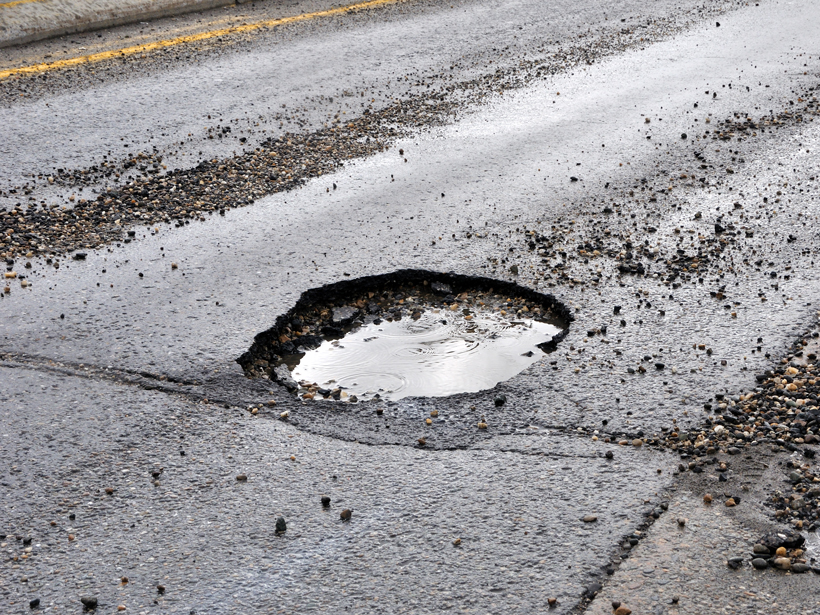
How can we steer the review process onto smoother pavement and get more and better reviews with less ire? Stop treating review submission like a credit card application!
Opinion

Posted inOpinions
YOU Should Advocate for Science
Are you engaged in rigorous science? If so, ask your elected representatives to fund it robustly and predictably and to oppose policies that impede scientific progress.
Posted inOpinions
Earth Day Message from an Astronaut on the Space Station
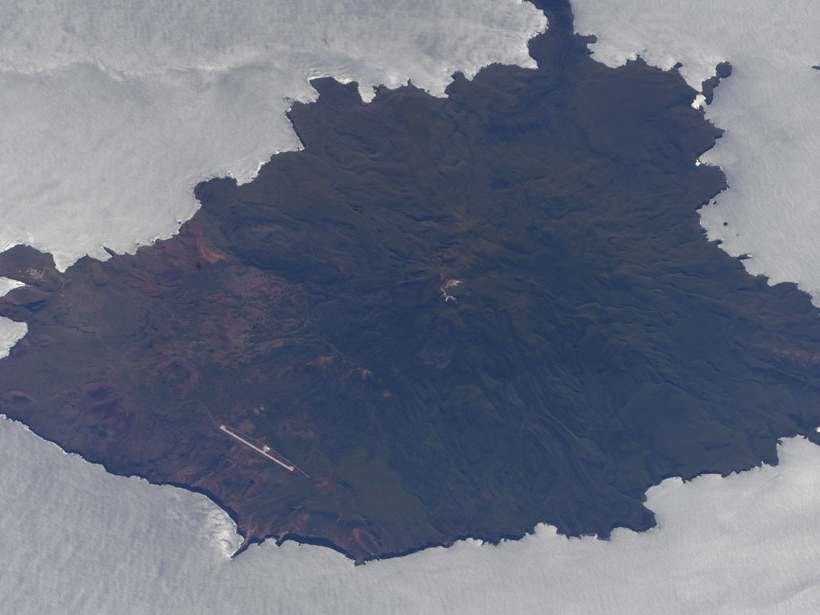
NASA astronaut and geoscientist Drew Feustel reminds us: High above Earth, you see no borders; you barely see cities. You do see evidence of Earth’s raw power.

Posted inOpinions
Two-Career Chaos: A Look in the Rearview Mirror
Can we really have it all? A scientist reflects on the gut-wrenching choices of juggling marriage, kids, and careers.
Posted inOpinions
The Government Sidelines Science, but to What Extent?
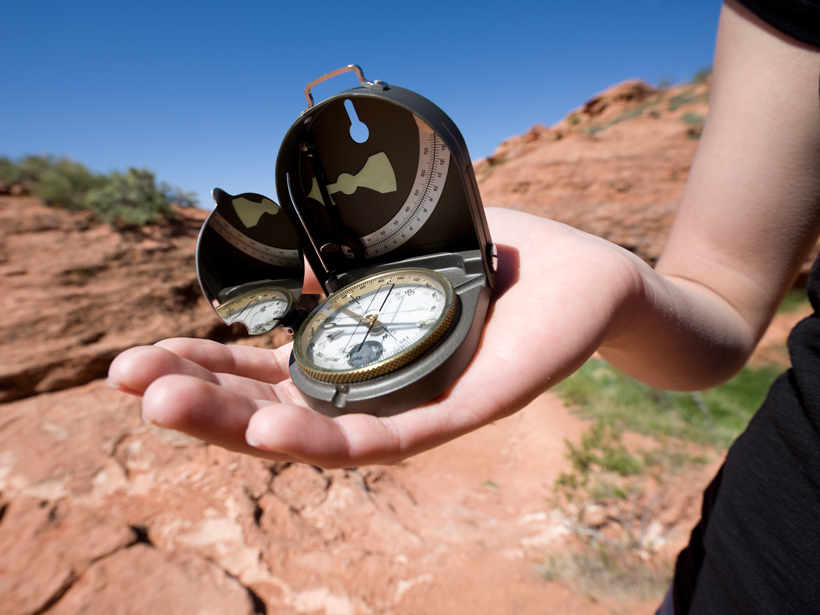
Anecdotes paint a grim picture about the state of scientific integrity in the current administration. Results from a newly opened and broad survey will show us this problem’s full scope.

Posted inOpinions
Climate Models Are Uncertain, but We Can Do Something About It
Model simulations of many climate phenomena remain highly uncertain despite scientific advances and huge amounts of data. Scientists must do more to tackle model uncertainty head-on.
Posted inOpinions
Will Clean Air Fade Away?
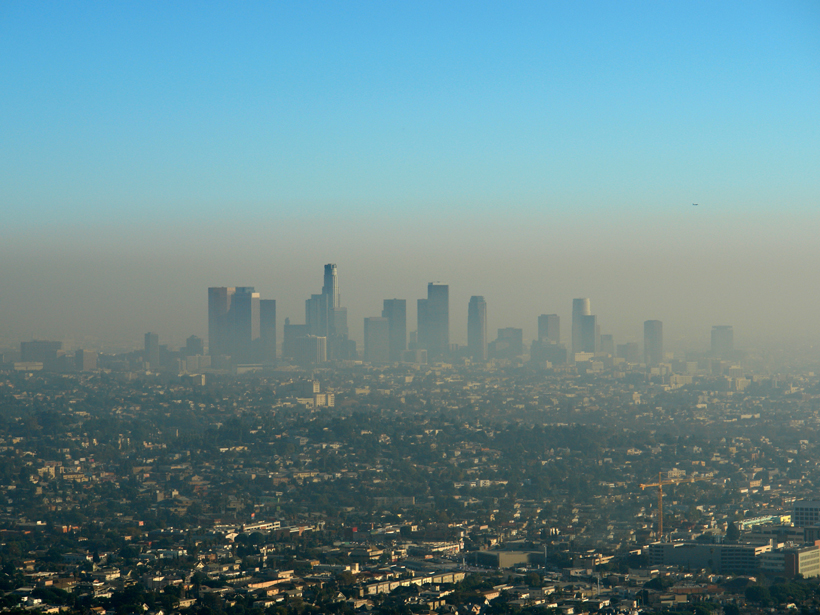
Government-sponsored research and regulations enabled western U.S. states to clean up their air, despite industrial and population growth. Proposed funding cuts could undo this progress.

Posted inOpinions
Should AGU Have Fly-in Meetings Anymore?
Should members of the American Geophysical Union “walk their talk” by cutting carbon emissions related to meeting travel?

Posted inOpinions
Partnerships Drive Science to Action Across the AGU Community
Scientists and decision-makers are working together to design, conduct, apply, and share research in ways that maximize value to society. How can AGU foster such partnerships?

Posted inOpinions
Beginner’s Guide to the AGU Fall Meeting
An early-career scientist’s compilation of solicited advice and notes to self on how to effectively use the “conference experience.”