
• About
  • Special Reports
  • Topics
    • Climate
    • Earth Science
    • Oceans
    • Space & Planets
    • Health & Ecosystems
    • Culture & Policy
    • Education & Careers
    • Opinions
  • Projects
    • Postcards From the Field
    • ENGAGE
    • Editors’ Highlights
    • Editors’ Vox
    • Eos en Español
    • Eos 简体中文版
    • Print Archive: 2015–2025
  • Policy Tracker
  • Blogs
    • Research & Developments
    • The Landslide Blog
  • Newsletter
  • Submit to Eos
  • AGU.org
  • Career Center
  • Join AGU
  • Give to AGU
  • About
  • Special Reports
  • Topics
    • Climate
    • Earth Science
    • Oceans
    • Space & Planets
    • Health & Ecosystems
    • Culture & Policy
    • Education & Careers
    • Opinions
  • Projects
    • Postcards From the Field
    • ENGAGE
    • Editors’ Highlights
    • Editors’ Vox
    • Eos en Español
    • Eos 简体中文版
    • Print Archive: 2015–2025
  • Policy Tracker
  • Blogs
    • Research & Developments
    • The Landslide Blog
  • Newsletter
  • Submit to Eos
Skip to content
  • AGU.org
  • Career Center
  • Join AGU
  • Give to AGU
Eos

Eos

Science News by AGU

Support Eos
Sign Up for Newsletter
  • About
  • Special Reports
  • Topics
    • Climate
    • Earth Science
    • Oceans
    • Space & Planets
    • Health & Ecosystems
    • Culture & Policy
    • Education & Careers
    • Opinions
  • Projects
    • Postcards From the Field
    • ENGAGE
    • Editors’ Highlights
    • Editors’ Vox
    • Eos en Español
    • Eos 简体中文版
    • Print Archive: 2015–2025
  • Policy Tracker
  • Blogs
    • Research & Developments
    • The Landslide Blog
  • Newsletter
  • Submit to Eos

Forever Chemicals: per- and polyfluoroalkyl substances
Ocean waves crash, releasing water droplets into the air.
Posted inNews

Ocean Waves Mist Decades-Old PFAS into the Atmosphere

by Grace van Deelen 22 April 202422 April 2024

“Forever chemicals” enter the air as sea spray aerosols, polluting coastlines and beyond.

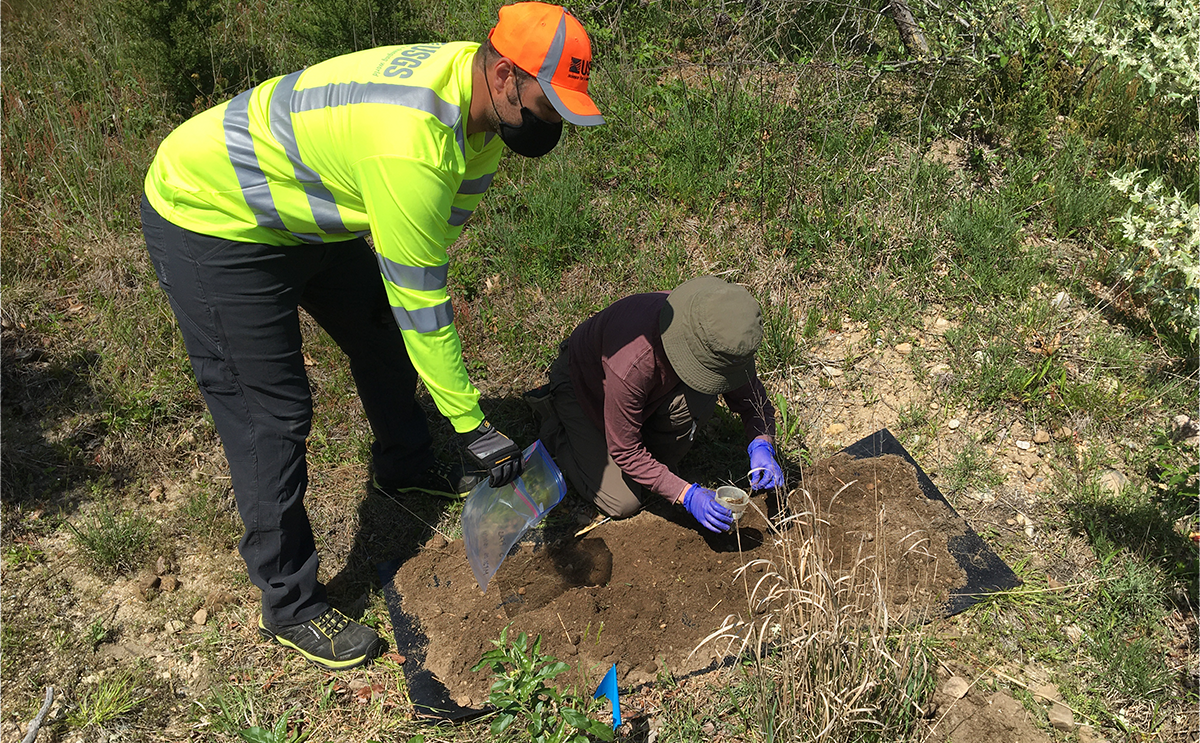
Photograph of USGS scientists collecting soil and worms at a site on Cape Cod, Massachusetts, that was contaminated by per- and polyfluoroalkyl substances.
Posted inEditors' Vox

Widespread “Forever Chemicals” in Subsurface Environments

by Dengjun Wang and Xueyan Lyu 30 September 20222 June 2025

Massive use of materials containing per- and polyfluoroalkyl substances in commercial and industrial sectors has led to their widespread occurrence in subsurface environments.
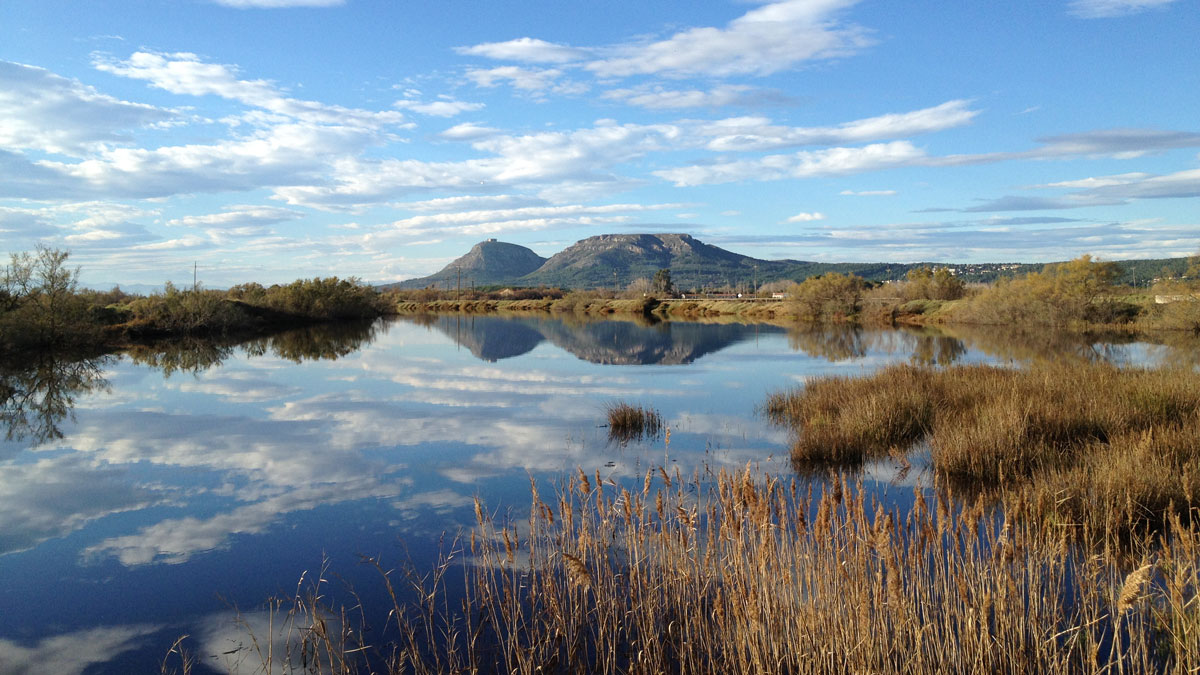
An image of a lagoon in the Pletera marsh area.
Posted inResearch Spotlights

Toxic “Forever Chemicals” Accumulate Above the Water Table

Rachel Fritts, Science Writer by Rachel Fritts 24 August 202216 April 2024

PFAS pose a public health risk, but there are major gaps in our knowledge of how these chemicals move through the ground.
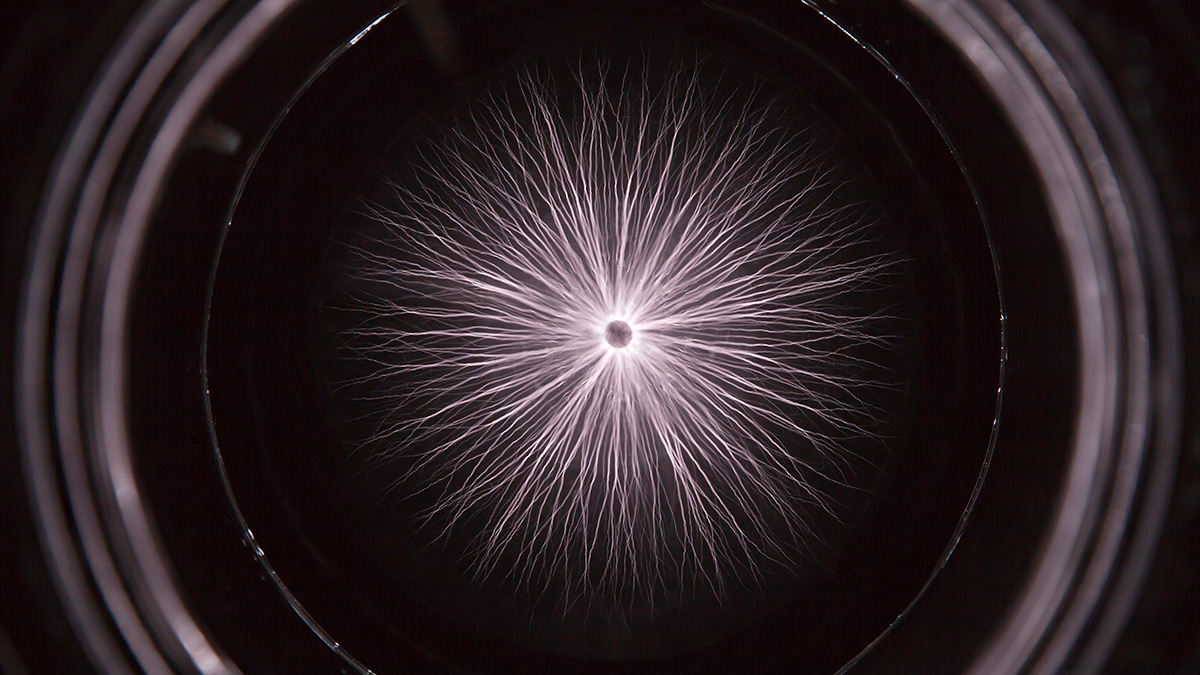
Argon plasma
Posted inNews

Innovators Tackle Toxic “Forever Chemicals”

Hannah Thomasy, Science Writer by Hannah Thomasy 24 February 202216 April 2024

New technologies seek to remove and destroy dangerous PFAS chemicals in contaminated water.

The steps of Har Ki Pauri lead down to the banks of the Ganges in Haridwar, India.
Posted inNews

Pharmaceuticals Pollute the Ganges

by T. V. Padma 4 February 20212 June 2025

Scientists report a cocktail of antibiotics, anti-inflammatory drugs, and personal care products found near two pilgrimage cities along the river.

Posts pagination

Newer posts 1 2
Over a dark blue-green square appear the words Special Report: The State of the Science 1 Year On.

Features from AGU Publications

Research Spotlights

As Wildfires Increase in the West, So Does Suppression Spending

10 June 202610 June 2026
Editors' Highlights

Multi-Scale Fault Roughness Encapsulated in a Friction Law

11 June 202611 June 2026
Editors' Vox

Small-Scale Indian Ocean Dynamics Underpin Marine Ecology and Climate

4 June 20263 June 2026
Eos logo at left; AGU logo at right

About Eos
ENGAGE
Awards
Contact

Advertise
Submit
Career Center
Sitemap

© 2026 American Geophysical Union. All rights reserved Powered by Newspack