


Climate advocates and scientists express dismay that none of the moderators of the three debates brought up the issue of climate change.
science communication

Posted inNews
Scientists, Activists Call for Climate Topic in Wednesday’s Debate
As environmentalists petition for climate questions in the final presidential debate, some scientists are urging—and others taking polls about—climate as a topic for politicians to address.

Posted inNews
Seismic Wave Videos Combine Sight and Sound

Researchers convert seismic data into sounds and animations, providing scientists with a new way to view what happens to Earth during earthquakes.

Posted inOpinions
We Need a New Definition for “Magma”
Confusion over the meaning of "magma" can generate popular misperceptions, including a nonexistent molten sea underneath Yellowstone National Park. We propose a different definition.
Posted inEditors' Vox
Exploring Formal Recognition of the Anthropocene
Colin Waters of the Anthropocene Working Group, which has been exploring formal recognition of the Anthropocene as a unit in the geological time scale, discussed the group's recommendations at the IGC.
Posted inNews
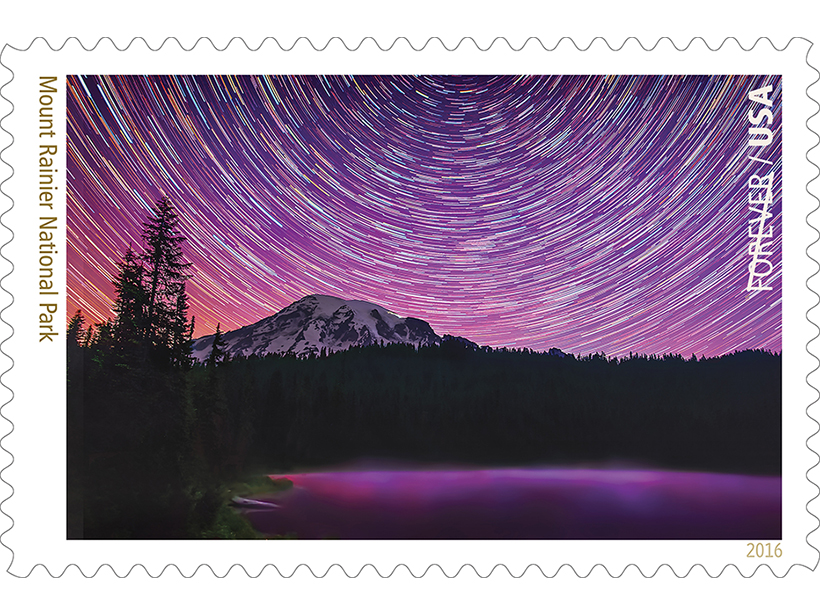
Stamps Celebrate National Parks on Agency's Centennial
Striking images showcase iconic and lesser known U.S. national parks, seashores, and historic sites.

Posted inNews
Climate Scientists' New Hurdle: Overcoming Climate Change Apathy

It's not just about deniers anymore. Scientists now have to convince a new group: those who believe humans have altered the climate but don't think anything can or should change.

Posted inScience Updates
Communicating Arctic Science Creatively for Diverse Audiences
Revealing the New Arctic: A Climate Change Communication Workshop; San Francisco, California, 16 December 2015

Posted inEditors' Vox
They Got to “Ask-Me-Anything.” So, What Did They Want to Know?
On behalf of JGR: Oceans, I consented to a Reddit Science AMA. What did an anonymous public want to learn about oceanography and climate science? More importantly, what can we learn from them?
Posted inEditors' Vox
Climate Scientists as Activists
The pursuit of global political solutions to climate change is not for the faint of heart—but it is a matter of civic responsibility.