
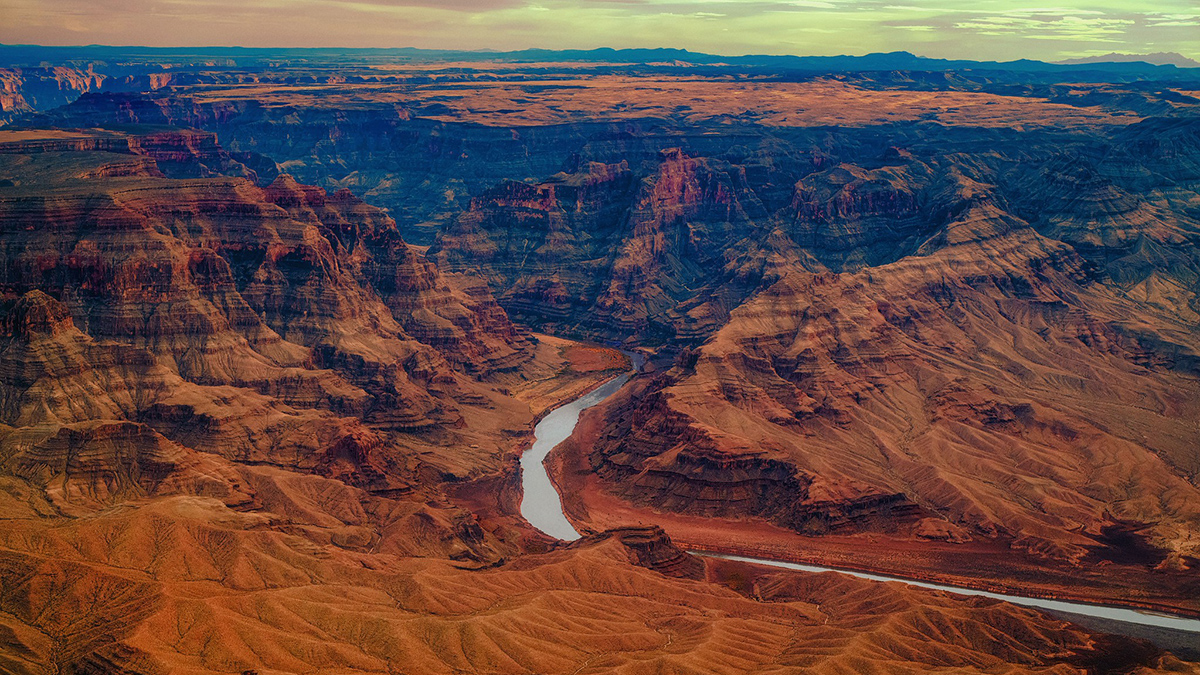

Though overallocation is one reason the river is shrinking, reduced snowpack and increased evaporation caused by climate change are also contributing factors.
science policy
Posted inResearch & Developments
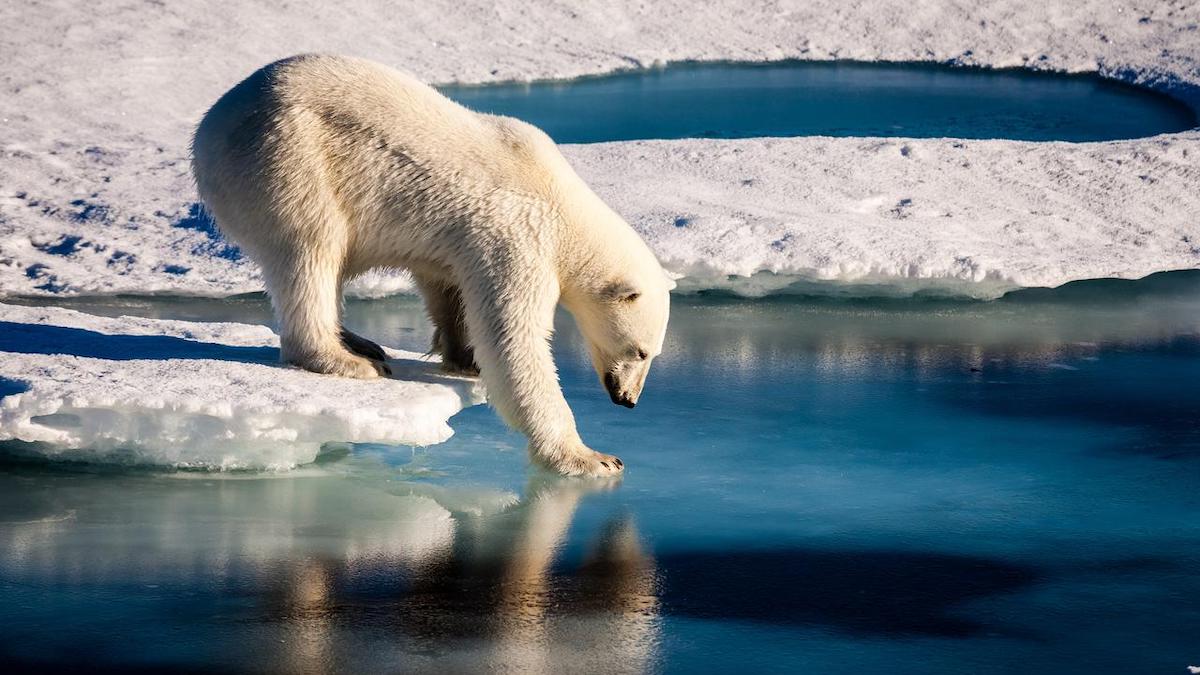
Arctic Report Card Will Move Ahead Without NOAA

The Arctic Report Card, an annual, peer-reviewed evaluation of the state of our warming Arctic, will still be published this year despite a lack of financial or logistical support from NOAA.
On 10 August, editors of the Arctic Report Card were informed that NOAA will no longer support its publication, meaning the agency will not provide the report with coordinating editors, coordinate its external peer review, or fund the report’s web presence, publicity, graphics, or summary video.
Posted inResearch & Developments
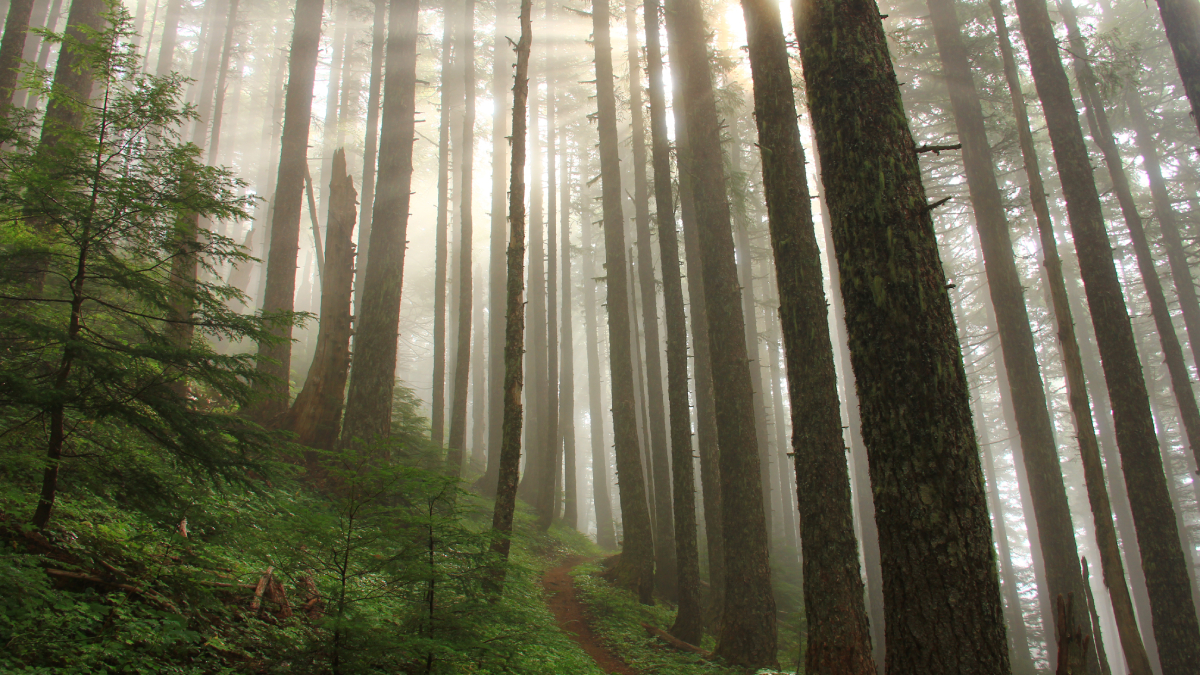
Forest Service to End Protection for 45 Million Acres of Forest

The U.S. Forest Service has moved forward with a rule to withdraw protections from 45 million acres of pristine national forests.
Posted inResearch & Developments
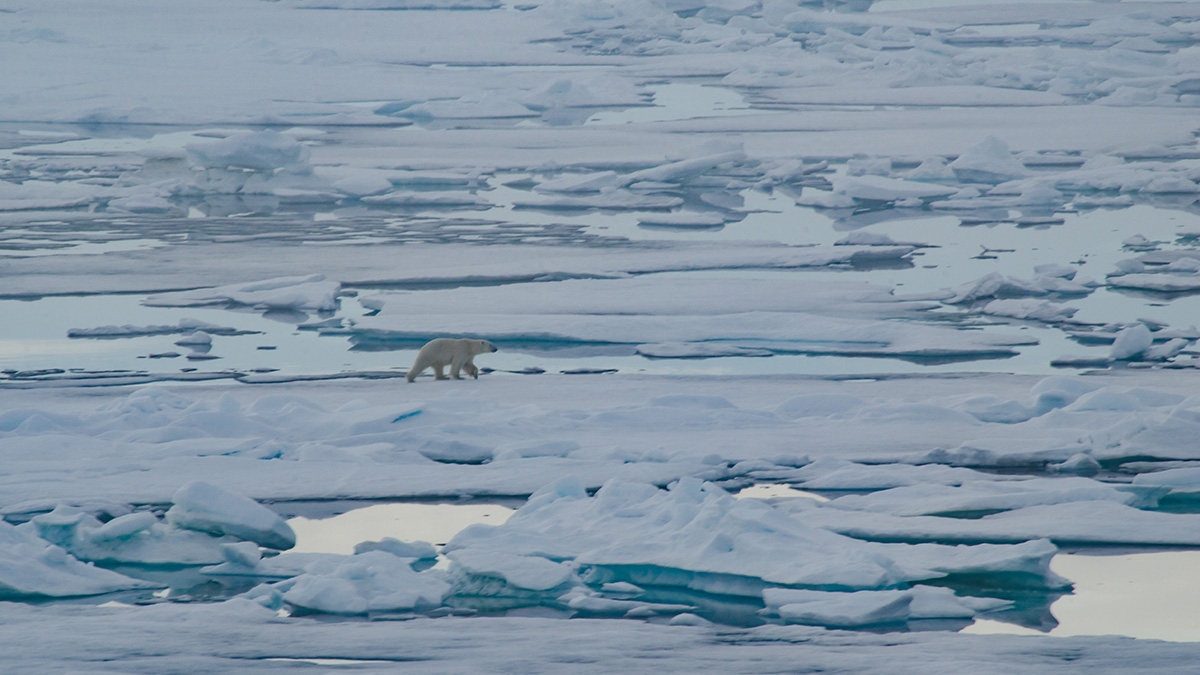
Government Pulls Funding for the Arctic Report Card
The Trump administration is pulling funding from NOAA’s Arctic Report Card, an annual, peer-reviewed report about the state of the region, which is warming more quickly than anywhere else on Earth.

Posted inResearch & Developments
Trump’s Science Adviser Wants to Overhaul “Increasingly Calcified” U.S. Science Enterprise While Science Funding Lags
A report released this week directs the U.S. government to spark a “new golden age” of science by ushering funds toward artificial intelligence, fostering closer relationships with private industry, and dismantling and rebuilding the federal science funding process.
Posted inResearch & Developments
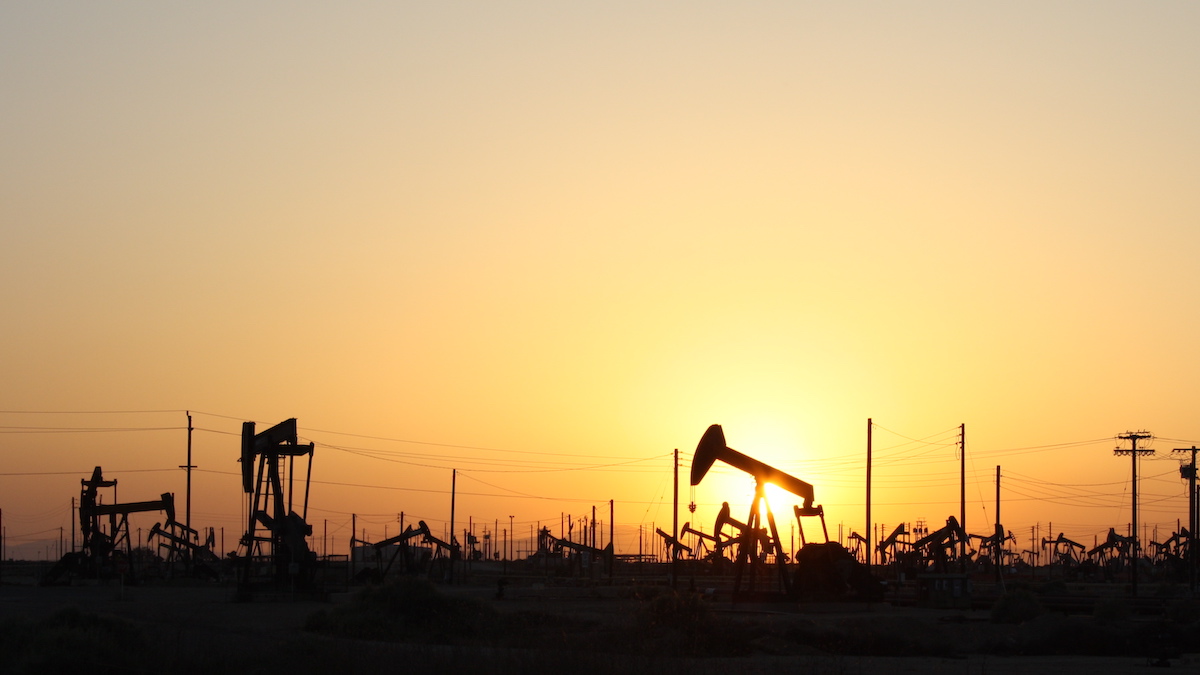
We’re Getting Better at Knowing When Climate Change Is to Blame, National Academies Report Says
Scientists have gotten much better at parsing how severe events are linked to climate change, a long-awaited report from the National Academies of Sciences, Engineering and Medicine has found.
The report was developed by 14 experts (including climatologists, meteorologists, and atmospheric scientists) and updates a 2016 report on the same subject. That report found that climate change was partly responsible for worsening heat waves, cold events, droughts, and heavy precipitation events, but that improvements to attribution science—a branch of climate science that aims to determine the extent to which individual extreme weather events are caused by climate change—were needed.
Posted inNews
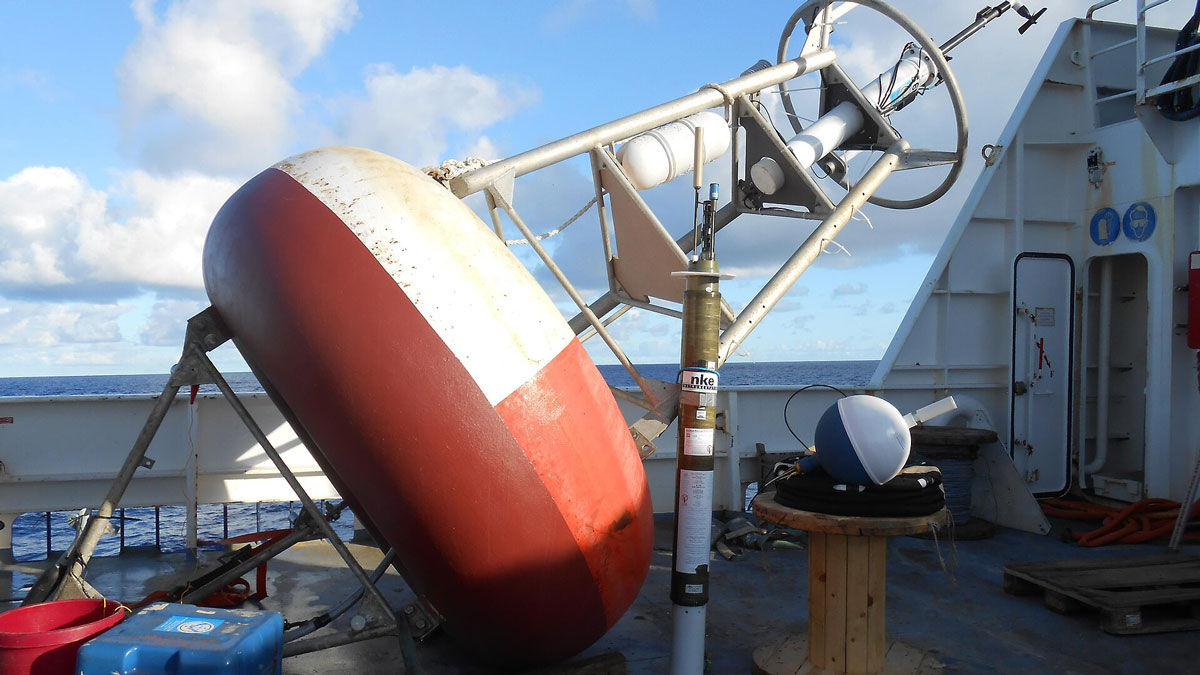
Changes in Funding Could Tank Quality of Ocean Heat Content Data
An uncertain funding landscape threatens the longevity of an ocean observation system critical to projecting tropical storms, sea level rise, and more.
Posted inResearch & Developments
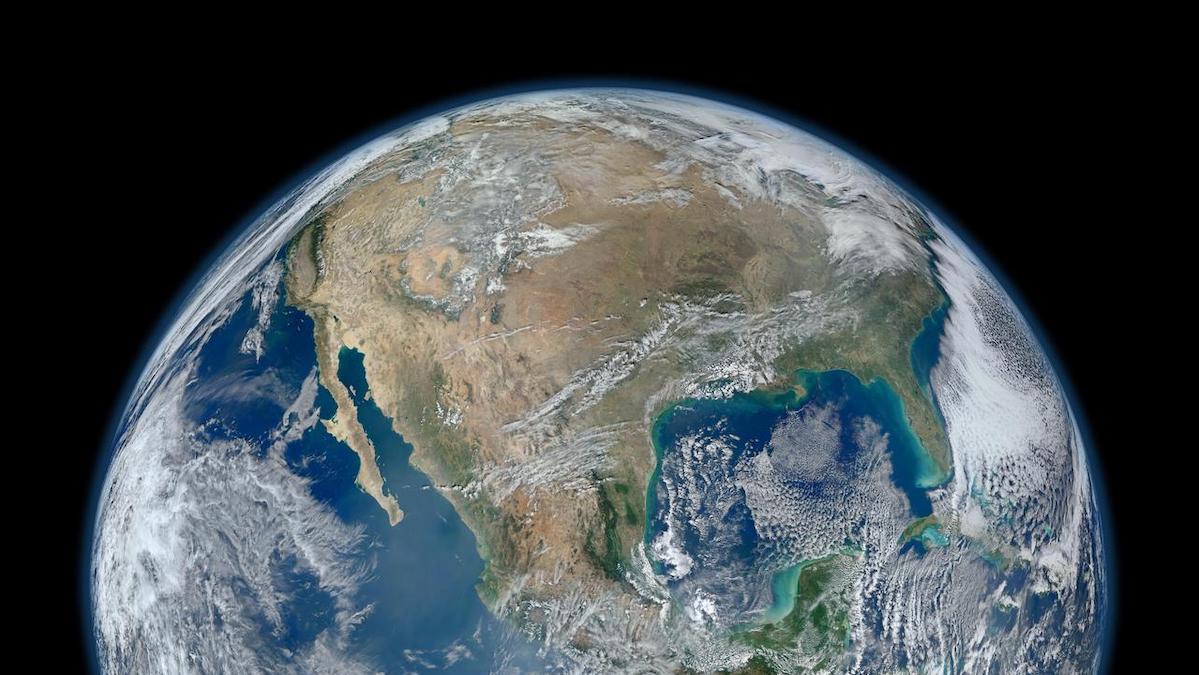
A Climate Skeptic Will Oversee the National Climate Assessment
Since 2000, the U.S. Global Change Research Program (USGCRP) has been responsible for publishing the National Climate Assessment, a congressionally mandated evaluation of the effects of climate change on the United States released every four years. Now, the program—and the assessment—is headed by Matthew Wielicki, an outspoken climate change denier, self-described “Earth science professor-in-exile,” and former University of Alabama geochemist, according to POLITICO.
Posted inNews
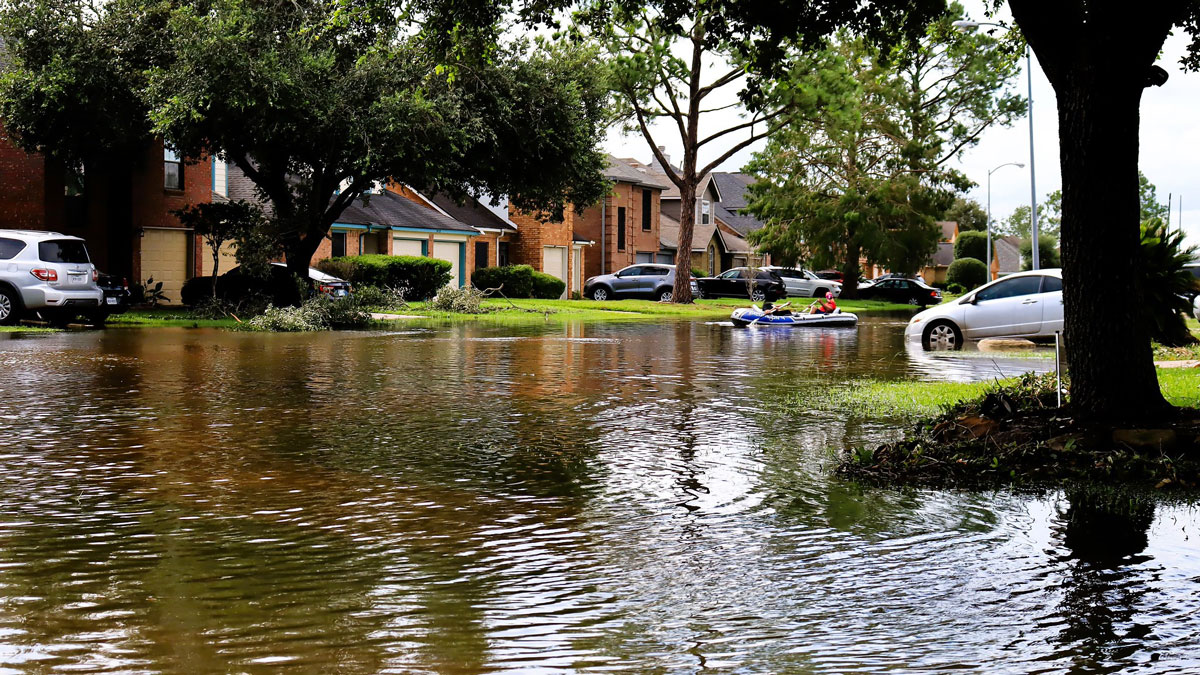
Calculating the Costs of Wetland Loss
Wetlands protect communities and ecosystems from flooding. A new study quantifies their financial importance.
Posted inResearch & Developments
Proposed OMB Rule Change Attracts 340,000+ Public Comments
The OMB is accepting public comments on the proposal until 13 July, and organizations across the country have mobilized to coordinate responses.