• About
  • Special Reports
  • Topics
    • Climate
    • Earth Science
    • Oceans
    • Space & Planets
    • Health & Ecosystems
    • Culture & Policy
    • Education & Careers
    • Opinions
  • Projects
    • Postcards From the Field
    • ENGAGE
    • Editors’ Highlights
    • Editors’ Vox
    • Eos en Español
    • Eos 简体中文版
    • Print Archive: 2015–2025
  • Policy Tracker
  • Blogs
    • Research & Developments
    • The Landslide Blog
  • Newsletter
  • Submit to Eos
  • AGU.org
  • Career Center
  • Join AGU
  • Give to AGU
  • About
  • Special Reports
  • Topics
    • Climate
    • Earth Science
    • Oceans
    • Space & Planets
    • Health & Ecosystems
    • Culture & Policy
    • Education & Careers
    • Opinions
  • Projects
    • Postcards From the Field
    • ENGAGE
    • Editors’ Highlights
    • Editors’ Vox
    • Eos en Español
    • Eos 简体中文版
    • Print Archive: 2015–2025
  • Policy Tracker
  • Blogs
    • Research & Developments
    • The Landslide Blog
  • Newsletter
  • Submit to Eos
Skip to content
  • AGU.org
  • Career Center
  • Join AGU
  • Give to AGU
Eos

Eos

Science News by AGU

Support Eos
Sign Up for Newsletter
  • About
  • Special Reports
  • Topics
    • Climate
    • Earth Science
    • Oceans
    • Space & Planets
    • Health & Ecosystems
    • Culture & Policy
    • Education & Careers
    • Opinions
  • Projects
    • Postcards From the Field
    • ENGAGE
    • Editors’ Highlights
    • Editors’ Vox
    • Eos en Español
    • Eos 简体中文版
    • Print Archive: 2015–2025
  • Policy Tracker
  • Blogs
    • Research & Developments
    • The Landslide Blog
  • Newsletter
  • Submit to Eos

South Africa

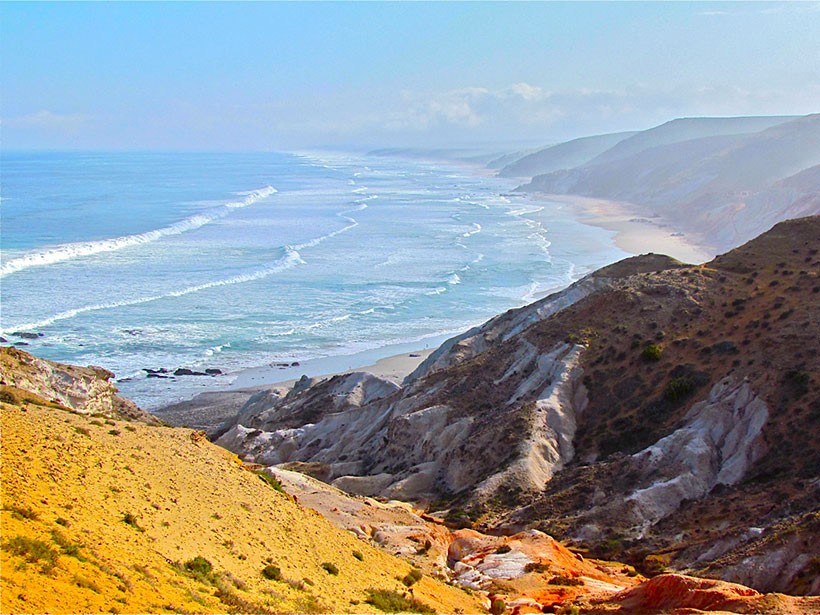
A view along the Atlantic coastline of South Africa showing hillslopes descending to the beach and ocean
Posted inResearch Spotlights

Ancient Sea Levels in South Africa May Offer Modern Analogues

Aaron Sidder, freelance science writer by Aaron Sidder 14 July 202026 January 2023

Largely spared from disruptive tectonic activity, the South African coastline offers a natural setting to study sea levels from when Earth’s atmospheric carbon dioxide last reached today’s levels.

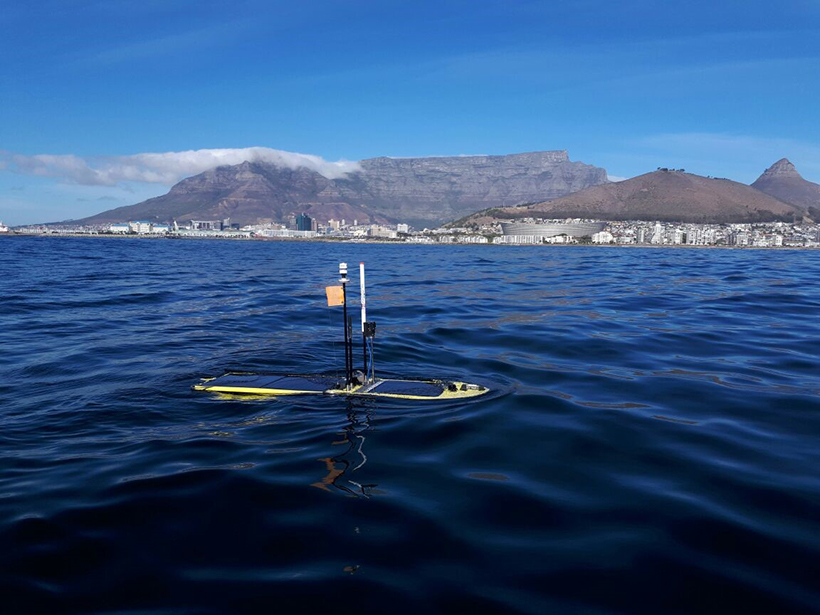
An SV3 surface wave glider being tested off Cape Town, South Africa, prior to its deployment during the GINA project
Posted inScience Updates

Ocean Gliders Ride the Research Wave in the Agulhas Current

by M. Krug, S. Swart and J. Hermes 12 June 201811 January 2022

Off the east coast of South Africa, robotic ocean gliders deployed in the Agulhas Current capture new data that help us better understand how energy dissipates in the ocean.
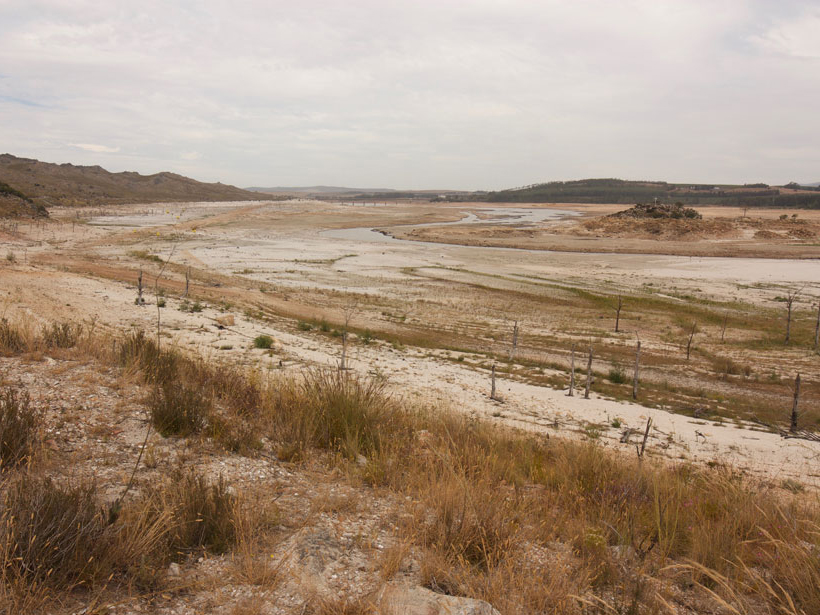
Theewaterskloof dry Dam
Posted inNews

Will Cape Town Escape Its Water-Starved Fate?

Lucas Joel by L. Joel 26 April 201824 February 2023

Despite ramped-up conservation efforts and hopes lifted by a few recent rainstorms, residents of the South African metropolis still face the possibility of a water doomsday.

Posts pagination

Newer posts 1 2 3
Over a dark blue-green square appear the words Special Report: The State of the Science 1 Year On.

Features from AGU Publications

Research Spotlights

Rapid-Scan Satellite Data Offer Clues to Typhoon Intensity

17 November 202617 November 2026
Editors' Highlights

Rethinking Where Rivers Begin

18 November 202616 November 2026
Editors' Vox

Bringing Python Solutions to Earth Science Challenges

19 November 202619 November 2026
Eos logo at left; AGU logo at right

About Eos
ENGAGE
Awards
Contact

Advertise
Submit
Career Center
Sitemap

© 2026 American Geophysical Union. All rights reserved Powered by Newspack