

AGU Chapman Conference on Magnetospheric Dynamics; Fairbanks, Alaska, 27 September to 2 October 2015
Space & Planets

Posted inNews
Space Telescope Findings Suggest Molten Planetary Surface

Researchers studying the super-Earth 55 Cancri e spotted some puzzling features that provide a new vision of the orb's surface.
Posted inEditors' Vox
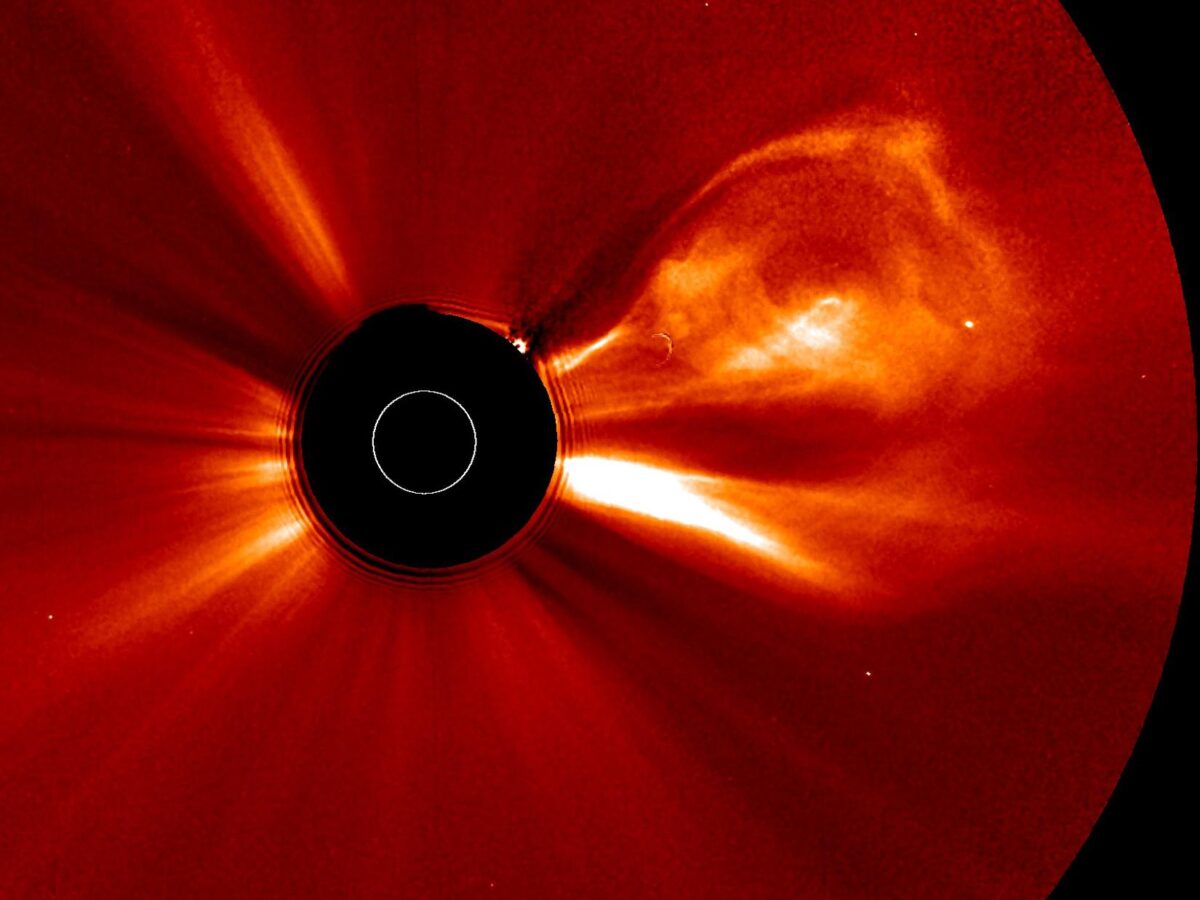
Toward an Understanding of Earth-Affecting Solar Eruptions
Coronal mass ejection forecasting improves with technological developments and increasing availability of data.
Posted inScience Updates
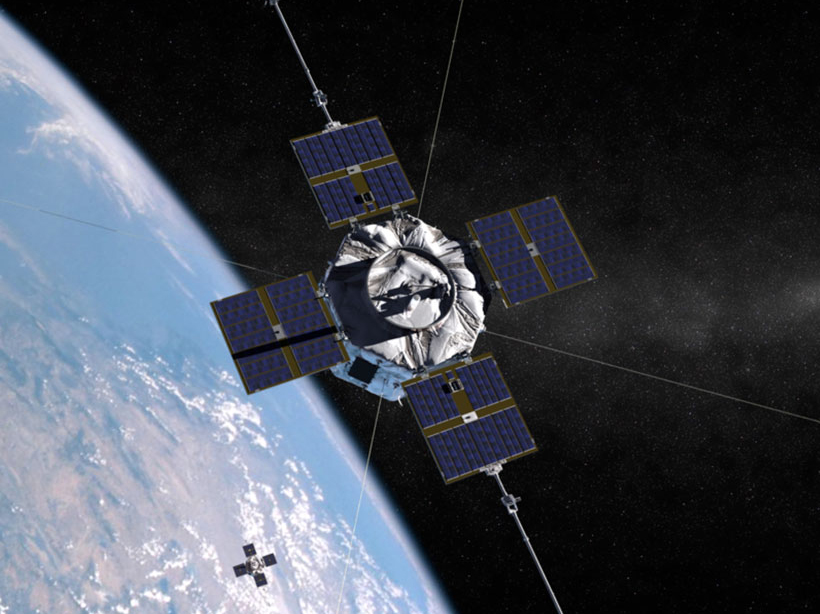
Radiation Belt Processes in a Declining Solar Cycle
The Van Allen Probes began an extended mission in November to advance understanding of Earth's radiation belts.

Posted inScience Updates
Great Mysteries of the Earth's Magnetotail
Workshop on Magnetotail Reconnection Onset and Dipolarization Fronts; Laurel, Maryland, 16–18 September 2015
Posted inScience Updates
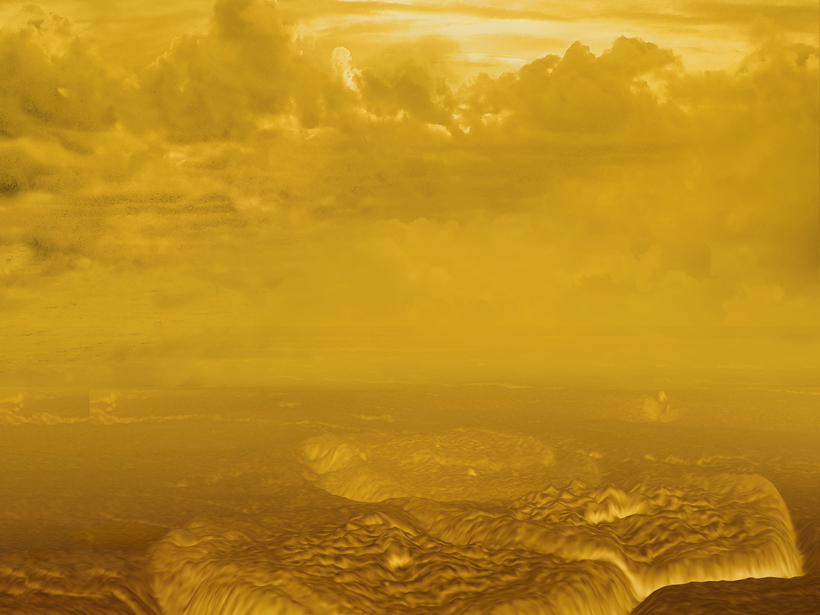
Comparing Planetary Climates to Investigate Climate Systems
Comparative Climates of Terrestrial Planets II (CCTP2 ): Understanding How Climate Systems Work; Moffett Field, California, 8–11 September 2015
Posted inResearch Spotlights
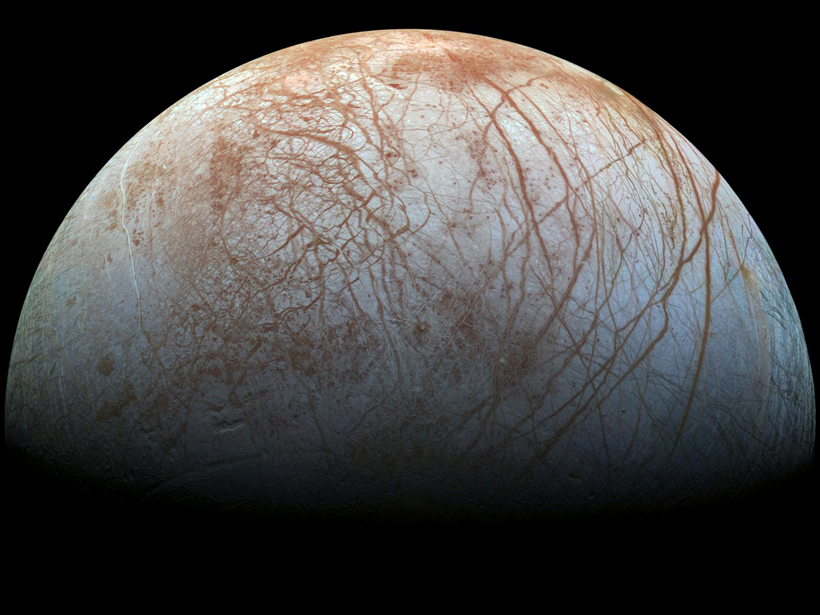
Hubble Gazes at Europa's Aurora
Scientists get their best glimpse yet of the shimmering phenomena on one of Jupiter's most intriguing moons.

Posted inResearch Spotlights
Demystifying Mercury "Hollows"

Spectral data from NASA's MESSENGER spacecraft indicate that the properties of the depressions on Mercury's surface can vary within a single crater and that these differences may correlate to age.

Posted inResearch Spotlights
Gamma Ray Bursts Leave Their Mark in the Low Ionosphere

Scientists use very low and low-frequency radio signals to detect short gamma ray bursts and their impact on the low ionosphere.

Posted inScience Updates
Planetary Caves' Role in Astronaut Bases and the Search for Life
2nd International Planetary Caves Conference; Flagstaff, Arizona, 20–23 October 2015