
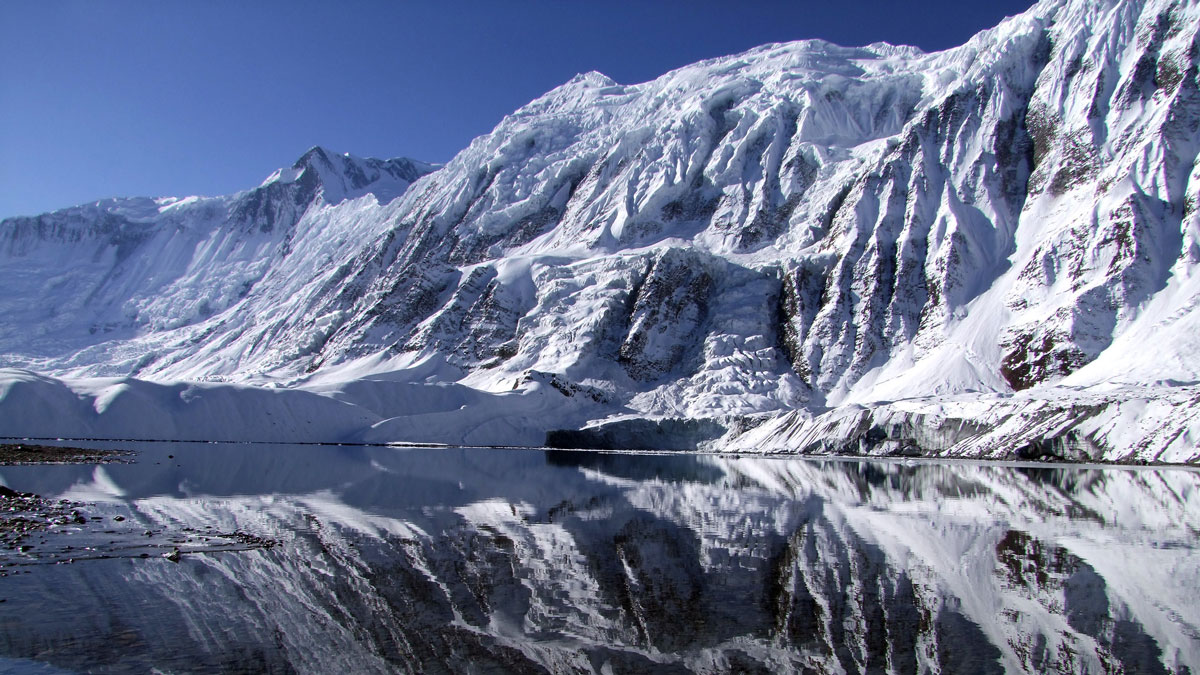
Plastic pollution may ripple downstream, threatening the human and wildlife communities that depend on glacier-fed waters.
travel & tourism
Posted inScience Updates
Tracking Microplastics Above and Below the Waves
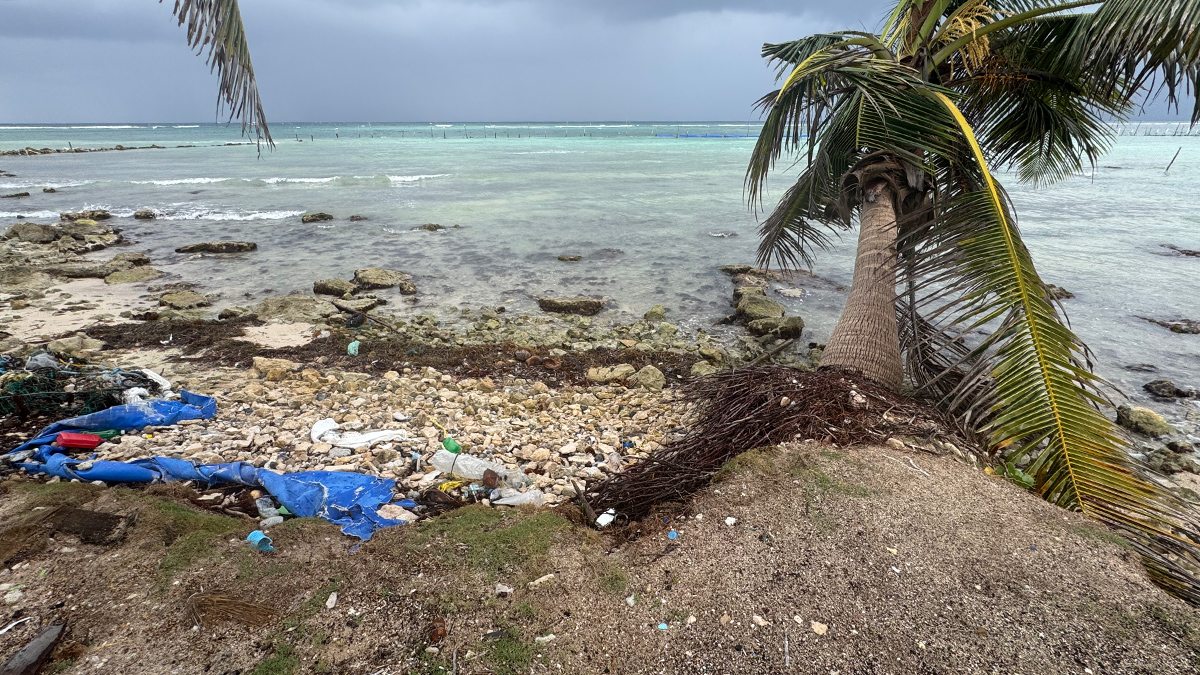
Measuring plastic particles carried on Cozumel’s sea breezes and ocean currents reveals how simple physics shapes the particles’ pathways and the impacts they may have on coastal regions.
Posted inNews
Tracing the Eruption History of a Volcano in a Tourist Hot Spot

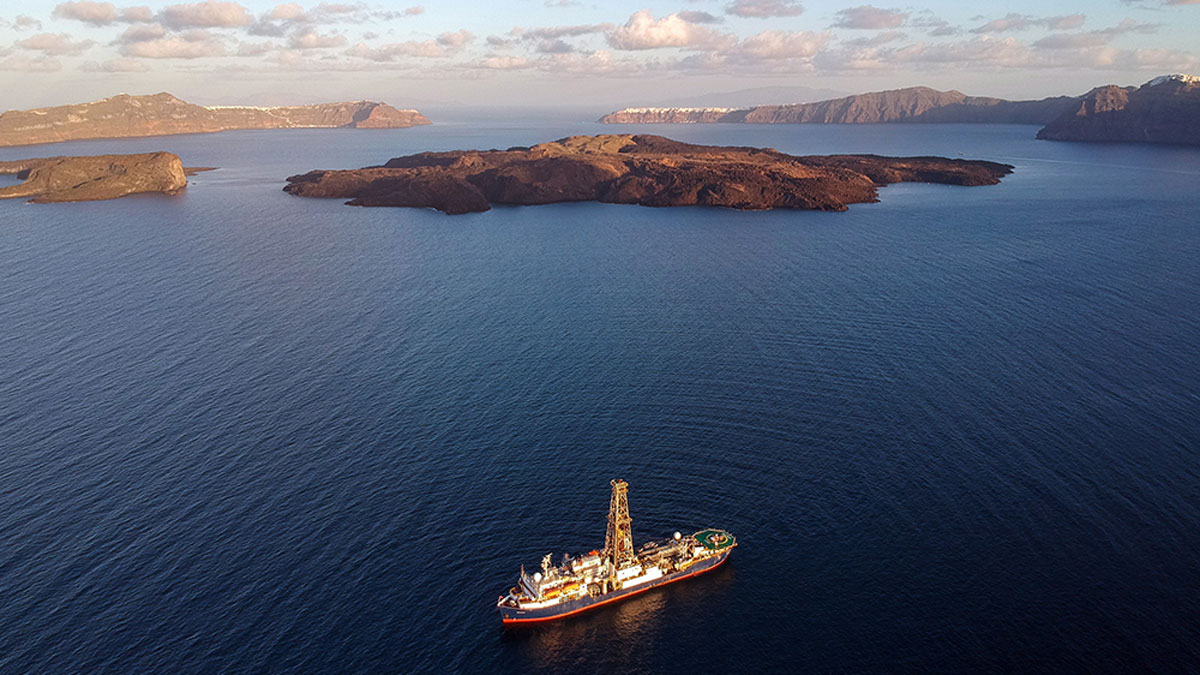
Sediment cores extracted from deep under the Aegean Sea reveal the timing of explosive eruptions of Kolumbo Volcano and a potential link to neighboring Santorini.
Posted inFeatures
Salt of the Earth: Vast Underground Salt Caverns Are Preserving Our History—and Just Might Power Our Future

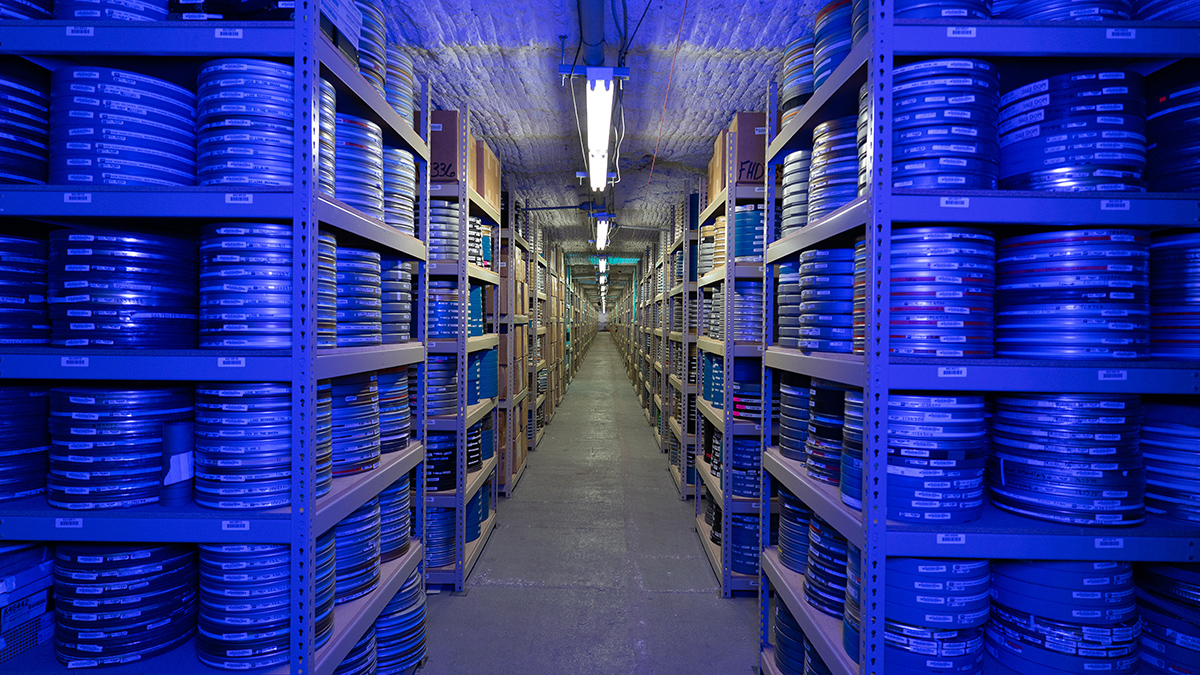
From health spas to film storage, salt mine caverns have been put to use in surprising ways—and they’re now poised to contribute to the generation and storage of clean energy.
Posted inNews
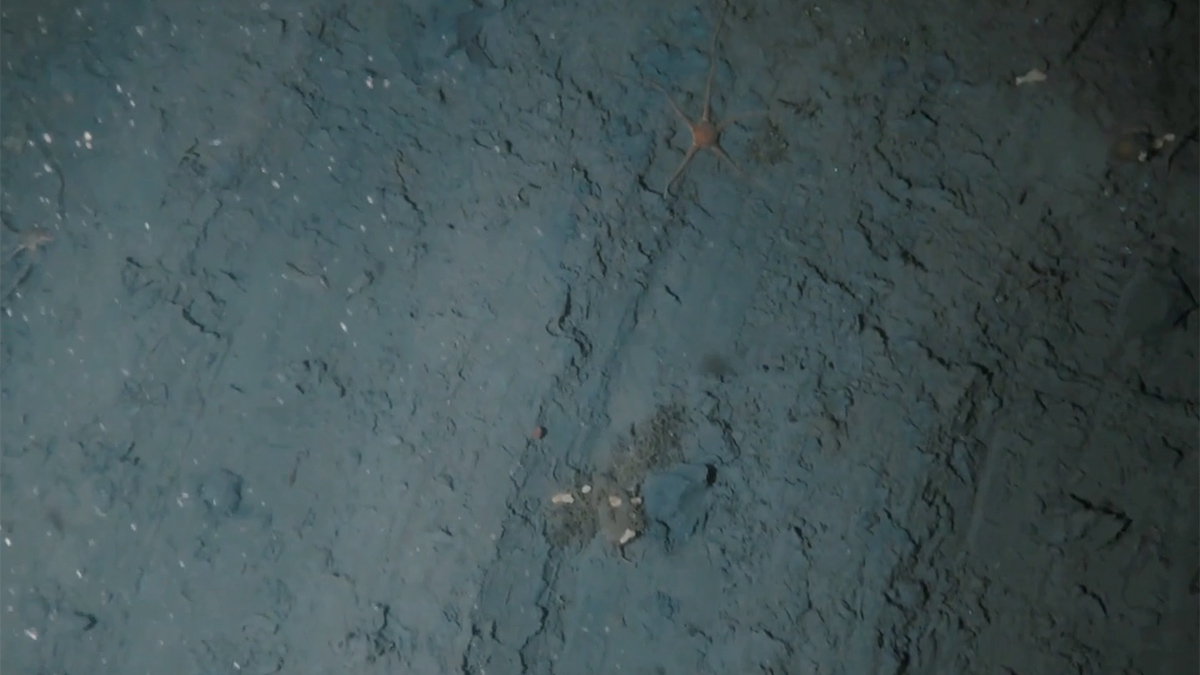
Anchoring Is Damaging the Fragile Antarctic Seabed
Scientists call for better protection of Antarctica’s vulnerable seafloor ecosystem as ship traffic increases around the continent.
Posted inFeatures
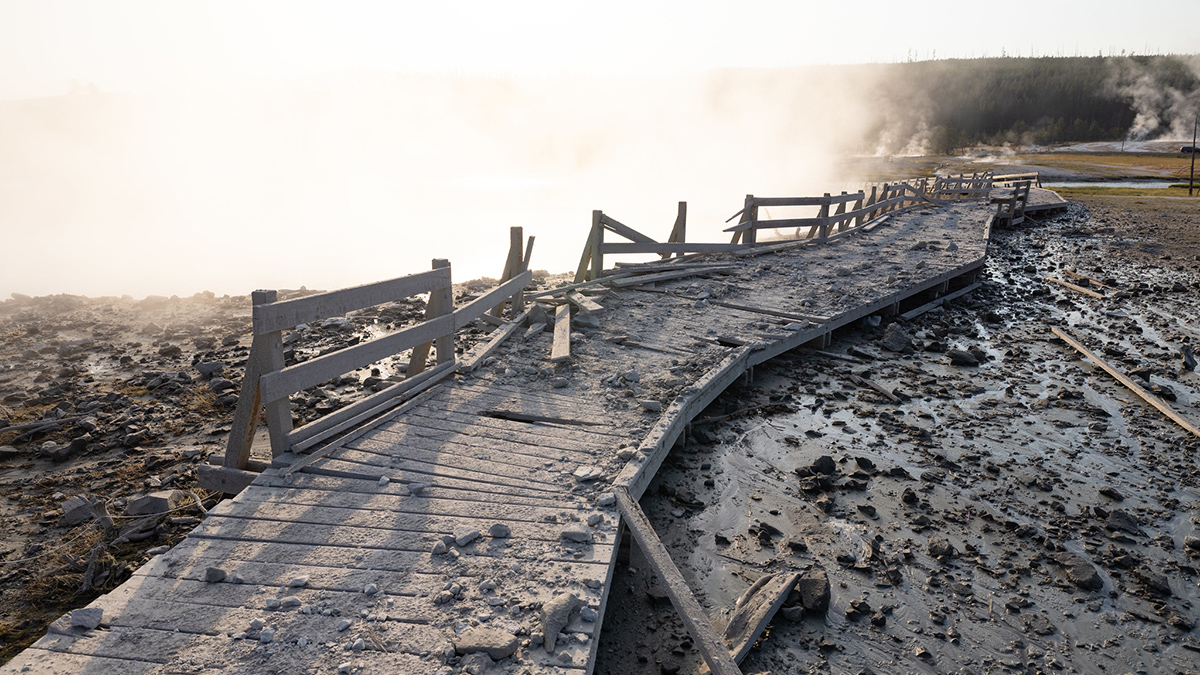
Hydrothermal Hazards on Display in Yellowstone National Park
Tourists and officials were startled by a hydrothermal explosion at Black Diamond Pool in July 2024. Geoscientists are working out how and why it occurred to better understand these hazardous events.
Posted inResearch & Developments
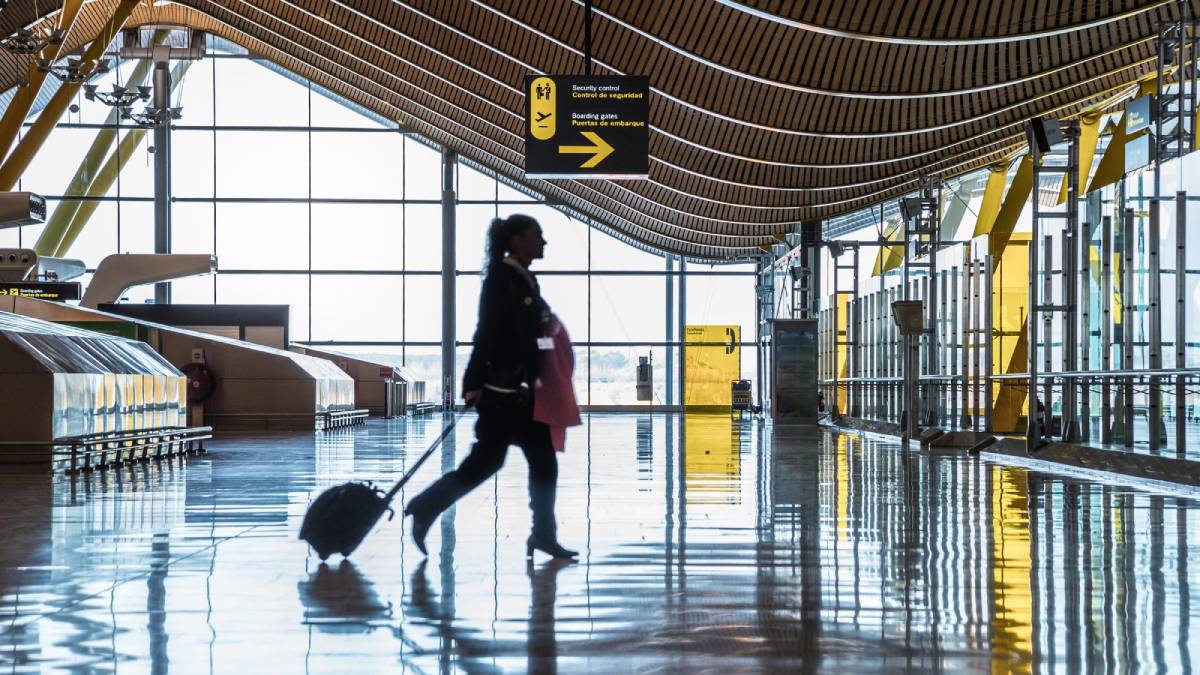
French Scientist, En Route to Conference, Denied U.S. Entry for Trump-Critical Messages

On 9 March, a French researcher traveling to a science conference near Houston, Texas, was denied entry to the United States and expelled back to France.
Posted inENGAGE, News
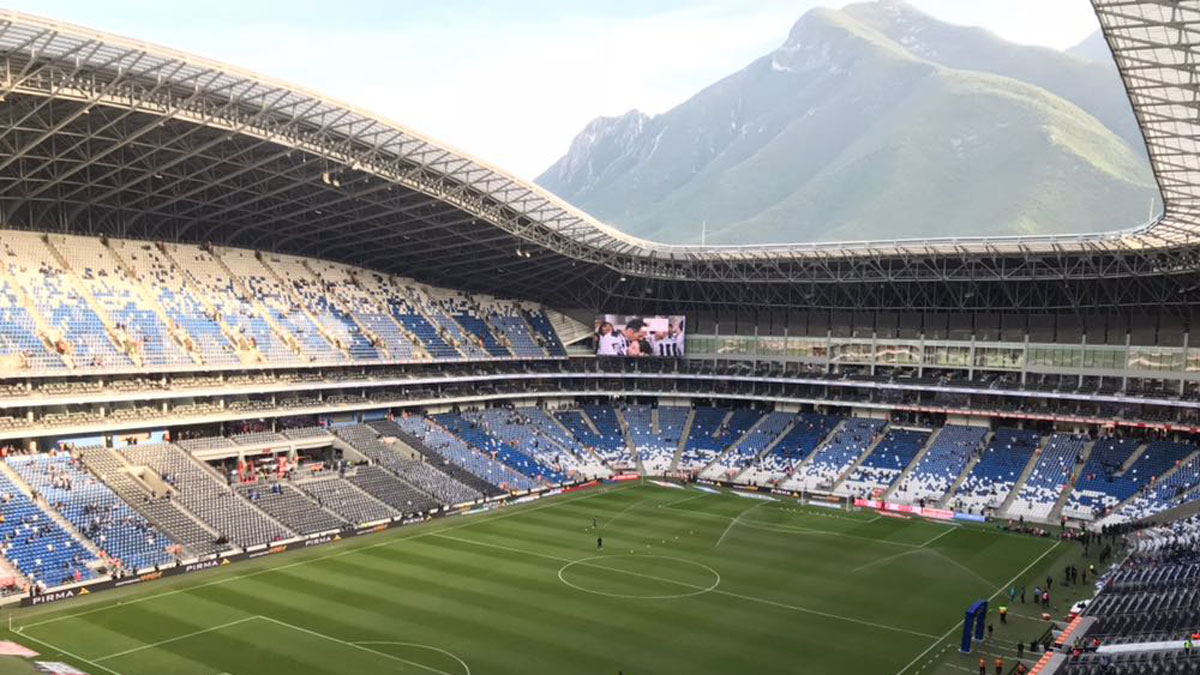
Soccer Players Risk Heat Stress in World Cup Stadiums
Rapidly traveling between climate zones, all with different average temperatures, humidities, and oxygen levels, will place additional stress on players, staff, and spectators.

Posted inNews
People Are Grieving Ecosystem Loss. How Can Public Land Managers Plan Accordingly?

From hordes rushing into national parks to mourners holding glacier funerals, tourists wanting to take in threatened natural places may be shifting visitation patterns.

Posted inNews
Explore Washington, D.C.’s Science Scene
Earth and space science hot spots are sprinkled throughout the D.C. metro region.