
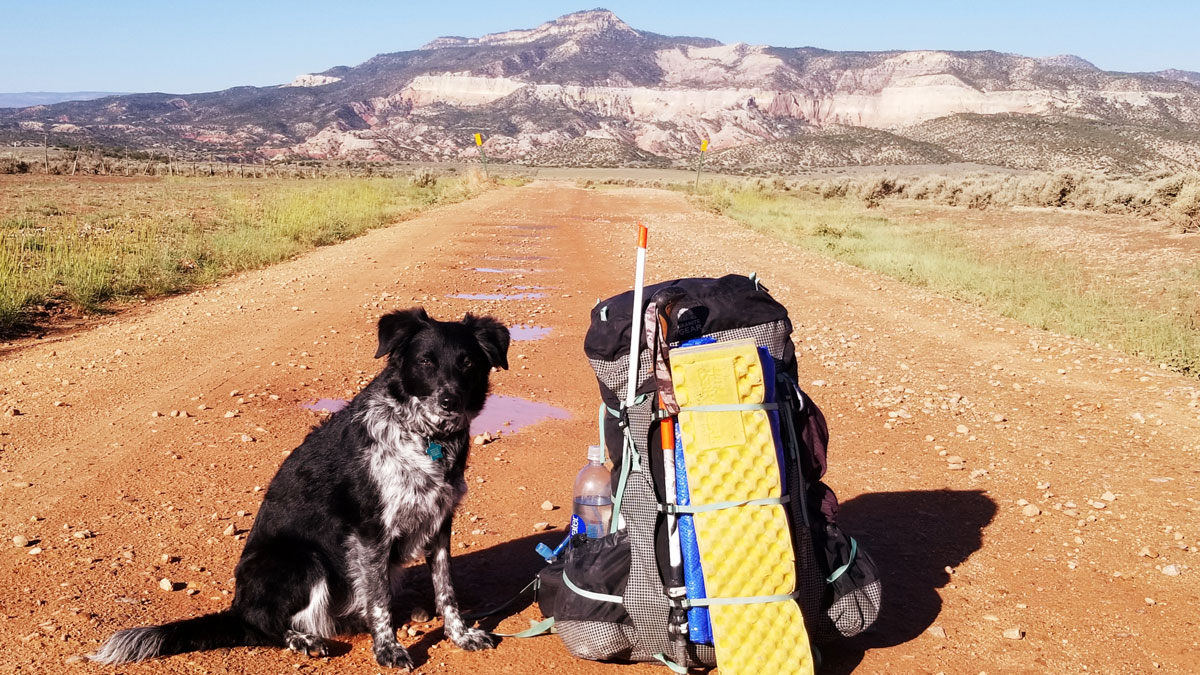

Living in Geologic Time: The making, breaking, and backpacking of North America’s Continental Divide.
United States

Posted inNews
After a Hurricane, Coastal Systems Draw a Line in the Sand
A new study finds nature can’t have it both ways: On the basis of thousands of case studies from dozens of hurricanes, there’s always a trade-off between resistance and resilience.
Posted inNews
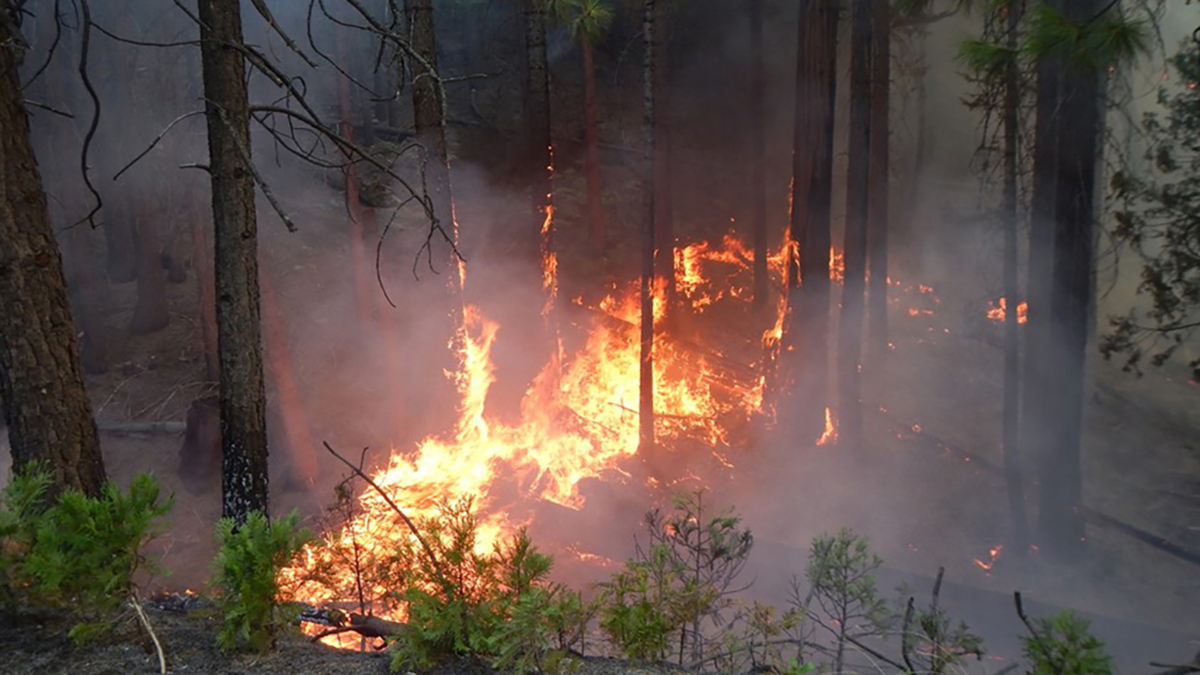
U.S. Fires Quadrupled in Size, Tripled in Frequency in 20 Years

Changes including intensifying drought, expansion into burnable land, and an increase in human-caused ignitions have led to a shift in fire patterns.
Posted inNews
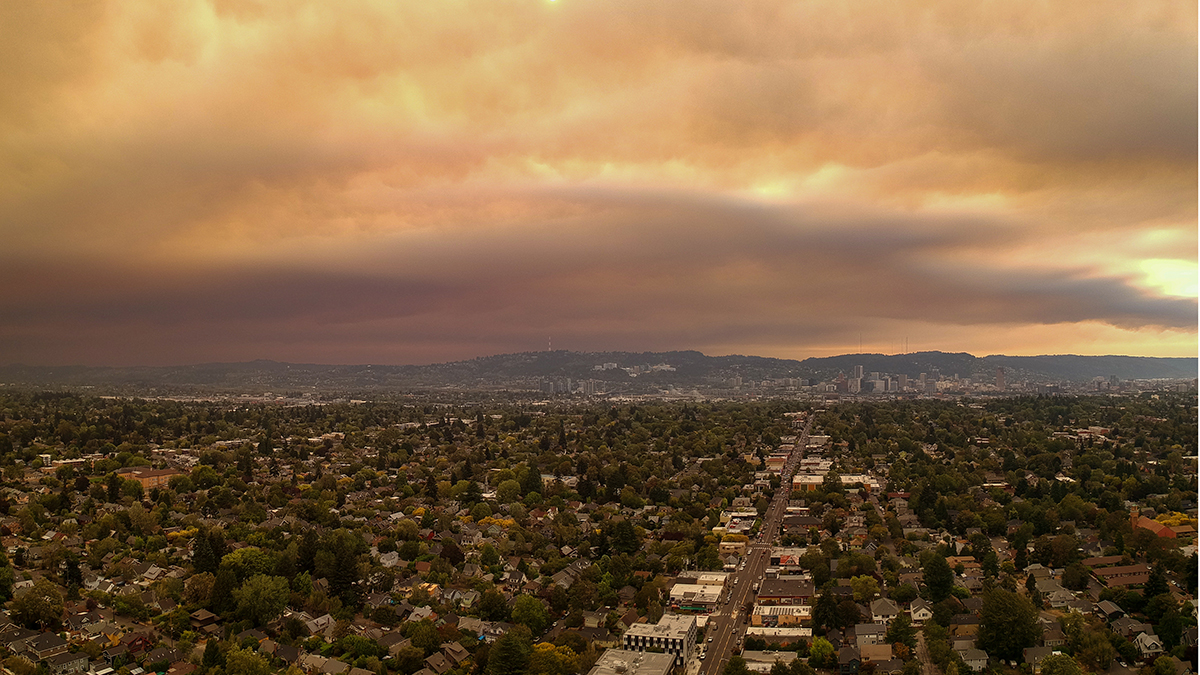
Unhealthy Air Could Become Routine in the Pacific Northwest

If the world stays on fossil fuels, fine particle pollution from wildfire smoke could more than double in the late summer to early fall in the U.S. Pacific Northwest by 2100.
Posted inNews
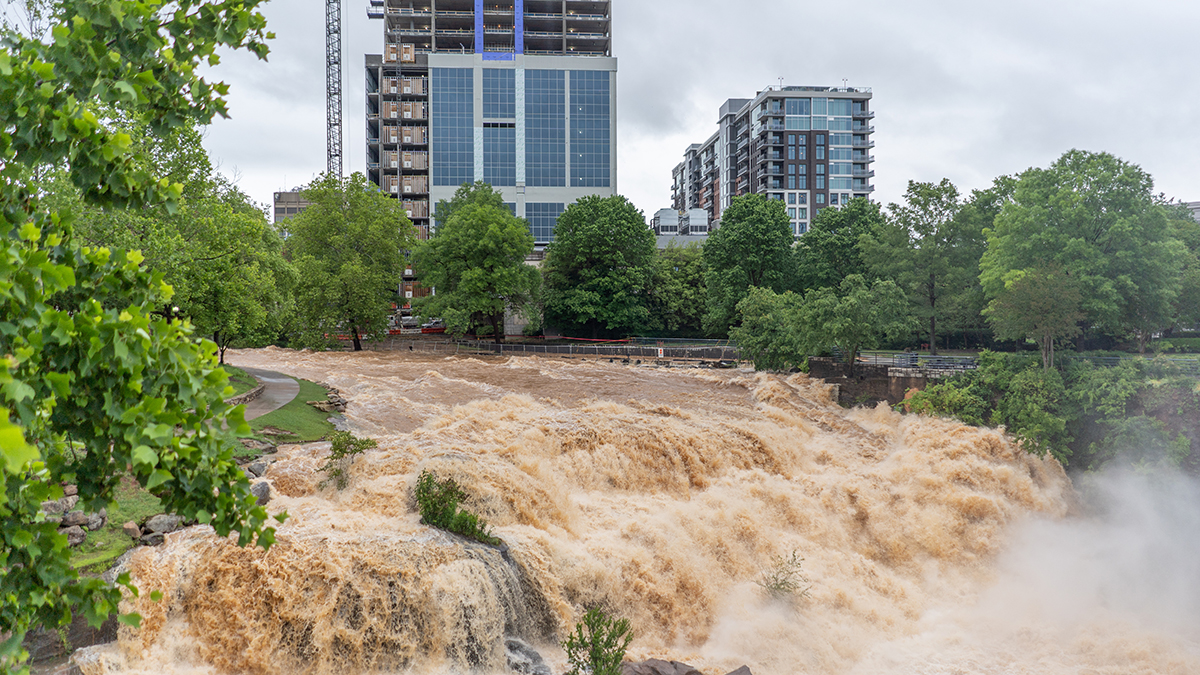
U.S. Businesses May Be Required to Report Emissions, Climate Risk
The proposed rules seek to give investors more complete and standardized climate risk information. The move would bring U.S. policy closer to international standards.

Posted inNews
Hazards Scientist David Applegate Nominated for USGS Director
If confirmed, Applegate would fill a yearlong vacancy at the head of the agency.
Posted inNews
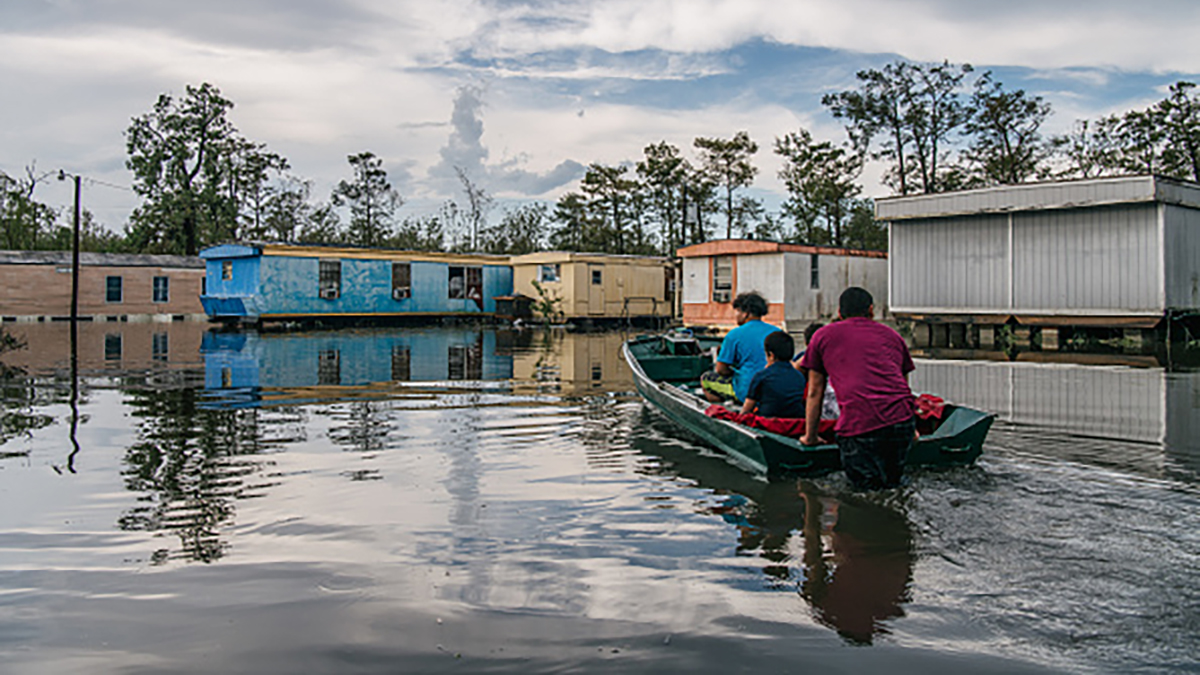
Black Neighborhoods Will Bear Future Flood Burden
Climate change, shifting populations, and infrastructure development in risky areas compound future flood loss risk.

Posted inResearch Spotlights
A Simple Model Predicts Household Lead Exposure Risk
Using both sample data and crowdsourced science, a new model effectively identified houses at risk for higher concentrations of lead.

Posted inNews
Forest Fires Could Boost Western U.S. Water Supplies
Streamflow in the West has been below average since the early 2000s, but a new analysis shows that streams aren’t as dry as expected.

Posted inNews
Atmospheric Rivers Spur High-Tide Floods on U.S. West Coast
Researchers analyzed 36 years of data to understand how atmospheric rivers and other factors drive chronic coastal flooding.