• About
  • Special Reports
  • Topics
    • Climate
    • Earth Science
    • Oceans
    • Space & Planets
    • Health & Ecosystems
    • Culture & Policy
    • Education & Careers
    • Opinions
  • Projects
    • Postcards From the Field
    • ENGAGE
    • Editors’ Highlights
    • Editors’ Vox
    • Eos en Español
    • Eos 简体中文版
    • Print Archive: 2015–2025
  • Policy Tracker
  • Blogs
    • Research & Developments
    • The Landslide Blog
  • Newsletter
  • Submit to Eos
  • AGU.org
  • Career Center
  • Join AGU
  • Give to AGU
  • About
  • Special Reports
  • Topics
    • Climate
    • Earth Science
    • Oceans
    • Space & Planets
    • Health & Ecosystems
    • Culture & Policy
    • Education & Careers
    • Opinions
  • Projects
    • Postcards From the Field
    • ENGAGE
    • Editors’ Highlights
    • Editors’ Vox
    • Eos en Español
    • Eos 简体中文版
    • Print Archive: 2015–2025
  • Policy Tracker
  • Blogs
    • Research & Developments
    • The Landslide Blog
  • Newsletter
  • Submit to Eos
Skip to content
  • AGU.org
  • Career Center
  • Join AGU
  • Give to AGU
Eos

Eos

Science News by AGU

Support Eos
Sign Up for Newsletter
  • About
  • Special Reports
  • Topics
    • Climate
    • Earth Science
    • Oceans
    • Space & Planets
    • Health & Ecosystems
    • Culture & Policy
    • Education & Careers
    • Opinions
  • Projects
    • Postcards From the Field
    • ENGAGE
    • Editors’ Highlights
    • Editors’ Vox
    • Eos en Español
    • Eos 简体中文版
    • Print Archive: 2015–2025
  • Policy Tracker
  • Blogs
    • Research & Developments
    • The Landslide Blog
  • Newsletter
  • Submit to Eos

aquifers

A plume water spouts high into the air from a well drilled in arid-looking ground beside water trucks and drilling equipment emblazoned with “UN.”
Posted inOpinions

Deep Groundwater Might Be a Sustainable Solution to the Water Crisis

by Claudia Bertoni, Fridtjov Ruden, Elizabeth Quiroga Jordan and Helene Ruden 27 February 202526 February 2026

Scientists are finding fresh groundwater buried deep underground, but questions remain about the scale of these resources, how they’re resupplied, and whether they can be used sustainably.

Two people install a permeable reactive barrier next to open water.
Posted inNews

Reactive Barriers Could Keep Nitrate out of the Atlantic

by Alix Soliman 15 July 202415 July 2024

Microbes in mulch scrub nitrate from groundwater before it flows to the sea.

Monitoring equipment sits atop a well.
Posted inNews

Groundwater Levels Are Dropping Around the World

by Katherine Bourzac 14 February 202414 February 2024

Well data from around the world show declines driven by water use and climate change.
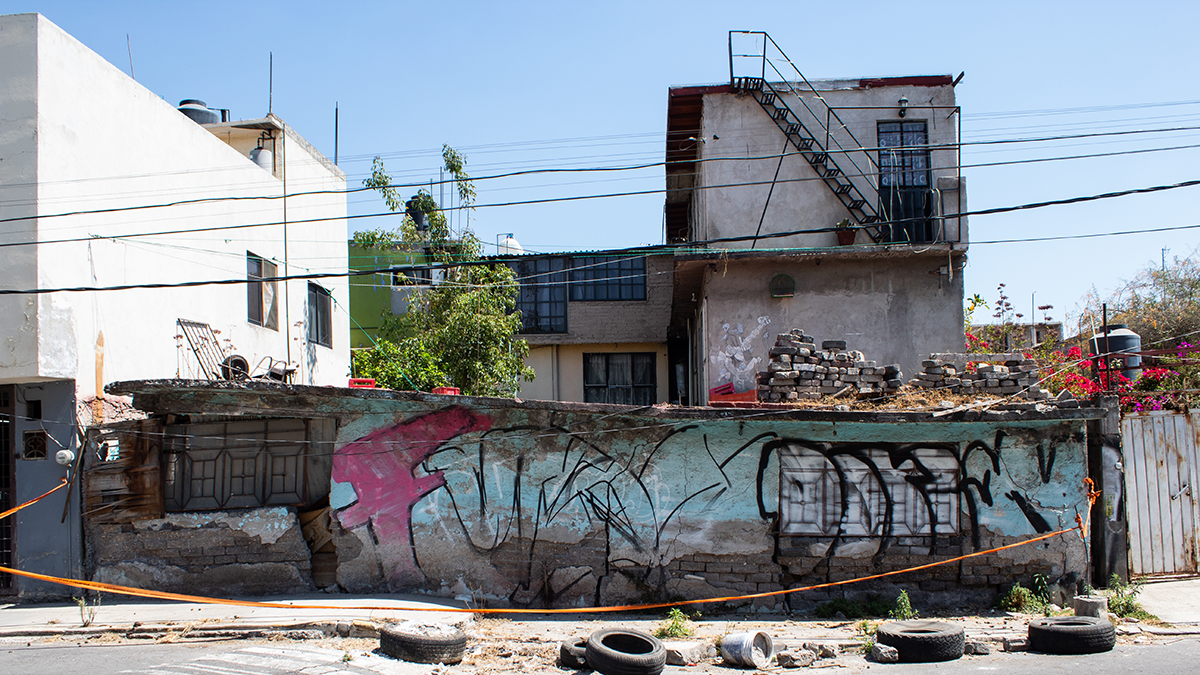
Foto de una casa que es más baja por un lado que por otro. La casa está cubierta de graffitis.
Posted inNews

La extracción de agua subterránea está causando el hundimiento de la CDMX

by Humberto Basilio 12 December 202314 December 2023

Investigadores aseguran que saber cuánta agua está siendo extraída es crucial para resolver la crisis de infraestructura y de abastecimiento de agua en la capital.
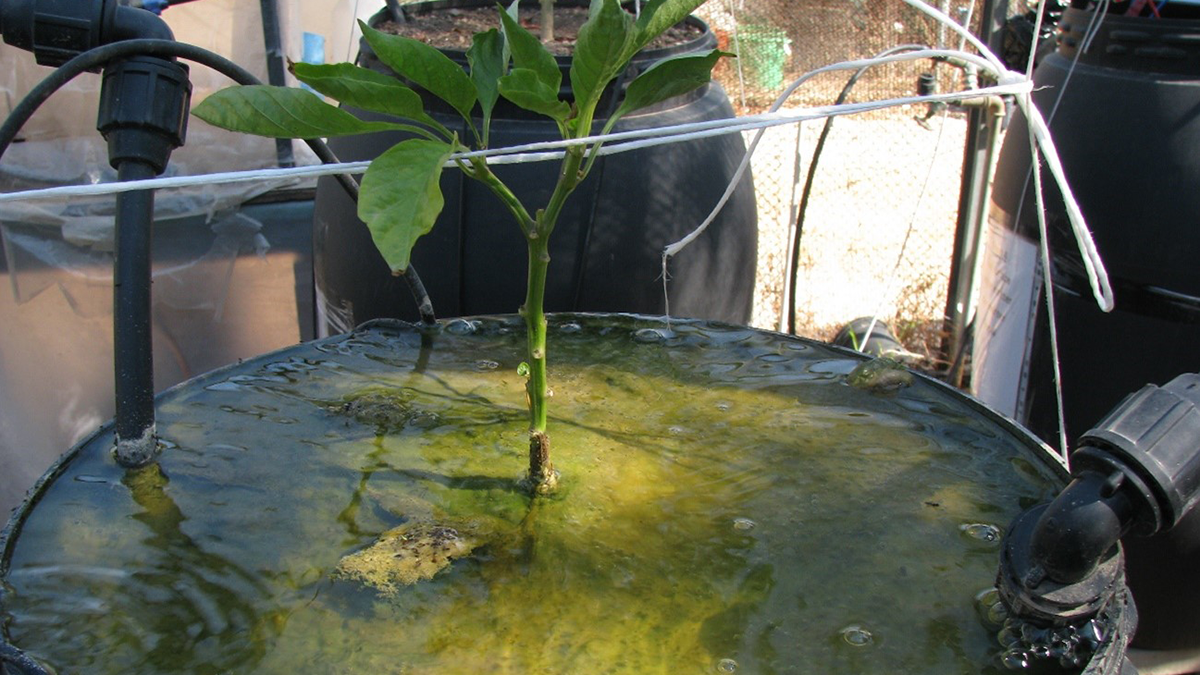
Photo of a bell pepper plant experiment
Posted inEditors' Vox

Air Flow Dynamics in Wet Soils: Challenges and Knowledge Gaps

by Ilan Ben-Noah 6 July 20235 July 2023

Modeling air flow in wet porous media relies on quantifying the combined role of fluid and media properties and flow dynamics on the microscale displacement mechanisms and macroscale unstable flow.

Photo of a house that is lower on one side than another. The house is covered in graffiti.
Posted inNews

Groundwater Pumping Is Causing Mexico City to Sink

by Humberto Basilio 5 May 202312 December 2023

Researchers say knowing how much water is being extracted is crucial for addressing infrastructure and water supply crises in the capital.
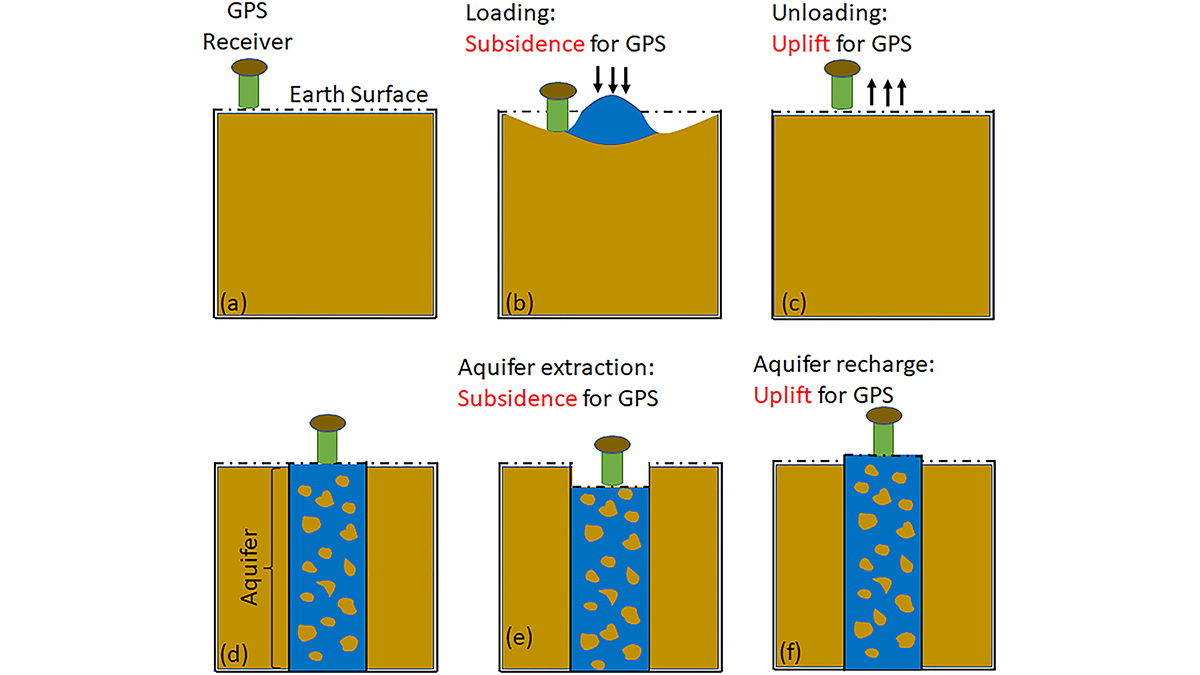
Diagrams showing the two effects of water storage change can be sensed by GPS.
Posted inEditors' Highlights

GPS Observations Sense Groundwater Change in Australia

by Annette Eicker 20 April 202319 April 2023

By exploiting the fact that changes in groundwater cause deformations of the Earth’s surface, GPS receivers are used to detect groundwater changes related to extreme events and to seasonal oscillations.
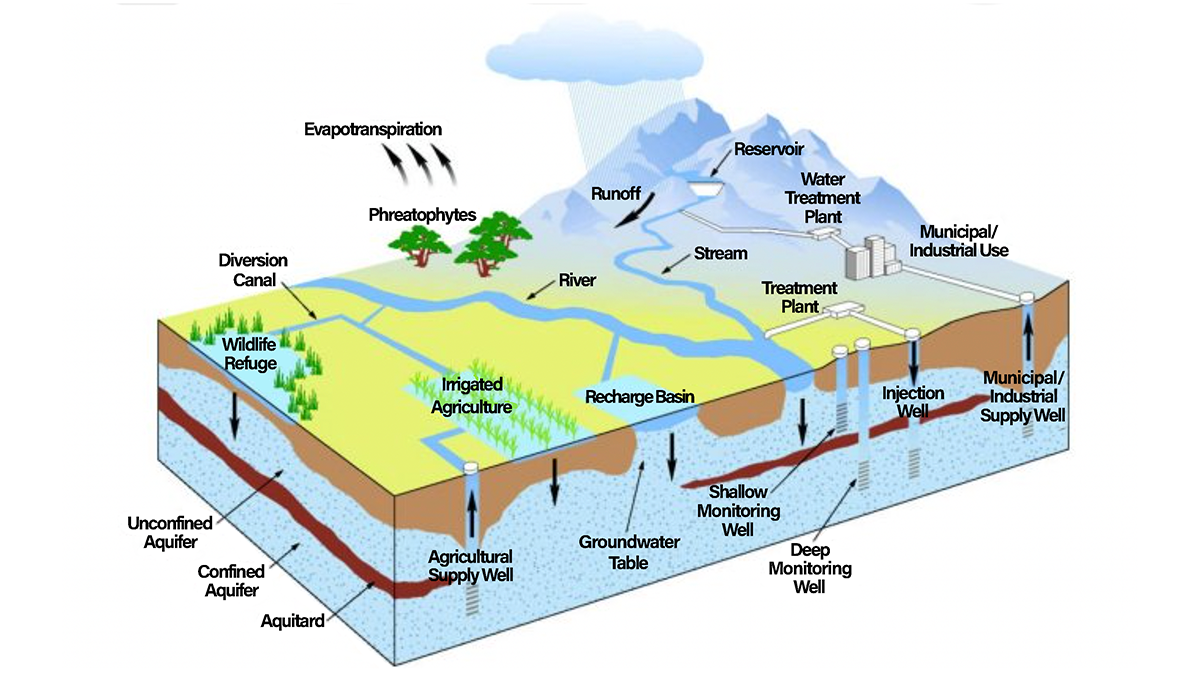
An illustrated scientific diagram shows how groundwater interacts with the rest of the water cycle.
Posted inResearch Spotlights

El agua subterránea se repone mucho más rápido de lo que pensaban los científicos

Rachel Fritts, Science Writer by Rachel Fritts 30 January 202330 January 2023

Un nuevo modelo basado en el clima indica que los científicos podrían haber subestimado la importancia del agua subterránea para mantener los ríos y la vida vegetal.

An illustrated scientific diagram shows how groundwater interacts with the rest of the water cycle.
Posted inResearch Spotlights

Groundwater Replenishes Much Faster Than Scientists Previously Thought

Rachel Fritts, Science Writer by Rachel Fritts 20 December 202220 December 2022

A new climate-based model indicates that scientists may be underestimating groundwater’s importance in sustaining streams and plant life.
Diagrams from the paper showing monitoring locations.
Posted inEditors' Highlights

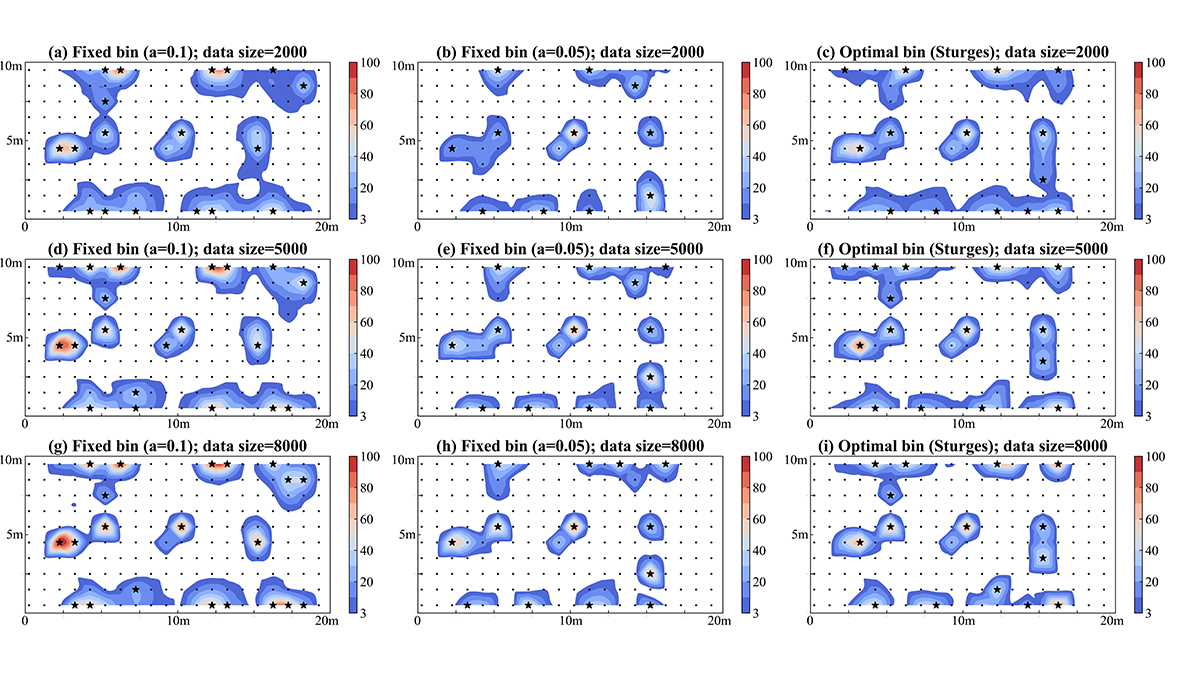
Using Big Data for Monitoring Network Design and Beyond

by Stefan Kollet 5 December 202229 November 2022

Large data sets can be generated using deep learning to improve the design of observation networks for monitoring subsurface flow and transport.

Posts pagination

Newer posts 1 2 3 4 … 6 Older posts
Over a dark blue-green square appear the words Special Report: The State of the Science 1 Year On.

Features from AGU Publications

Research Spotlights

What Makes Mars’s Magnetotail Flap?

20 April 202620 April 2026
Editors' Highlights

How Space Plasma Can Bend the Laser of Gravitational Wave Detectors

24 April 202623 April 2026
Editors' Vox

Hydrothermal Heat Flow as a Window into Subsurface Arc Magmas

28 April 202628 April 2026
Eos logo at left; AGU logo at right

About Eos
ENGAGE
Awards
Contact

Advertise
Submit
Career Center
Sitemap

© 2026 American Geophysical Union. All rights reserved Powered by Newspack