
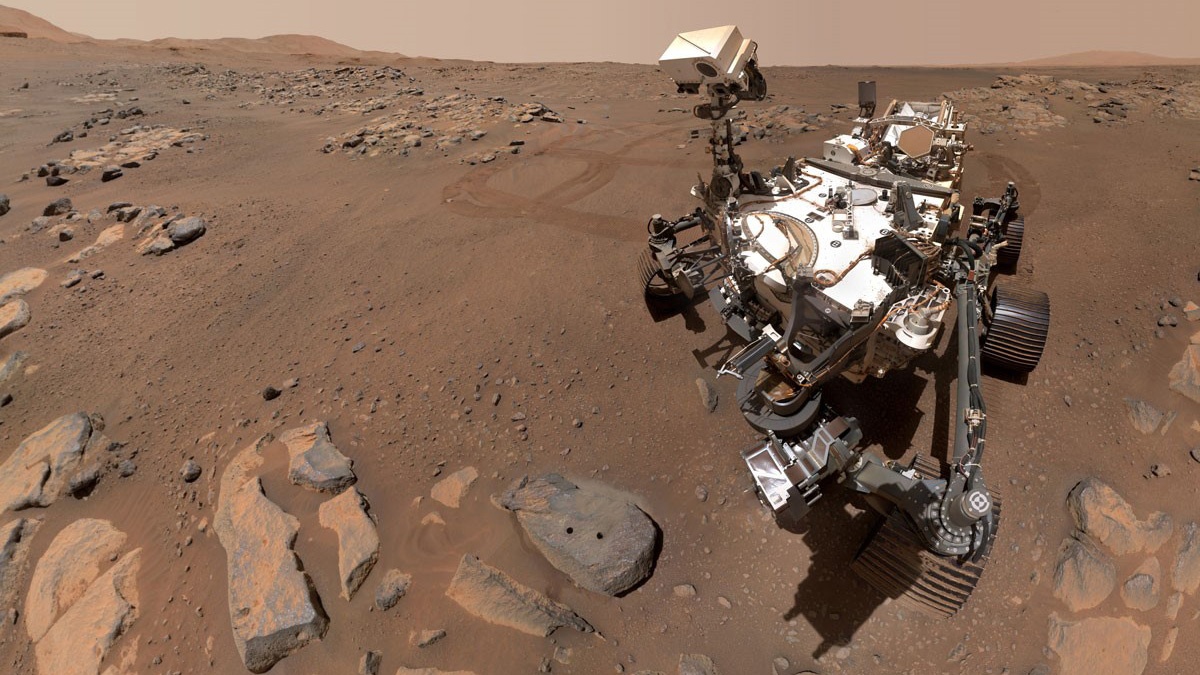

The core tubes being collected by the Perseverance rover won’t arrive for years, but NASA and the European Space Agency are outlining needs for a facility to assess their safety and store and distribute them.
News

Posted inNews
Una nueva herramienta crea rápida y gratuitamente mapas de inundaciones para el sur global
Un nuevo programa en línea puede trazar rápidamente los contornos de inundaciones pasadas, permitiendo que los países con escasez de datos se preparen para futuros desastres.
Posted inENGAGE, News
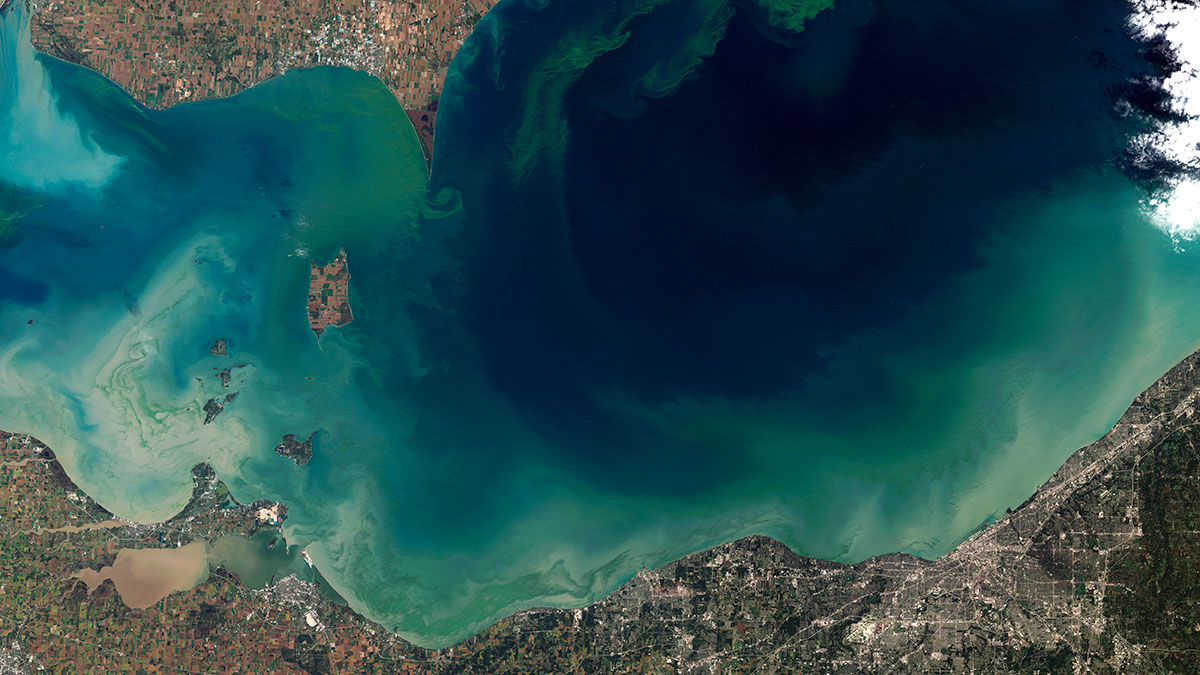
A New Technique Could Identify Algae from Space

Some types of algal blooms produce dangerous toxins, while others are relatively harmless to humans.
Posted inENGAGE, News
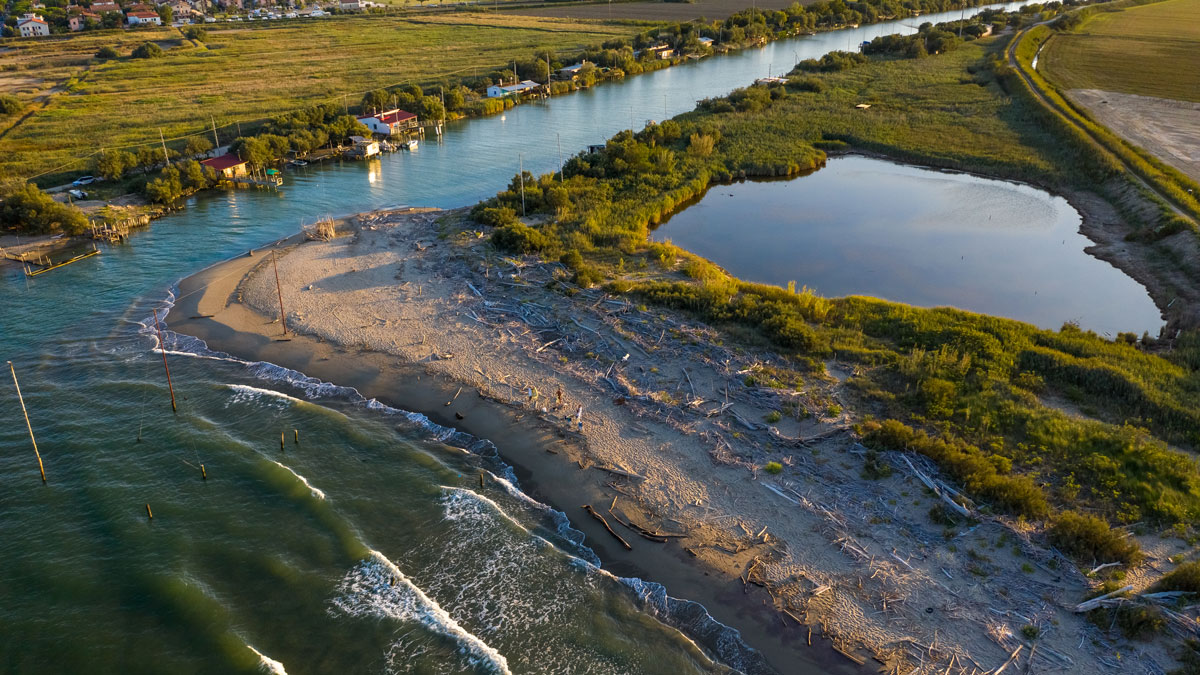
A Global Map of Human Sewage in Coastal Ecosystems

Prodigious quantities of nitrogen from human waste flow into coastal waters, a study of nearly 135,000 watersheds reveals.

Posted inENGAGE, News
How the Armero Tragedy Changed Volcanology in Colombia
The deadly eruption of Nevado del Ruiz in 1985 made Colombian volcanologists realize that studying natural phenomena was irrelevant if they could not share their knowledge to avoid predictable tragedies.
Posted inNews
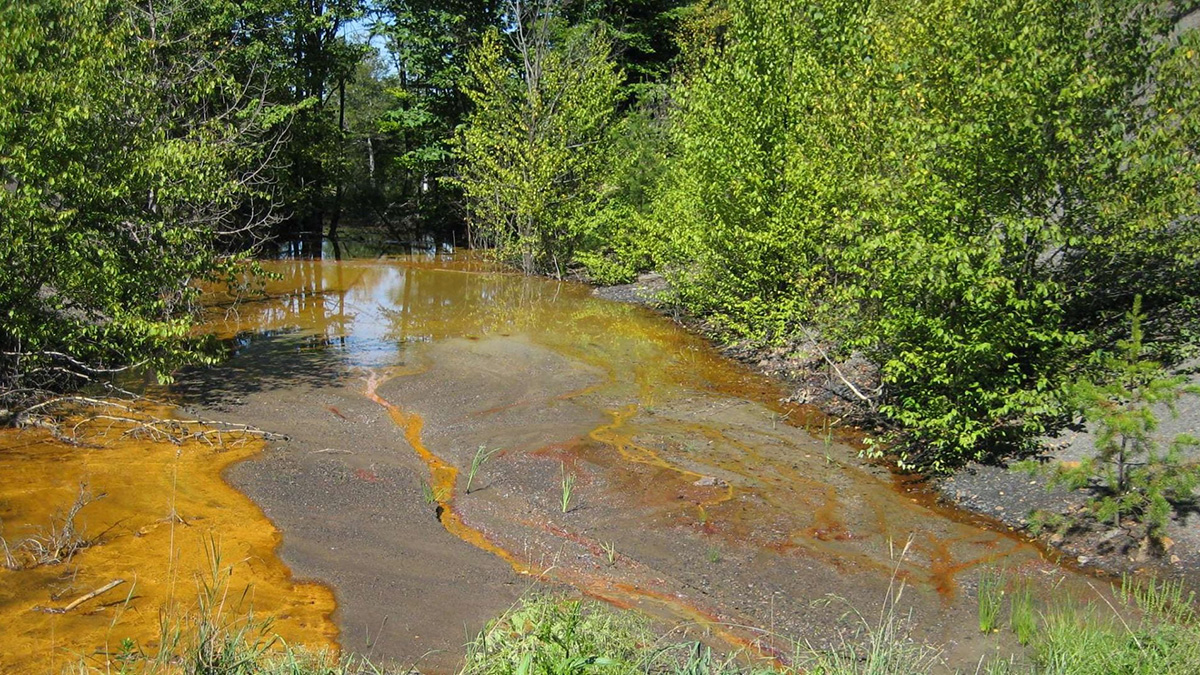
New Sensor Aids Rare Earth Extraction from Acid Mine Drainage

Rare earth elements appear in more than 200 consumer products. The race is on to source these elements from abundant and environmentally damaging mining waste.
Posted inNews
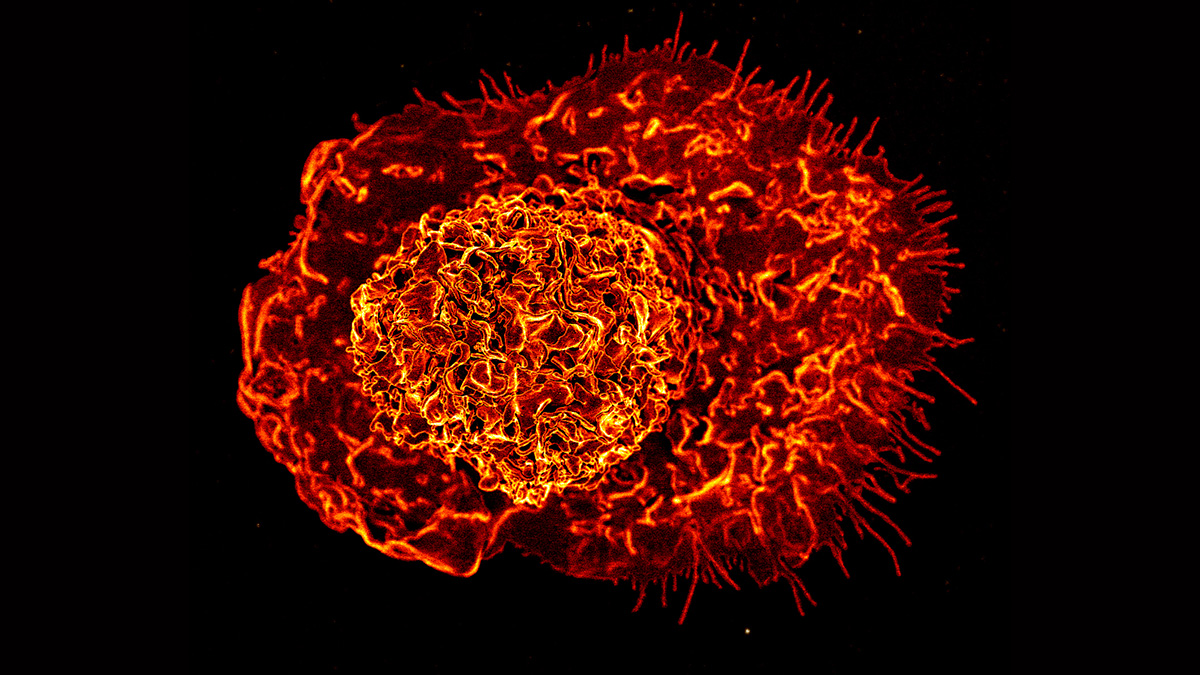
Microplastics Morph Cell Metabolism

Microplastics get into our bodies, potentially altering how certain cells convert sugar into energy, especially in the gut. Continued ingestion could cause chronic problems.
Posted inNews
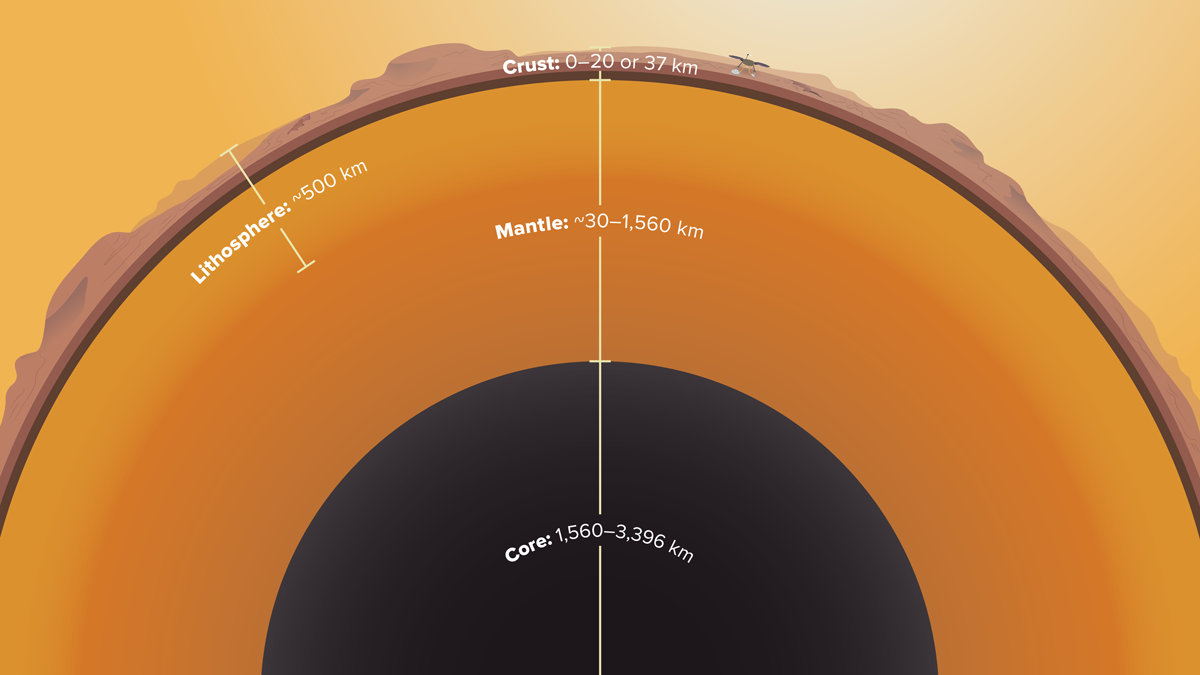
Mars from the InSight Out

There’s a seismometer on Mars, and it’s been busy! Download our free illustrated poster.

Posted inENGAGE, News
Mammoths Lost Their Steppe Habitat to Climate Change
Ancient plant and animal DNA buried in Arctic sediments preserve a 50,000-year history of Arctic ecosystems, suggesting that climate change contributed to mammoth extinction.
Posted inENGAGE, News
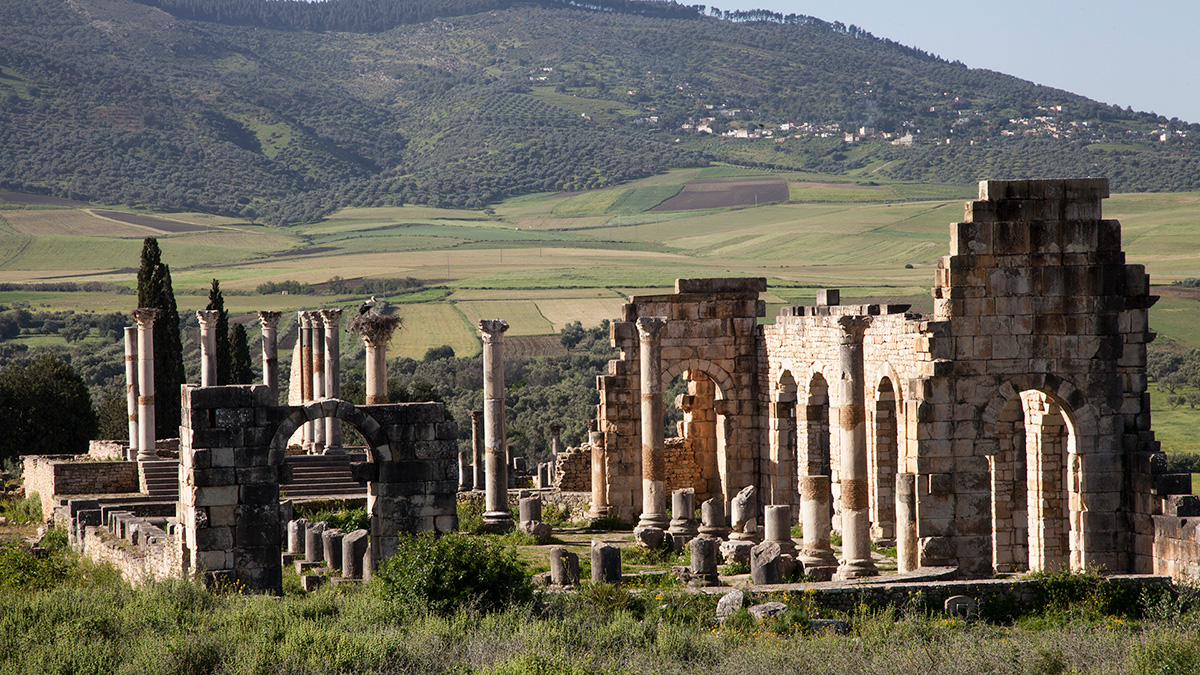
Roman-Era Millstone and Mixer Makers Knew Their Rocks
The geochemistry of basalt millstones and mixers from the city of Volubilis suggests a local origin—and that rocks were picked for specific purposes, from crushing olives to mixing dough.