• About
  • Special Reports
  • Topics
    • Climate
    • Earth Science
    • Oceans
    • Space & Planets
    • Health & Ecosystems
    • Culture & Policy
    • Education & Careers
    • Opinions
  • Projects
    • Postcards From the Field
    • ENGAGE
    • Editors’ Highlights
    • Editors’ Vox
    • Eos en Español
    • Eos 简体中文版
    • Print Archive: 2015–2025
  • Policy Tracker
  • Blogs
    • Research & Developments
    • The Landslide Blog
  • Newsletter
  • Submit to Eos
  • AGU.org
  • Career Center
  • Join AGU
  • Give to AGU
  • About
  • Special Reports
  • Topics
    • Climate
    • Earth Science
    • Oceans
    • Space & Planets
    • Health & Ecosystems
    • Culture & Policy
    • Education & Careers
    • Opinions
  • Projects
    • Postcards From the Field
    • ENGAGE
    • Editors’ Highlights
    • Editors’ Vox
    • Eos en Español
    • Eos 简体中文版
    • Print Archive: 2015–2025
  • Policy Tracker
  • Blogs
    • Research & Developments
    • The Landslide Blog
  • Newsletter
  • Submit to Eos
Skip to content
  • AGU.org
  • Career Center
  • Join AGU
  • Give to AGU
Eos

Eos

Science News by AGU

Support Eos
Sign Up for Newsletter
  • About
  • Special Reports
  • Topics
    • Climate
    • Earth Science
    • Oceans
    • Space & Planets
    • Health & Ecosystems
    • Culture & Policy
    • Education & Careers
    • Opinions
  • Projects
    • Postcards From the Field
    • ENGAGE
    • Editors’ Highlights
    • Editors’ Vox
    • Eos en Español
    • Eos 简体中文版
    • Print Archive: 2015–2025
  • Policy Tracker
  • Blogs
    • Research & Developments
    • The Landslide Blog
  • Newsletter
  • Submit to Eos

CC-BY-NC 2016

Posted inAGU News

2017 AGU Fall Meeting Heads to New Orleans, 2018 to Washington, D. C.

by P. L. Weiss 9 February 201625 April 2023

The American Geophysical Union opts to relocate its 26,000-plus-attendee meeting from San Francisco for 2 years to avoid detrimental impacts from extensive construction at the convention center.

Posted inNews

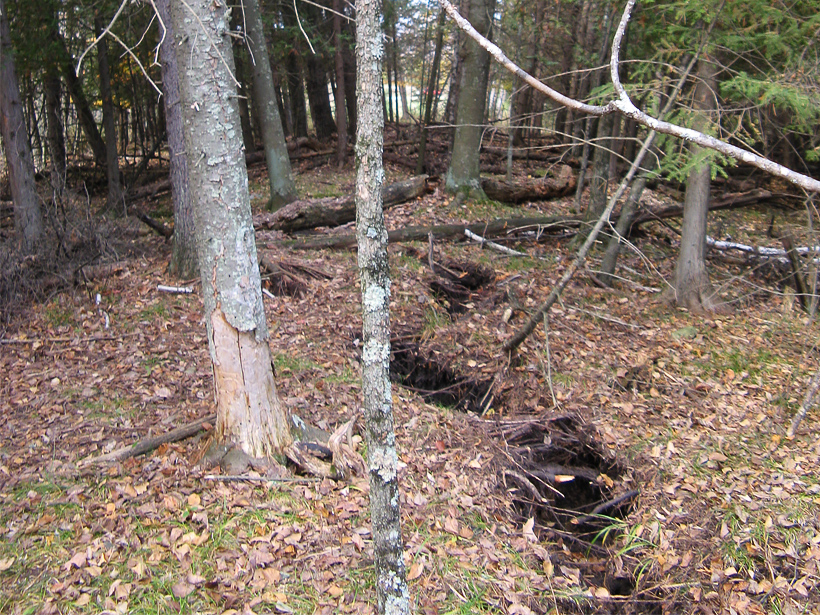
What Makes the Ground Suddenly Pop?

JoAnna Wendel, freelance science writer and illustrator by JoAnna Wendel 9 February 201630 September 2022

A geological feature in Michigan’s wooded Upper Peninsula has scientists scratching their heads.

Posted inResearch Spotlights

Deep-Sea Microbes Can Leave Records of the Past

Cody Sullivan by C. Sullivan 9 February 201614 March 2023

Researchers use carbon signatures within sea sediments to identify microbial activity and also to date earthquakes.
Posted inResearch Spotlights

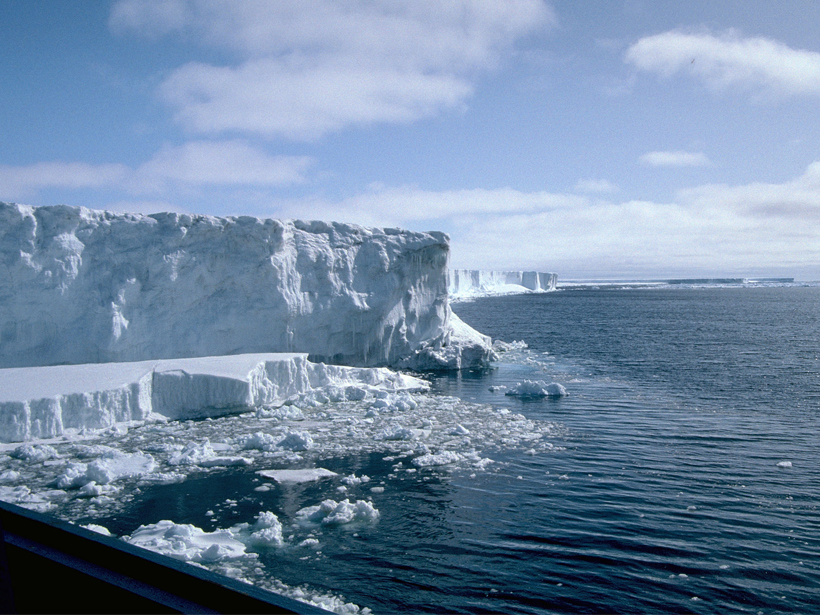
Tracking the Fate of Antarctica's Ice

Sarah Stanley, Science Writer by Sarah Stanley 9 February 201617 March 2023

New, more accurate satellite data provide researchers with ice shelf thickness measurements that will allow for better ice loss monitoring.

Posted inResearch Spotlights

Modeling the Future of Dissolved Organic Carbon in Boreal Forests

Sarah Stanley, Science Writer by Sarah Stanley 9 February 201617 March 2023

Climate change and forest harvesting will increase the concentration and flow of dissolved organic carbon in boreal streams.
Posted inNews

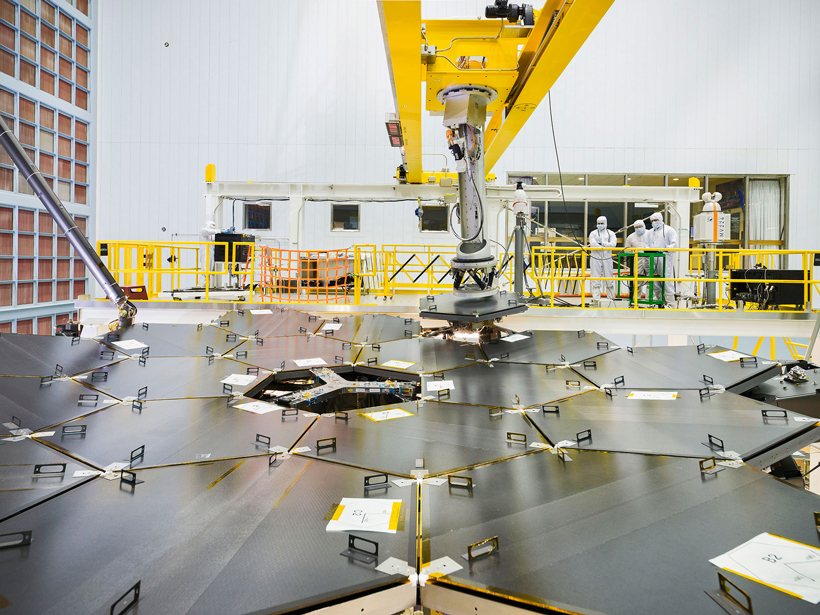
Final Mirror Segment Added to Powerful Future Space Observatory

by Randy Showstack 8 February 201617 January 2023

After years of planning, testing, and assembly, the James Webb Space Telescope, the world's largest infrared, space-based observatory, is taking shape.
Posted inResearch Spotlights

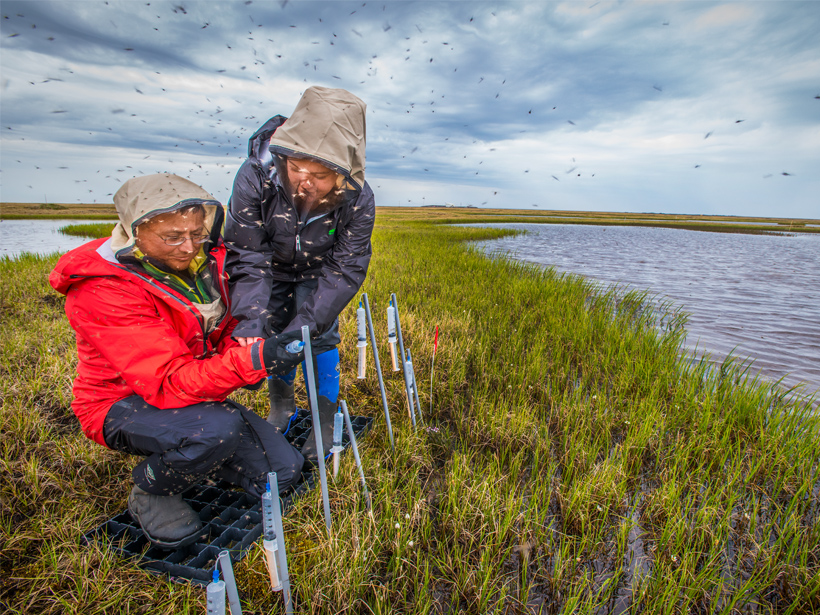
Tracking Carbon in the Alaskan Arctic

Kate Wheeling, freelance science writer by Kate Wheeling 8 February 20169 December 2021

Researchers trace carbon through Arctic soils and find an unlikely source of methane and surprisingly low methane oxidation in watersheds throughout northern Alaska.

Posted inResearch Spotlights

What Drives Pollutant Dispersion at Night?

Sarah Stanley, Science Writer by Sarah Stanley 8 February 20167 February 2024

Better understanding of waves and turbulence in calm air could improve predictions of weather and pollutant dispersion.
Posted inResearch Spotlights

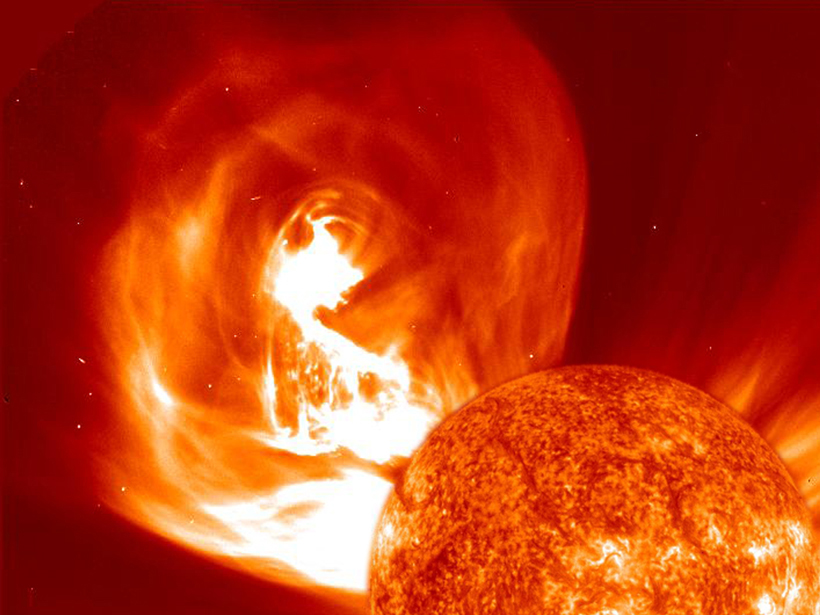
Space Weather Gains National and International Attention

by S. Kelleher 8 February 201613 October 2021

A heightened understanding of geomagnetic disturbances in a high-tech world encourages policy changes in the United States and abroad.
Posted inResearch Spotlights

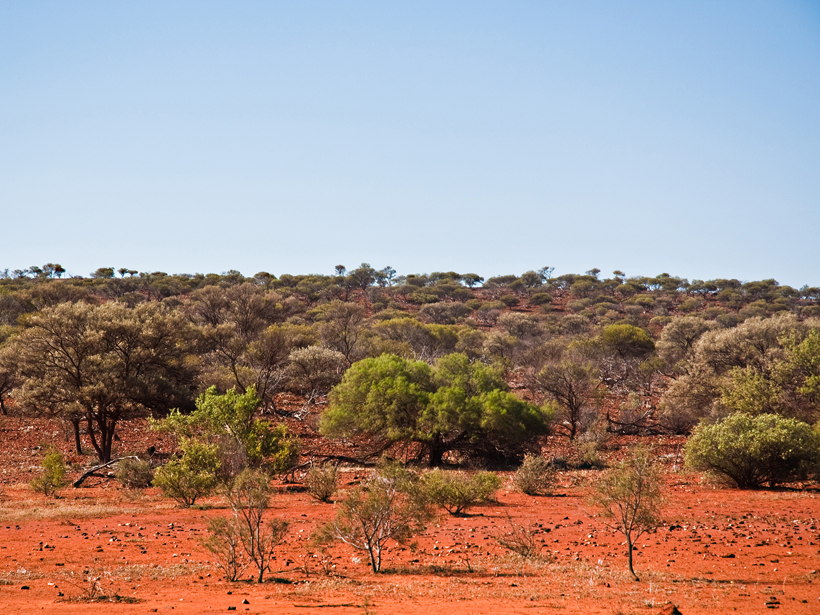
Satellites Reveal a Temporary Carbon Sink over Australia

Kate Wheeling, freelance science writer by Kate Wheeling 8 February 201624 February 2023

Satellite measurements of atmospheric carbon dioxide provide insights into how droughts and floods influence the carbon cycle on the semiarid continent of Australia.

Posts pagination

Newer posts 1 … 13 14 15 16 17 … 24 Older posts
Over a dark blue-green square appear the words Special Report: The State of the Science 1 Year On.

Features from AGU Publications

Research Spotlights

Improving Eddy Tower Evapotranspiration Estimates

20 May 202620 May 2026
Editors' Highlights

Recycled Rocks Reveal Subduction Zone Dynamics Off Baja California

21 May 202621 May 2026
Editors' Vox

The Impact of Advocacy: American Geophysical Union’s Days of Action

14 May 202613 May 2026
Eos logo at left; AGU logo at right

About Eos
ENGAGE
Awards
Contact

Advertise
Submit
Career Center
Sitemap

© 2026 American Geophysical Union. All rights reserved Powered by Newspack