• About
  • Special Reports
  • Topics
    • Climate
    • Earth Science
    • Oceans
    • Space & Planets
    • Health & Ecosystems
    • Culture & Policy
    • Education & Careers
    • Opinions
  • Projects
    • Postcards From the Field
    • ENGAGE
    • Editors’ Highlights
    • Editors’ Vox
    • Eos en Español
    • Eos 简体中文版
    • Print Archive: 2015–2025
  • Policy Tracker
  • Blogs
    • Research & Developments
    • The Landslide Blog
  • Newsletter
  • Submit to Eos
  • AGU.org
  • Career Center
  • Join AGU
  • Give to AGU
  • About
  • Special Reports
  • Topics
    • Climate
    • Earth Science
    • Oceans
    • Space & Planets
    • Health & Ecosystems
    • Culture & Policy
    • Education & Careers
    • Opinions
  • Projects
    • Postcards From the Field
    • ENGAGE
    • Editors’ Highlights
    • Editors’ Vox
    • Eos en Español
    • Eos 简体中文版
    • Print Archive: 2015–2025
  • Policy Tracker
  • Blogs
    • Research & Developments
    • The Landslide Blog
  • Newsletter
  • Submit to Eos
Skip to content
  • AGU.org
  • Career Center
  • Join AGU
  • Give to AGU
Eos

Eos

Science News by AGU

Support Eos
Sign Up for Newsletter
  • About
  • Special Reports
  • Topics
    • Climate
    • Earth Science
    • Oceans
    • Space & Planets
    • Health & Ecosystems
    • Culture & Policy
    • Education & Careers
    • Opinions
  • Projects
    • Postcards From the Field
    • ENGAGE
    • Editors’ Highlights
    • Editors’ Vox
    • Eos en Español
    • Eos 简体中文版
    • Print Archive: 2015–2025
  • Policy Tracker
  • Blogs
    • Research & Developments
    • The Landslide Blog
  • Newsletter
  • Submit to Eos

CC-BY-NC 2016

Posted inResearch Spotlights

New Model Improves Predictions of Shallow Landslides

by Terri Cook 2 February 20163 December 2021

An advanced, process-based model that incorporates typically neglected processes provides new insight into the complex dynamics controlling shallow landslide formation.

Posted inResearch Spotlights

Satellites Test Theory of Magnetic Reconnection

by Mark Zastrow 2 February 201618 July 2023

A quartet of satellites flying through Earth's magnetic field measures its interaction with the Sun's and puts a theory about their reconnection to the test.

Posted inResearch Spotlights

Massive Carbon Dioxide Stores Beneath Mammoth Mountain

Sarah Stanley, Science Writer by Sarah Stanley 2 February 201611 May 2022

Gas in rocky pores beneath the surface of California's Mammoth Mountain could fuel dangerous carbon dioxide emissions for the next 28 to 1100 years.
Posted inNews

Subtle Seismic Movements May Help Forecast Large Earthquakes

JoAnna Wendel, freelance science writer and illustrator by JoAnna Wendel 1 February 20166 October 2021

Where a plate of Earth's crust slides under another and when frequent episodes of plate slippage occur without noticeable earthquakes, large temblors will more likely strike, a new study finds.

Posted inNews

Honoring Earth and Space Scientists

by AGU 1 February 20166 September 2018

AGU members and others in the news

Posted inResearch Spotlights

Antarctic Meltwater Makes the Ocean Warmer and Fresher

Cody Sullivan by C. Sullivan 1 February 20169 August 2022

Scientists model how Antarctic meltwater from specific locations could affect the Antarctic Bottom Water, ocean temperatures, and salinity.
Posted inResearch Spotlights

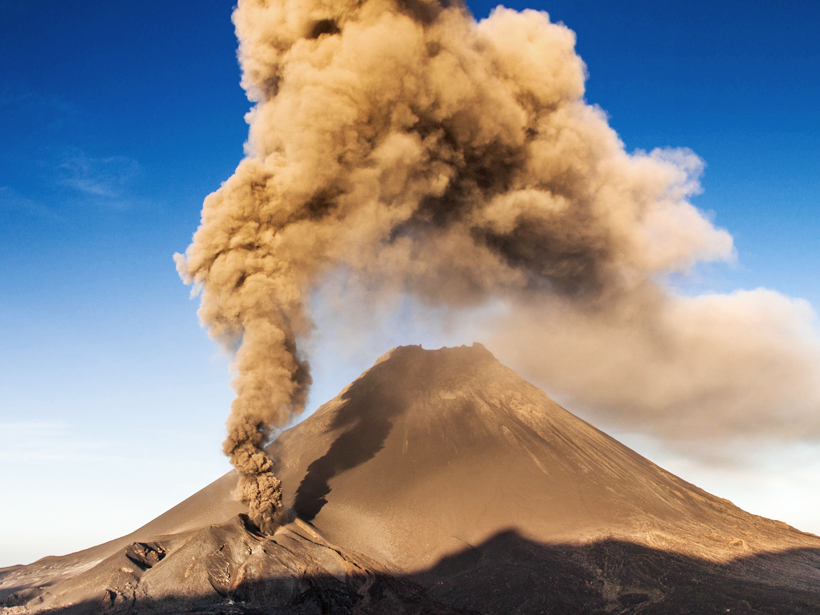
Radar Technique Shows Magma Flow in 2014 Cape Verde Eruption

Sarah Stanley, Science Writer by Sarah Stanley 1 February 201612 December 2025

The European Space Agency's Sentinel-1 satellite captures volcanic surface changes that reveal the flow below.
Posted inResearch Spotlights

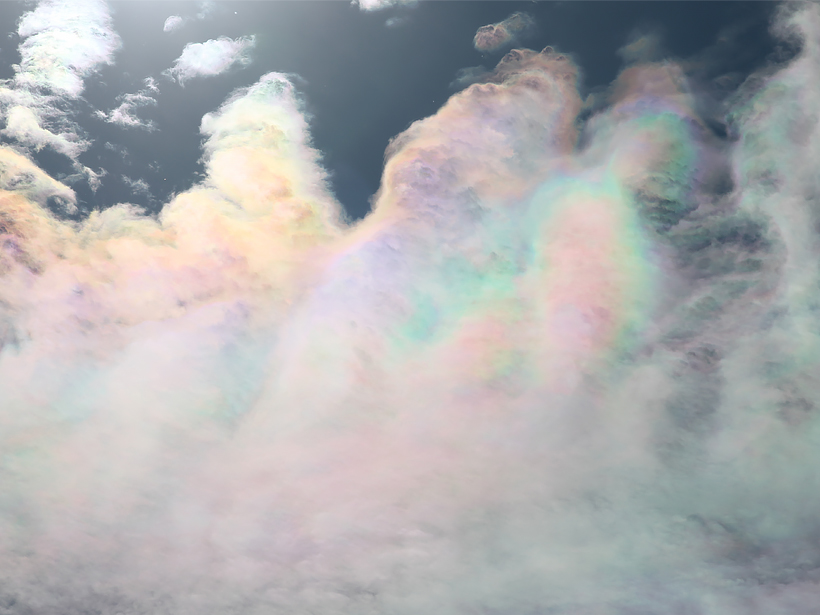
Could Thinning of High Clouds Combat Climate Change?

Sarah Stanley, Science Writer by Sarah Stanley 1 February 20163 February 2022

A climate engineering technique that lets more heat escape from the atmosphere could avoid water cycle suppression associated with other radiation management approaches.

Posted inNews

Electrical Concrete Offers Green Alternative to Airport Deicers

by S. Kelleher 29 January 20167 March 2022

The Federal Aviation Administration is testing conductive concrete as a replacement for water-polluting chemicals used to melt ice from airport tarmacs.
Posted inOpinions

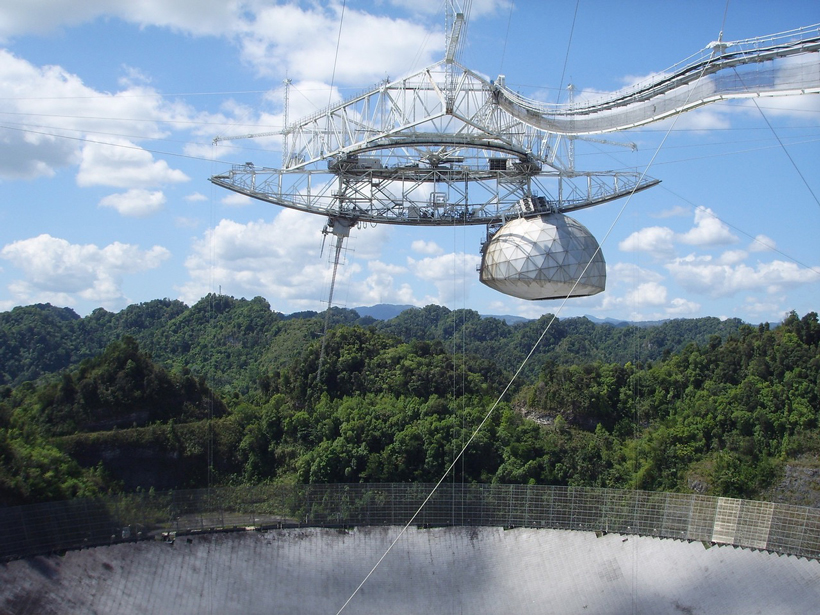
The Case for Multiuser Facilities

by R. Behnke and R. Robinson 29 January 201629 September 2021

As federal agencies look to slash costs, facilities become obvious targets. But cutting funds to these vital programs may have far-reaching consequences.

Posts pagination

Newer posts 1 … 16 17 18 19 20 … 24 Older posts
Over a dark blue-green square appear the words Special Report: The State of the Science 1 Year On.

Features from AGU Publications

Research Spotlights

Improving Eddy Tower Evapotranspiration Estimates

20 May 202620 May 2026
Editors' Highlights

Recycled Rocks Reveal Subduction Zone Dynamics Off Baja California

21 May 202621 May 2026
Editors' Vox

The Impact of Advocacy: American Geophysical Union’s Days of Action

14 May 202613 May 2026
Eos logo at left; AGU logo at right

About Eos
ENGAGE
Awards
Contact

Advertise
Submit
Career Center
Sitemap

© 2026 American Geophysical Union. All rights reserved Powered by Newspack