
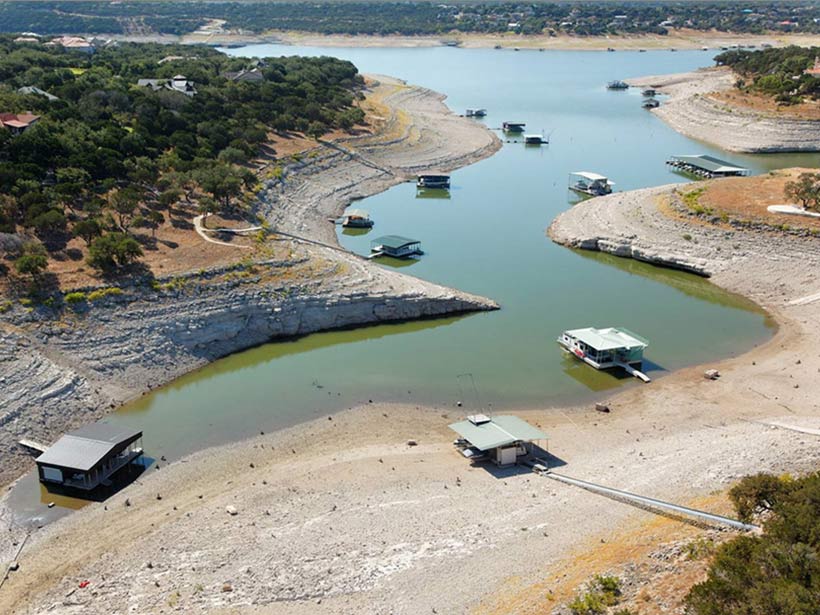
Preparing for High Consequence, Low Probability Events: Heat, Water & Energy in the Southwest; Tucson, Arizona, 28–29 September 2015
CC-BY-NC 2016

Posted inScience Updates
Investigations of Shallow Slow Slip Offshore of New Zealand
Recent and upcoming studies of the Hikurangi margin east of New Zealand shed light on previously undetectable tectonic movements.
Posted inNews
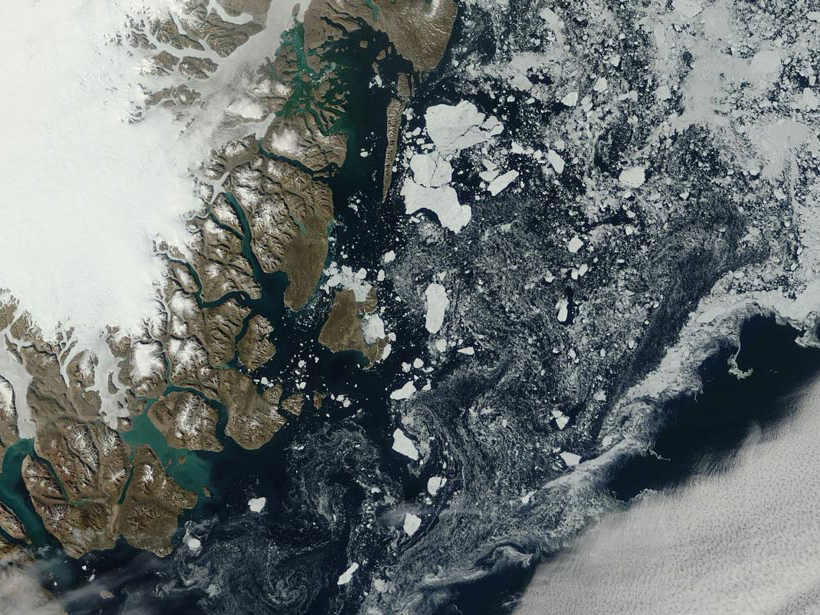
Current Carbon Emissions Unprecedented in 66 Million Years

An ancient carbon dioxide release associated with a much hotter Earth than today took place at only a tenth the pace of our present atmospheric carbon buildup, a new study confirms.
Posted inScience Updates
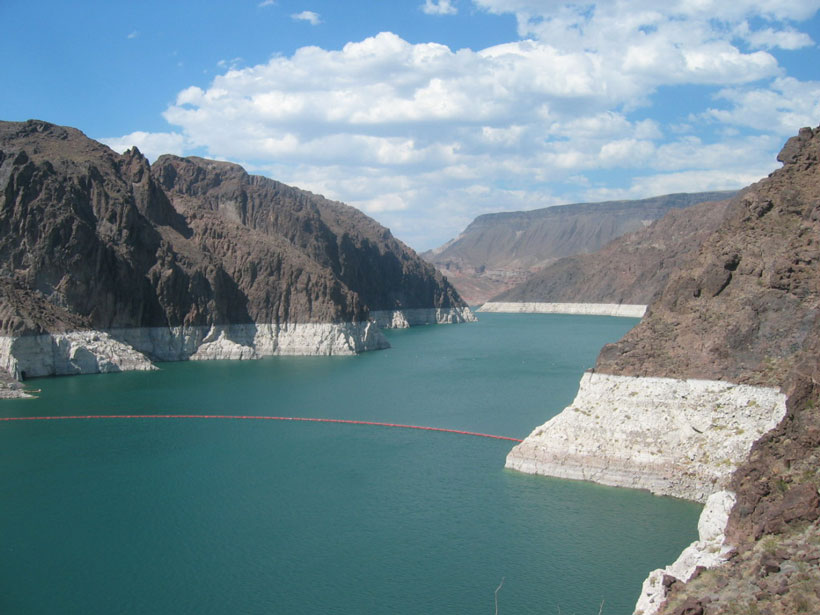
New Interest in Reservoir Evaporation in Western United States
Reservoir Evaporation Workshop; Boulder, Colorado, 22–23 October 2015
Posted inResearch Spotlights
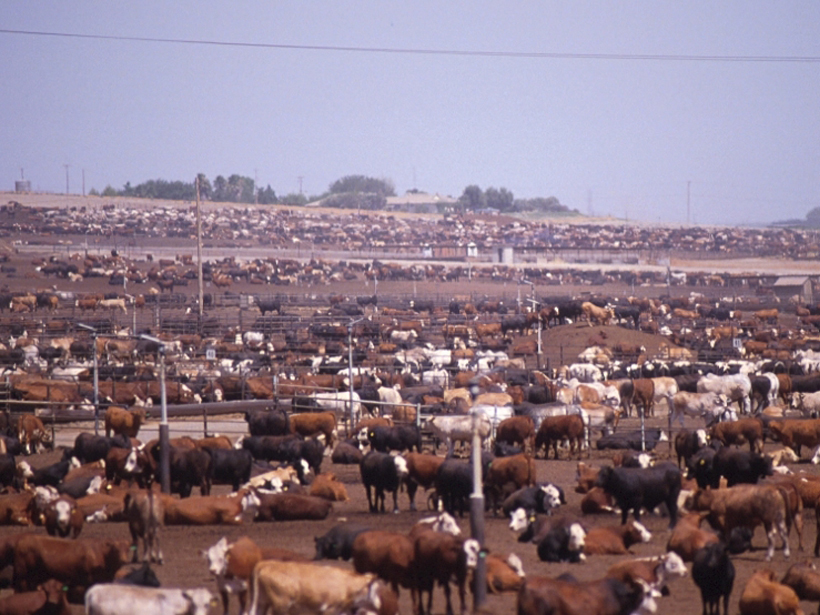
U.S. Methane Emissions on the Rise
Data suggest that the United States may be responsible for half of global methane increase in the past decade.
Posted inResearch Spotlights
Could We Have Predicted What El Niño Would Bring?
Researchers take a retrospective look to see if precipitation and flooding due to El Niño could have been predicted a priori.
Posted inNews
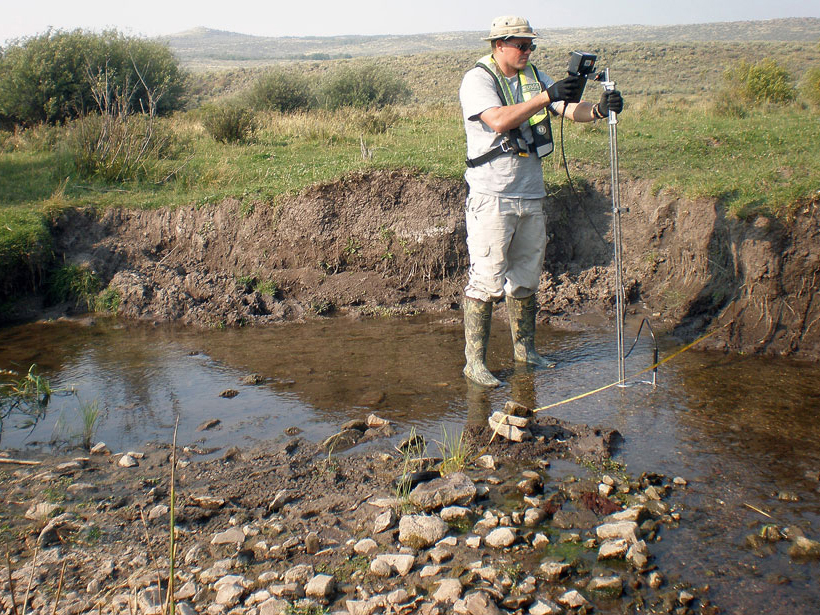
Science of Tying Some Extreme Weather to Climate Change Advances

A report from the National Academies of Sciences, Engineering, and Medicine says attribution of some classes of extreme events can provide policy makers with better information about future risks.
Posted inNews
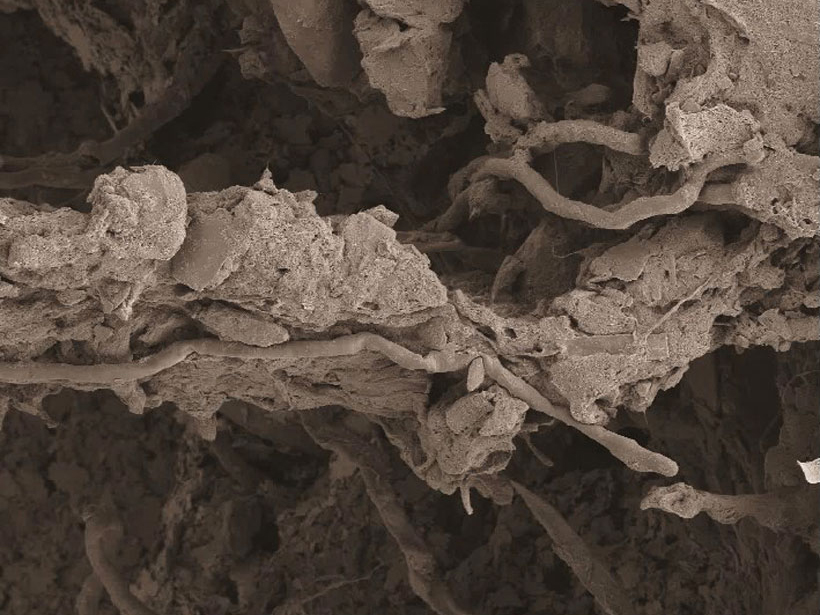
Using Acid and Physical Force, Fungi Burrow Through Rock
Scientists observe the step-by-step process by which a fungus attacks a mineral to extract vital nutrients.

Posted inResearch Spotlights
Glacial Meltwater Features Depend on Glacier Type and Location

With climate change, some glaciers will melt faster than others, altering the proportions of nutrients in meltwater and changing downstream ecosystems.

Posted inScience Updates
Great Mysteries of the Earth's Magnetotail
Workshop on Magnetotail Reconnection Onset and Dipolarization Fronts; Laurel, Maryland, 16–18 September 2015