

Brutal university cuts are putting at risk an industry crucial to addressing climate change Down Under and around the world. Saving geoscience will require a community reckoning.
Opinions
Posted inOpinions
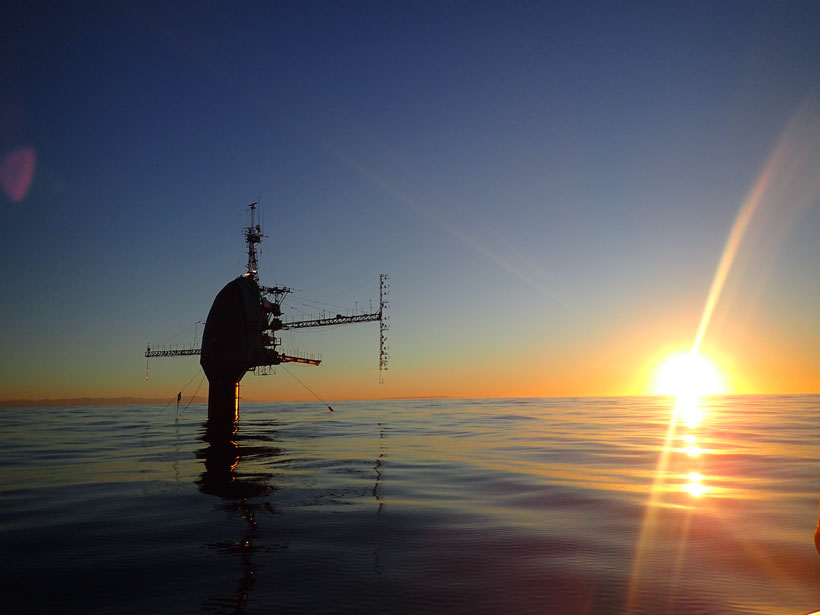
Remembering FLIP, an Engineering Marvel for Oceanic Research
Since the 1960s, the Floating Instrument Platform has bobbed at the sea surface, supporting numerous discoveries. One scientist recalls his time aboard FLIP during what was likely its final mission.

Posted inOpinions
Code-Switching and Assimilation in STEM Culture
The scientific community cannot claim it is becoming a diverse and inclusive culture based on numbers alone—not if professionals who are Black, Indigenous, and People of Color must leave themselves behind to be part of it.

Posted inOpinions
Realizing Machine Learning’s Promise in Geoscience Remote Sensing
Machine learning and signal processing methods offer significant benefits to the geosciences, but realizing this potential will require closer engagement among different research communities.
Posted inOpinions
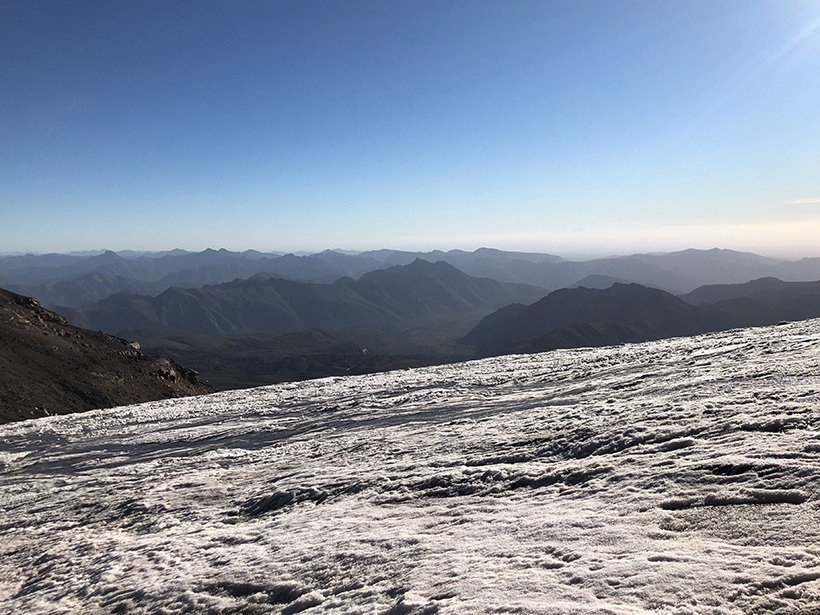
Chile’s Glacier Protection Law Needs Grounding in Sound Science
In the works for more than a decade, proposed legislation to protect glacial and permafrost environments in Chile suffers from uncertainties and omissions that could sow conflict instead of solutions.
Posted inOpinions
Ten Ways to Apply Machine Learning in Earth and Space Sciences
Machine learning is gaining popularity across scientific and technical fields, but it’s often not clear to researchers, especially young scientists, how they can apply these methods in their work.

Posted inOpinions
Higher Education During the Pandemic: Truths and Takeaways
Students and faculty in higher education have faced countless disruptions since early 2020, exacerbating problems with mental health but also revealing positive ways to reshape teaching and learning.

Posted inOpinions
“Earth Cousins” Are New Targets for Planetary Materials Research
“Cousin” worlds—slightly bigger or slightly hotter than Earth—can help us understand planetary habitability, but we need more lab and numerical experiments to make the most of this opportunity.

Posted inOpinions
El Antropoceno marciano
La idea de mandar gente a Marte ha capturado la imaginación del público, pero ¿hemos realmente considerado cómo nuestra presencia alteraría al planeta?

Posted inOpinions
Integrating Data to Find Links Between Environment and Health
Several obstacles stand in the way of integrating social, health, and Earth science data for vital geohealth studies, but there are tools and opportunities to overcome these obstacles.