
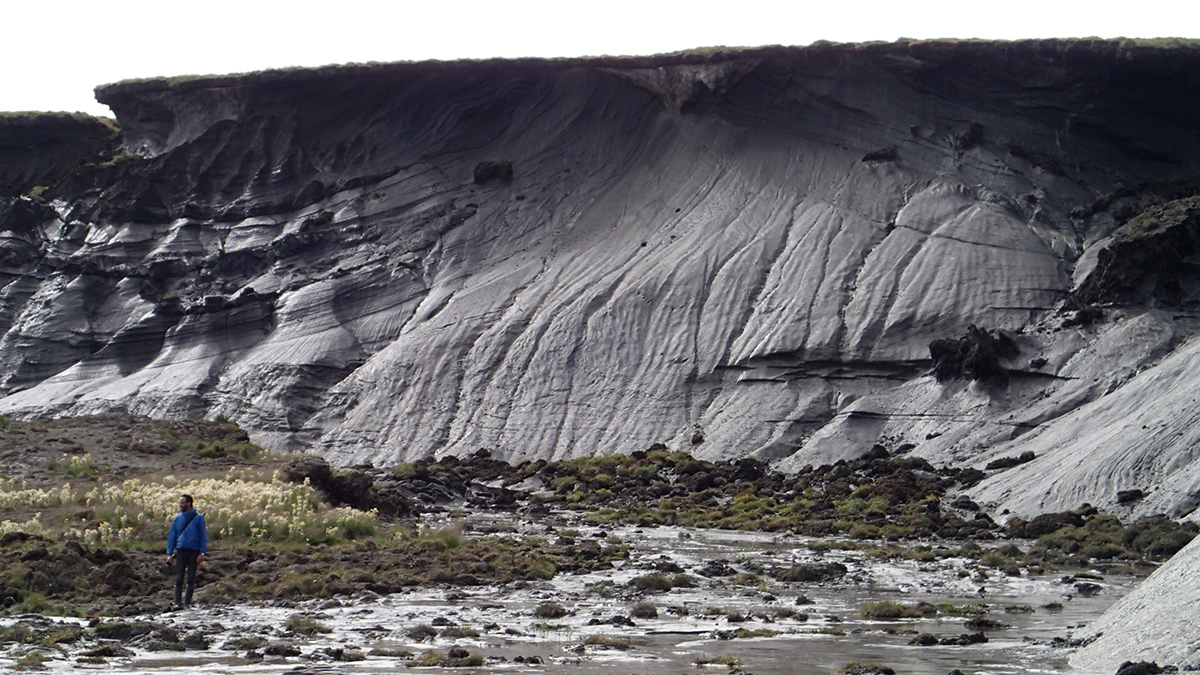
Models produce widely varying estimates of how ecosystems in the northern permafrost region are currently affecting the global greenhouse gas budget.
Research Spotlights
Research spotlights are plain-language summaries of recent articles published in AGU’s suite of 24 journals.
Posted inResearch Spotlights
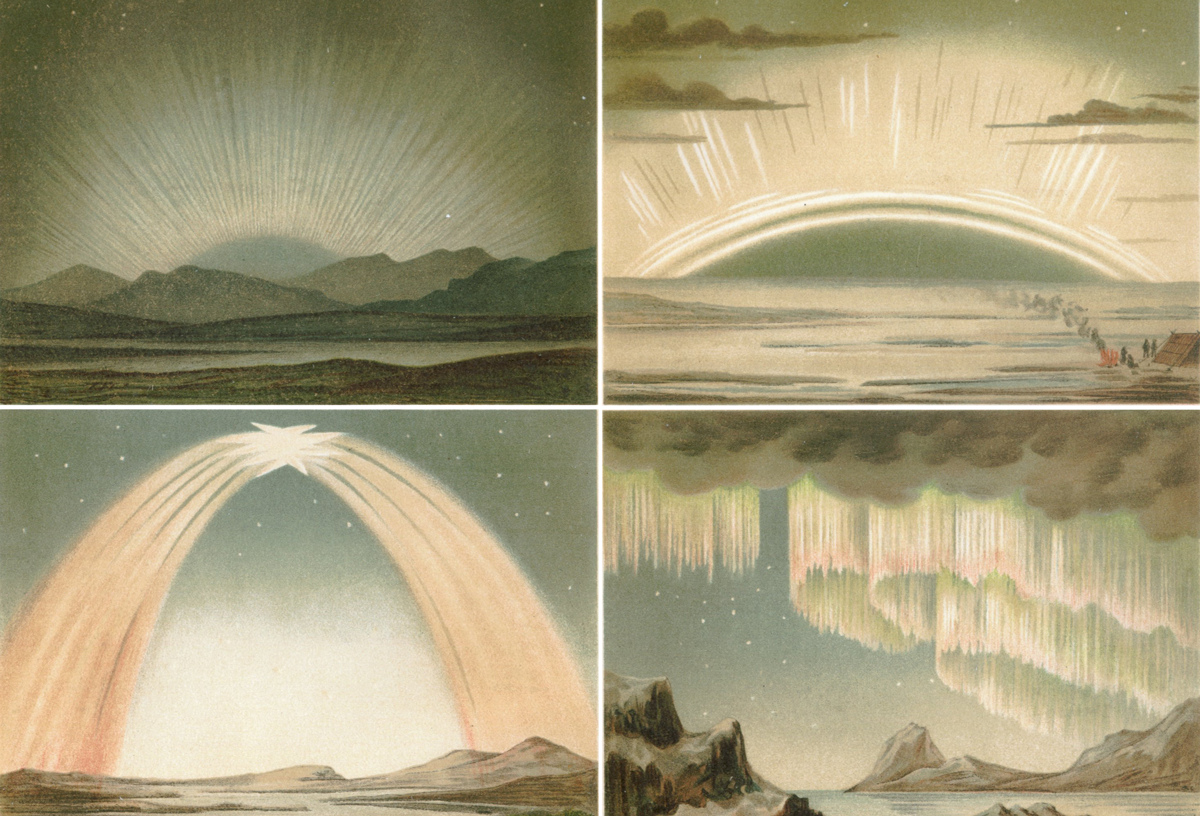
了解地球物理学:追踪 AGU 期刊文章标题的演变
一项新研究对 AGU 期刊文章标题中最常用的词汇进行了分类,并探讨了这些词汇讲述的地球和空间科学领域发展的故事。
Posted inResearch Spotlights
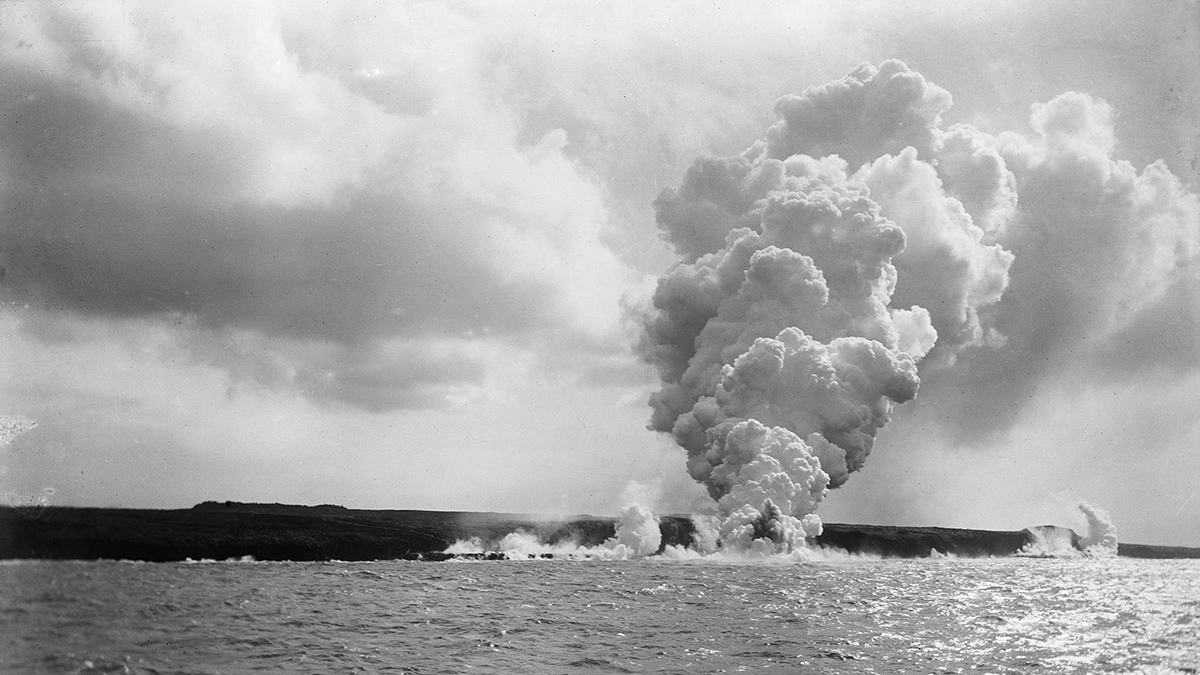
Tracking a Disappearing Mantle Plume in Ancient Samoa
A thick portion of Earth’s crust may have capped the Samoan plume and suppressed volcanism for 30 million years, explaining a curious gap along the Samoan chain.

Posted inResearch Spotlights
Blasts from the Past: New Insights from Old Space Storms

Reassessment and comparison of past space weather events highlight the potential for Earth to experience destructive geomagnetic disturbances.
Posted inResearch Spotlights
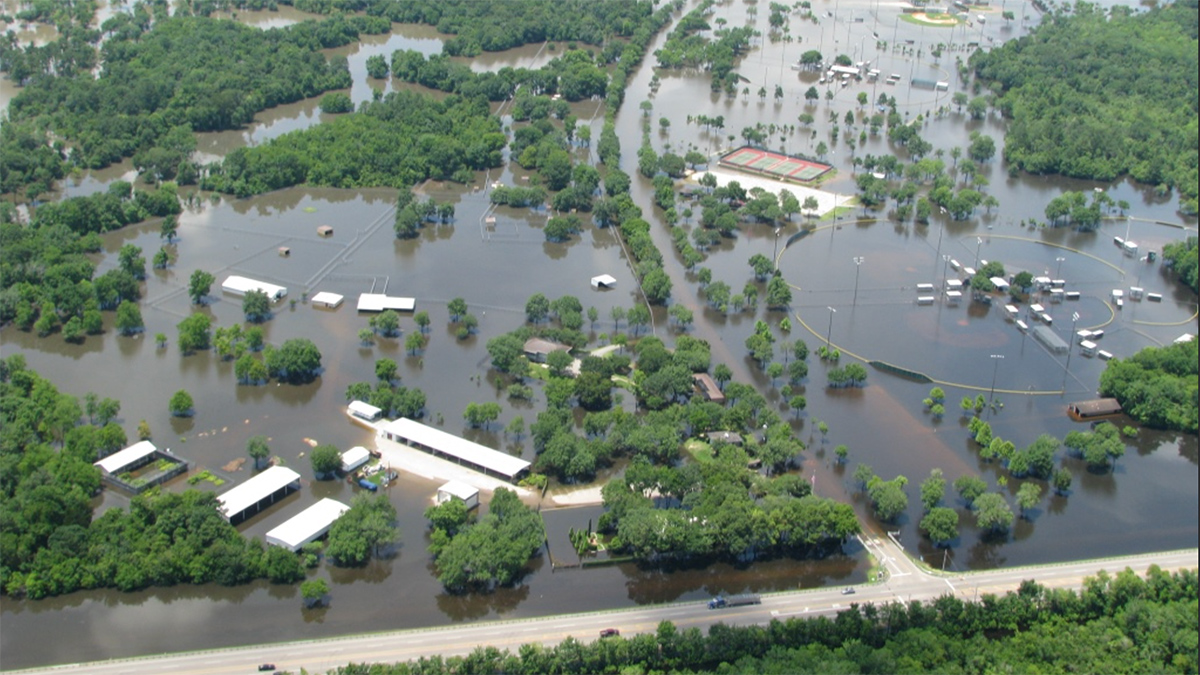
Subtle Coastal Sinking Raises Storm Surge Risks

New detection of millimeter-scale subsidence along vulnerable coastlines means flood risk predictions may be inaccurate.
Posted inResearch Spotlights
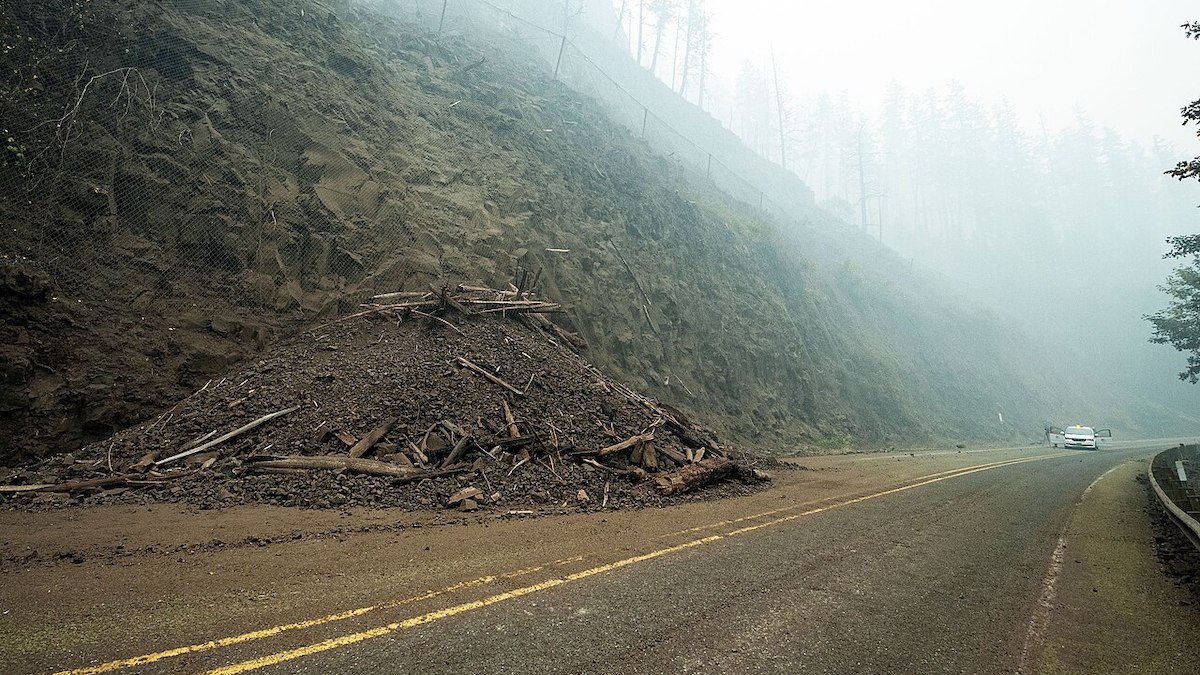
Mapping Landslide Risk in the United States and Puerto Rico
A new method provides highly accurate continental-scale landslide susceptibility maps that are being used in the aftermath of Hurricane Helene.

Posted inResearch Spotlights
Insights Biogeoquímicos de um Importante Rio Amazônico

Sub-representados nos orçamentos globais de carbono, rios tropicais como o Tocantins, no Brasil, necessitam de estudos para estabelecer suas características de base face às crescentes mudanças globais.
Posted inResearch Spotlights
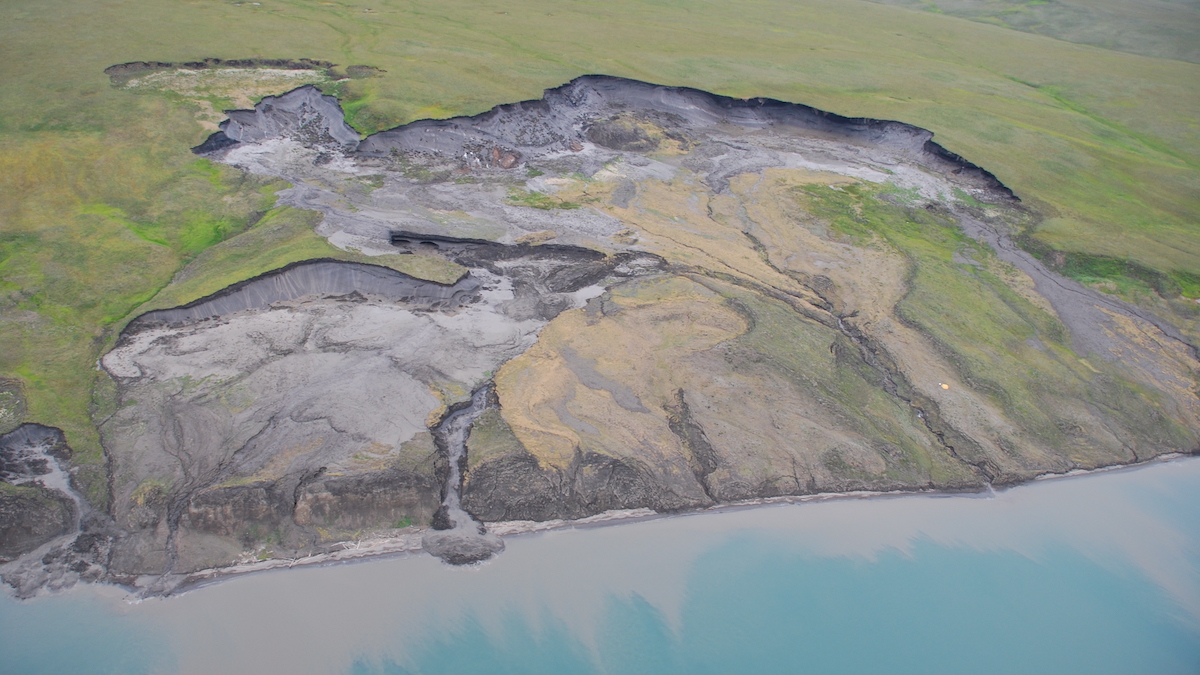
Down in the Slumps: Tracing Erosion Cycles in Arctic Permafrost
Climate change is altering permafrost thaw cycles and leading to unique Arctic erosional problems.

Posted inResearch Spotlights
California Wildfires and Weather Are Changing Erosion Patterns
Sediment runoff from the state’s increasingly severe wildfires and heavy rain events may affect ecosystems and water resources downstream.
Posted inResearch Spotlights
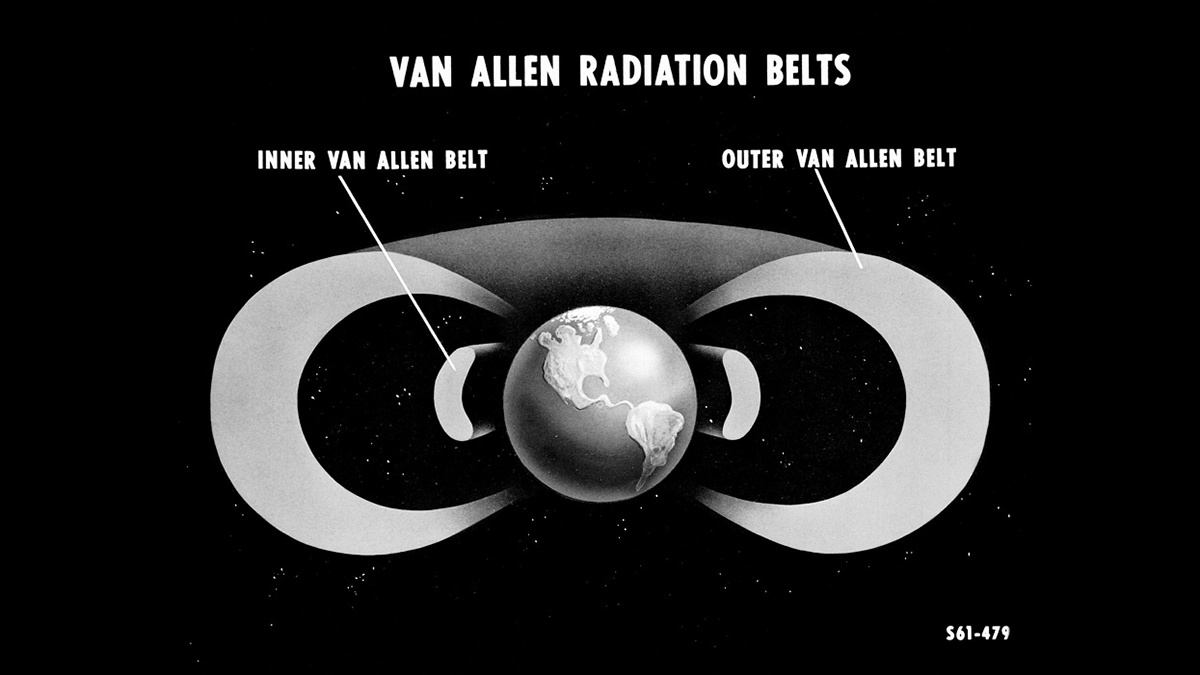
Audible Storm Waves Could Turbocharge Earth’s Radiation Belts
Electromagnetic chorus waves could generate more extreme radiation levels than previously thought, posing severe hazards for Earth-orbiting spacecraft.