Source: Geophysical Research Letters
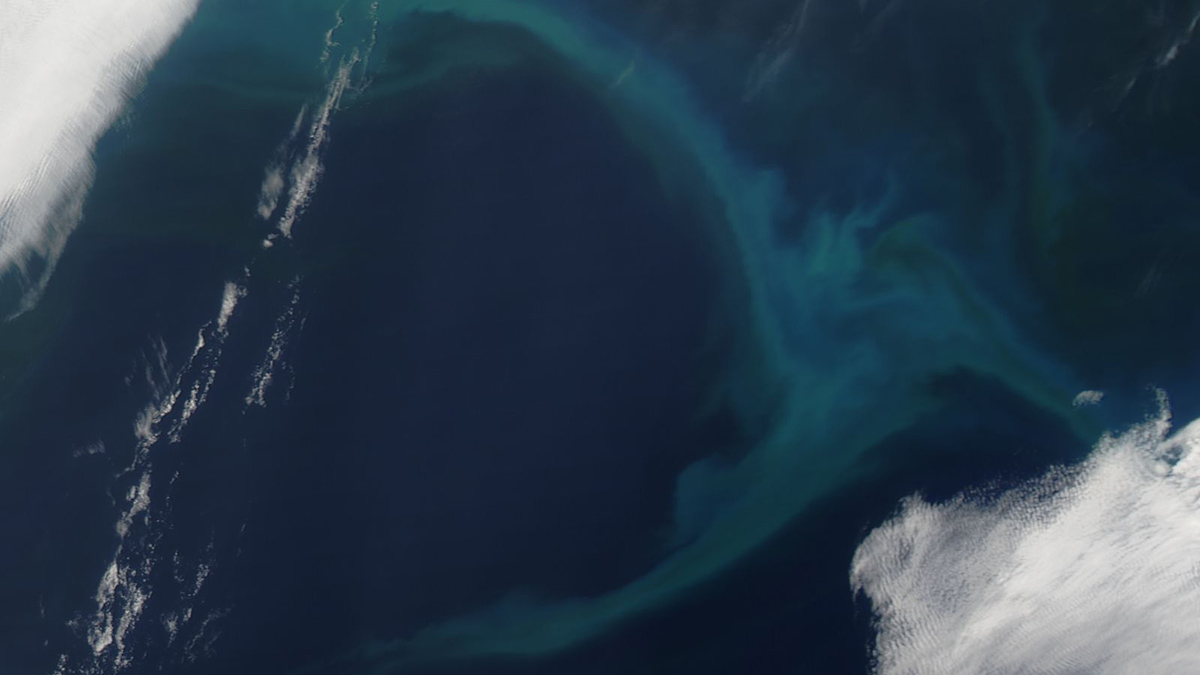
Around the world, phytoplankton in the upper ocean help to cycle key nutrients and regulate Earth’s climate by absorbing carbon dioxide. These photosynthesizing organisms rely on dissolved iron as an essential micronutrient, meaning that when iron levels drop, phytoplankton activity drops, too.
However, the full details of dissolved iron dynamics in the upper ocean are unclear, limiting our understanding of the effects on phytoplankton ecology, nutrient cycling, and the climate.
Now, Bates and Hawco report a new analysis of dissolved iron levels in the upper ocean near Hawaii. Between 2020 and 2023, they collected seawater samples on 21 separate research cruises to Station ALOHA (A Long-Term Oligotrophic Habitat Assessment), a marine research site located 100 kilometers north of Oahu, Hawaii. Back in the lab, they measured levels of dissolved iron and other elements in the samples and compared samples collected during different seasons.
The analysis reconfirmed a well-documented increase in dissolved iron levels at Station ALOHA in the springtime, which is caused by an annual increase in dust carried to the site by winds from Asia. However, the new data also revealed a previously undetected spike in dissolved iron in the winter that could not be explained by dust deposition.
Further analysis of the samples, including measurements of ratios between titanium and aluminum levels, suggested that the wintertime iron peak may have a far more local source: the Hawaiian Islands themselves. It is possible that increased wintertime rainfall boosts runoff of sediment from the islands, which is then transported to Station ALOHA by wintertime swells.
The researchers also used the new data to estimate that despite seasonal fluctuations in concentration, dissolved iron tends to cycle through the upper ocean at a relatively steady rate, with each molecule being replaced about every 5 months. Prior estimates reported turnover rates of anywhere from days to decades.
These findings could help improve understanding of phytoplankton’s various ecological roles, including nitrogen cycling and carbon uptake. (Geophysical Research Letters, https://doi.org/10.1029/2025GL118095, 2025)
—Sarah Stanley, Science Writer