

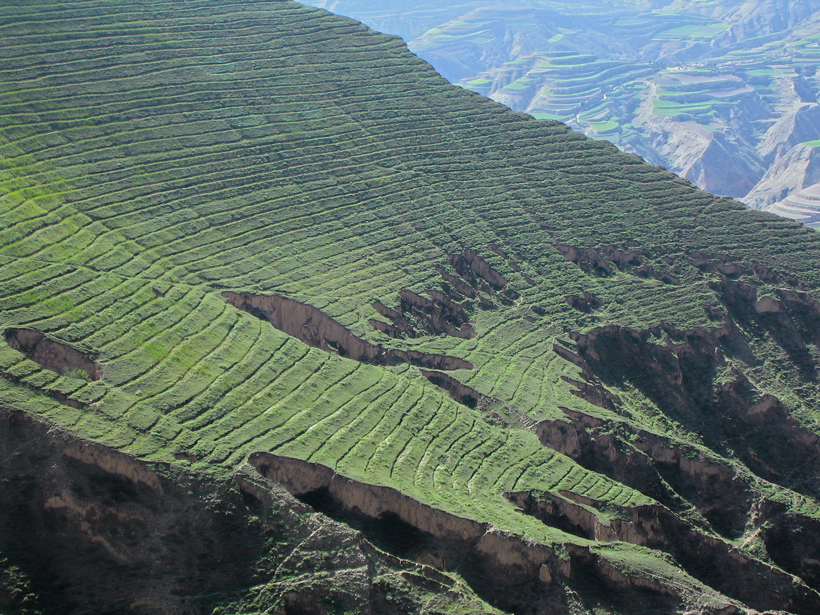
Workshop on Modeling and Managing Flood Risk in Mountainous Areas; Folsom, California, 17–19 February 2015
Science Updates
Posted inScience Updates
An International Initiative for Science in the Critical Zone
December CZ Science International Workshop; San Francisco, California, 13–14 December 2014
Posted inScience Updates
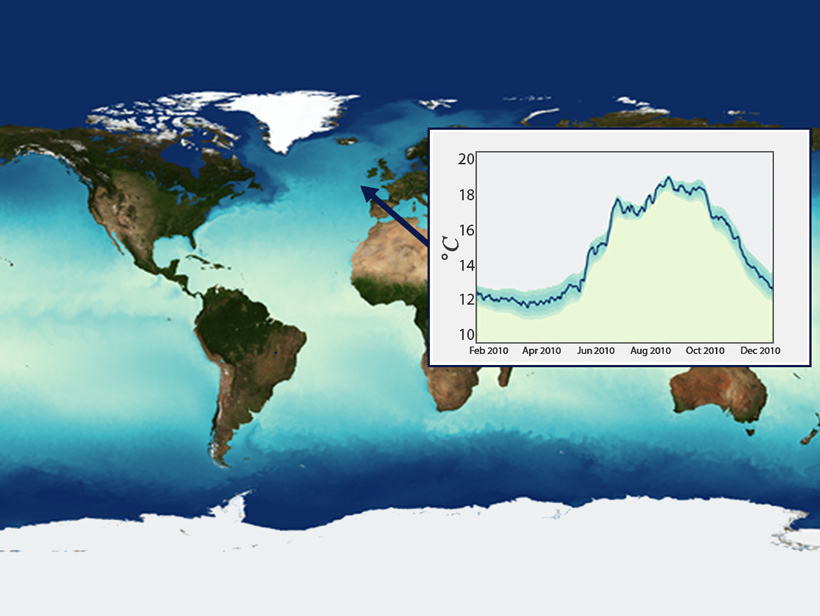
Communicating Uncertainties in Sea Surface Temperature
Sea Surface Temperature User Workshop on Uncertainties; Exeter, UK, 18–20 November 2014
Posted inScience Updates
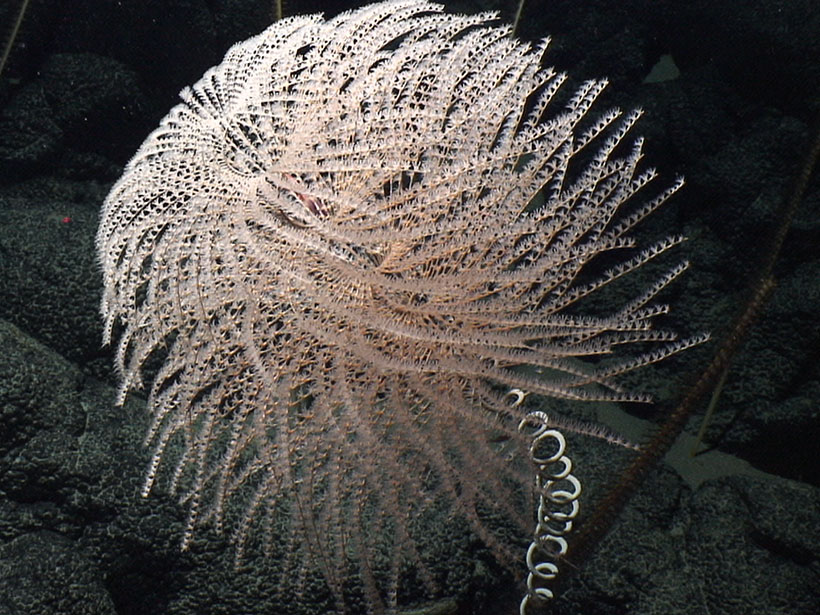
New Insights from Seafloor Mapping of a Hawaiian Marine Monument
New surveys help untangle the complex geologic history of the Hawaiian Archipelago and provide hints about where to seek marine life.
Posted inScience Updates
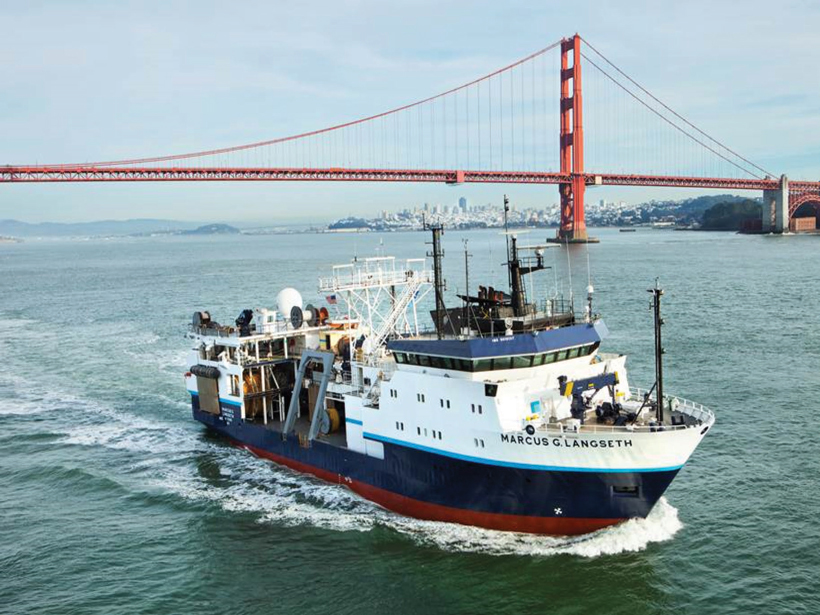
Better Utilization of Marine Seismic Data
Increasing the Access to and the Relevance of Marine Seismic Data; San Francisco, California, 11–13 December 2014
Posted inScience Updates
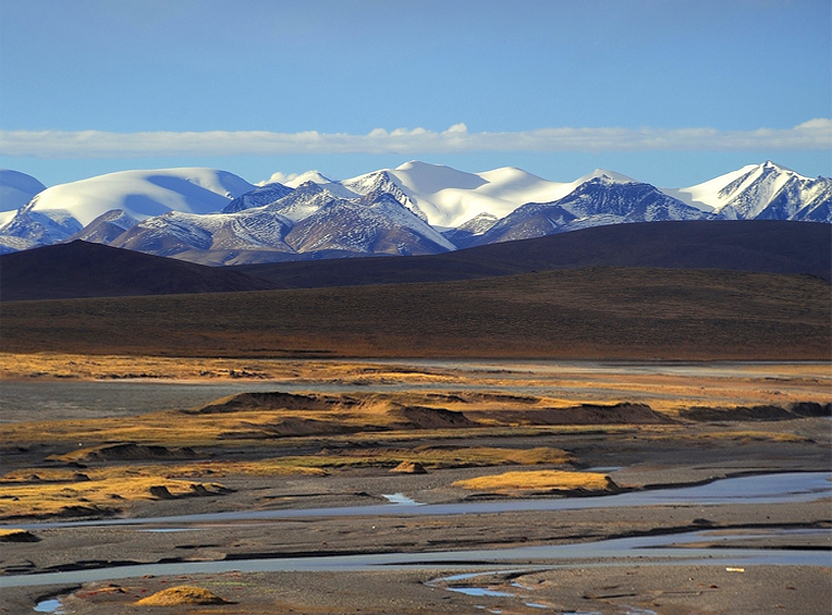
Advancing Multinational Research in the Highest Mountain Regions
5th Third Pole Environment Workshop; Berlin, Germany, 8–9 December 2014
Posted inScience Updates
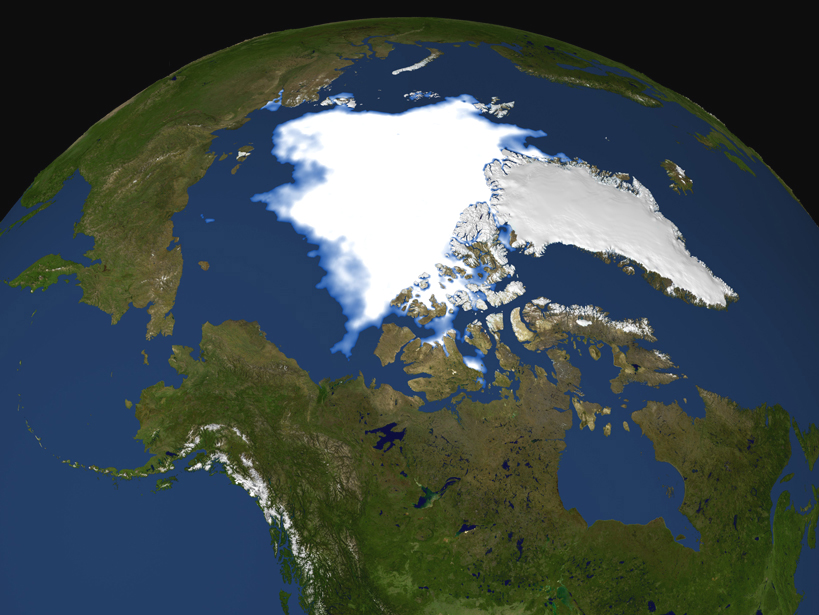
Connecting the Tropics to Polar Regions
Workshop on Connecting the Tropics to the Polar Regions; New York, New York, 2–3 June 2014

Posted inScience Updates
Fire in the Hole: Recreating Volcanic Eruptions with Cannon Blasts
Artificial volcanic plumes, fired from cannons loaded with ash plucked from the slopes of Iceland, may help researchers better monitor disruptive eruptions.
Posted inScience Updates
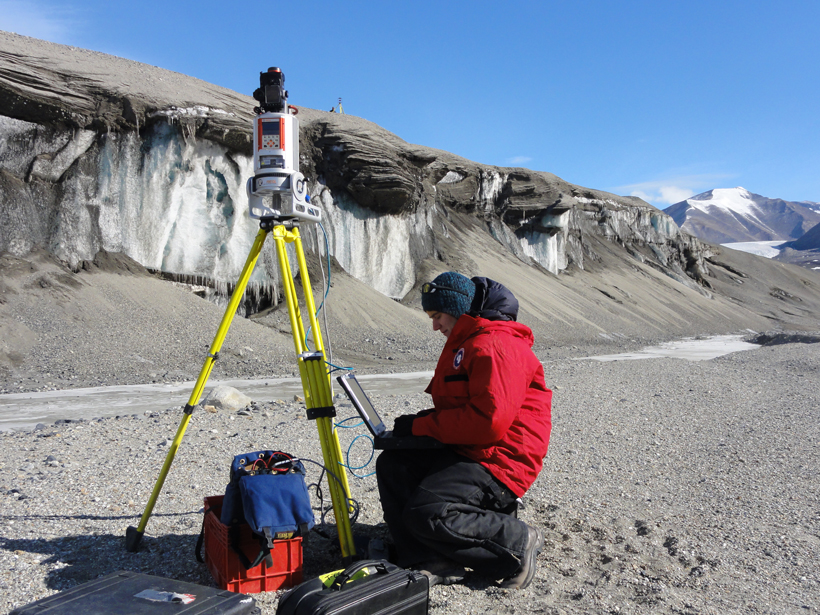
What Instruments Are Available for Polar Studies?
Instrumentation for Polar Glaciology and Geophysics Research Workshop; Baltimore, Maryland, 9–10 October 2014

Posted inScience Updates
Volatiles in Mars: Constraints, Questions, and Future Directions
Workshop on Volatiles in the Martian Interior; Houston, Texas, 3–4 November 2014