
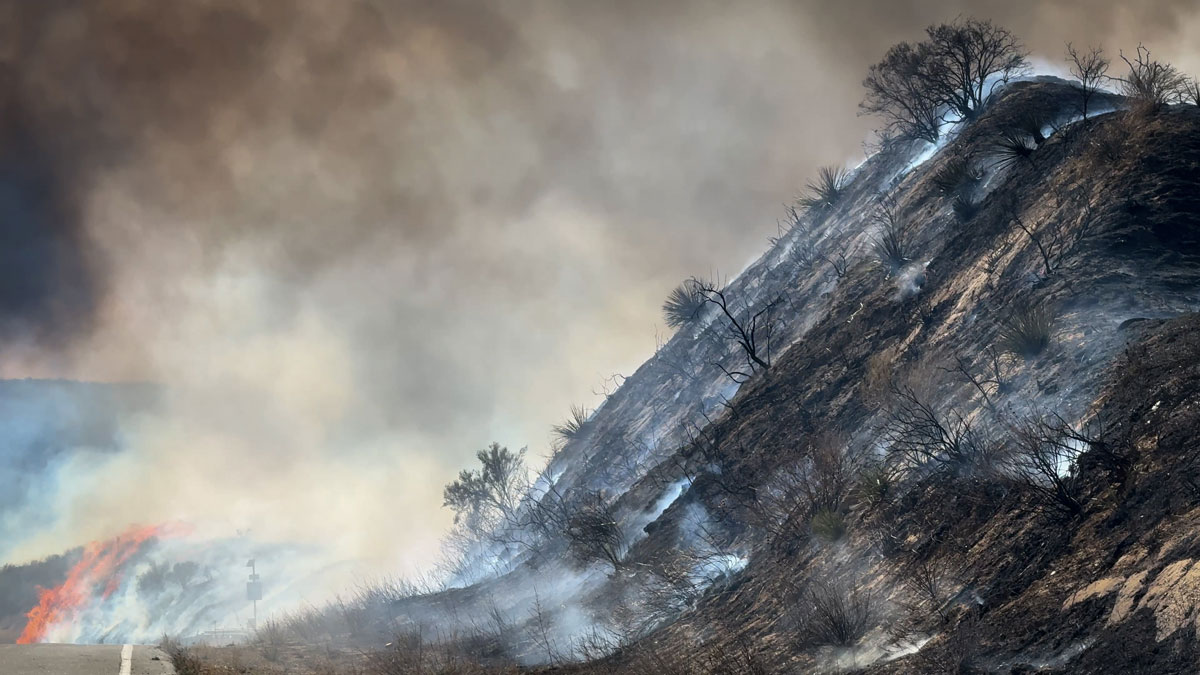
Scientists found that low autumn snow levels in western Eurasia are associated with dry, warm winters in California, increasing the Golden State’s wildfire risk.
2025 LA Fires
Posted inResearch Spotlights
Want to Predict Wildfire Severity? Look to the State of Vegetation
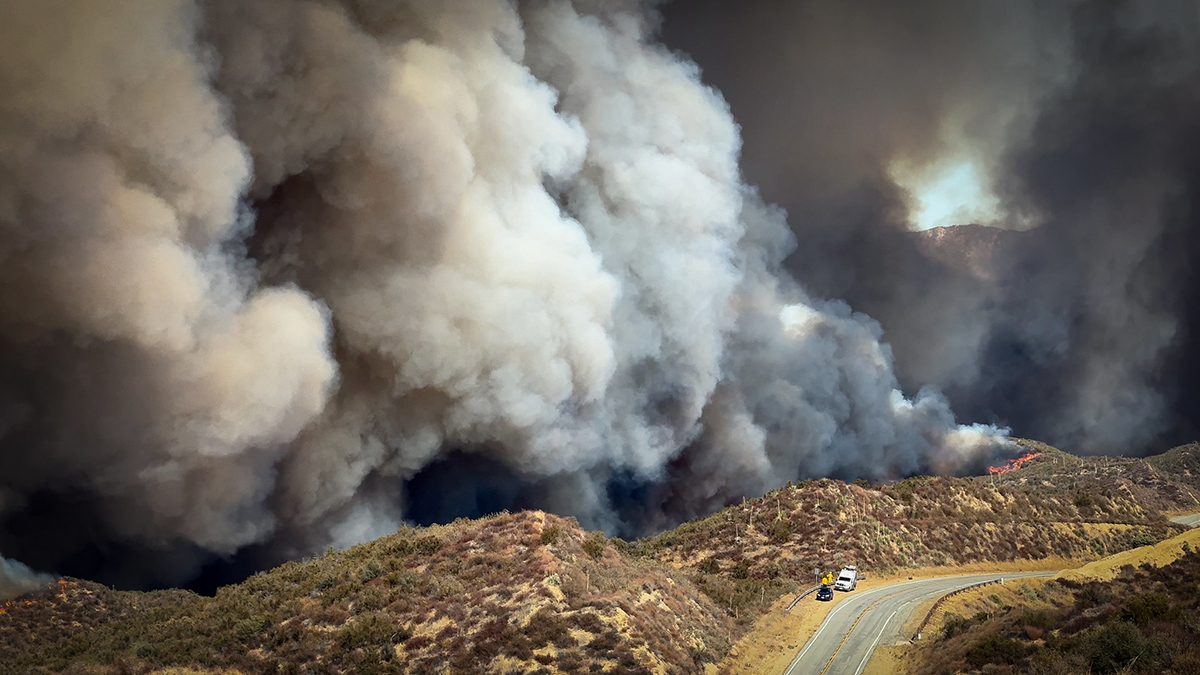
A new study connects satellite data on vegetation condition, topography, and weather conditions to examine the predicted versus actual burn severity of the 2025 Los Angeles wildfires.
Posted inScience Updates
An Art-Science Partnership Offering New Views of Dynamic Landscapes
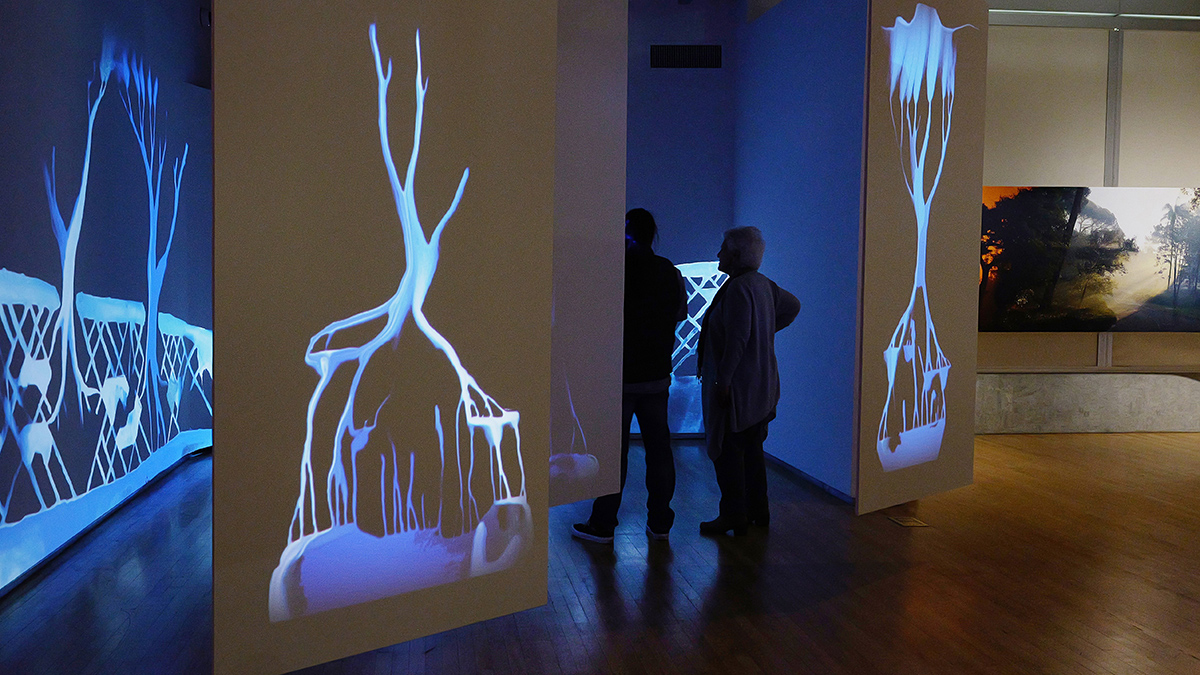
The immersive and interactive WILDLAND exhibition allowed the public—and the exhibition’s creators—to explore connections among water, trees, fire, and other natural and human-made materials expressed across a spectrum of artistic approaches.
Posted inAGU News
Fallout from the Fires
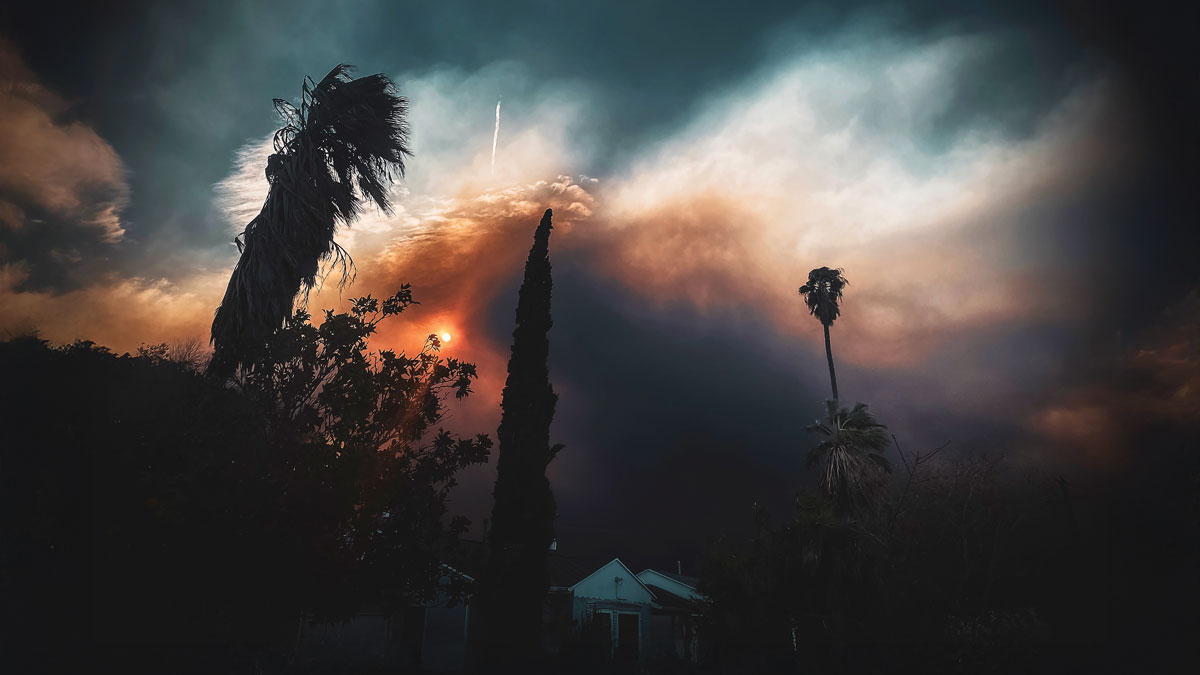
In January 2025, wildfires devastated Los Angeles neighborhoods and wildland alike. Scientists are contending with their lasting effects on air, land, and water.
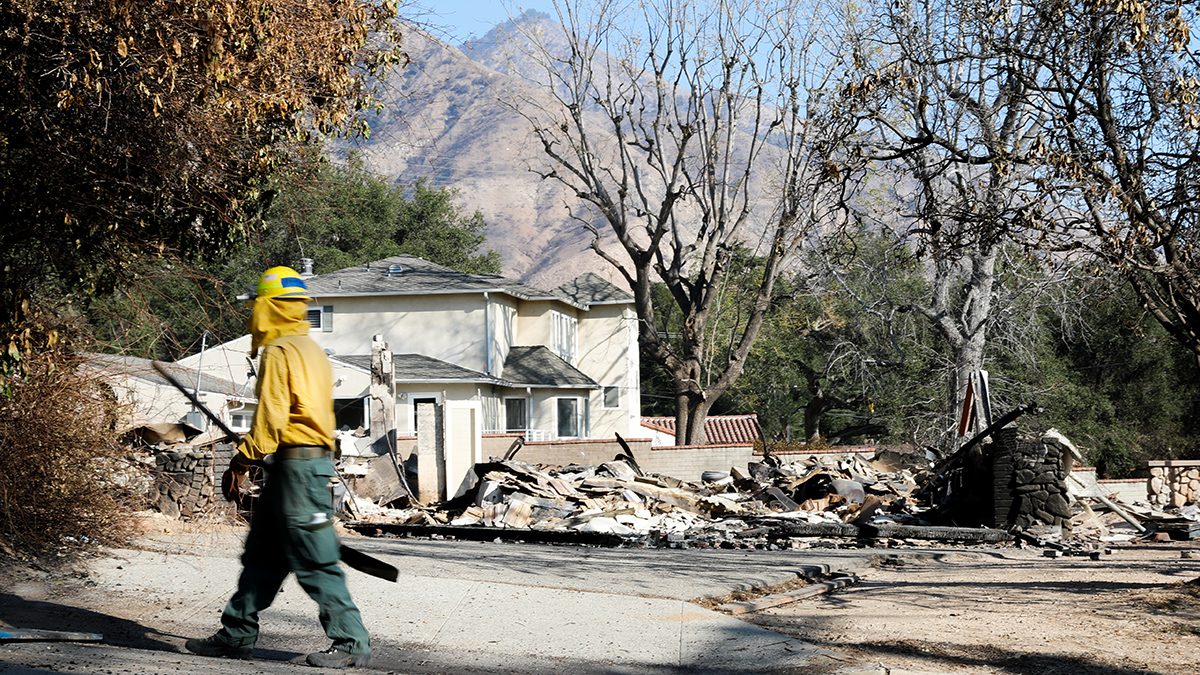
Posted inFeatures
When Disaster Science Strikes Close to Home

How have scientists across Los Angeles used their skills to help their communities recover from the 2025 fires?
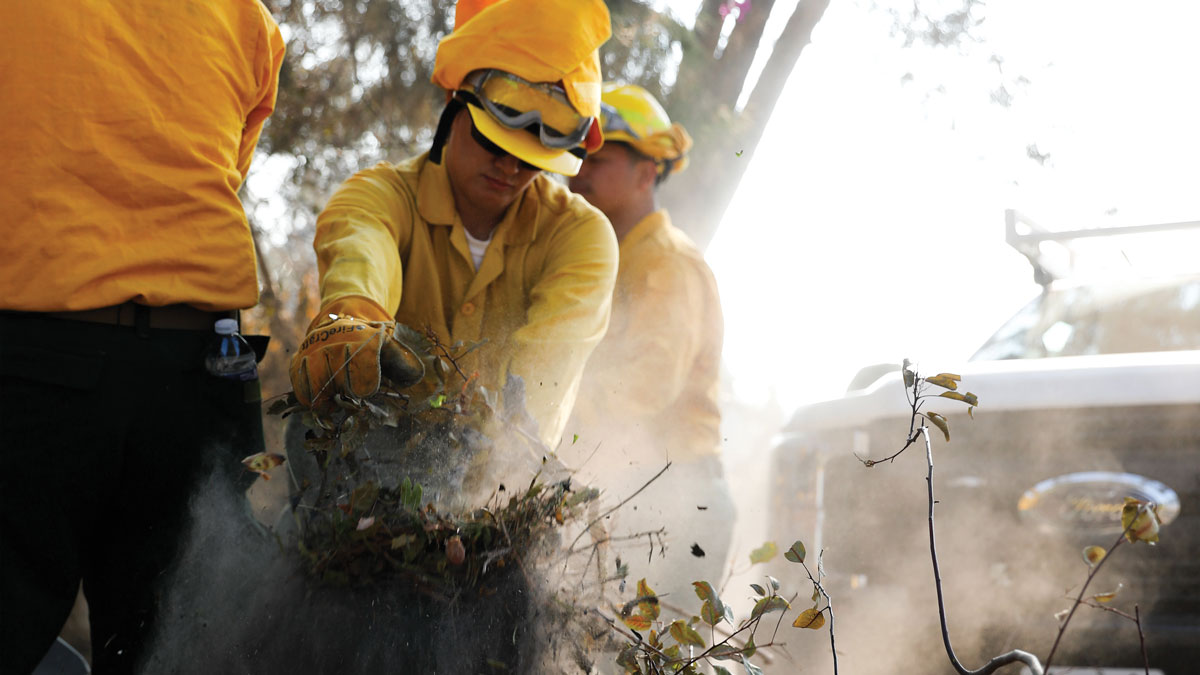
Posted inFeatures
Where There’s Fire, There’s Smoke

Using both existing and newly launched monitoring instruments, researchers work to better understand air quality during and after the Los Angeles wildfires.
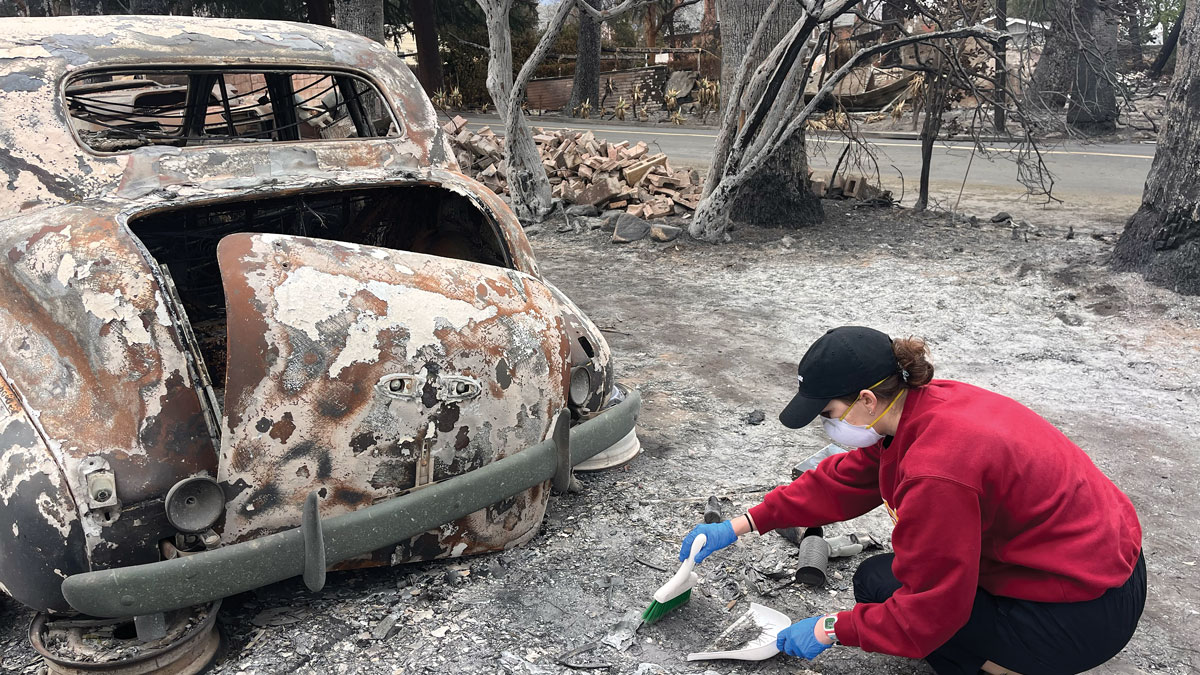
Posted inFeatures
Burning Urban and Wild Land Alike
When more densely populated Altadena and Pacific Palisades burned along with surrounding wildlands, hazards for residents didn’t stop when the fires were contained.
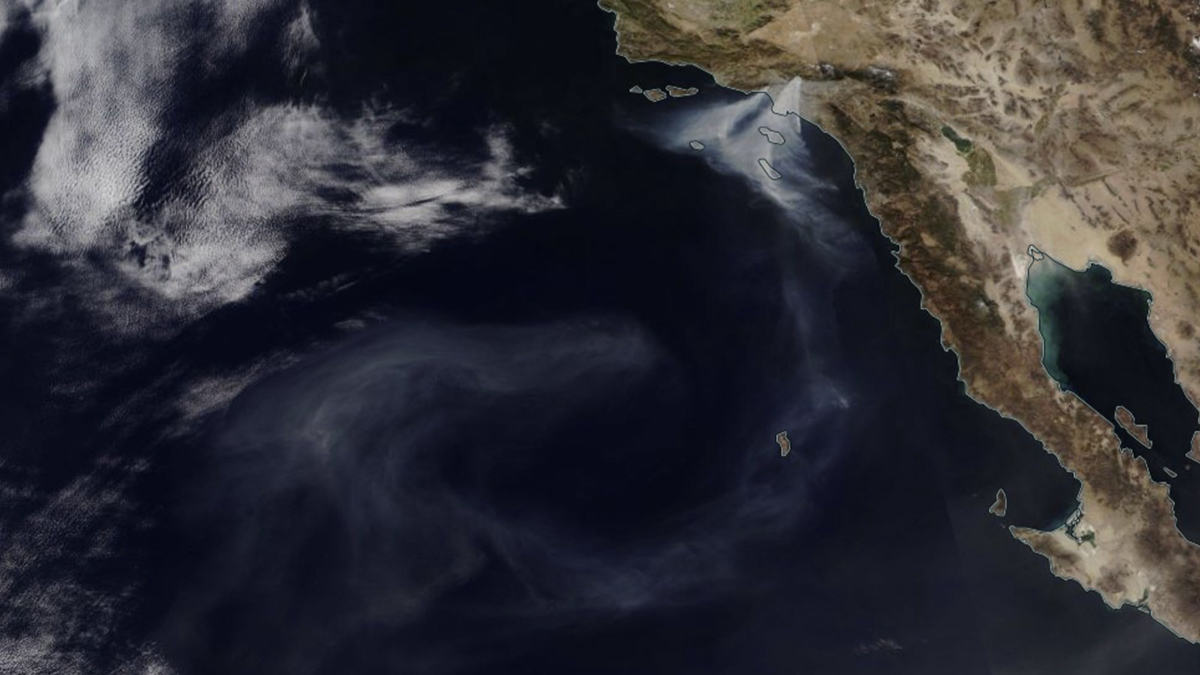
Posted inFeatures
Scrambling to Study Smoke on the Water

Timely action shows the impact of urban fires on freshwater and marine ecosystems.
Posted inNews
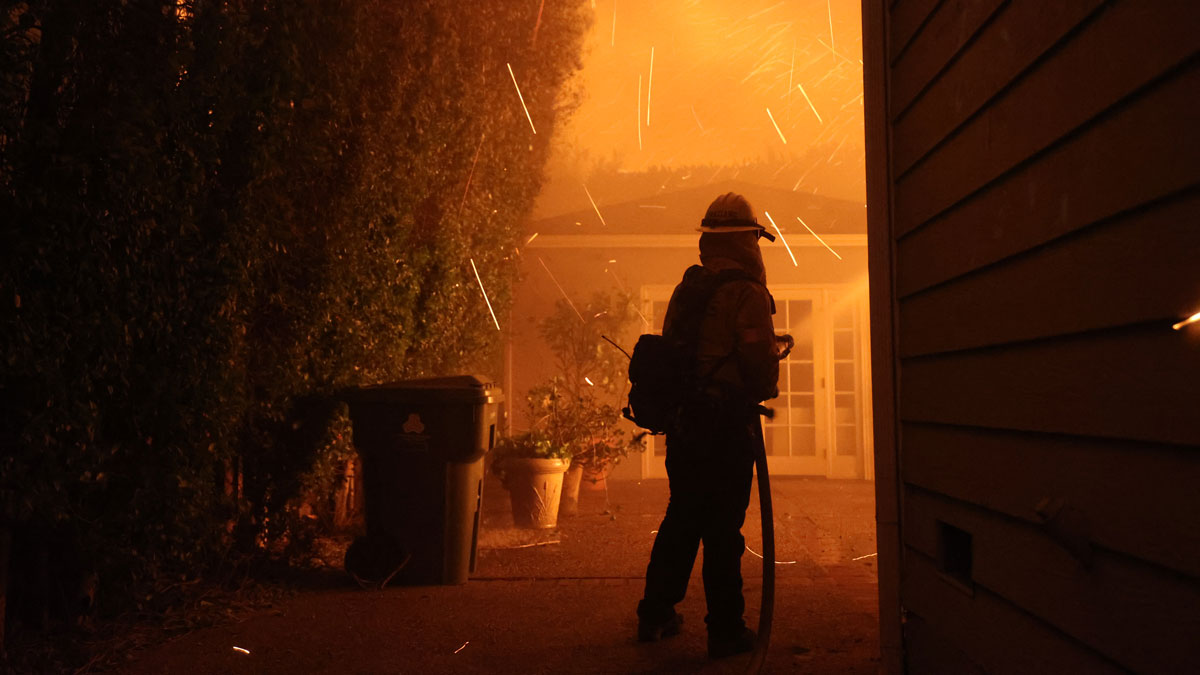
How Much Did Climate Change Affect the Los Angeles Wildfires?
High heat, dry fuel, and strong winds drove the Palisades and Eaton blazes.

Posted inNews
Jet Propulsion Laboratory Reopens as Fire Recovery Continues
Many JPL staff, including its director, are still displaced or without homes after devastating fires throughout the LA region.