• About
  • Special Reports
  • Topics
    • Climate
    • Earth Science
    • Oceans
    • Space & Planets
    • Health & Ecosystems
    • Culture & Policy
    • Education & Careers
    • Opinions
  • Projects
    • Postcards From the Field
    • ENGAGE
    • Editors’ Highlights
    • Editors’ Vox
    • Eos en Español
    • Eos 简体中文版
    • Print Archive: 2015–2025
  • Policy Tracker
  • Blogs
    • Research & Developments
    • The Landslide Blog
  • Newsletter
  • Submit to Eos
  • AGU.org
  • Career Center
  • Join AGU
  • Give to AGU
  • About
  • Special Reports
  • Topics
    • Climate
    • Earth Science
    • Oceans
    • Space & Planets
    • Health & Ecosystems
    • Culture & Policy
    • Education & Careers
    • Opinions
  • Projects
    • Postcards From the Field
    • ENGAGE
    • Editors’ Highlights
    • Editors’ Vox
    • Eos en Español
    • Eos 简体中文版
    • Print Archive: 2015–2025
  • Policy Tracker
  • Blogs
    • Research & Developments
    • The Landslide Blog
  • Newsletter
  • Submit to Eos
Skip to content
  • AGU.org
  • Career Center
  • Join AGU
  • Give to AGU
Eos

Eos

Science News by AGU

Support Eos
Sign Up for Newsletter
  • About
  • Special Reports
  • Topics
    • Climate
    • Earth Science
    • Oceans
    • Space & Planets
    • Health & Ecosystems
    • Culture & Policy
    • Education & Careers
    • Opinions
  • Projects
    • Postcards From the Field
    • ENGAGE
    • Editors’ Highlights
    • Editors’ Vox
    • Eos en Español
    • Eos 简体中文版
    • Print Archive: 2015–2025
  • Policy Tracker
  • Blogs
    • Research & Developments
    • The Landslide Blog
  • Newsletter
  • Submit to Eos

air pollution

Posted inResearch & Developments

Power Plants Will Be Allowed to Release More Than Twice As Much Mercury Into the Air

by Grace van Deelen 20 February 202620 February 2026

At a 20 February event in Kentucky, the Trump administration announced plans to loosen pollution restrictions for coal-burning power plants, including limits on emissions of mercury, a hazardous neurotoxin.

The United States White House on a cloudy, snowy day.
Posted inResearch & Developments

The Endangerment Finding Is Lost

by Grace van Deelen 11 February 202617 February 2026

Tomorrow, the EPA will revoke the 2009 Endangerment Finding, finalizing a July proposal to do so, Press Secretary Karoline Leavitt said in a 10 February announcement.

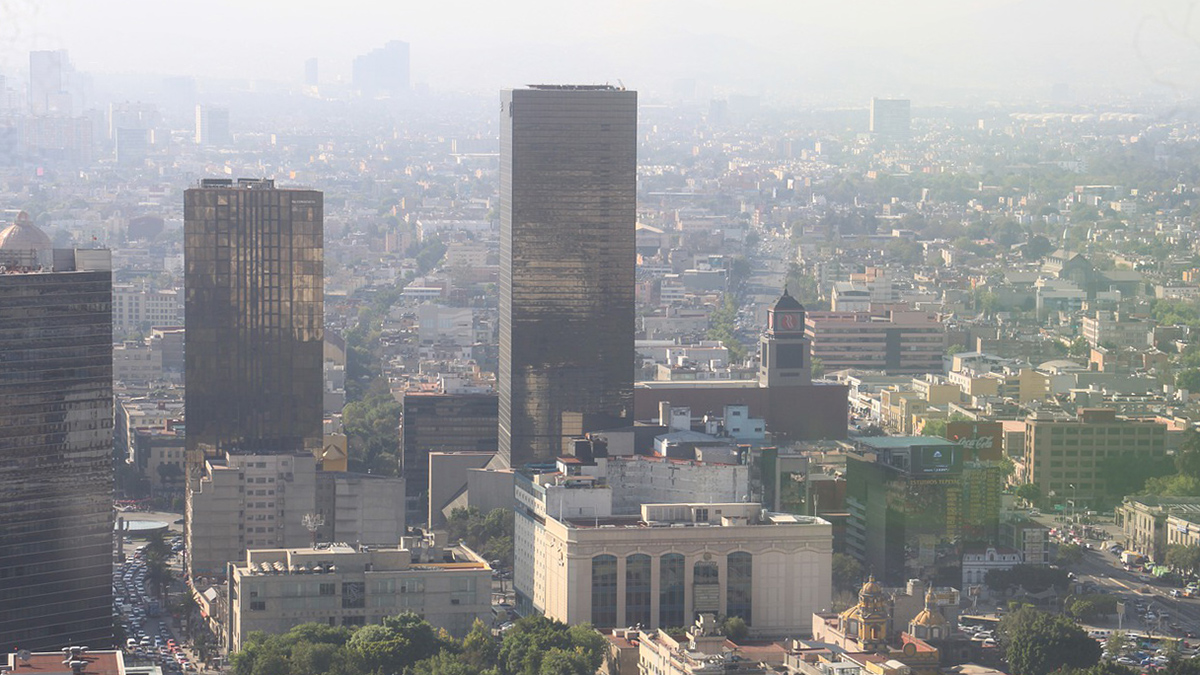
A city skyline with smog hanging over it
Posted inResearch Spotlights

Which Countries Are Paying the Highest Price for Particulate Air Pollution?

by Nathaniel Scharping 28 January 202628 January 2026

Reducing the effects of air pollution requires estimations of where it costs the most—in both money and lives.

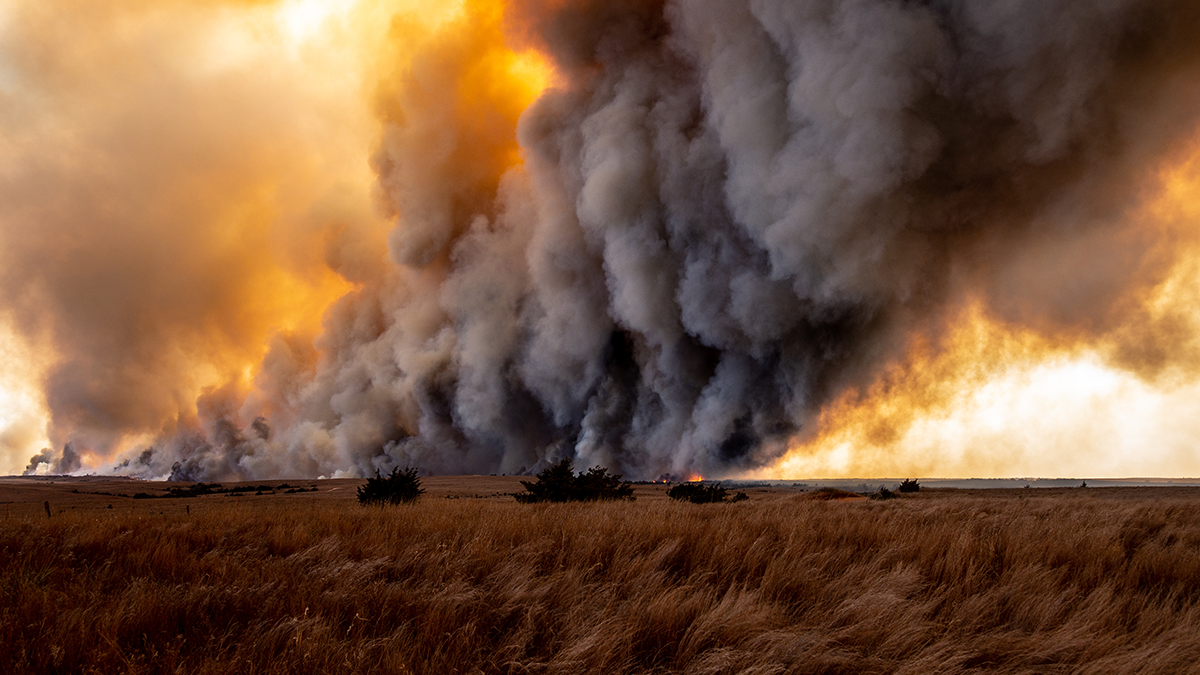
A large gray plume of wildfire smoke rises above a mountain range.
Posted inNews

Wildfire Smoke Linked to 17,000 Strokes Annually in the United States

by Emily Gardner 27 January 202627 January 2026

A study of 25 million Medicare participants adds to a body of evidence suggesting that prolonged exposure to wildfire smoke is more harmful to human health than other forms of air pollution.

The Sherburne County (Sherco) Generating Station, a coal-fired power plant owned by Xcel Energy, emits steam in Becker, Minnesota.
Posted inReport

The State of the Science 1 Year On: Environment

by AGU 15 January 202615 January 2026

Administration policies have eliminated funding sources, review processes, and pollution limits designed to protect the nation’s land, water, and air.

White streaks are seen across a blue sky over a body of water. In the distance is the Chicago city skyline.
Posted inNews

New Insights into the Foggy Role of Contrails Within Clouds

by Syris Valentine 12 January 202612 January 2026

New research helps clarify how frequently contrails form within clouds and what that means for their effect on the climate.

Researchers in a field preparing drones to collect smoke samples.
Posted inNews

Fungal Spores in Wildfire Smoke Could Cause Lung Disease

by Alonso Daboub 16 December 202516 December 2025

Mice exposed to fungi spready by wildfires developed symptoms, exposing a potential health hazard to humans that has been understudied.

Smokestacks at an industrial facility release gases into the air under a cloudy sky.
Posted inResearch & Developments

EPA to Abandon Stricter PM2.5 Air Pollution Limits

by Grace van Deelen 26 November 202526 November 2025

The U.S. Environmental Protection Agency moved this week to reduce limits on fine particulate air pollution, including soot, set by the Biden administration last year. 

epa-building
Posted inResearch & Developments

EPA Proposes That Major Polluters No Longer Report Their Emissions

by Emily Gardner 12 September 20252 February 2026

The EPA proposed today that approximately 8,000 polluting facilities, including oil refineries, power plants, and steel mills, should no longer be required to report their greenhouse gas emissions.

A lush, green forest with mist in the background.
Posted inResearch & Developments

Living Near an Indigenous Forest Could Reduce the Risk of Disease

by Grace van Deelen 11 September 202525 September 2025

An analysis of 20 years of health data in eight Amazonian countries, published today in Communications Earth and Environment, shows that protecting Indigenous-managed forests may help reduce various kinds of disease, including fire-related respiratory diseases and illnesses spread by animals.

Posts pagination

1 2 3 … 18 Older posts
Over a dark blue-green square appear the words Special Report: The State of the Science 1 Year On.

Features from AGU Publications

Research Spotlights

New Method Could Improve U.S. Forecasting of West Nile Virus

20 February 202620 February 2026
Editors' Highlights

Why More Rain Doesn’t Mean More Erosion in Mountains

20 February 202620 February 2026
Editors' Vox

A Double-Edged Sword: The Global Oxychlorine Cycle on Mars

10 February 202610 February 2026
Eos logo at left; AGU logo at right

About Eos
ENGAGE
Awards
Contact

Advertise
Submit
Career Center
Sitemap

© 2026 American Geophysical Union. All rights reserved Powered by Newspack