• About
  • Special Reports
  • Topics
    • Climate
    • Earth Science
    • Oceans
    • Space & Planets
    • Health & Ecosystems
    • Culture & Policy
    • Education & Careers
    • Opinions
  • Projects
    • Postcards From the Field
    • ENGAGE
    • Editors’ Highlights
    • Editors’ Vox
    • Eos en Español
    • Eos 简体中文版
    • Print Archive: 2015–2025
  • Policy Tracker
  • Blogs
    • Research & Developments
    • The Landslide Blog
  • Newsletter
  • Submit to Eos
  • AGU.org
  • Career Center
  • Join AGU
  • Give to AGU
  • About
  • Special Reports
  • Topics
    • Climate
    • Earth Science
    • Oceans
    • Space & Planets
    • Health & Ecosystems
    • Culture & Policy
    • Education & Careers
    • Opinions
  • Projects
    • Postcards From the Field
    • ENGAGE
    • Editors’ Highlights
    • Editors’ Vox
    • Eos en Español
    • Eos 简体中文版
    • Print Archive: 2015–2025
  • Policy Tracker
  • Blogs
    • Research & Developments
    • The Landslide Blog
  • Newsletter
  • Submit to Eos
Skip to content
  • AGU.org
  • Career Center
  • Join AGU
  • Give to AGU
Eos

Eos

Science News by AGU

Support Eos
Sign Up for Newsletter
  • About
  • Special Reports
  • Topics
    • Climate
    • Earth Science
    • Oceans
    • Space & Planets
    • Health & Ecosystems
    • Culture & Policy
    • Education & Careers
    • Opinions
  • Projects
    • Postcards From the Field
    • ENGAGE
    • Editors’ Highlights
    • Editors’ Vox
    • Eos en Español
    • Eos 简体中文版
    • Print Archive: 2015–2025
  • Policy Tracker
  • Blogs
    • Research & Developments
    • The Landslide Blog
  • Newsletter
  • Submit to Eos

Climate Change

A partial skull of the Miocene great ape Lufengpithecus
Posted inResearch Spotlights

Why Did Great Apes Disappear from Southwestern China?

Sarah Stanley, Science Writer by Sarah Stanley 23 June 202026 January 2023

Periodic pulses of cooler temperatures may have disrupted the warm, humid, late Miocene climate that sustained the region’s great apes long after most species disappeared elsewhere.

View of industrial exhaust rising from smokestacks in the background, with electrical transmission towers and poles in the foreground
Posted inScience Updates

Clearing the Haze Around Aerosol Assessments

by X. Liu, Z. Lin and Minghua Zhang 23 June 202029 September 2021

An international gathering of scientists discussed the state of the art in assessments of how aerosol particles in the atmosphere affect Earth’s climate.
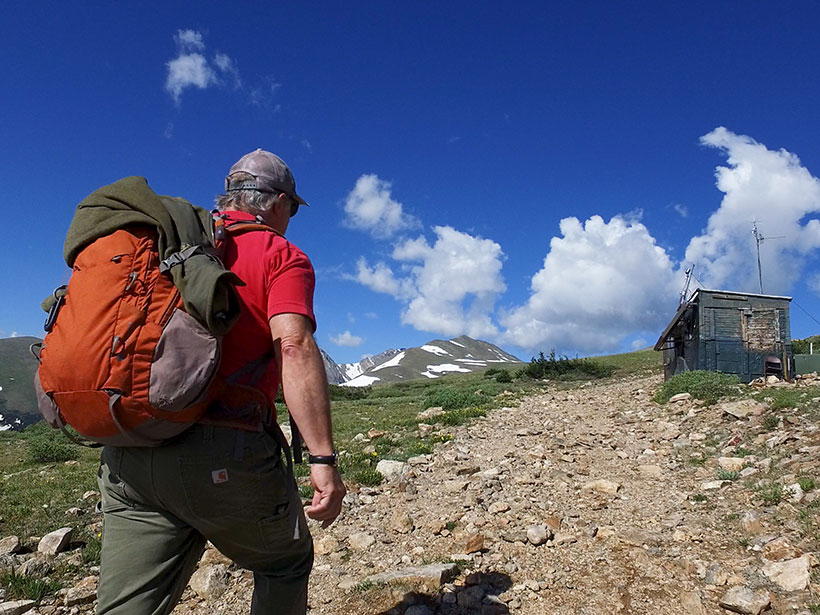
A man backpacks up a rocky trail to an air-sampling station
Posted inNews

Radioactive Bookkeeping of Carbon Emissions

Sarah Derouin, Science Writer by Sarah Derouin 22 June 20207 March 2022

A new sampling method uses carbon-14 to single out which carbon dioxide molecules in the atmosphere derive from fossil fuels. The method could help track emissions goals for climate mitigation.

Colorful panorama of Hong Kong's harbor and skyline, as seen from Victoria Peak on a rainy night
Posted inNews

Urban Land Could Increase Sixfold by 2100

Kate Wheeling, freelance science writer by Kate Wheeling 22 June 202030 November 2022

Experts agree that as urbanization continues through the 21st century, cities need to focus on sustainable development to meet climate goals.
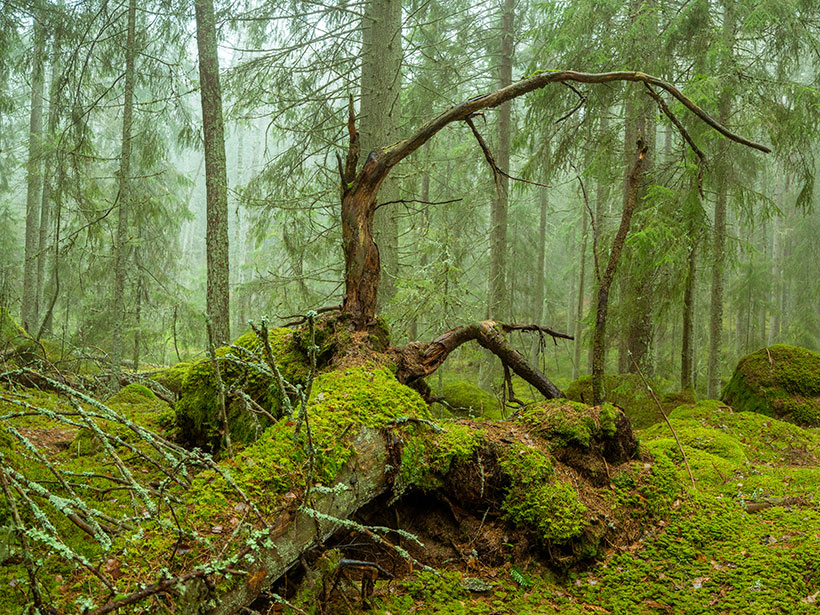
Ancient conifers in Ycke Nature Reserve, Sweden
Posted inNews

Europe Launches Biodiversity Strategy for the Coming Decade

by James Dacey 17 June 202018 April 2022

Amid the coronavirus uncertainty, the European Union is standing by its Green Deal pledges.
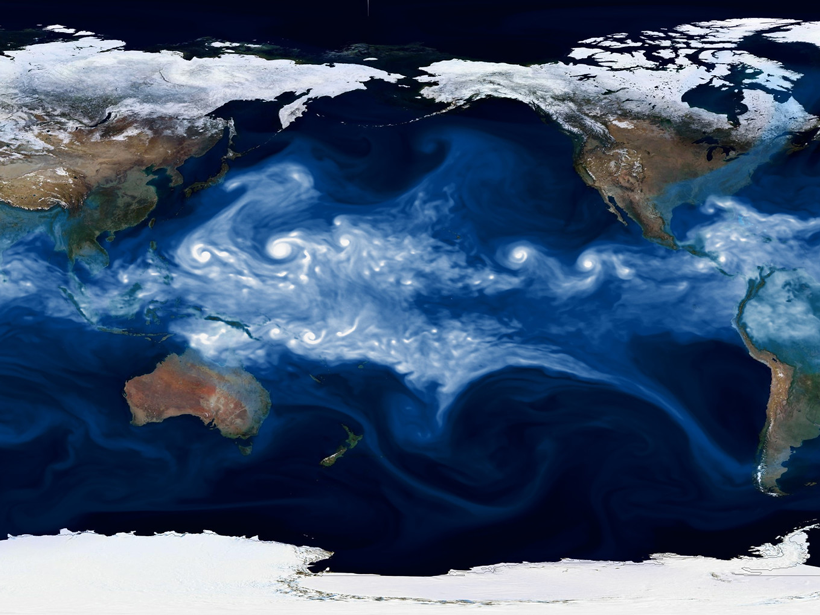
Satellite image with modeling of extreme weather
Posted inNews

Teaching Machines to Detect Climate Extremes

Javier Barbuzano, Science Writer by Javier Barbuzano 17 June 202030 January 2024

Artificial intelligence can be used to analyze massive amounts of data from climate simulations, but more training data are needed.
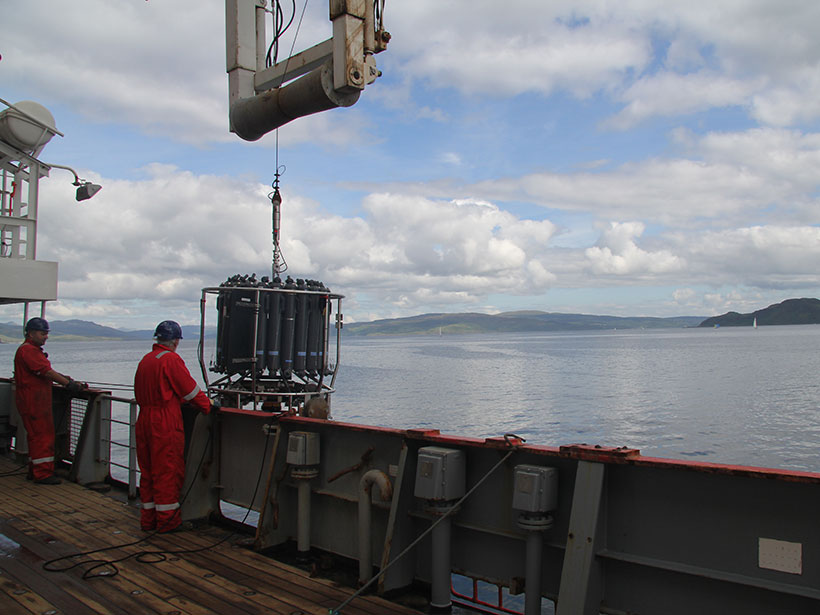
Two researchers look on as a water-sampling device hangs over the side of a research vessel during a cruise to study nitrous oxide emissions.
Posted inResearch Spotlights

Marine Nitrous Oxide Emissions off Northwest Europe

Aaron Sidder, freelance science writer by Aaron Sidder 17 June 202023 February 2023

Continental shelves and estuaries are natural sources of nitrous oxide, but current global estimates of these emissions carry a lot of uncertainty, a problem that calls for regional studies.

Fossil ferns of the Late Devonian
Posted inNews

Did Ozone Loss Cause the End Devonian Mass Extinction?

Hannah Thomasy, Science Writer by Hannah Thomasy 16 June 202029 September 2022

Ozone loss, perhaps as a consequence of a warming climate, may have been responsible for a catastrophic loss of biodiversity.

Aerial photo of the Yongle blue hole in the South China Sea
Posted inResearch Spotlights

El Ciclo del Carbono en el Agujero Azul Más Profundo de la Tierra

Elizabeth Thompson by Elizabeth Thompson 16 June 20202 September 2022

Científicos encuentran nuevos extremos mientras investigan el ciclo del carbono en el agujero azul de Yongle.
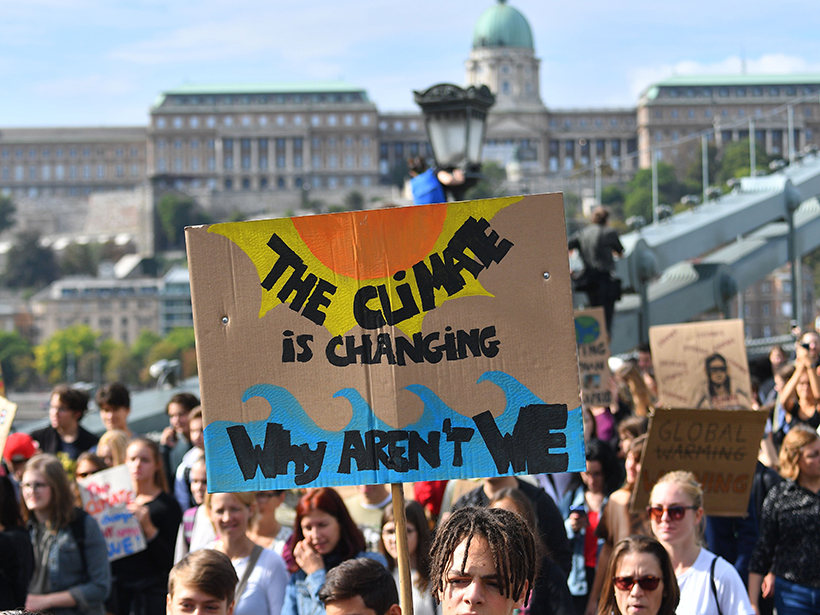
Protestor holding sign
Posted inNews

“Now Is the Time” for Green Recovery, Scientists Say

Jenessa Duncombe, Staff Writer by Jenessa Duncombe 15 June 202028 September 2021

Otherwise, fossil fuel emissions will return to normal.

Posts pagination

Newer posts 1 … 135 136 137 138 139 … 267 Older posts
Over a dark blue-green square appear the words Special Report: The State of the Science 1 Year On.

Features from AGU Publications

Research Spotlights

Community Members Test Oklahoma Waters

9 November 20269 November 2026
Editors' Highlights

Trash to Treasure? Increased Soil Phosphorus in Farmed Urban Soils

5 November 20264 November 2026
Editors' Vox

Announcing the New AGU Publications Editors-in-Chief Starting in 2027

6 November 20266 November 2026
Eos logo at left; AGU logo at right

About Eos
ENGAGE
Awards
Contact

Advertise
Submit
Career Center
Sitemap

© 2026 American Geophysical Union. All rights reserved Powered by Newspack