
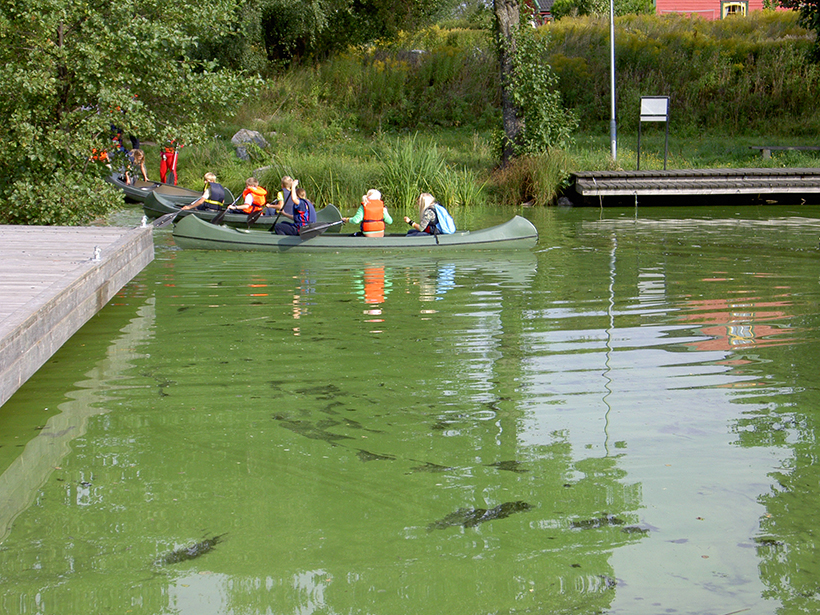

High nutrient concentrations cause water quality problems in lakes, and as the climate warms, these issues will only get worse. A new model assesses future scenarios and explores solutions.
Climate Change
Posted inNews
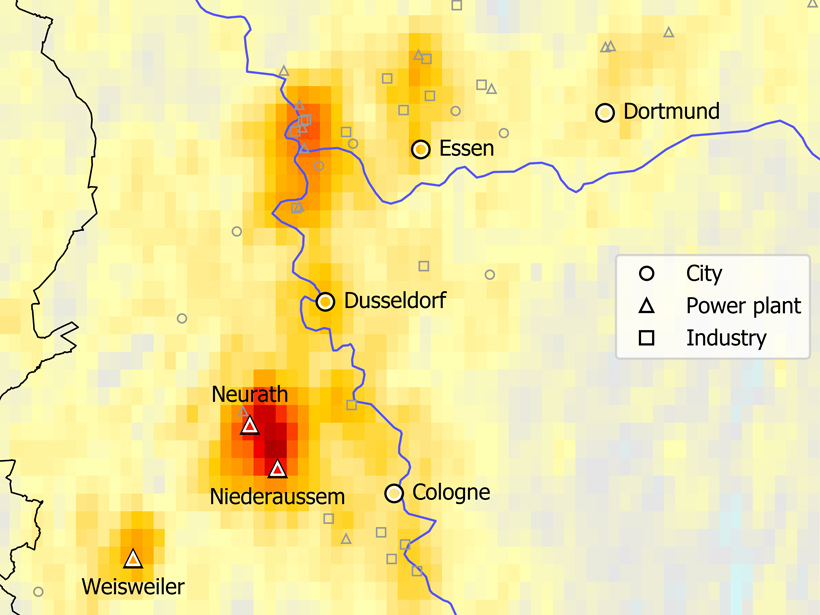
Pinpointing Emission Sources from Space

Satellite data combined with wind models bring scientists one step closer to being able to monitor air pollution from space.
Posted inNews
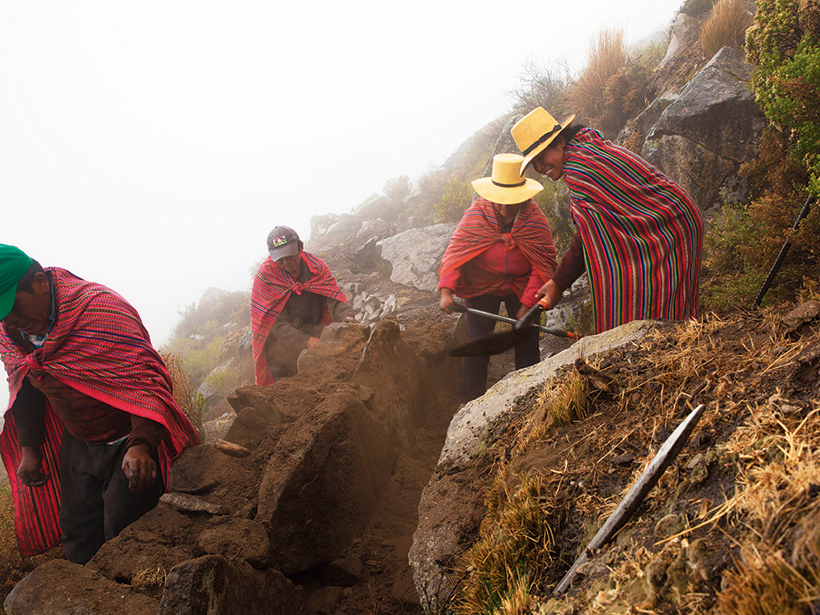
Pre-Inca Canal System Uses Hillsides as Sponges to Store Water

To prepare for a drier future on Peru’s western coast, researchers are turning to techniques of the past.

Posted inNews
What Do You Get When You Cross a Thunderstorm with a Wildfire?

Lightning, fire vortices, and black hail are some of the frightening features of fire-fueled storms, which may become more common in the future.

Posted inNews
Atmospheric Rivers Have Different “Flavors”
New research is helping scientists understand why moisture-laden atmospheric rivers of similar intensities have different effects on land.

Posted inNews
Dead Reefs Keep Calcifying but Only by Day
A new measurement technique has revealed that turf algae communities colonizing dead reefs have a dual role, adding new mineral material to the reefs during the day and taking it away at night.

Posted inScience Updates
Hackathon Speeds Progress Toward Climate Model Collaboration
Climate scientists collaborated in a nationwide event to analyze and compare archived Earth system model simulations and to generate input for the IPCC’s upcoming climate change report.

Posted inNews
Heat Waves Born of Earth and Sky

Researchers use computer simulations to uncover the significant contributions that dry soil and atmospheric wind patterns make to major heat waves.

Posted inResearch Spotlights
Reconstructing 150 Million Years of Arctic Ocean Climate
A new summary of past Arctic climate conditions gives insight into anthropogenic influences on today’s climate and on the need for future drilling studies to further improve our understanding of the past.
Posted inScience Updates
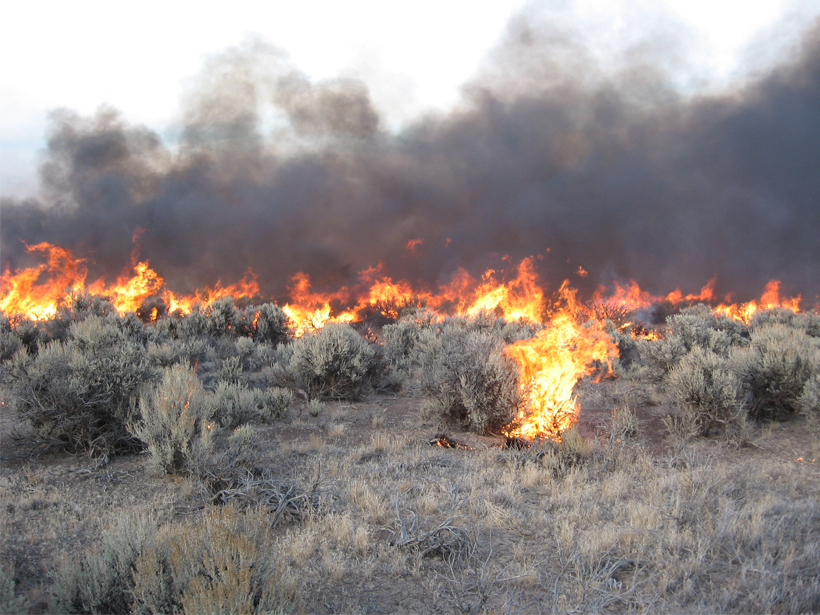
Rating Fire Danger from the Ground Up
Soil moisture information could improve assessments of wildfire probabilities and fuel conditions, resulting in better fire danger ratings.