


The icy weather phenomenon leads to more than $10 billion in damages each year. Nonetheless, research on hail is lacking, scientists say.
Climate Change

Posted inScience Updates
How Much Land Surface Is Under Water at Any Given Time?
NASA Workshop on Remote Sensing of Inundation Extent; Boulder, Colorado, 21–22 May 2018
Posted inResearch Spotlights
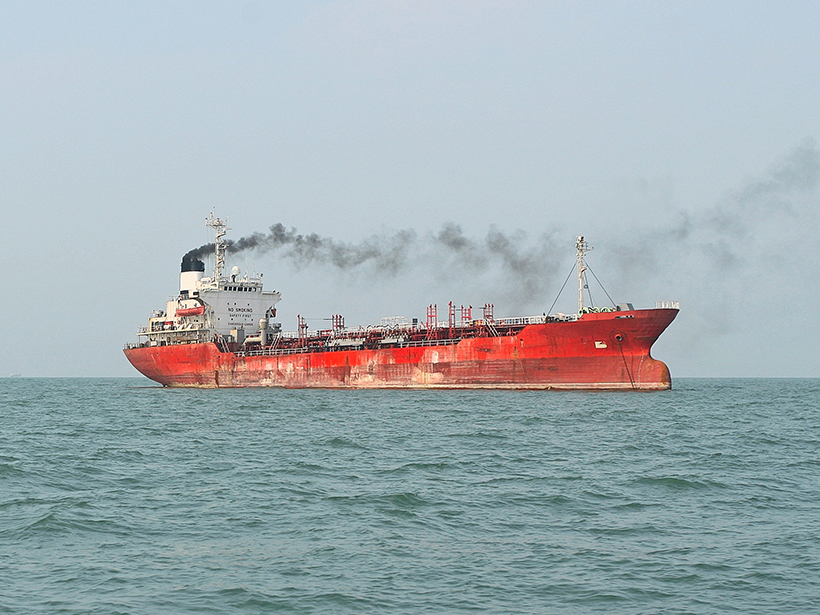
Brown Carbon from Increased Shipping Could Harm Arctic Ice
Emission from a ship’s engine gives clues to how much light-absorbing molecules may build up on and above snow and sea ice. Such emissions are likely to increase as more ships venture into the Arctic.

Posted inResearch Spotlights
Why Trace Metals Cling to the Ocean’s Skin
Metals within the millimeter-thick sea surface microlayer may impact ocean health and climate.
Posted inScience Updates
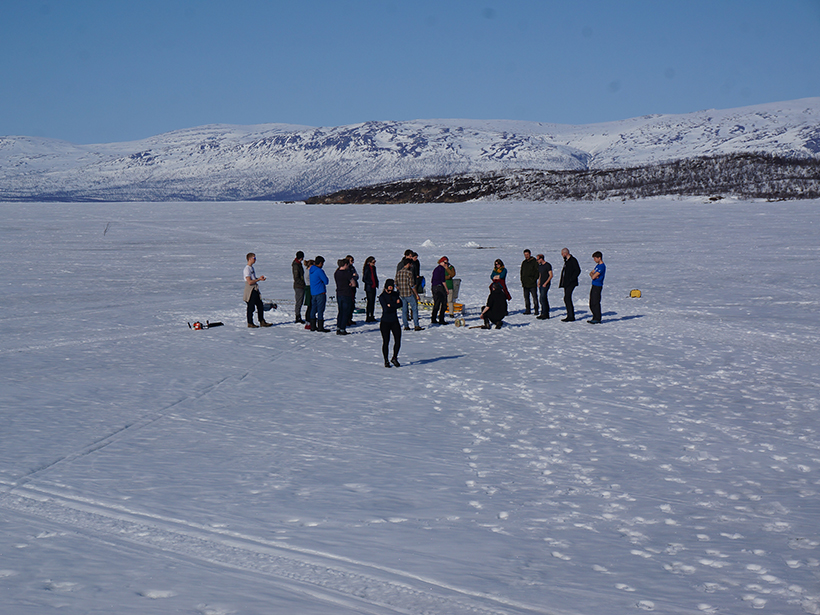
Training Early-Career Polar Weather and Climate Researchers
Polar Prediction School; Abisko Scientific Research Station, Sweden, 17–27 April 2018

Posted inNews
Dinosaur-Killing Asteroid Impact Made Huge Dead Zones in Oceans

The discovery reveals similarities between the extinction event that ended the Mesozoic Era and human-driven global warming.

Posted inResearch Spotlights
Improving Air Quality Could Prevent Thousands of Deaths in India
More stringent emission controls are key to the country’s future health.

Posted inScience Updates
Modeling the Effects of Geoengineering
Report on the Eighth Annual GeoMIP Meeting; Zürich, Switzerland, 16–17 April 2018
Posted inENGAGE, News
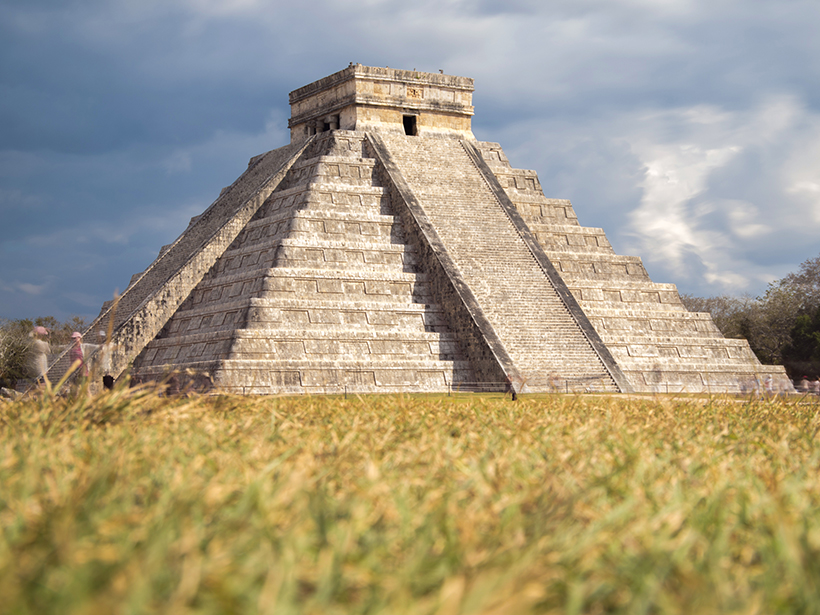
Severe Drought May Have Helped Hasten Ancient Maya’s Collapse

Chemical signatures from sediments in lake cores reveal that the centuries-long drought during the fall of Classic Maya civilization was worse than researchers had imagined.

Posted inResearch Spotlights
Rising Seas Increase Methane Emissions from the Mouths of Rivers
Drowned river deltas exhale large quantities of greenhouse gas, new study finds.