
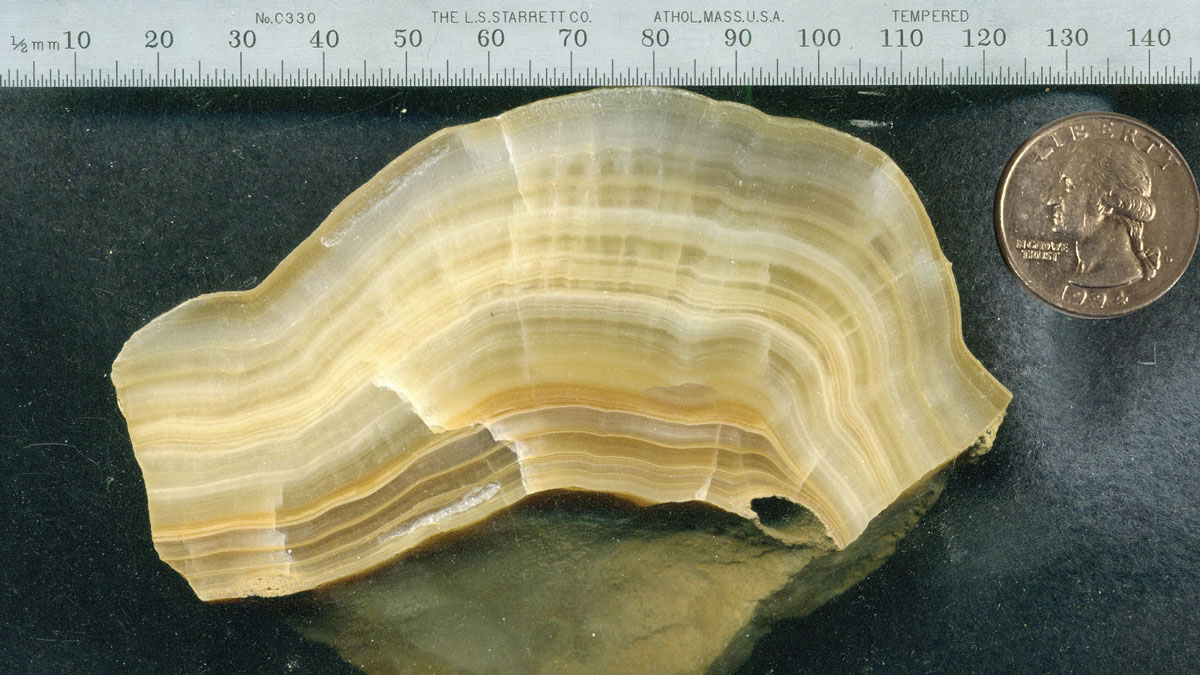
A speleothem has revealed rapid periods of warming across the interior of the continent during the last glacial period, corresponding to similar events recorded in Greenland ice.
Climate Change

Posted inScience Updates
Envisioning a Near-Surface Geophysics Center for Convergent Science
A recent effort identified how a proposed near-surface geophysics center integrating research and teaching could address critical challenges and promote community engagement and cultural change.

Posted inNews
Back-to-Back Hurricanes Could Become Common by 2100
New research shows back-to-back hurricanes could strike the United States every few years by 2100.

Posted inNews
Deep-Sea Sand and Where to Find It
Ancient underwater avalanches carried sand into the ocean’s abyss during a time when some least expected it.

Posted inEditors' Highlights
Scotland’s Last Glaciers Cause a Shift in an Old Paradigm
Cosmogenic geochronology of Scotland’s vanished glaciers indicates that the paradigm of weakened North Atlantic currents causing a rapid regional cooling is no longer valid.
Posted inNews
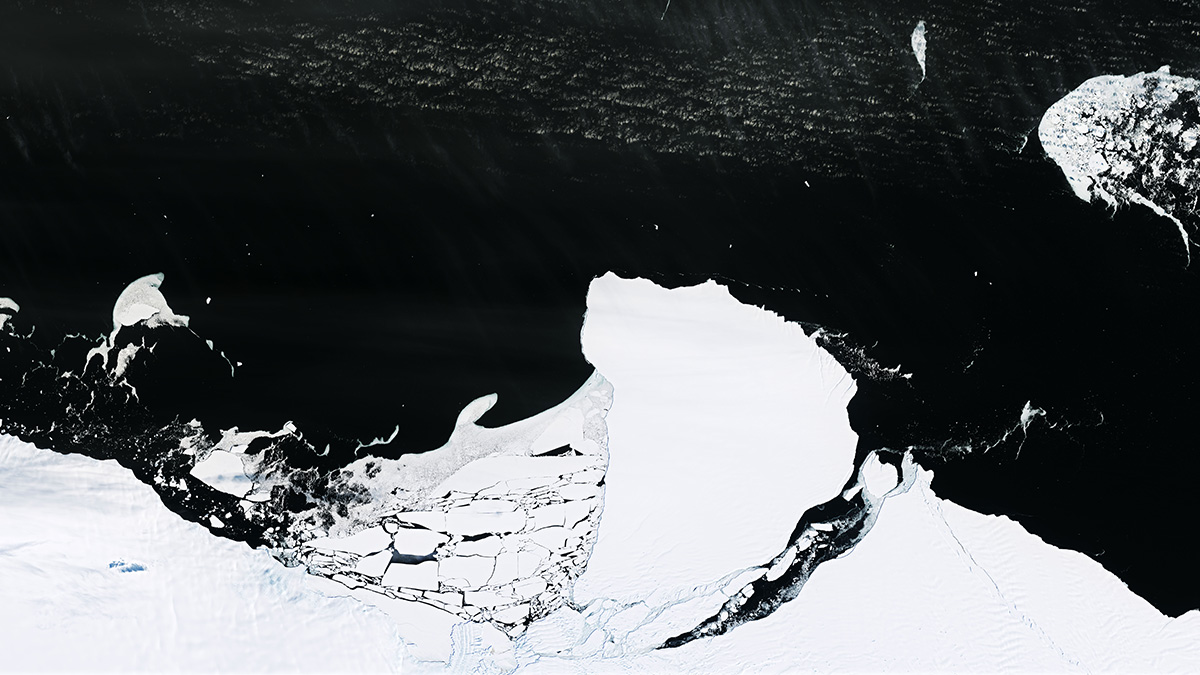
Supercharged El Niño Could Speed Up Southern Ocean Warming
Projected changes to El Niño will likely accelerate warming of the deep oceans around the Antarctic, supplying heat that could drive ice loss and sea level rise.

Posted inENGAGE, News
Como as mudanças climáticas estão afetando as mulheres na Amazônia
Secas e enchentes alteraram radicalmente a agricultura familiar, mas lideranças femininas estão encontrando soluções para si e suas comunidades.

Posted inNews
Refugees Are Replanting Trees in Northern Uganda
In the Palorinya Refugee Settlement, efforts to reduce deforestation and increase tree coverage help the ecosystem and improve refugees’ quality of life.
Posted inENGAGE, News
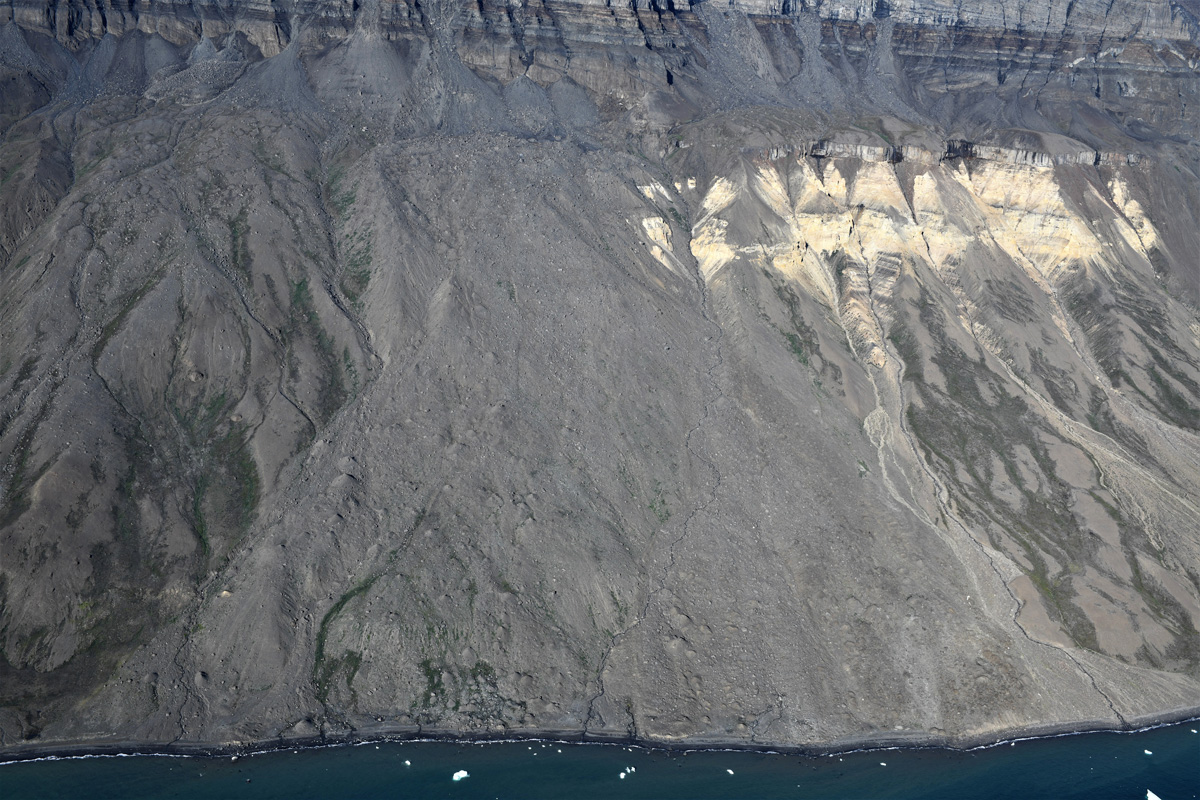
A 1952 Landslide Hints at Early Permafrost Thaw in the Arctic
Scientists took a deeper look at a 70-year-old slide and found that climate change likely set the stage for the disaster.
Posted inEditors' Highlights
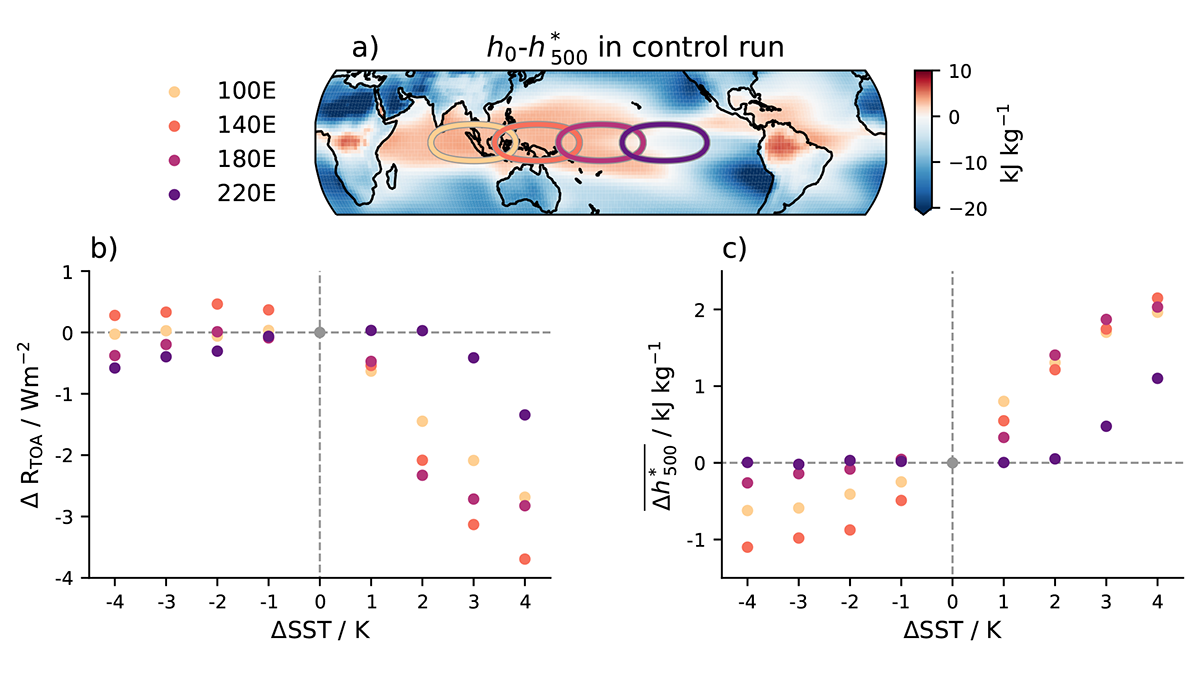
Non-Linear Climate Response to Tropical Sea Surface Temperatures
A new study shows the importance of considering non-linear responses to isolated sea surface temperature (SST) changes and the implications for the linear frameworks used to quantify the SST pattern effect.