
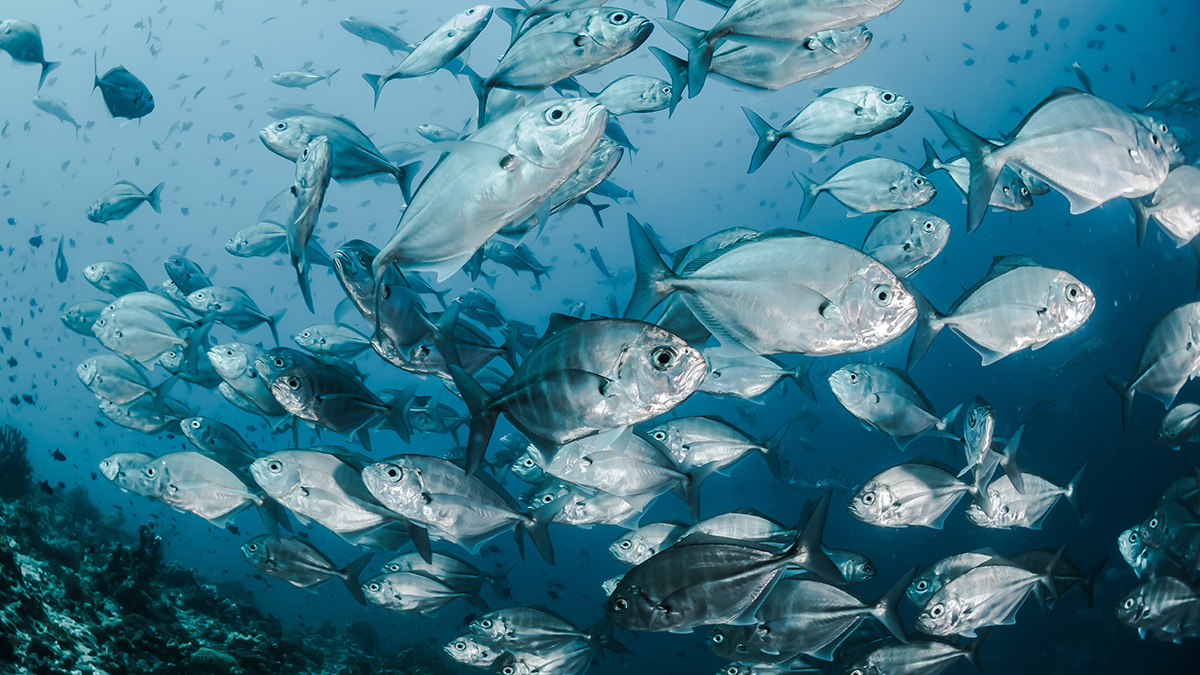
Teeth and scales preserved in marine sediments suggest that fish thrived during one of Earth’s fastest-warming periods.
climate
Posted inNews
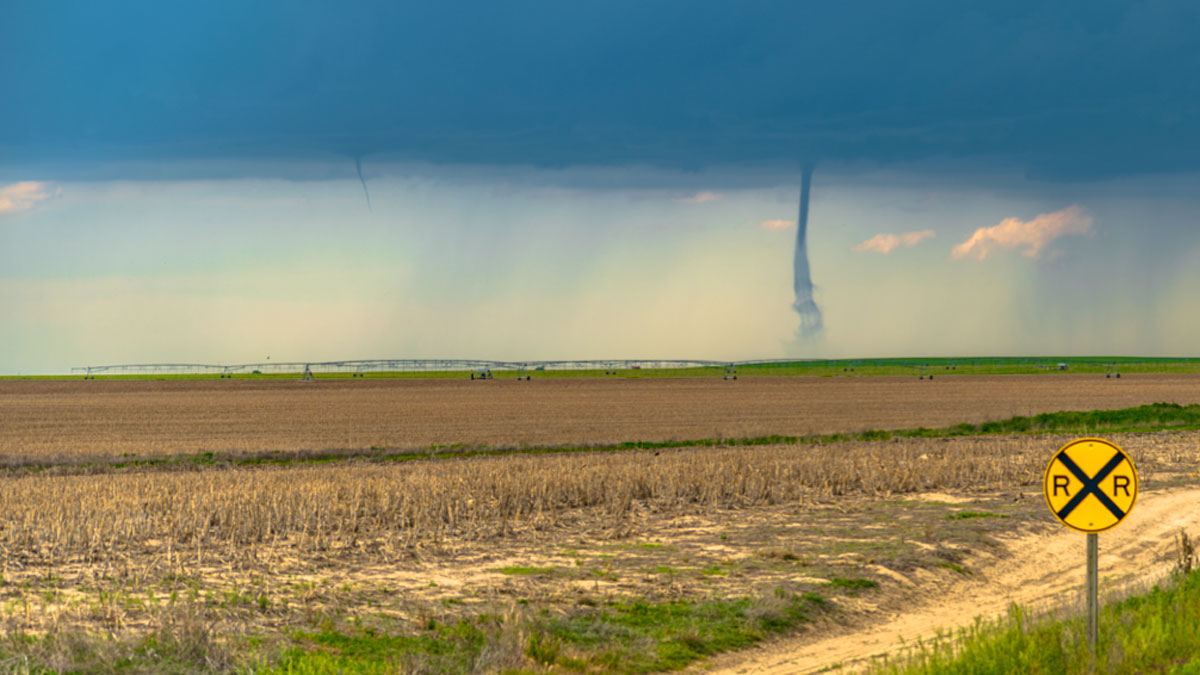
A Hotter Earth Means Stronger Tornadoes
Although their frequency may decrease, models suggest anthropogenic climate change will increase the intensity of tornado outbreaks.

Posted inNews
Indigenous Communities Outline Their Climate Data Priorities

Native American tribal communities are actively engaged in adapting to climate change. What information and data will help them build resilience to the new normal?
Posted inENGAGE, News
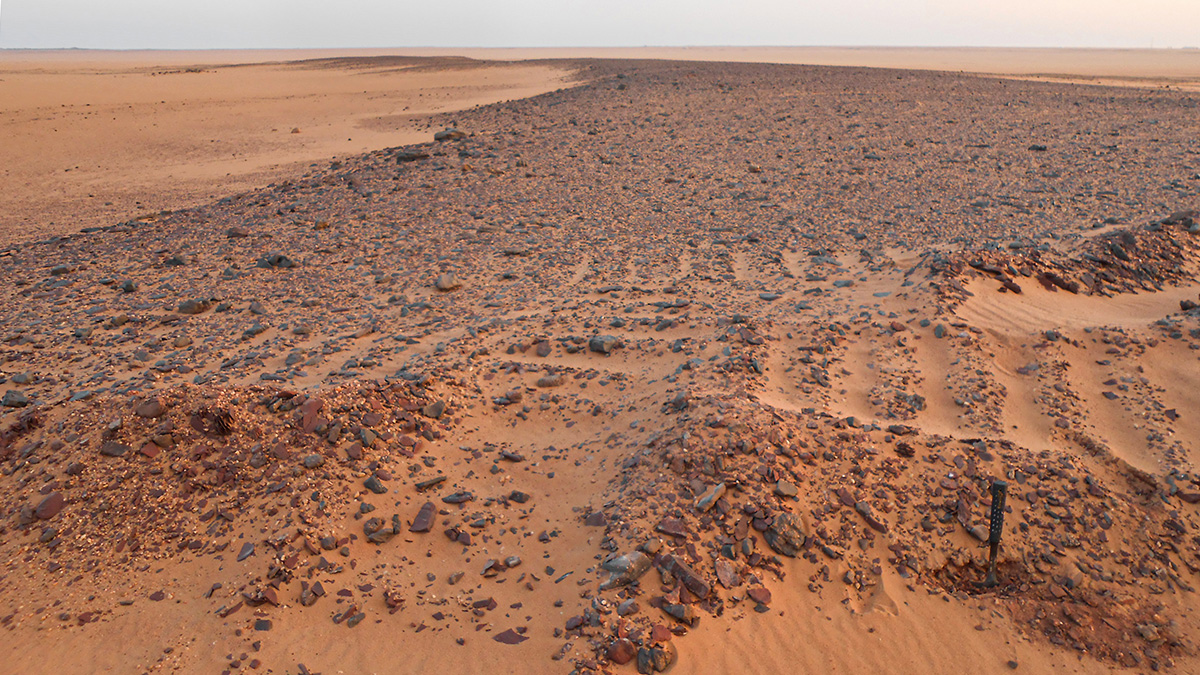
The “Green Sahara” Left Behind Fossil Rivers
Reconstruction reveals how people living along the banks of the Nile may have relocated as climate changed and flooding increased during the African Humid Period.

Posted inScience Updates
Arctic Unicorns and the Secret Sounds of a Glacial Fjord
The successful deployment of a seafloor seismometer near the calving front of a Greenland glacier has opened a new avenue to study hidden glacial processes and the behavior of fjord-dwelling wildlife.

Posted inResearch Spotlights
The Far-Reaching Consequences of Wildfire Smoke Plumes

Smoke from wildfires burning in the western United States carries harmful pollutants across the country.

Posted inOpinions
Quit Worrying About Uncertainty in Sea Level Projections
Emphasizing uncertainty in model projections of long-term sea level rise is a misguided approach. Instead, we should focus on communicating what we do know while improving model confidence.
Posted inNews
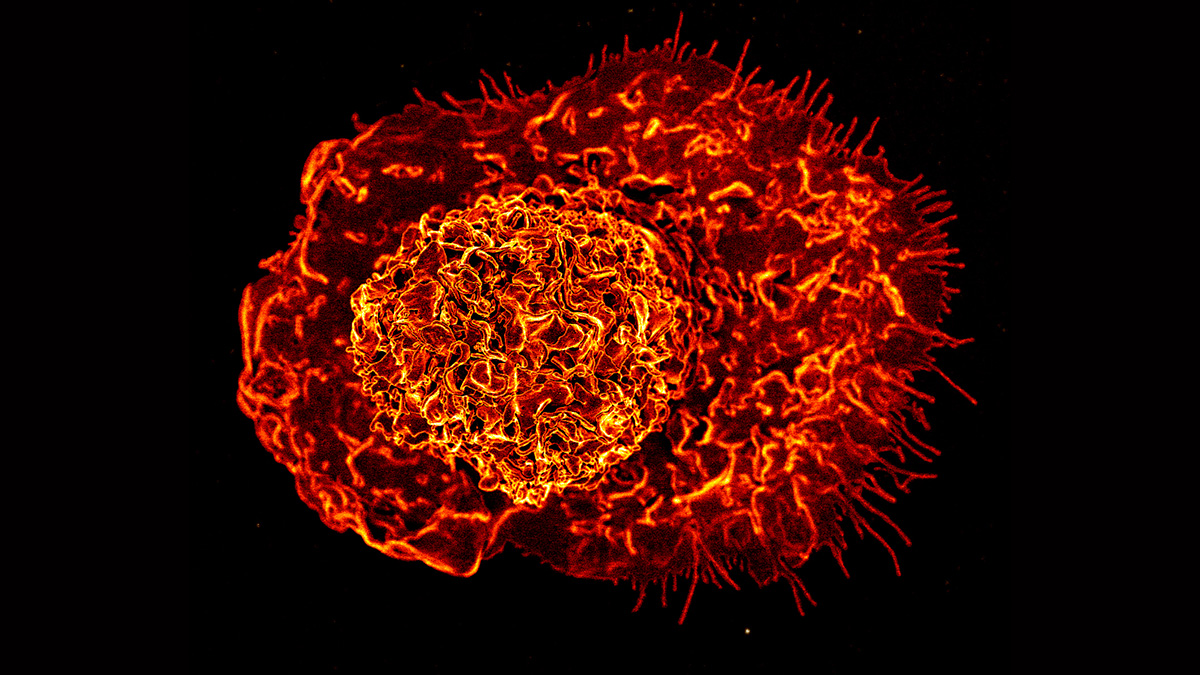
Microplastics Morph Cell Metabolism

Microplastics get into our bodies, potentially altering how certain cells convert sugar into energy, especially in the gut. Continued ingestion could cause chronic problems.

Posted inResearch Spotlights
Air Pollution Poses Inequitable Health Risks in Washington, D.C.
Certain health risks are greatest in neighborhoods with higher proportions of people of color and lower levels of income and education.
Posted inENGAGE, News
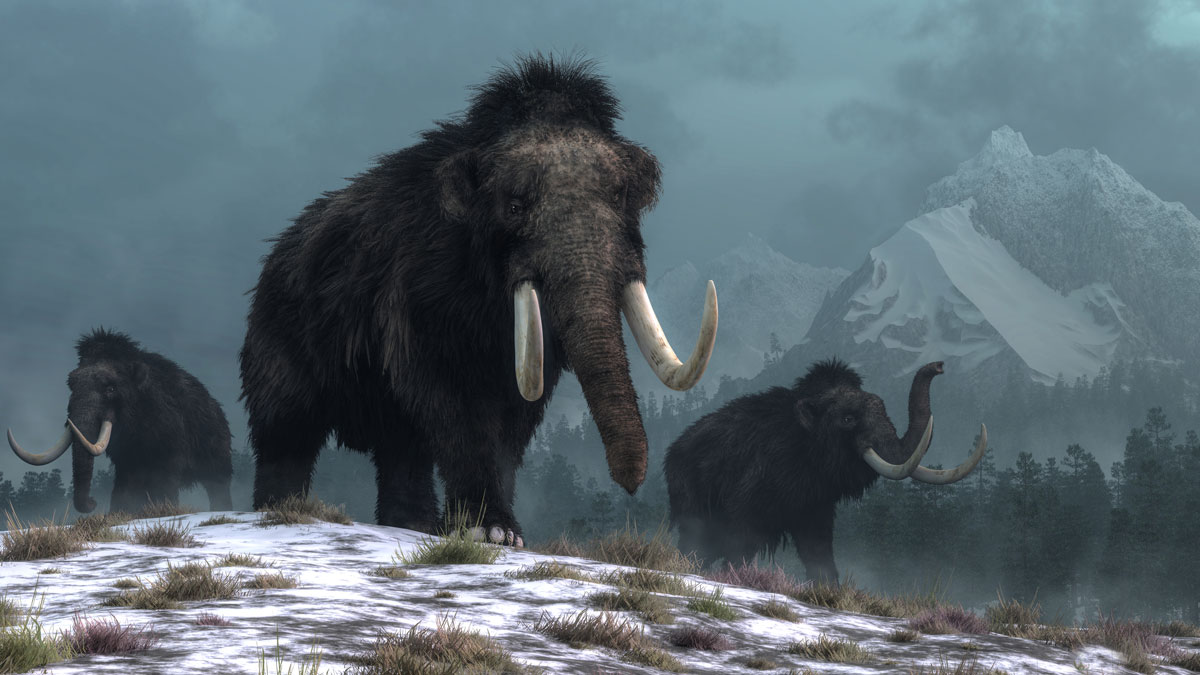
Mammoths Lost Their Steppe Habitat to Climate Change
Ancient plant and animal DNA buried in Arctic sediments preserve a 50,000-year history of Arctic ecosystems, suggesting that climate change contributed to mammoth extinction.