• About
  • Special Reports
  • Topics
    • Climate
    • Earth Science
    • Oceans
    • Space & Planets
    • Health & Ecosystems
    • Culture & Policy
    • Education & Careers
    • Opinions
  • Projects
    • Postcards From the Field
    • ENGAGE
    • Editors’ Highlights
    • Editors’ Vox
    • Eos en Español
    • Eos 简体中文版
    • Print Archive: 2015–2025
  • Policy Tracker
  • Blogs
    • Research & Developments
    • The Landslide Blog
  • Newsletter
  • Submit to Eos
  • AGU.org
  • Career Center
  • Join AGU
  • Give to AGU
  • About
  • Special Reports
  • Topics
    • Climate
    • Earth Science
    • Oceans
    • Space & Planets
    • Health & Ecosystems
    • Culture & Policy
    • Education & Careers
    • Opinions
  • Projects
    • Postcards From the Field
    • ENGAGE
    • Editors’ Highlights
    • Editors’ Vox
    • Eos en Español
    • Eos 简体中文版
    • Print Archive: 2015–2025
  • Policy Tracker
  • Blogs
    • Research & Developments
    • The Landslide Blog
  • Newsletter
  • Submit to Eos
Skip to content
  • AGU.org
  • Career Center
  • Join AGU
  • Give to AGU
Eos

Eos

Science News by AGU

Support Eos
Sign Up for Newsletter
  • About
  • Special Reports
  • Topics
    • Climate
    • Earth Science
    • Oceans
    • Space & Planets
    • Health & Ecosystems
    • Culture & Policy
    • Education & Careers
    • Opinions
  • Projects
    • Postcards From the Field
    • ENGAGE
    • Editors’ Highlights
    • Editors’ Vox
    • Eos en Español
    • Eos 简体中文版
    • Print Archive: 2015–2025
  • Policy Tracker
  • Blogs
    • Research & Developments
    • The Landslide Blog
  • Newsletter
  • Submit to Eos

Earth science

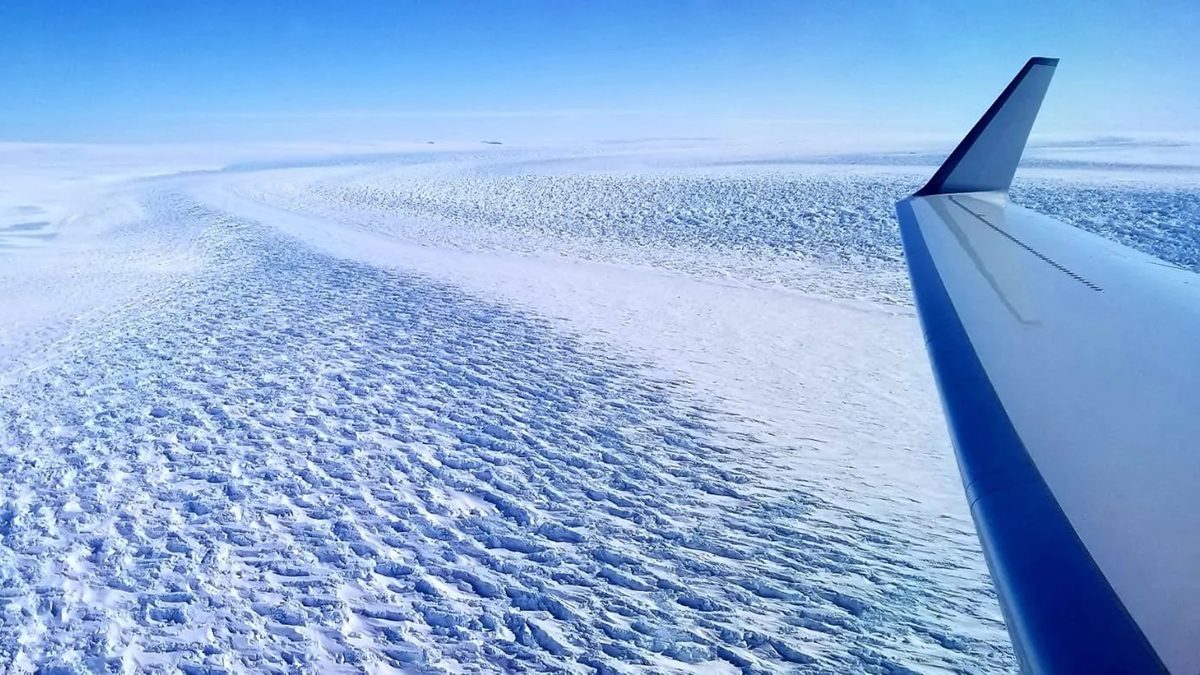
Rough ice extends away from a hilly, frozen shoreline.
Posted inResearch Spotlights

Cold Days Bring Fast Ice

by Saima May Sidik 20 December 202420 December 2024

Thirty-seven years of observations reveal the meteorological conditions that lead to persistent, thick fast ice in Antarctica.

Two diagrams from the paper.
Posted inEditors' Highlights

Rewinding the Fault: Stress Perturbations Promote Back-Propagating Ruptures

by Yajing Liu 20 December 202419 December 2024

Free surface reflection and fault geometric asperities can excite backward propagation in the form of an interface wave or high-order re-rupture.

Illustrations from the study.
Posted inEditors' Highlights

Magma Diversity in Iceland

by Peter Zeitler 19 December 202419 December 2024

Iceland’s recent basalt eruptions originated at the crust-mantle boundary and show chemical variability over remarkably short timescales of weeks, suggesting exchanges between diverse magma sources.

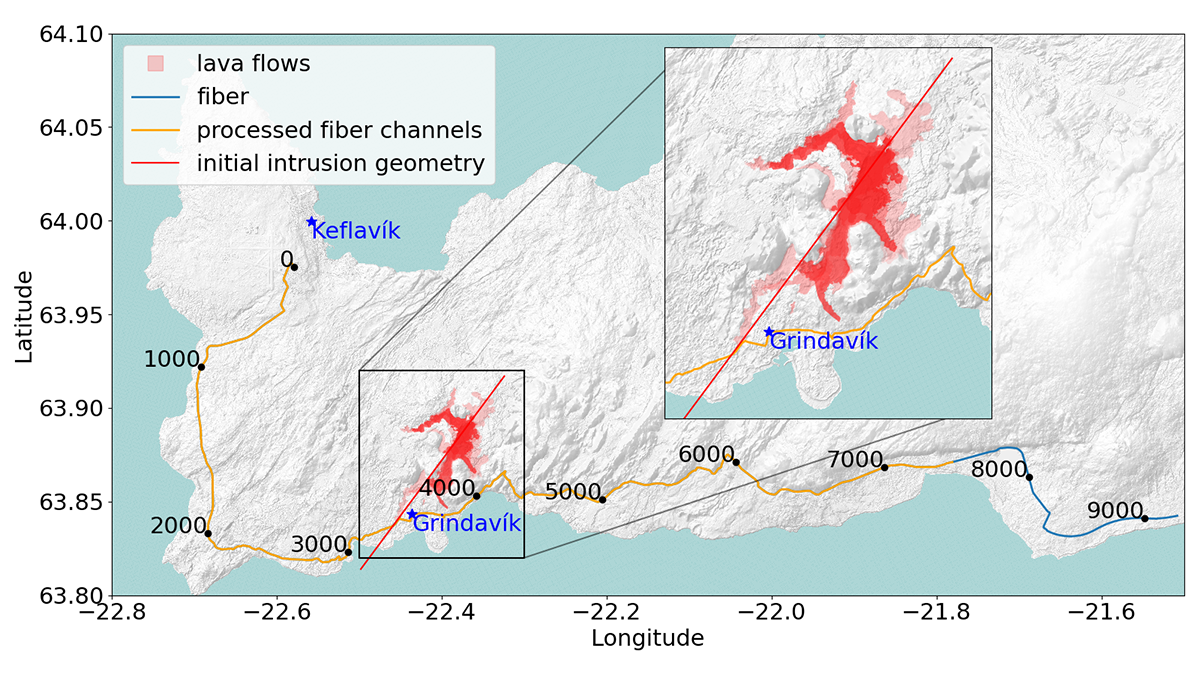
Geologic map with symbols.
Posted inEditors' Highlights

Past Fracture Damage Can Inhibit Earthquake Slip

by Åke Fagereng 19 December 202419 December 2024

Around the surface rupture of the 2008 Wenchuan earthquake, a new study documents an anti-correlation between pre-existing fracture damage and earthquake slip – implying that damage inhibited slip.

Workers on construction site
Posted inAGU News

Digging Deep

by Caryl-Sue Micalizio 19 December 202419 December 2024

Surging demand for lithium and other elements is redefining the relationship between the geosciences and the mining industry.

A metal pole with a small gray-green dome, anchored to bare rock. Glacial ice is visible in the background.
Posted inNews

Greenland Ice Sheet Stores Hidden Water Throughout the Melt Season

by Matthew R. Francis 19 December 202419 December 2024

A new method uses stations around Greenland’s coast to measure how much meltwater weighs down the bedrock beneath the ice, improving our understanding of its contribution to sea level rise.

Eighteen photos in a grid. Each features a background of green light reminiscent of the northern lights, with clusters of red dots in the middle.
Posted inResearch Spotlights

Radar Reveals Electrical Activity in the Ionosphere

by Saima May Sidik 18 December 202416 July 2025

A new method could improve understanding of communication disruptions.

Volcanic eruption with steam rising from a snow-covered peak.
Posted inNews

Alaska’s Mount Veniaminof Volcano Is Stealthy—Here’s Why

by Gaea Cabico 18 December 202418 December 2024

New research explains why Mount Veniaminof erupts without the usual warming signs.

Photo of rock cores.
Posted inEditors' Highlights

Diverse Seismic Response in Hectometer-Scale Fracture System

by Xiaowei Chen 17 December 202417 December 2024

An underground experiment with multi-stage stimulations reveals diverse seismic responses within a complex hectometer-scale fracture network, shedding light on induced seismicity behaviors at field scale.

Diagram from the study.
Posted inEditors' Highlights

Logjams Promote Floodplain Complexity and Hydraulic Resistance

by Valeriy Ivanov 17 December 202417 December 2024

Using a new model, scientists compare logjam hydraulic impact across 37 reaches observed over 11 years in the Colorado Rockies.

Posts pagination

Newer posts 1 … 35 36 37 38 39 … 155 Older posts
Over a dark blue-green square appear the words Special Report: The State of the Science 1 Year On.

Features from AGU Publications

Research Spotlights

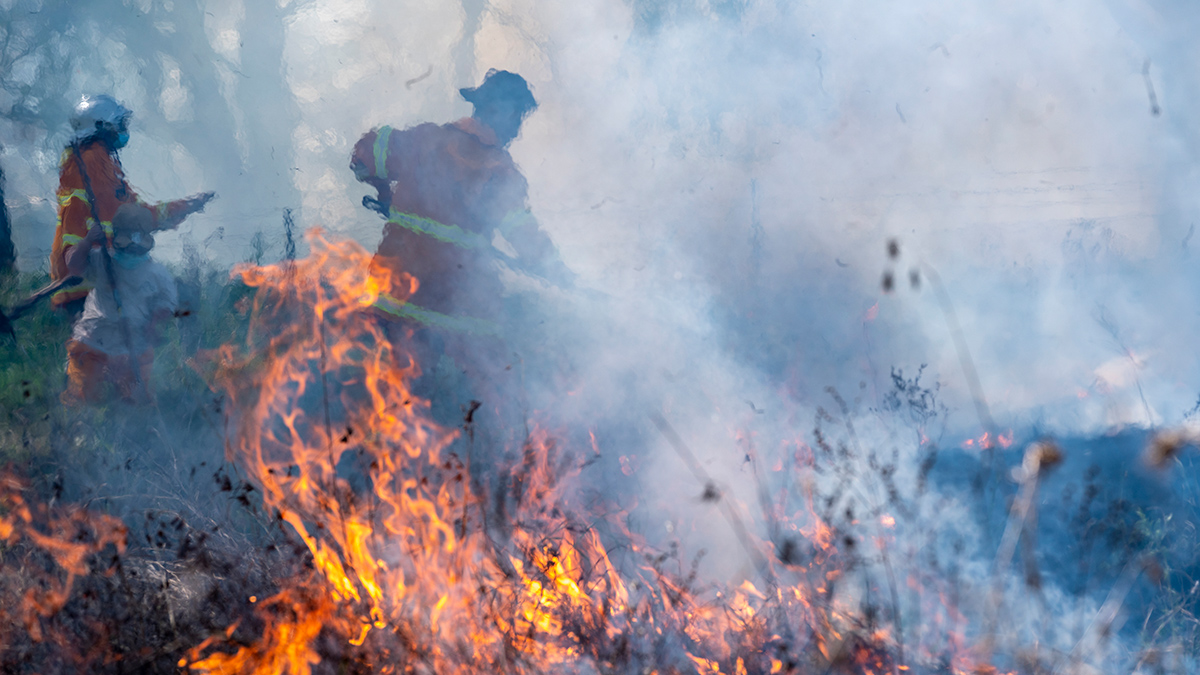
How Wildfires Worsen Flood Risk

30 April 202630 April 2026
Editors' Highlights

Managed Agriculture Hinders Predictability of Critical Zone Features

1 May 20261 May 2026
Editors' Vox

Hydrothermal Heat Flow as a Window into Subsurface Arc Magmas

28 April 202628 April 2026
Eos logo at left; AGU logo at right

About Eos
ENGAGE
Awards
Contact

Advertise
Submit
Career Center
Sitemap

© 2026 American Geophysical Union. All rights reserved Powered by Newspack