
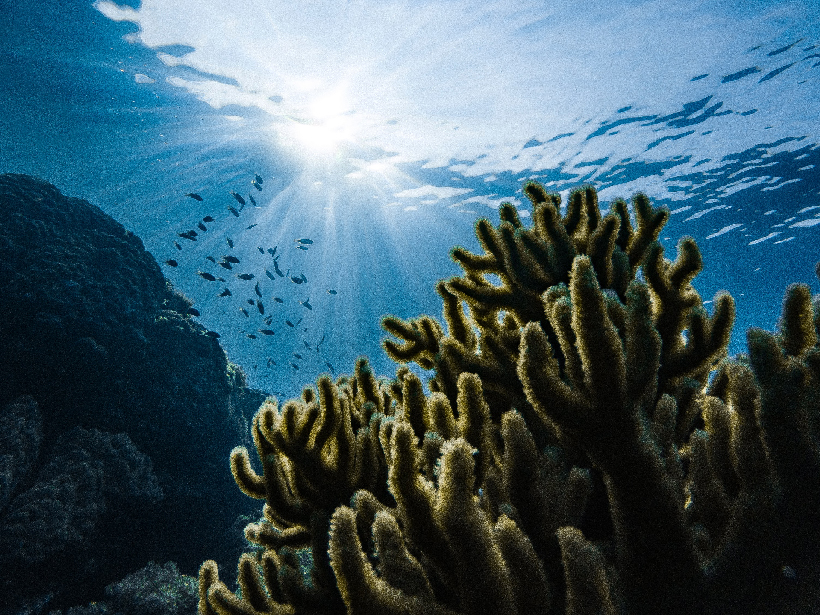

Using an unsupervised learning algorithm, scientists can create new maps of ecosystem provinces in the ocean, opening the possibility of sharper data collection and monitoring.
machine learning & AI
Posted inFeatures
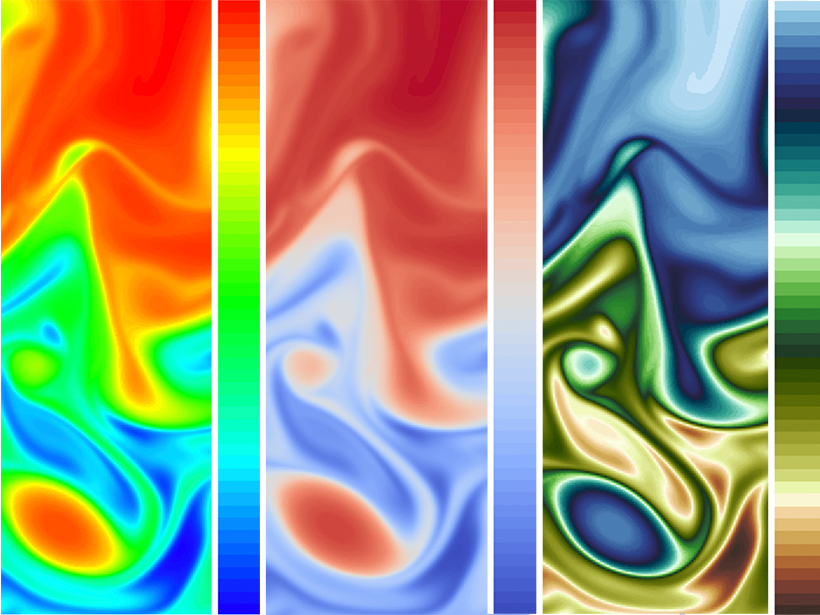
Visualizing Science: How Color Determines What We See
Color plays a major role in the analysis and communication of scientific information. New tools are helping to improve how color can be applied more accurately and effectively to data.

Posted inScience Updates
Creating Data Tool Kits That Everyone Can Use
Earth scientists outline challenges to making the growing wealth of available data more accessible and to using data services for interdisciplinary research and applications.

Posted inNews
Are Cosmic Rays a Key to Forecasting Volcanic Eruptions?

A combination of relativistic particles and artificial intelligence may provide a new way to forecast when a volcano could erupt.

Posted inEditors' Highlights
A New Global Map of Seafloor Fluid Expulsion Anomalies
The first open-source database of SEAfloor FLuid Expulsion Anomalies (SEAFLEASs) at a global scale reveals their distribution and physical parameters.
Posted inResearch Spotlights
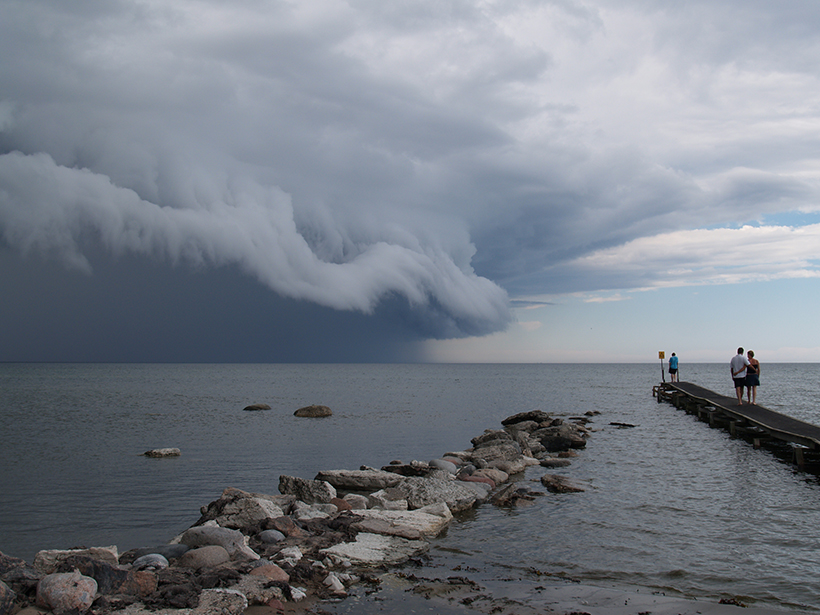
Machine Learning Improves Weather and Climate Models

New research evaluates the performance of generative adversarial networks for stochastic parameterizations.

Posted inNews
Combining AI and Analog Forecasting to Predict Extreme Weather

New deep learning technique brings an obsolete forecasting method “back to life” to predict extreme weather events.
Posted inEditors' Highlights
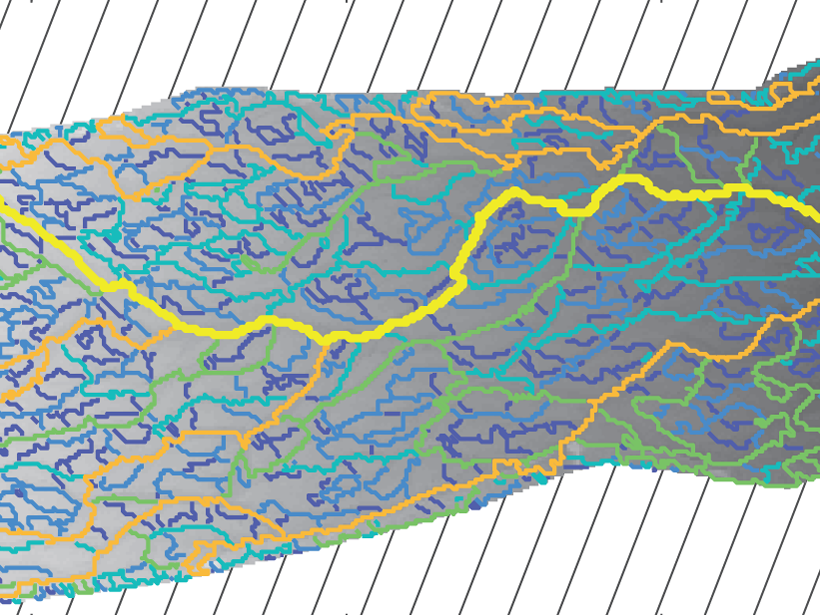
Representing Estuaries and Braided Rivers as Channel Networks
The human eye is quite good at identifying channel networks among the rich patterns exhibited by estuaries and braided rivers, but computers have a harder time doing so. Could they do better?
Posted inNews
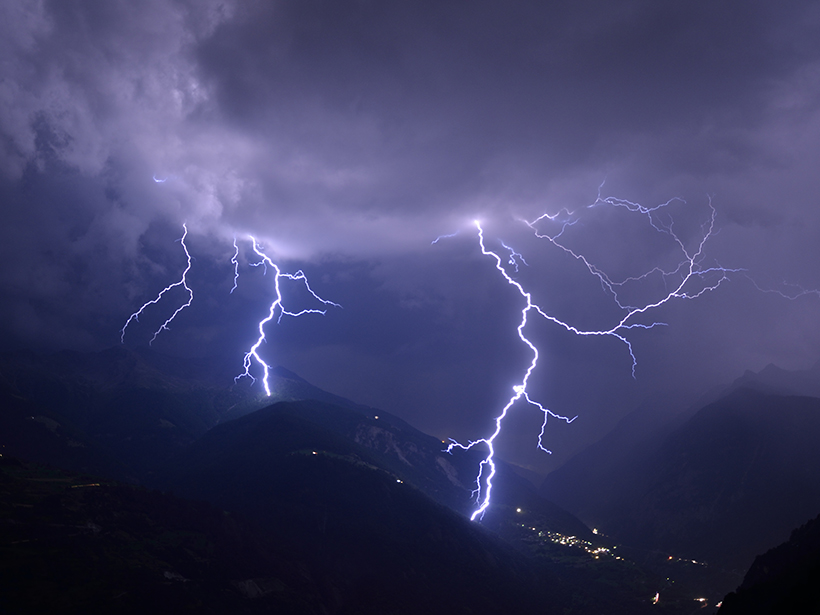
New Study Hints at Bespoke Future of Lightning Forecasting

Researchers used machine learning to develop a model that can predict lightning strikes to within 30 minutes of their occurrence and within 30 kilometers of a weather station by using just four simple atmospheric measurements.

Posted inNews
Using Satellites and Supercomputers to Track Arctic Volcanoes
New data sets from the ArcticDEM project help scientists track elevation changes from natural hazards like volcanoes and landslides before, during, and long after the events.