• About
  • Special Reports
  • Topics
    • Climate
    • Earth Science
    • Oceans
    • Space & Planets
    • Health & Ecosystems
    • Culture & Policy
    • Education & Careers
    • Opinions
  • Projects
    • Postcards From the Field
    • ENGAGE
    • Editors’ Highlights
    • Editors’ Vox
    • Eos en Español
    • Eos 简体中文版
    • Print Archive: 2015–2025
  • Policy Tracker
  • Blogs
    • Research & Developments
    • The Landslide Blog
  • Newsletter
  • Submit to Eos
  • AGU.org
  • Career Center
  • Join AGU
  • Give to AGU
  • About
  • Special Reports
  • Topics
    • Climate
    • Earth Science
    • Oceans
    • Space & Planets
    • Health & Ecosystems
    • Culture & Policy
    • Education & Careers
    • Opinions
  • Projects
    • Postcards From the Field
    • ENGAGE
    • Editors’ Highlights
    • Editors’ Vox
    • Eos en Español
    • Eos 简体中文版
    • Print Archive: 2015–2025
  • Policy Tracker
  • Blogs
    • Research & Developments
    • The Landslide Blog
  • Newsletter
  • Submit to Eos
Skip to content
  • AGU.org
  • Career Center
  • Join AGU
  • Give to AGU
Eos

Eos

Science News by AGU

Support Eos
Sign Up for Newsletter
  • About
  • Special Reports
  • Topics
    • Climate
    • Earth Science
    • Oceans
    • Space & Planets
    • Health & Ecosystems
    • Culture & Policy
    • Education & Careers
    • Opinions
  • Projects
    • Postcards From the Field
    • ENGAGE
    • Editors’ Highlights
    • Editors’ Vox
    • Eos en Español
    • Eos 简体中文版
    • Print Archive: 2015–2025
  • Policy Tracker
  • Blogs
    • Research & Developments
    • The Landslide Blog
  • Newsletter
  • Submit to Eos

Mexico

Asteroid strikes Earth 65 million years ago
Posted inNews

Cores from Crater Tied to Dinosaur Demise Validate Impact Theory

JoAnna Wendel, freelance science writer and illustrator by JoAnna Wendel 17 November 201628 January 2022

Drilling into the famous, deeply buried Chicxulub crater off Mexico, researchers found deformed and porous granite that opens new avenues of research.

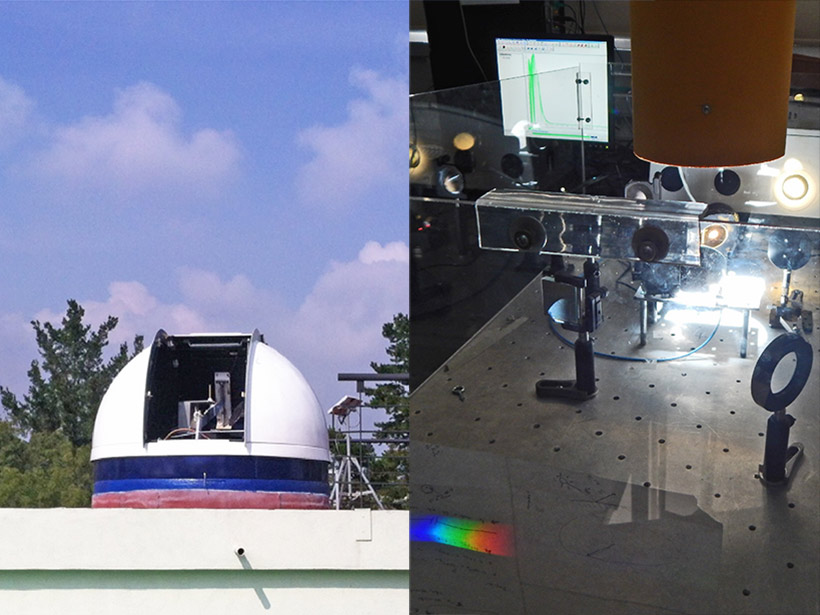
Experimental setup at the Universidad Nacional Autónoma de México, where the course was hosted.
Posted inScience Updates

Mexico City Hosts a Course on Remote Sensing for Latin Americans

by M. Grutter, J. C. Antuña-Marrero and C. Rudamas 4 May 20166 March 2023

Course on Remote Sensing Techniques Applied to Atmospheric Chemistry; Mexico City, Mexico, 7–11 December 2015

Diverse chemosynthetic communities thrive on undersea asphalt volcanoes that form above natural oil reservoirs deep below the seabed.
Posted inNews

Asphalt Volcanoes Erupt in Slow Motion

by Lauren Lipuma 15 March 201625 March 2024

Natural asphalt seeps on the ocean floor provide a stable home for diverse marine life that sequesters greenhouse gases.
Posted inScience Updates

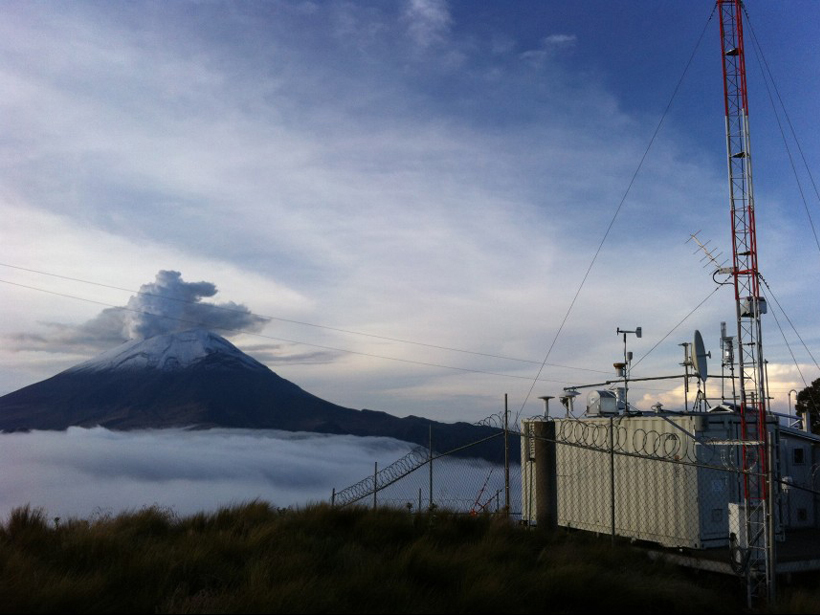
Mexico's University Network of Atmospheric Observatories

by O. Peralta, D. Adams, T. Castro, M. Grutter and A. Varela 12 February 20169 May 2023

Increasing cooperation in Mexico benefits climatologists, meteorologists, and science as a whole.

Posts pagination

Newer posts 1 … 4 5 6
Over a dark blue-green square appear the words Special Report: The State of the Science 1 Year On.

Features from AGU Publications

Research Spotlights

Wind Works: The Atmosphere’s Invisible Energetic Tug-of-War

17 September 202617 September 2026
Editors' Highlights

Seasonality is Changing for Extreme Dry and Humid Heat Events 

18 September 202617 September 2026
Editors' Vox

In Appreciation of AGU’s Outstanding Reviewers of 2025

14 September 202610 September 2026
Eos logo at left; AGU logo at right

About Eos
ENGAGE
Awards
Contact

Advertise
Submit
Career Center
Sitemap

© 2026 American Geophysical Union. All rights reserved Powered by Newspack