

Spaceborne images give scientists a detailed picture of the boreal forests’ tree heights, which help scientists estimate their contribution to carbon budgets.
Modeling

Posted inNews
New Model Predicts Lightning Strikes; Alert System to Follow

Data from thousands of past storms help guide a new forecast model that predicts where and when lightning may hit.
Posted inResearch Spotlights
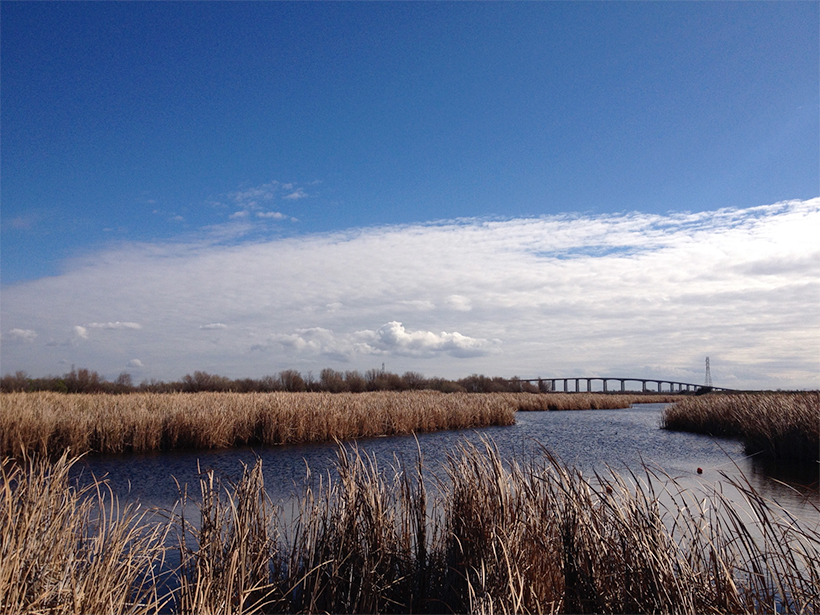
A New Model Yields a Better Picture of Methane Fluxes

Scientists update an old model with recent findings, allowing for a more accurate understanding of methane dynamics in wetlands.
Posted inScience Updates
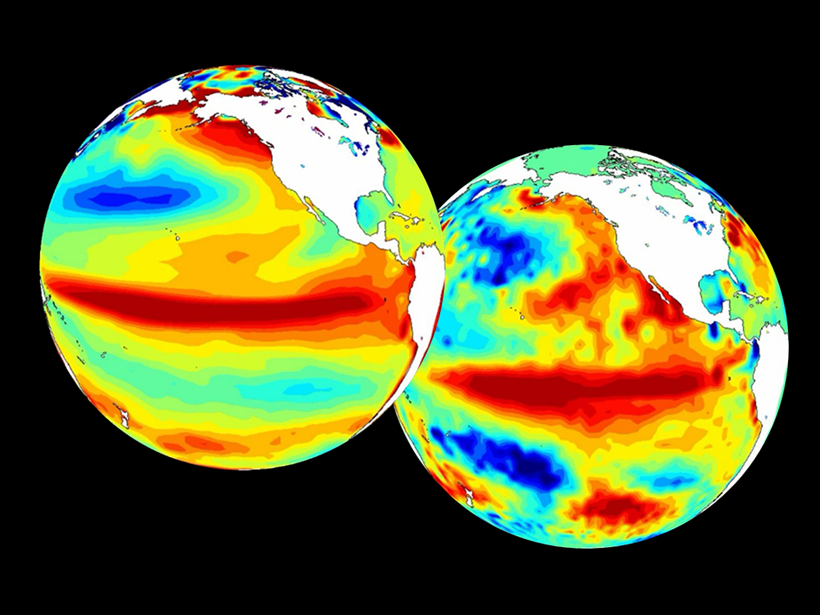
Advancing Climate Forecasting
Better forecasts, new products: The World Climate Research Programme coordinates research aimed at improving and extending global climate forecasting capabilities.
Posted inResearch Spotlights
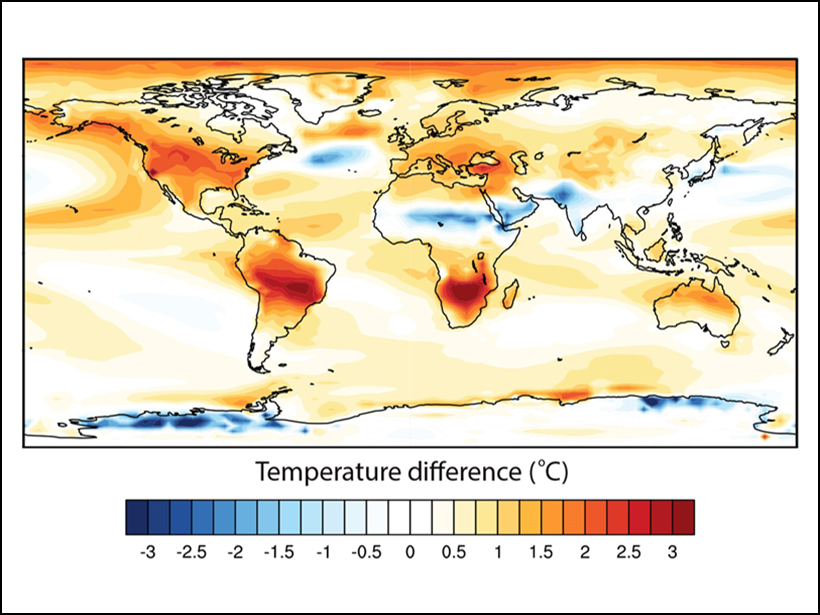
How Earth’s Orbit Affected Ice Sheets Millions of Years Ago
A new study of the late Pliocene era could help scientists predict future sea level rise.
Posted inScience Updates
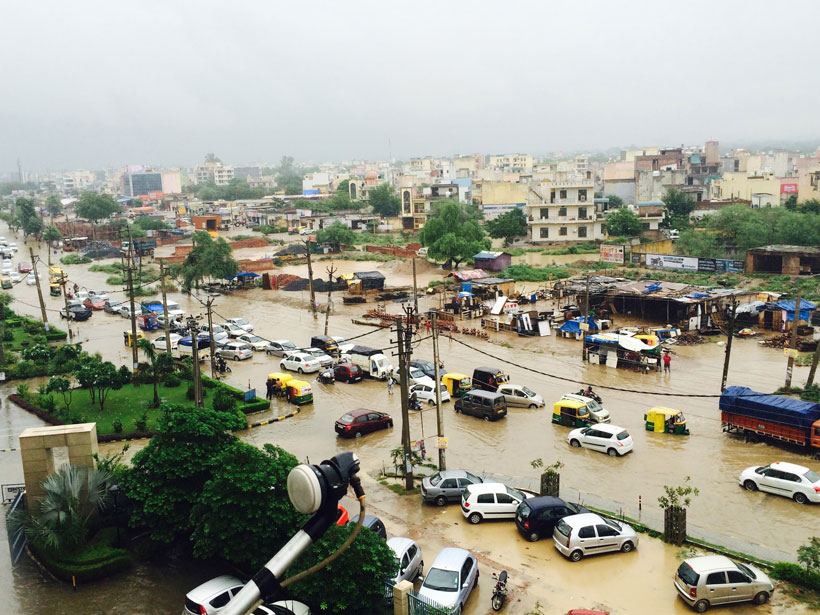
Preparing for the Future: Climate Products and Models for India
Kick-off Workshop of Indo-Norwegian Project PREPARE; Bergen, Norway, 27–31 March 2017

Posted inResearch Spotlights
Looking Inside an Active Italian Volcano
Scientists use 3-D imaging to reveal Solfatara crater’s inner plumbing.

Posted inOpinions
Maintaining Momentum in Climate Model Development
As the current funding for climate process teams comes to an end, scientists emphasize the continuing need for teams that translate basic research into improved climate models.
Posted inEditors' Highlights
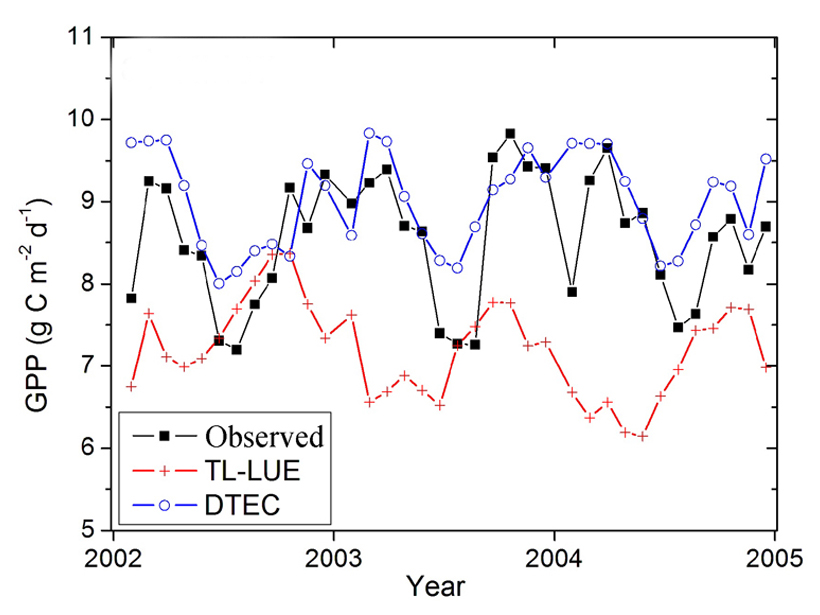
Improved Simulation of Gross Primary Productivity
A new model better explains seasonal variations in biomass.
Posted inResearch Spotlights
Atmospheric Particles Aren’t the Same Cloud Seeds They Once Were
Still, more than half of the seeds required for cloud droplets to form in both the present-day and preindustrial atmospheres are made by trace gases that condense to form minute aerosol particles.