


Old coral colonies suggest that a prehistoric warming event called the mid-Holocene Thermal Maximum may have occurred earlier than previously thought.
Oceans
Posted inAGU News
McManus Receives 2016 Paleoceanography and Paleoclimatology Dansgaard Award
Jerry McManus will receive the Dansgaard Award at the 2016 American Geophysical Union Fall Meeting, to be held 12–16 December in San Francisco, Calif., as selected by a Dansgaard Award selection committee. The award is given in recognition of the awardee's research impact, innovative interdisciplinary work, educational accomplishments (mentoring), societal impact, and other relevant contributions and to acknowledge that the awardee shows exceptional promise for continued leadership in paleoceanography or paleoclimatology.
Posted inAGU News
Bopp Receives 2016 Ocean Sciences Voyager Award
Laurent Bopp will receive the 2016 Ocean Sciences Voyager Award at the 2016 American Geophysical Union Fall Meeting, to be held 12–16 December in San Francisco, Calif. The award is given to mid-career scientists for significant contributions and expanding leadership in ocean sciences.

Posted inResearch Spotlights
Reconstructing Ocean Climate History

Scientists recreate ocean climate data to explore historical warming—and cooling—trends in Earth's seas.

Posted inResearch Spotlights
Can We Predict the Future of Ocean Carbon Dioxide Uptake?

A new understanding of uncertainties in climate change models allows scientists to decide which source to tackle first in order to better forecast our planet's changing climate.

Posted inNews
Online Tracking of Ships Fights Illegal Fishing Worldwide

The system currently follows and records the movements of more than 35,000 large fishing vessels globally to bring transparency to commercial fishing activities.
Posted inResearch Spotlights
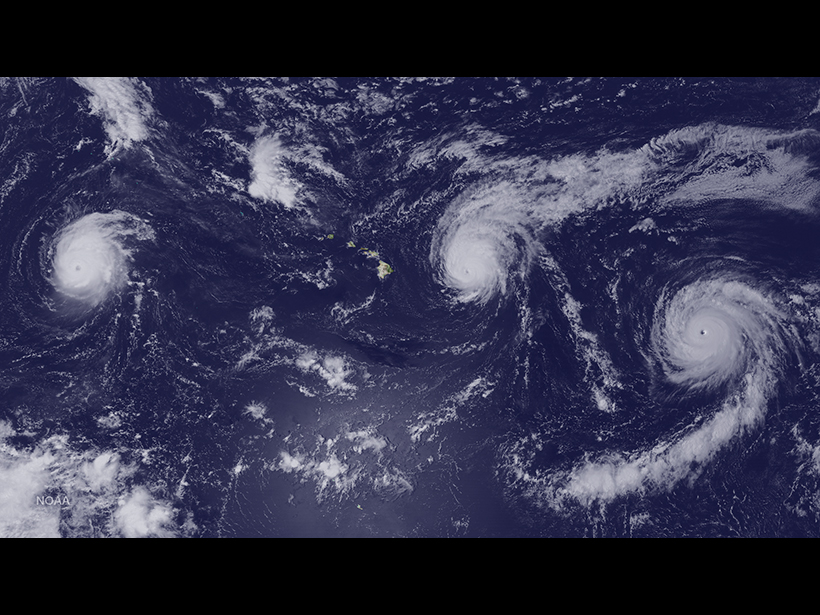
Why 2015 Was a Big Hurricane Year for the Eastern North Pacific
Record-breaking oceanic and atmospheric conditions led to a remarkable season in a key Pacific hurricane development region.
Posted inNews
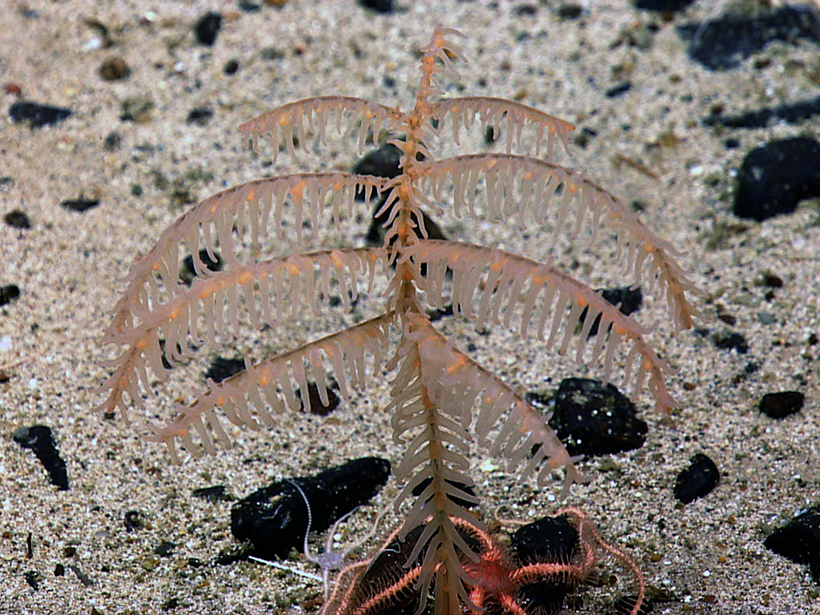
Obama Unveils First Marine National Monument in the Atlantic
The new designation follows the administration's expansion last month of a marine sanctuary in the Pacific Ocean near Hawaii into the world's largest protected ocean area.
Posted inResearch Spotlights
Air-Sea Interactions Influence Major Southern Wind Belt
Ocean and atmospheric data provide evidence for how sea surface temperatures affect the Southern Annular Mode.
Posted inNews
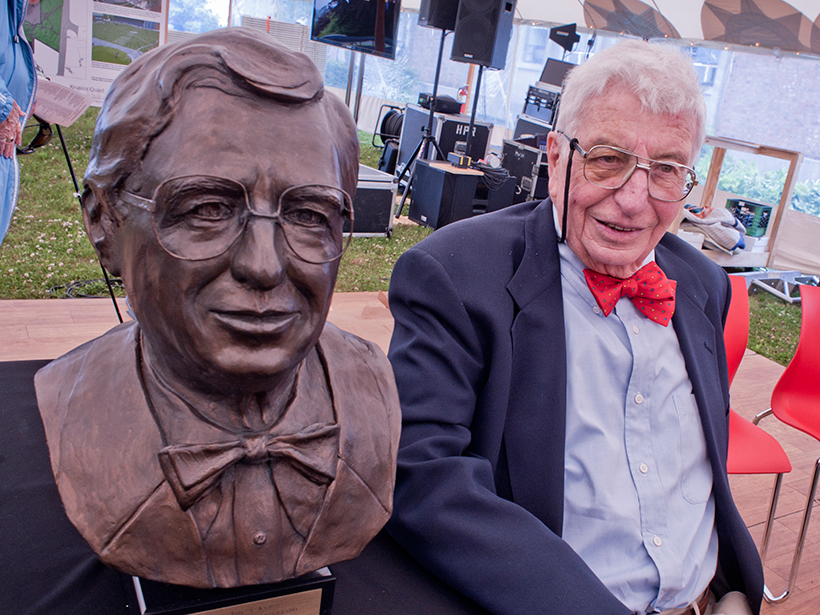
John A. Knauss (1925–2015)

Knauss, an oceanographer who fiercely advocated for national and global marine initiatives, helped to develop many iconic programs and institutions that are key parts of oceanography today.