• About
  • Special Reports
  • Topics
    • Climate
    • Earth Science
    • Oceans
    • Space & Planets
    • Health & Ecosystems
    • Culture & Policy
    • Education & Careers
    • Opinions
  • Projects
    • Postcards From the Field
    • ENGAGE
    • Editors’ Highlights
    • Editors’ Vox
    • Eos en Español
    • Eos 简体中文版
    • Print Archive: 2015–2025
  • Policy Tracker
  • Blogs
    • Research & Developments
    • The Landslide Blog
  • Newsletter
  • Submit to Eos
  • AGU.org
  • Career Center
  • Join AGU
  • Give to AGU
  • About
  • Special Reports
  • Topics
    • Climate
    • Earth Science
    • Oceans
    • Space & Planets
    • Health & Ecosystems
    • Culture & Policy
    • Education & Careers
    • Opinions
  • Projects
    • Postcards From the Field
    • ENGAGE
    • Editors’ Highlights
    • Editors’ Vox
    • Eos en Español
    • Eos 简体中文版
    • Print Archive: 2015–2025
  • Policy Tracker
  • Blogs
    • Research & Developments
    • The Landslide Blog
  • Newsletter
  • Submit to Eos
Skip to content
  • AGU.org
  • Career Center
  • Join AGU
  • Give to AGU
Eos

Eos

Science News by AGU

Support Eos
Sign Up for Newsletter
  • About
  • Special Reports
  • Topics
    • Climate
    • Earth Science
    • Oceans
    • Space & Planets
    • Health & Ecosystems
    • Culture & Policy
    • Education & Careers
    • Opinions
  • Projects
    • Postcards From the Field
    • ENGAGE
    • Editors’ Highlights
    • Editors’ Vox
    • Eos en Español
    • Eos 简体中文版
    • Print Archive: 2015–2025
  • Policy Tracker
  • Blogs
    • Research & Developments
    • The Landslide Blog
  • Newsletter
  • Submit to Eos

paleoclimatology & paleoceanography

Portion of a photo taken by NASA's Curiosity rover while traversing the Kimberly formation on its journey south toward the center of Gale Crater.
Posted inResearch Spotlights

Curiosity Sends Curious Water Data from Mars

Sarah Stanley, Science Writer by Sarah Stanley 8 June 201624 April 2024

The rover's neutron spectroscopy instrument hints at an unexpected trend: The upper soil levels in the layers of Gale Crater's Kimberley formation seem to hold more water-associated hydrogen.

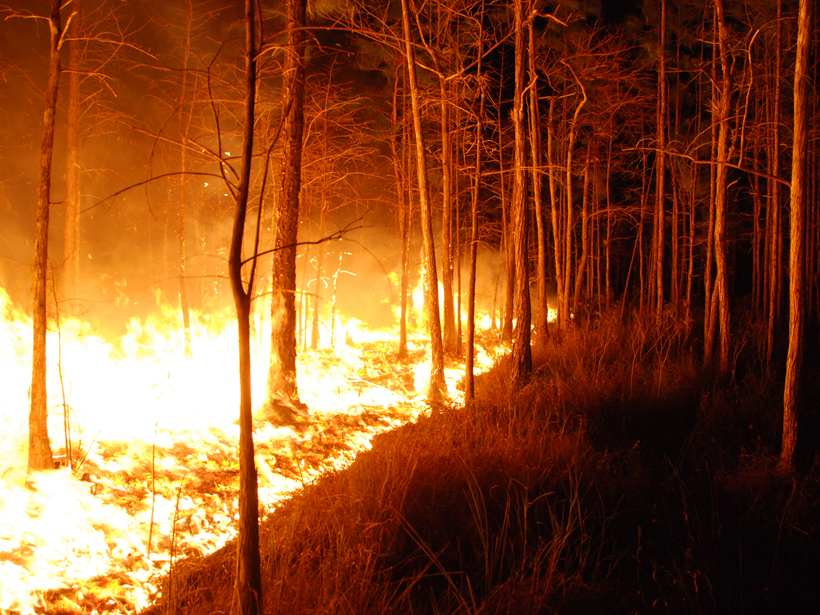
wildfire-florida-panther-nwr-2009
Posted inScience Updates

Paleofires and Models Illuminate Future Fire Scenarios

by A. Robertson, E. Githumbi and D. Colombaroli 13 April 20165 June 2023

Advances in Interdisciplinary Paleofire Research: Data and Model Comparisons for the Past Millennium; Harvard Forest, Petersham, Massachusetts, 27 September to 2 October 2015
Posted inEditors' Vox

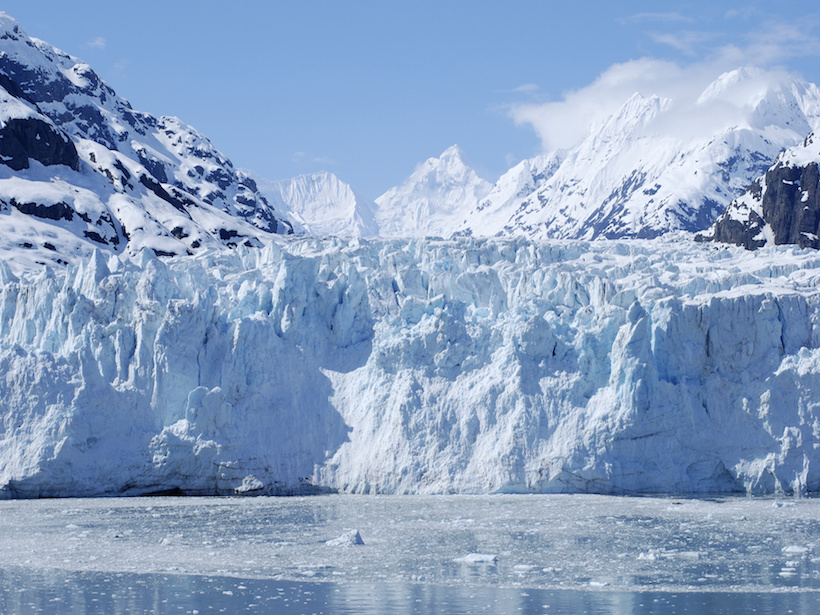
Insights on Climate Systems from Interglacials

by Mark Moldwin 8 April 201618 May 2023

Interglacials provide insights into the impacts of warmer than present conditions in certain regions of Earth.
Posted inNews

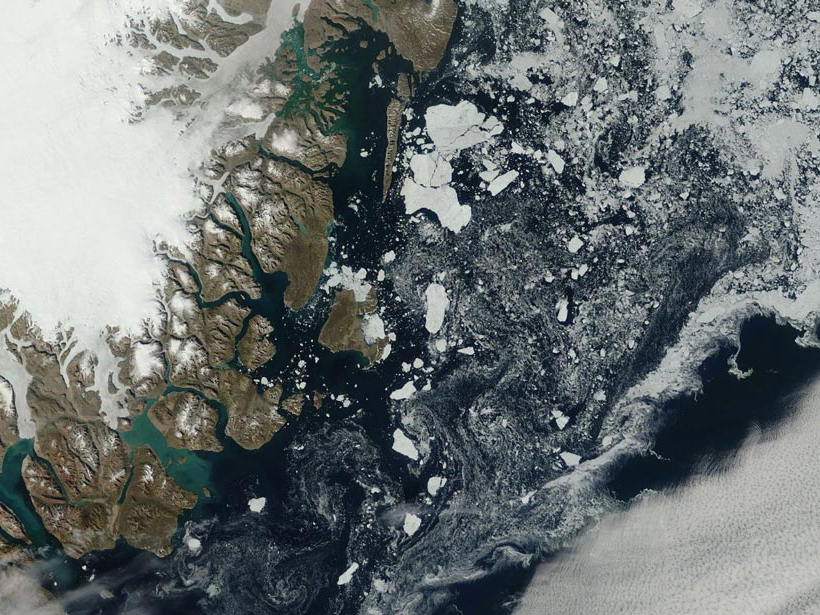
Current Carbon Emissions Unprecedented in 66 Million Years

JoAnna Wendel, freelance science writer and illustrator by JoAnna Wendel 23 March 20164 May 2022

An ancient carbon dioxide release associated with a much hotter Earth than today took place at only a tenth the pace of our present atmospheric carbon buildup, a new study confirms.
Posted inNews

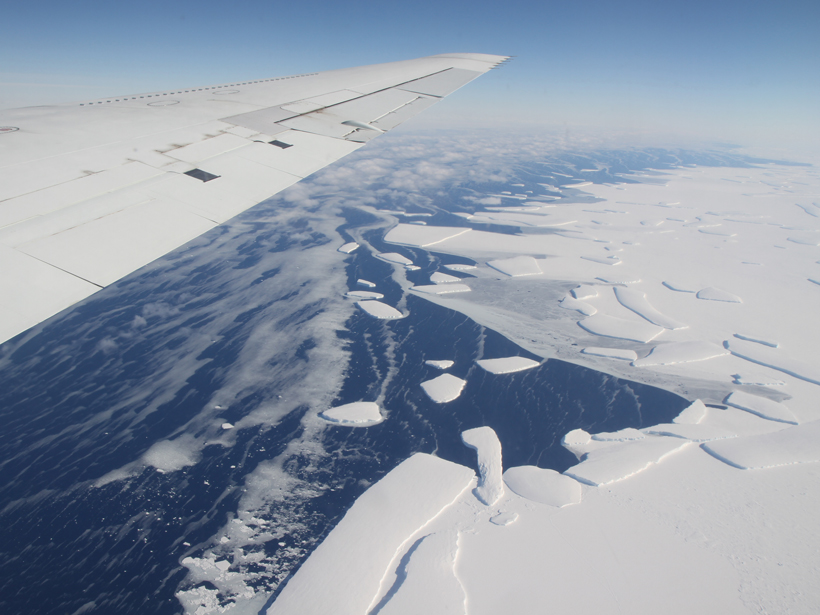
Scientists Find the Point of No Return for Antarctic Ice Cap

JoAnna Wendel, freelance science writer and illustrator by JoAnna Wendel 10 March 201618 October 2022

Varying amounts of glacial debris in a core of ancient sediment show the ice cover grew and shrank until airborne carbon dioxide levels fell below 600 parts per million, spurring steady growth.

Posted inResearch Spotlights

Characterizing Interglacial Periods over the Past 800,000 Years

Cody Sullivan by C. Sullivan 2 March 201618 May 2023

Researchers identified 11 different interglacial periods over the past 800,000 years, but the interglacial period we are experiencing now may last an exceptionally long time.
Posted inNews

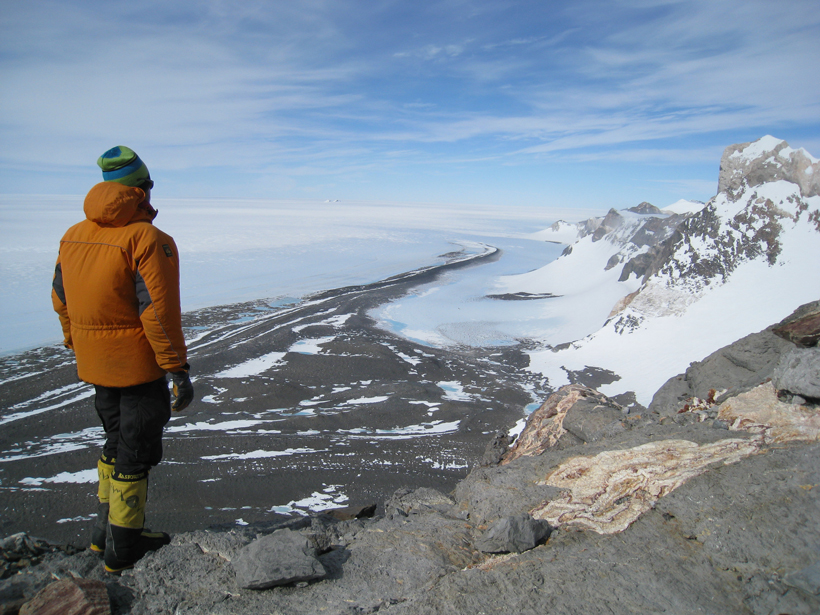
Pleistocene Rocks Tell Tale of Past Ice Sheet Melting

by S. Kelleher 11 February 20163 July 2023

Researchers examine evidence from a past interglacial period to predict sea level rise in the future.

Posted inResearch Spotlights

Deep-Sea Microbes Can Leave Records of the Past

Cody Sullivan by C. Sullivan 9 February 201614 March 2023

Researchers use carbon signatures within sea sediments to identify microbial activity and also to date earthquakes.
Posted inScience Updates

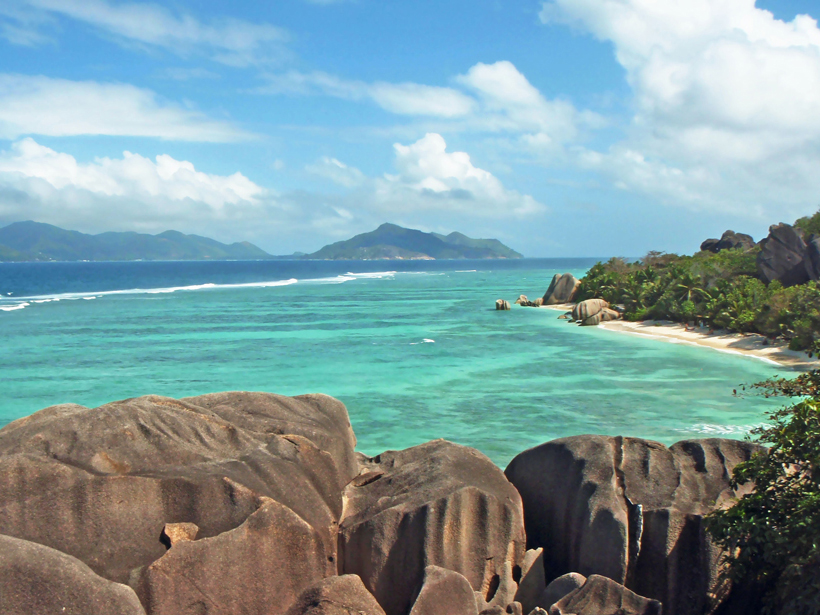
Sea Level and Ice Sheet Changes During Past Warm Periods

by B. S. Lecavalier, G. Sinclair and K. L. Vyyerberg 1 February 201614 April 2023

PALSEA2 2015 Workshop; Tokyo, Japan, 22–24 July 2015
Posted inNews

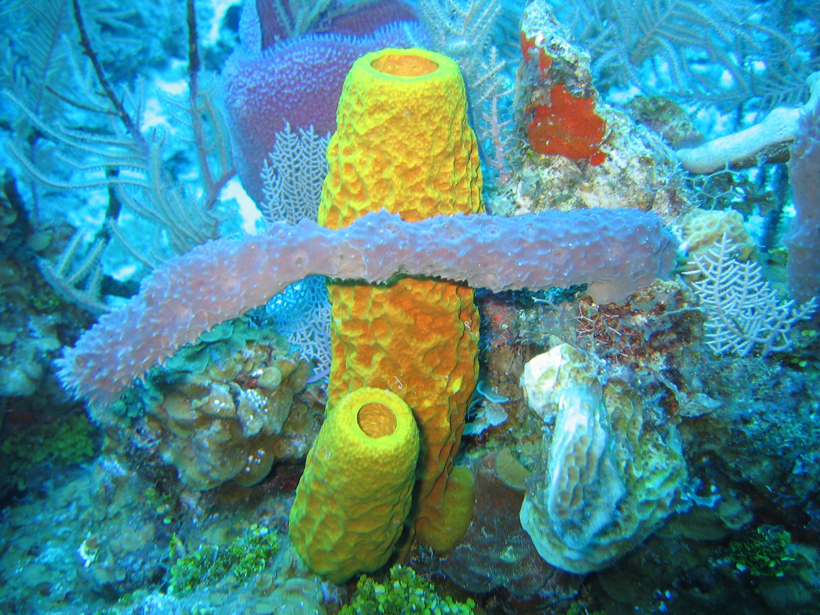
Ancient Start of Animal Evolution Wasn't Delayed by Low Oxygen

Cody Sullivan by C. Sullivan 11 January 201614 March 2023

New research finds that Earth had sufficient oxygen 1.4 billion years ago for animals to evolve. Therefore, low oxygen levels probably didn't hold back evolution, as scientists have long thought.

Posts pagination

Newer posts 1 … 29 30 31 32 33 34 Older posts
Over a dark blue-green square appear the words Special Report: The State of the Science 1 Year On.

Features from AGU Publications

Research Spotlights

Harnessing Glacial Lakes for Hydropower

23 November 202623 November 2026
Editors' Highlights

How Streams Breathe: The Science of Expanding and Contracting

24 November 202624 November 2026
Editors' Vox

2100 is Not the Far Future Anymore

24 November 202624 November 2026
Eos logo at left; AGU logo at right

About Eos
ENGAGE
Awards
Contact

Advertise
Submit
Career Center
Sitemap

© 2026 American Geophysical Union. All rights reserved Powered by Newspack