

A new compilation of underwater terrain provides the most up-to-date mapping of portions of the western Arctic and North Pacific.
seafloor

Posted inNews
Microbes Make a Quick Meal of Methane in a Submarine Canyon

Scientists track the fate of methane released by hydrates in a major canyon off the U.S. East Coast.
Posted inNews
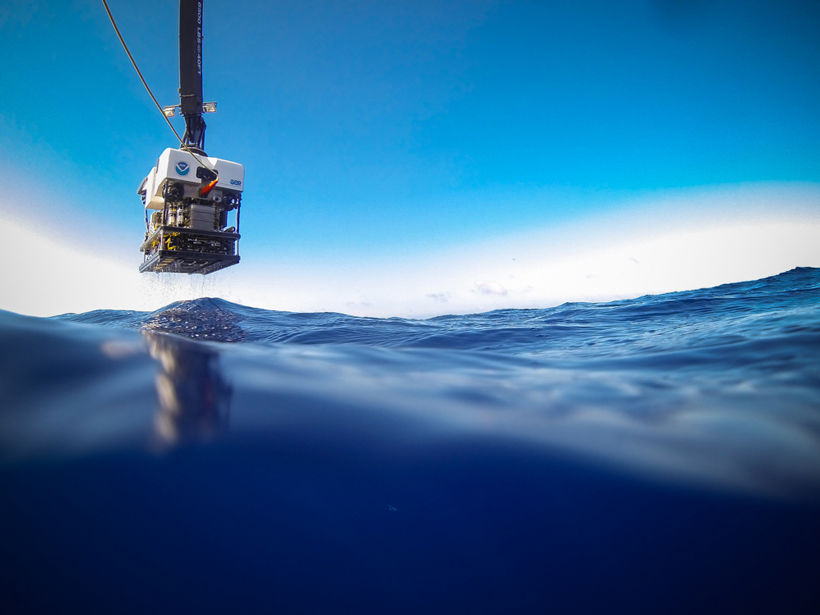
Autonomous Undersea Technologies to Vie for New XPRIZE

The competition aims at improved health and understanding of Earth's oceans by spurring teams to devise better robotic technologies for seafloor mapping and exploration.
Posted inNews
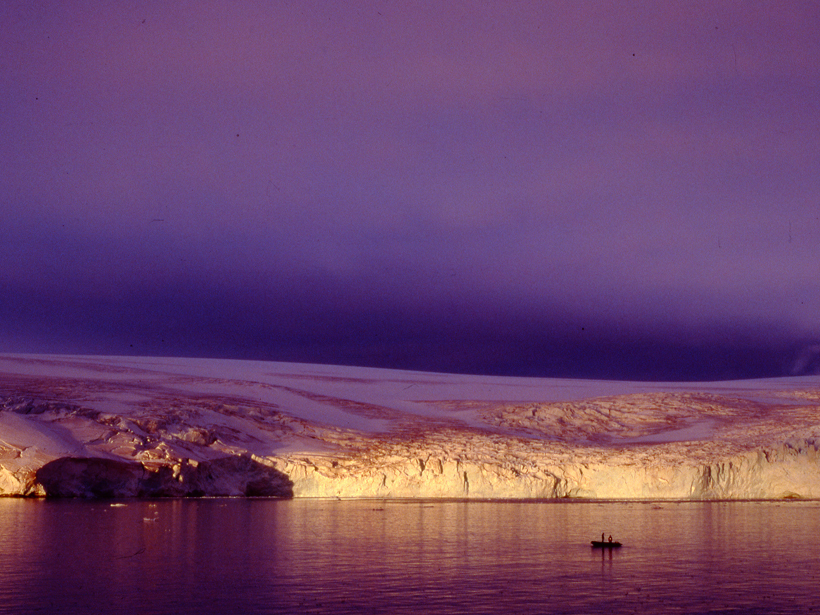
Antarctic Sediment Plume Disrupts Deep-Water Community
Increased sedimentation from a melting glacier inhibits filter feeders in an Antarctic fjord.

Posted inResearch Spotlights
Rising Temperatures Release Methane Locked in the Seabed

New research shows that when ice in the seafloor melts, single-cell organisms metabolize the methane released, preventing the greenhouse gas from reaching the atmosphere.
Posted inNews
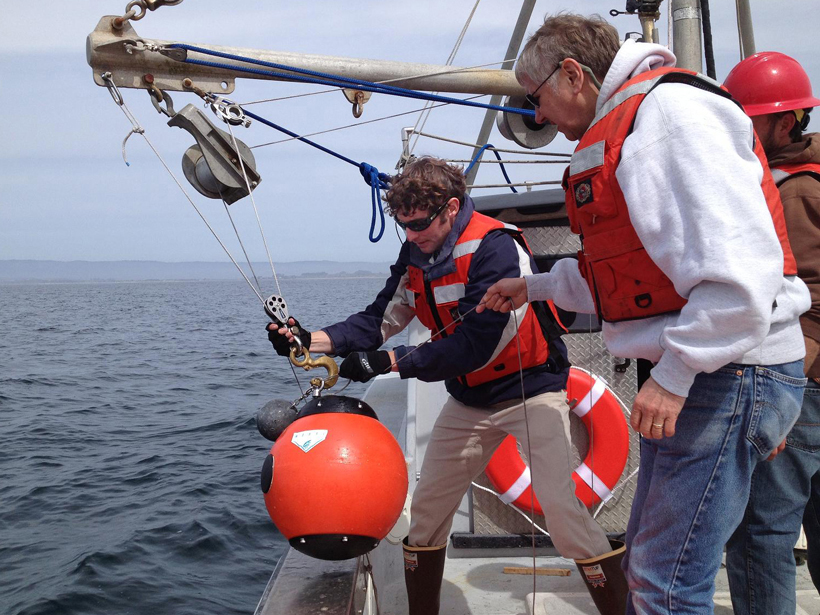
Researchers Track Underwater Avalanches Like Never Before

Using beach ball–like detectors, researchers set out to determine how sediments, which could contain toxic contaminants, travel through submarine canyons to greater depths.

Posted inResearch Spotlights
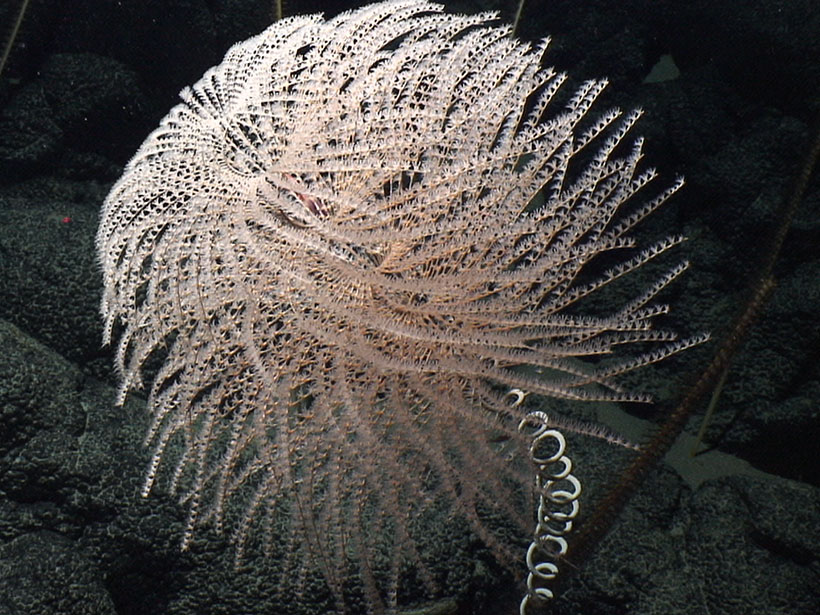
A Magmatic Seafloor Source at an Ultraslow-Spreading Ridge

An ultraslow-spreading stretch of the Southwest Indian Ridge is thicker than expected: both tectonic and volcanic processes may be feeding the growing seafloor there.
Posted inScience Updates
New Insights from Seafloor Mapping of a Hawaiian Marine Monument
New surveys help untangle the complex geologic history of the Hawaiian Archipelago and provide hints about where to seek marine life.
Posted inResearch Spotlights
Deep Atlantic Conduit Boasts Longest Billow Train
Some 4000 meters below sea level, swirling patterns of more than 250 consecutive breaking waves up to 100 meters tall stretch through the Atlantic Ocean's Romanche Trench.
Posted inResearch Spotlights
Rapid Gas Hydrate Forms Pockmarks in Nigeria's Seafloor
The seafloor in deep water regions off the coast of Nigeria is speckled with pockmarks that scientists suggest were mainly made by the rapid formation of gas hydrate.