
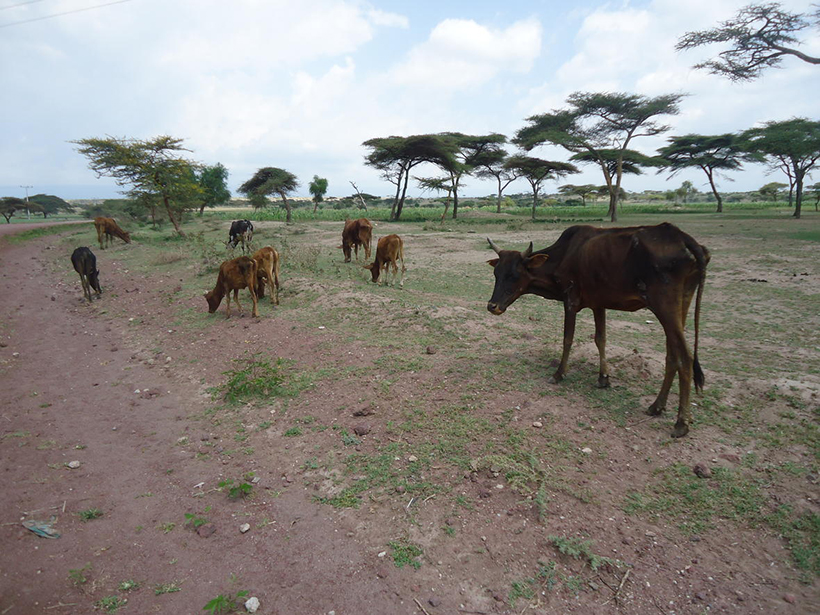
Researchers develop a mathematical model to shed light on the social, economic, and ecological challenges of governing resources such as fisheries, forests, grazing lands, and the atmosphere.
Research Spotlights
Research spotlights are plain-language summaries of recent articles published in AGU’s suite of 24 journals.
Posted inResearch Spotlights
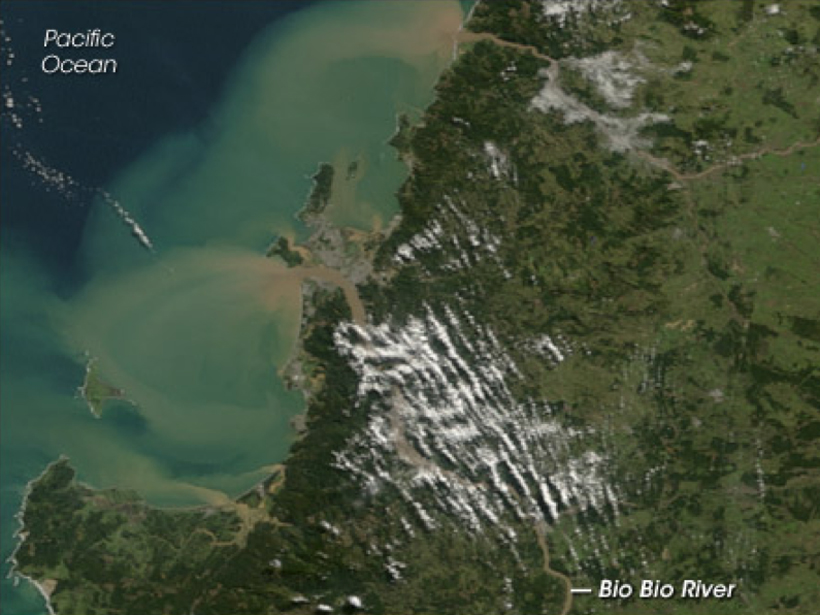
Tracing Land to Ocean River Transport with Cosmogenic Isotopes
Beryllium stored in marine sediments can help scientists study erosion and other environmental changes.
Posted inResearch Spotlights
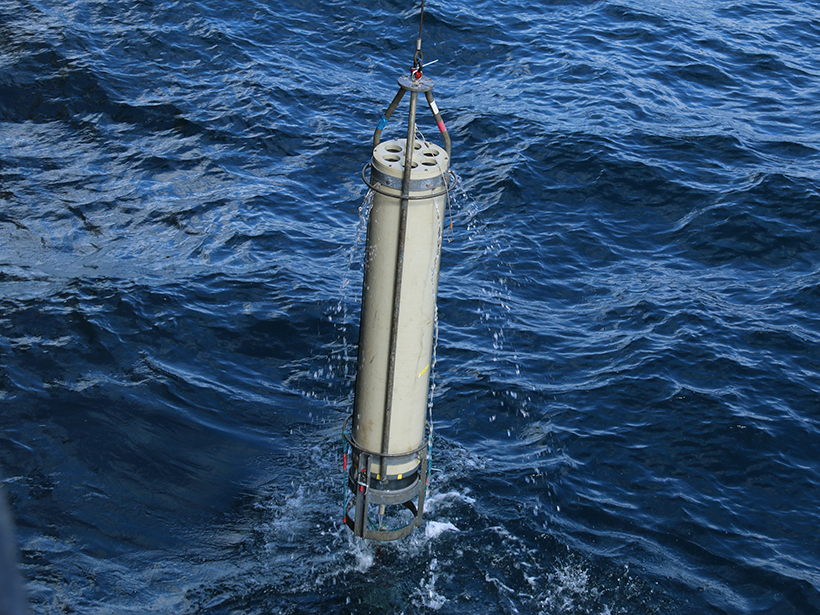
New Evidence Challenges Prevailing Views on Marine Carbon Flux

Small, slow-sinking organic particles may play a bigger role than previously thought in the transport of carbon below the surface ocean.

Posted inResearch Spotlights
New Data Record Extends History of Global Air Pollution
Researchers extend long-term aerosol records to the past 40 years by combining two existing algorithms to process satellite data over both land and sea.

Posted inResearch Spotlights
Coastal Wetlands Effectively Sequester “Blue Carbon”
Mangrove forests, salt marshes, seagrass beds, and the like are carbon storage treasure troves.
Posted inResearch Spotlights
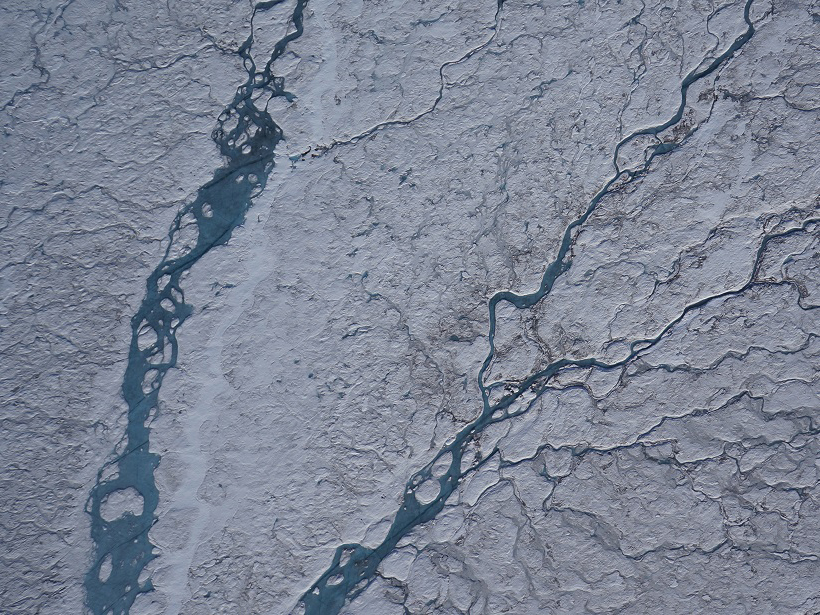
On-the-Ground Measurements Overestimate Earth’s Albedo
Weather stations can be used to calibrate and validate albedo measurements from satellites, but they fail to account for variability across landscapes, overestimating how reflective our planet is.

Posted inResearch Spotlights
Improving Our Understanding of El Niño in a Warm Climate
A new study seeks to bring together the strongest features of proxy data and climate models to reduce uncertainties in reconstructions of past El Niño behavior.

Posted inResearch Spotlights
Simulations Give New View of Global Auroral Storms
New computer models capture the movement of the strongest auroral storms as they sweep across Earth at night, challenging scientists’ views of what drives them.
Posted inResearch Spotlights
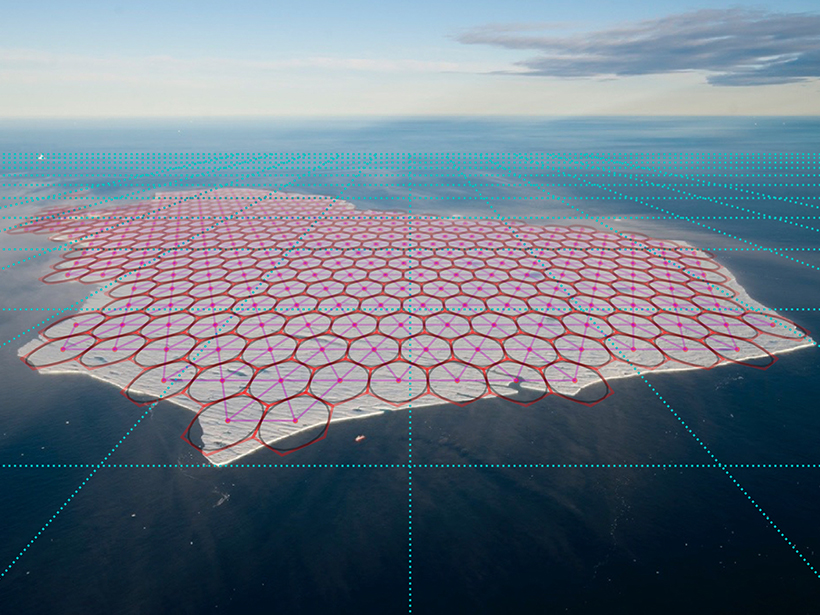
How to Find an Iceberg’s Breaking Point
Researchers develop a mathematical method of modeling tabular icebergs, like the one that broke away from an Antarctic ice shelf earlier this year.
Posted inResearch Spotlights
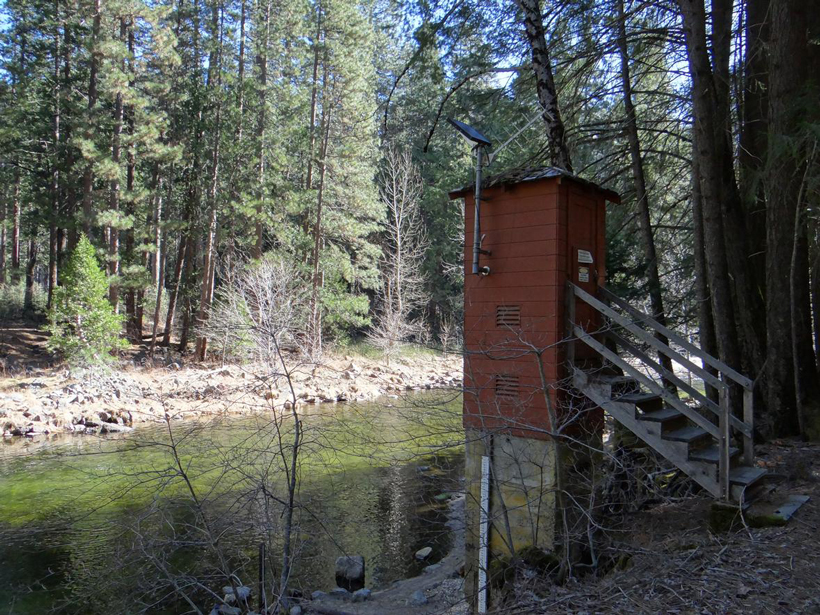
Improving Water Resources Management from the Ground Up
The key to sustainable water resources management isn’t satellite technology yet—it’s a new spin on time-tested rain and stream gauges.