
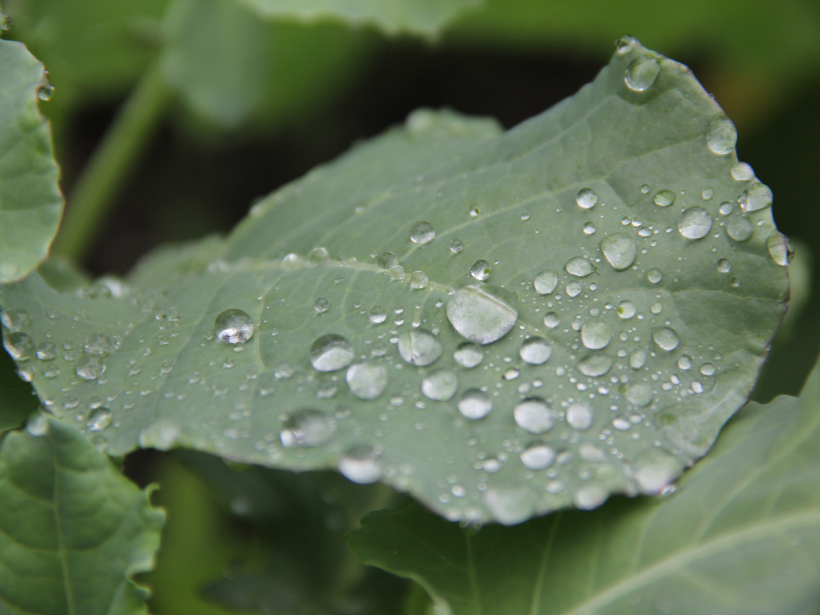
A study provides a new modeling method to simulate rain when it pours and when it doesn’t.
CC BY-NC-ND 2017
Posted inResearch Spotlights
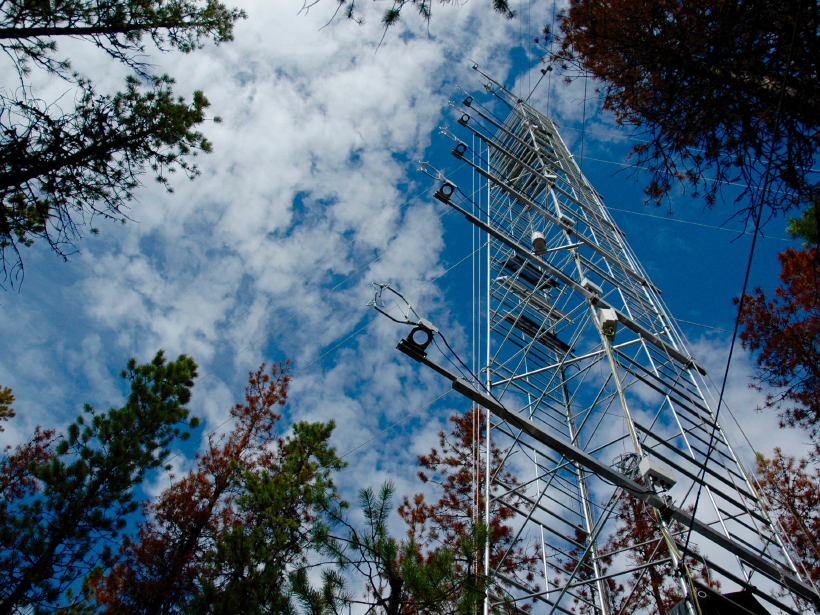
Global Atmospheric Observations May Need Tweaking for Turbulence
A new study that overturns an 80-year-old assumption about atmospheric turbulence may finally resolve discrepancies in observations of atmospheric heat, water vapor, and carbon.

Posted inOpinions
Africa Initiative for Planetary and Space Sciences
Elevating planetary and space sciences across Africa could help nations reach their development goals. Efforts will require collaboration, creativity, efficient planning, and political will.

Posted inResearch Spotlights
The Future of Earth Looks Drier…but Just How Dry?

New analysis of soil moisture projections from climate models could help resolve a discrepancy between expected increases in aridity and precipitation over land.

Posted inNews
Novel Air Pollution Study Gauges Individual Cyclists’ Risks
By attaching an array of instruments to bike commuters in New York City, researchers aim to evaluate ambient pollution amounts and doses at the level of an individual cyclist.

Posted inEditors' Vox
Subduction, Stratosphere, Starspots, and Sushi
Highlights from AGU’s joint meeting with the Japan Geophysical Union.
Posted inFeatures
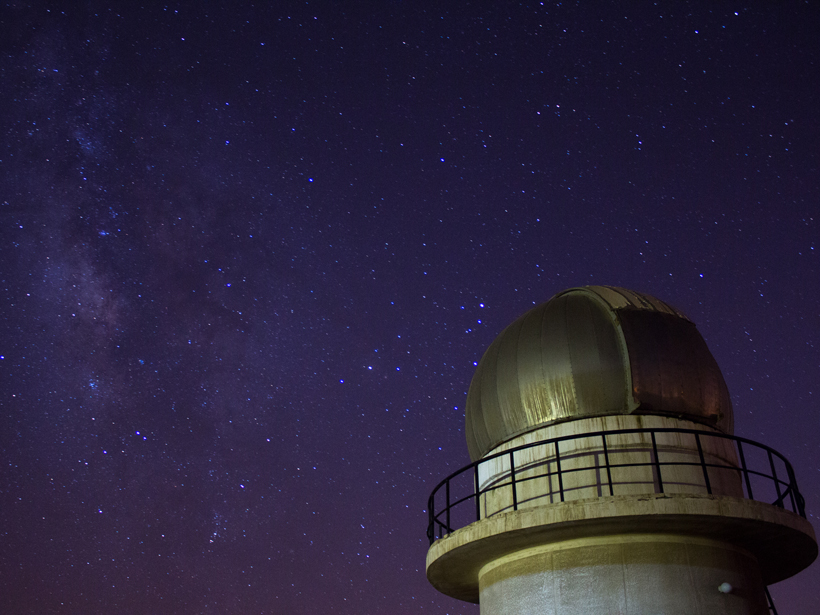
The State of Planetary and Space Sciences in Africa
Africa has an enormous potential to provide insights into planetary and space sciences, but it has remained largely untapped. Fostering a new generation of scientists promises far-reaching benefits.
Posted inAGU News
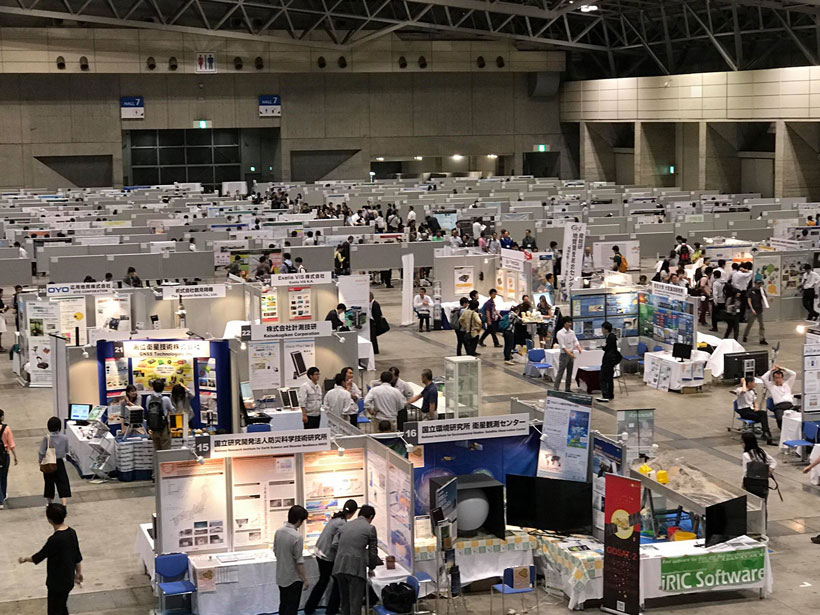
Japan-U.S. Joint Meeting: Geoscience for a Borderless World
The groundbreaking conference included sessions in Japanese, sessions in English, and sessions in which presenters used English language slides but could speak in Japanese.
Posted inResearch Spotlights
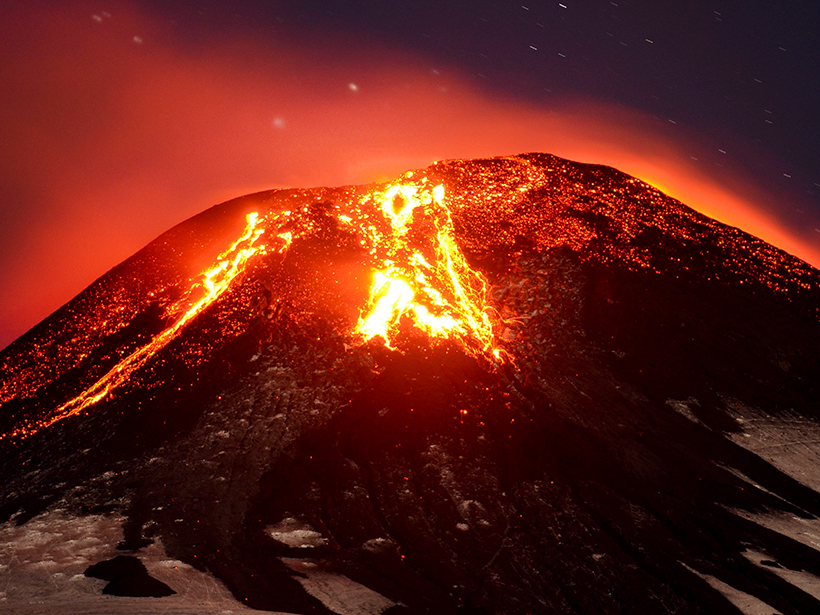
Can Volcanic Gas Levels Predict an Eruption?

Researchers test whether the changing composition of volcanic gas can signal a coming eruption in Chile’s Villarrica volcano.
Posted inEditors' Vox
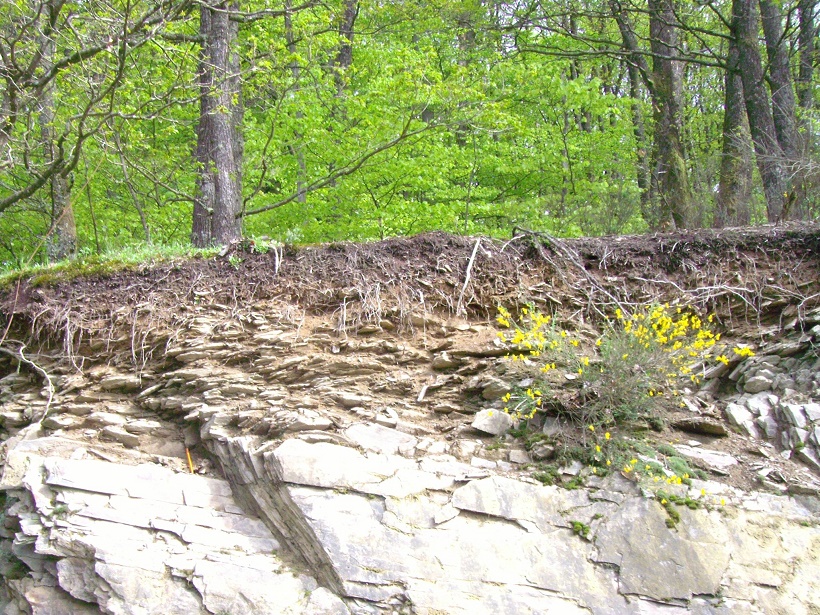
Tracing Water Through the Critical Zone
The authors of a recent paper in Reviews of Geophysics describe how isotope hydrology offers new insights into interactions at the interface between soil, vegetation, and the atmosphere.