
The National Science Foundation (NSF) has walked back a plan to change its grantmaking process to align with a proposal from the Office of Management and Budget (OMB) released in May.
academia
Posted inResearch Spotlights
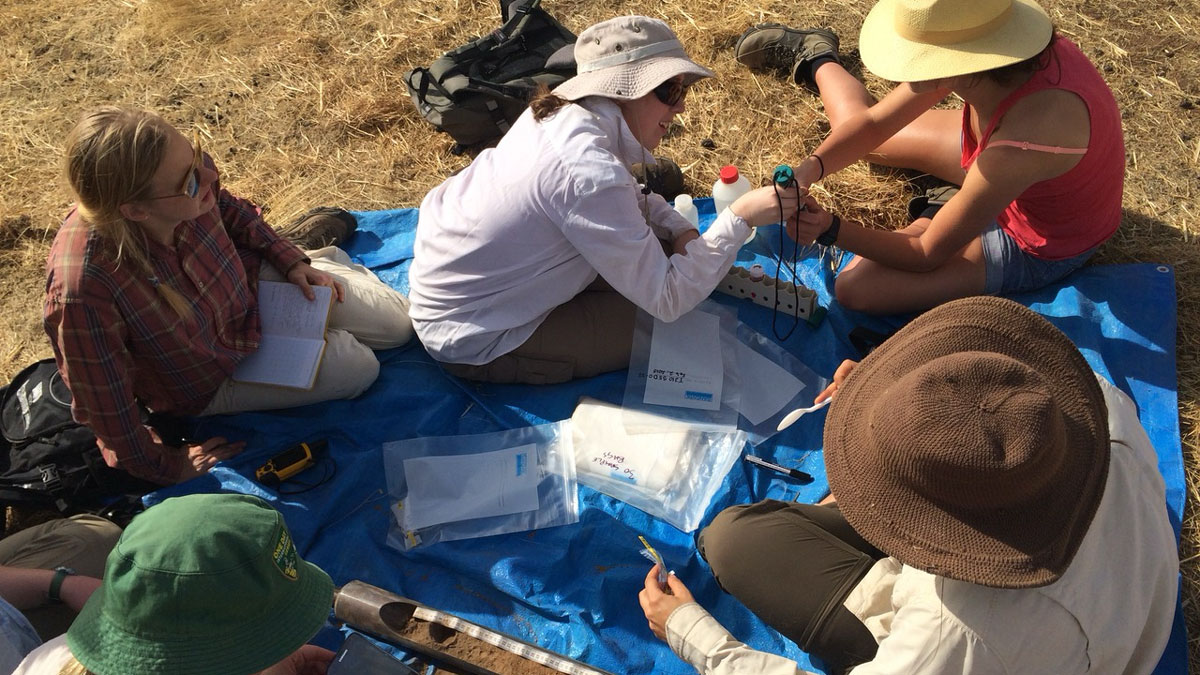
八成研究人员称在野外工作期间遭遇过有害互动
一项最新调查显示,野外工作期间发生有害互动的情况十分普遍,而许多此类事件并未被正式上报。一项新调查为此指明了改进的方向。
Posted inAGU News
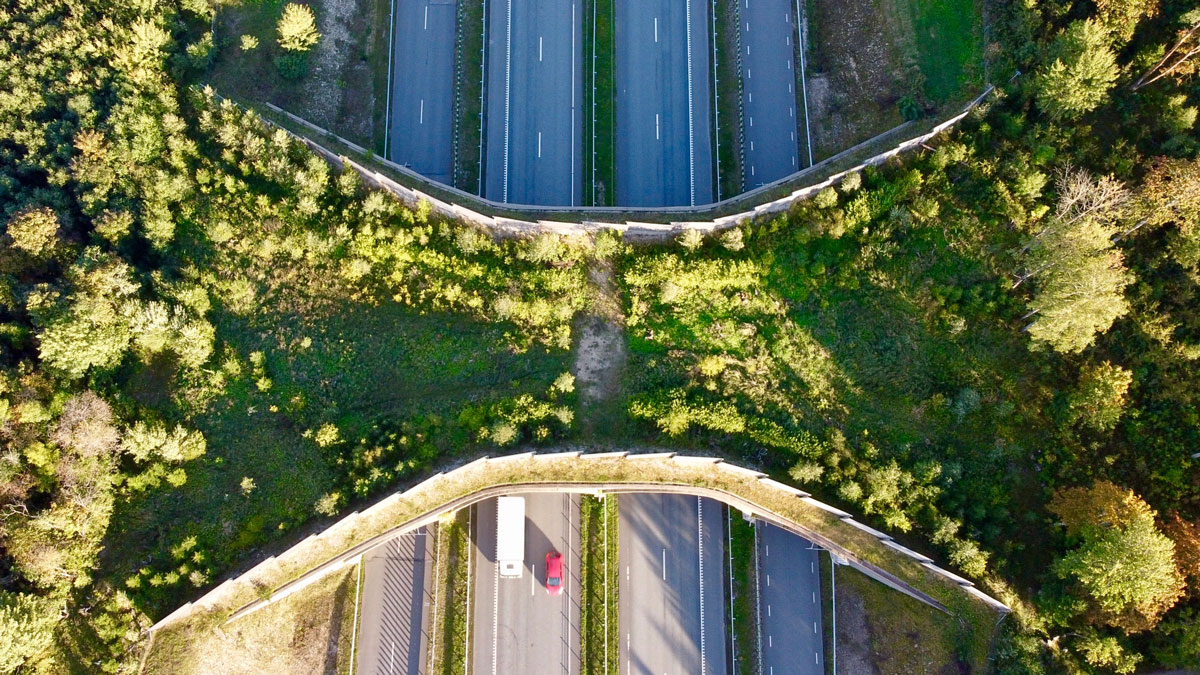
Science Assessments for a Changing World
AGU’s new Initiative for Science Assessments is an opportunity to rethink how research is turned into guidance that communities and decisionmakers can use.
Posted inResearch & Developments
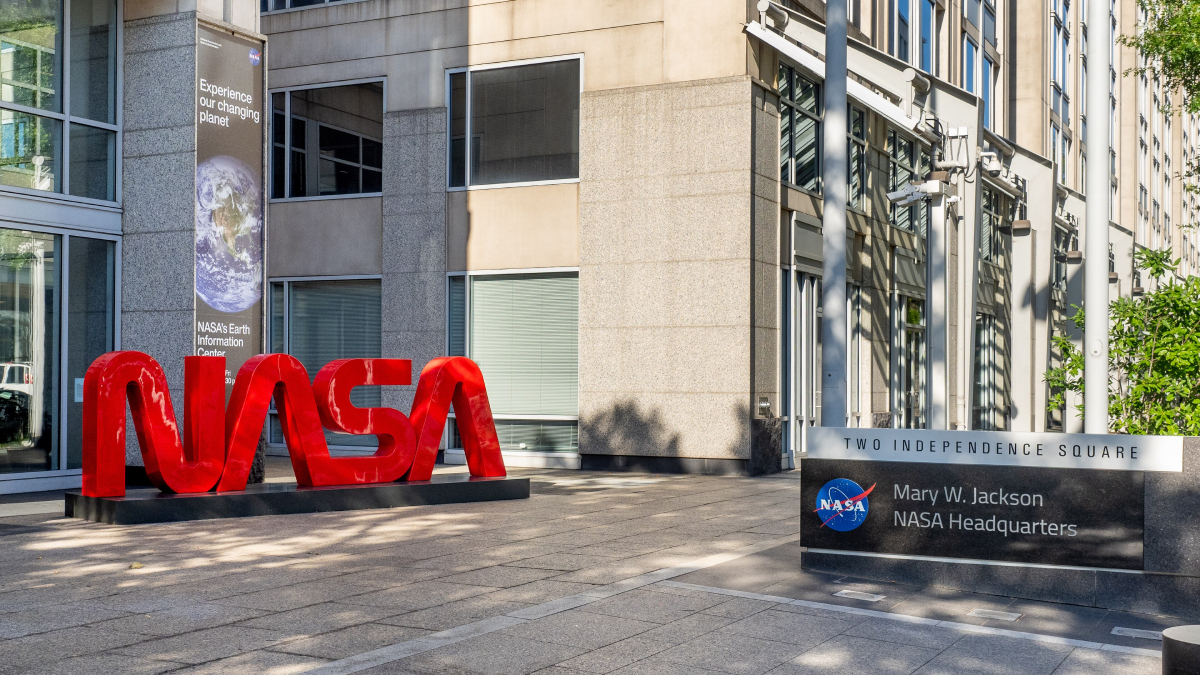
NASA has Underspent on Research and Analysis for 15 Years

Spending for NASA’s research and analysis programs has remained relatively flat for 15 years, ignoring recommendations from community-led decadal surveys and directives by Congress.
Posted inResearch Spotlights
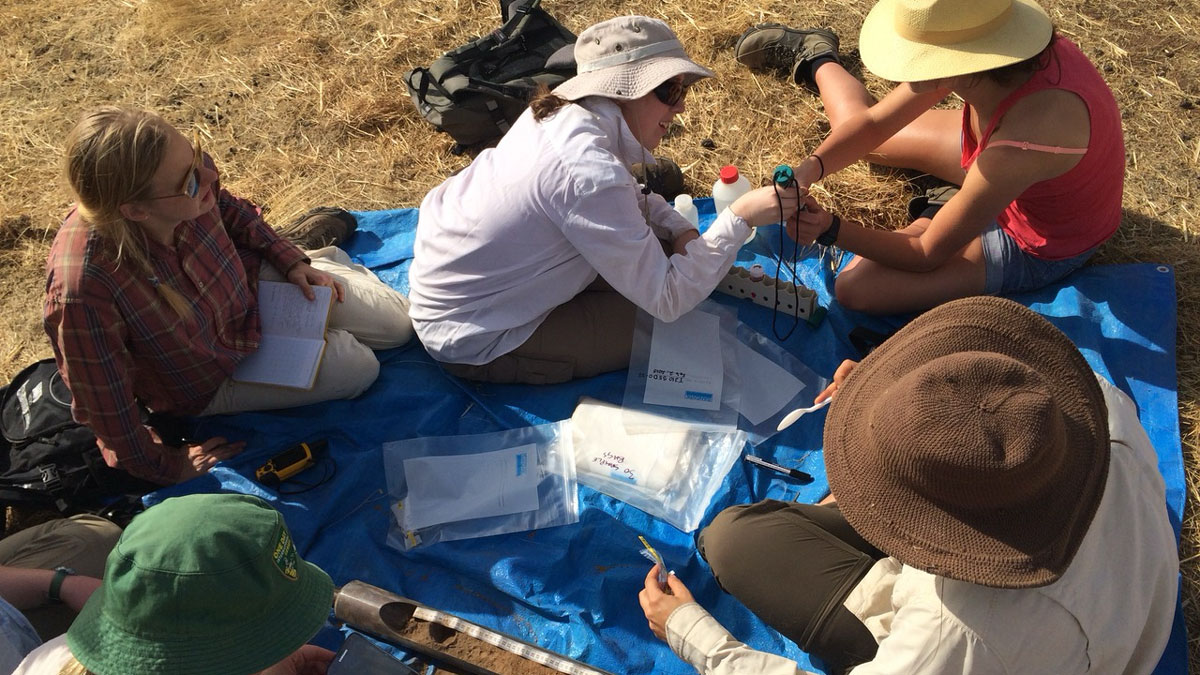
Four in Five Researchers Report Harmful Interactions During Geoscience Fieldwork. A New Survey Suggests a Path Forward.
A new survey documents the prevalence of harmful interactions that occur during fieldwork. Many instances go officially unreported.
Posted inOpinions
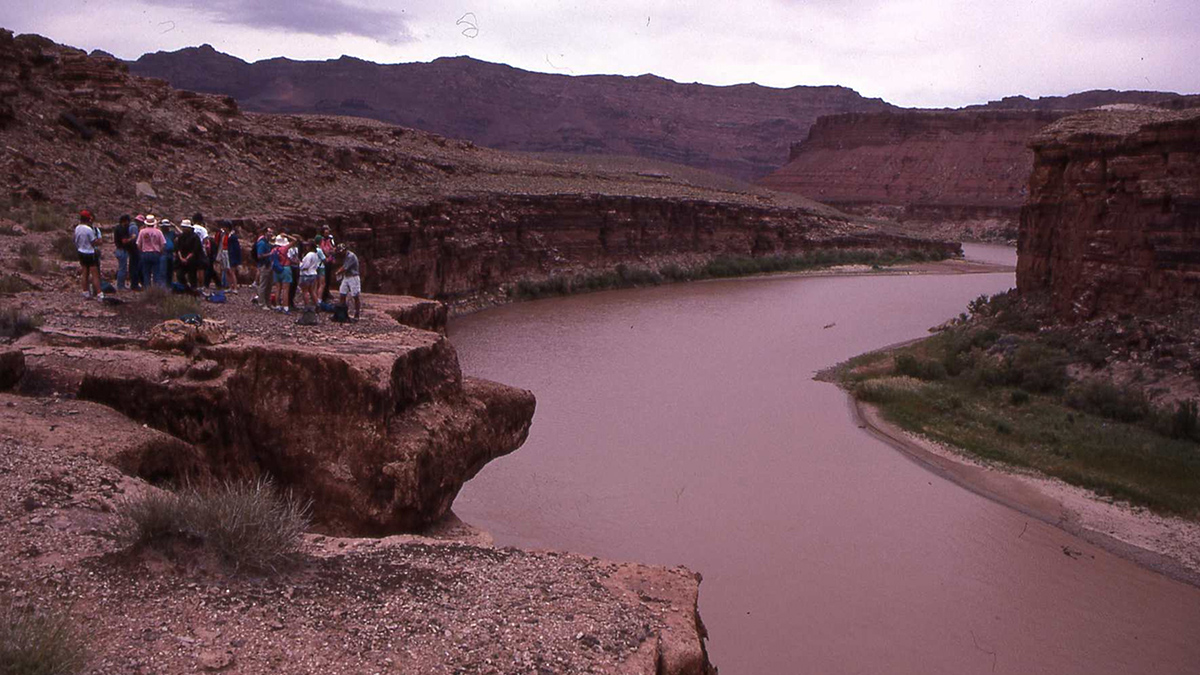
Prioritizing Quality Before Synthesis in Paleoenvironmental Hazard Science
The field needs methodological and workforce development. A proposed new center should invest there first.
Posted inFeatures
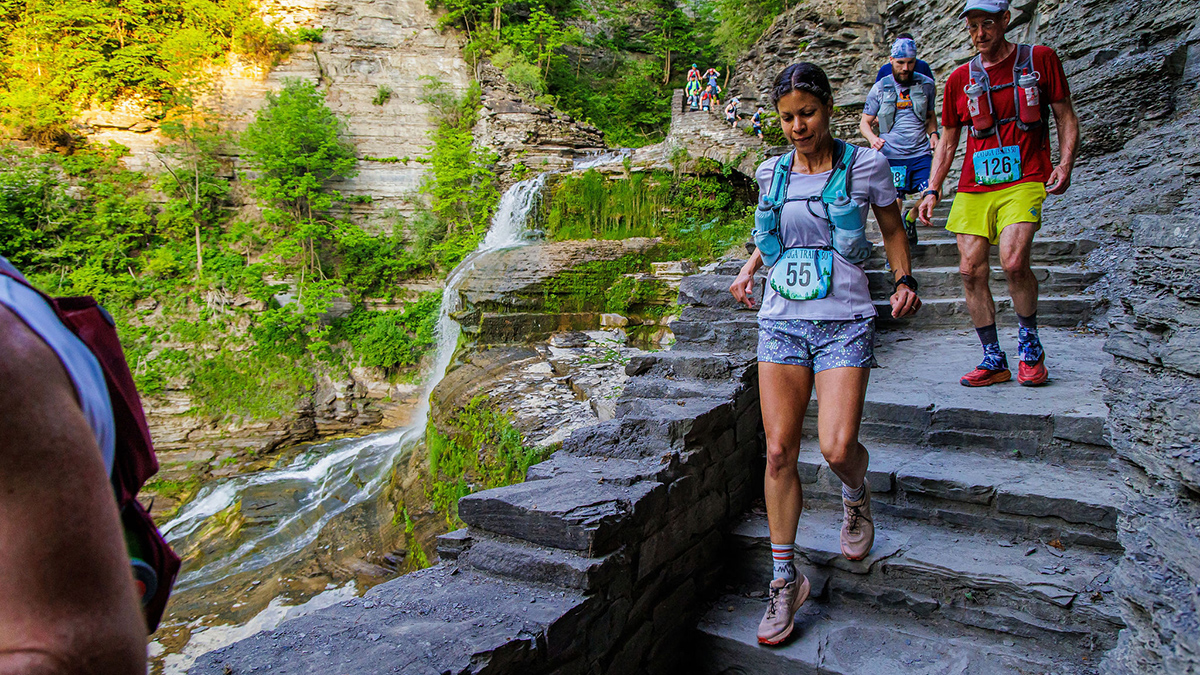
Kuwanna Dyer-Pietras: Running Through the Rock Record
A geologist who left academia found a new way to stay connected to Earth, one ultramarathon at a time.
Posted inResearch & Developments
Trump’s Science Adviser Wants to Overhaul “Increasingly Calcified” U.S. Science Enterprise While Science Funding Lags

A report released this week directs the U.S. government to spark a “new golden age” of science by ushering funds toward artificial intelligence, fostering closer relationships with private industry, and dismantling and rebuilding the federal science funding process.
Posted inNews
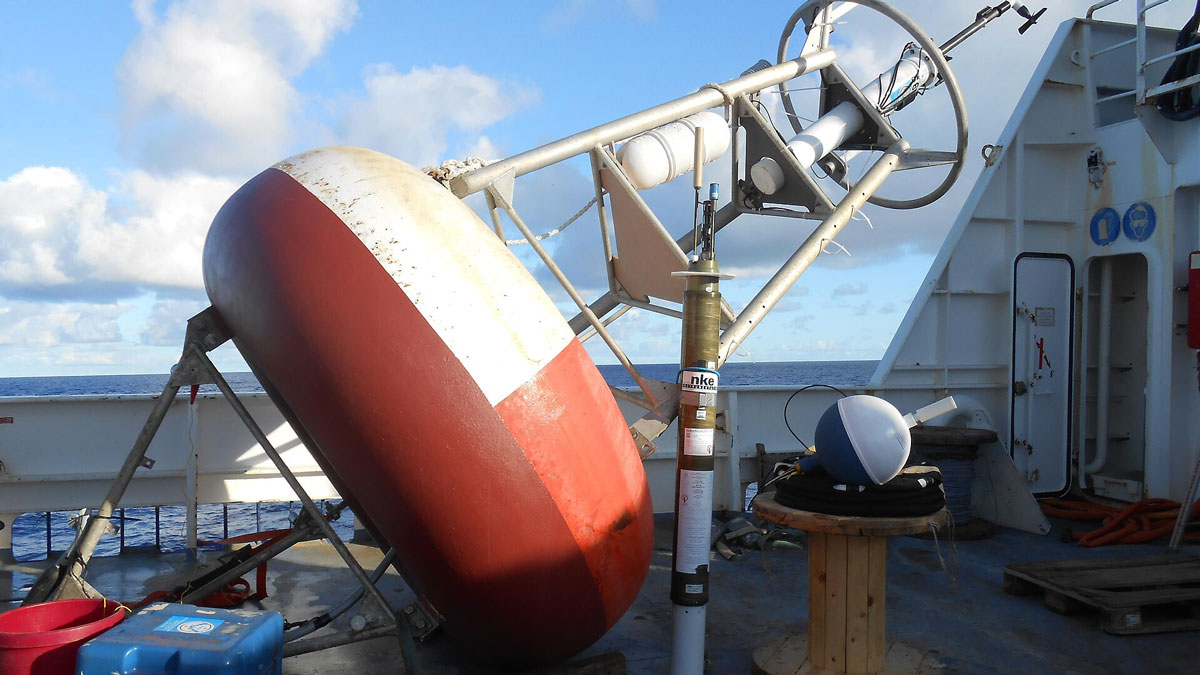
Changes in Funding Could Tank Quality of Ocean Heat Content Data
An uncertain funding landscape threatens the longevity of an ocean observation system critical to projecting tropical storms, sea level rise, and more.
Posted inFeatures
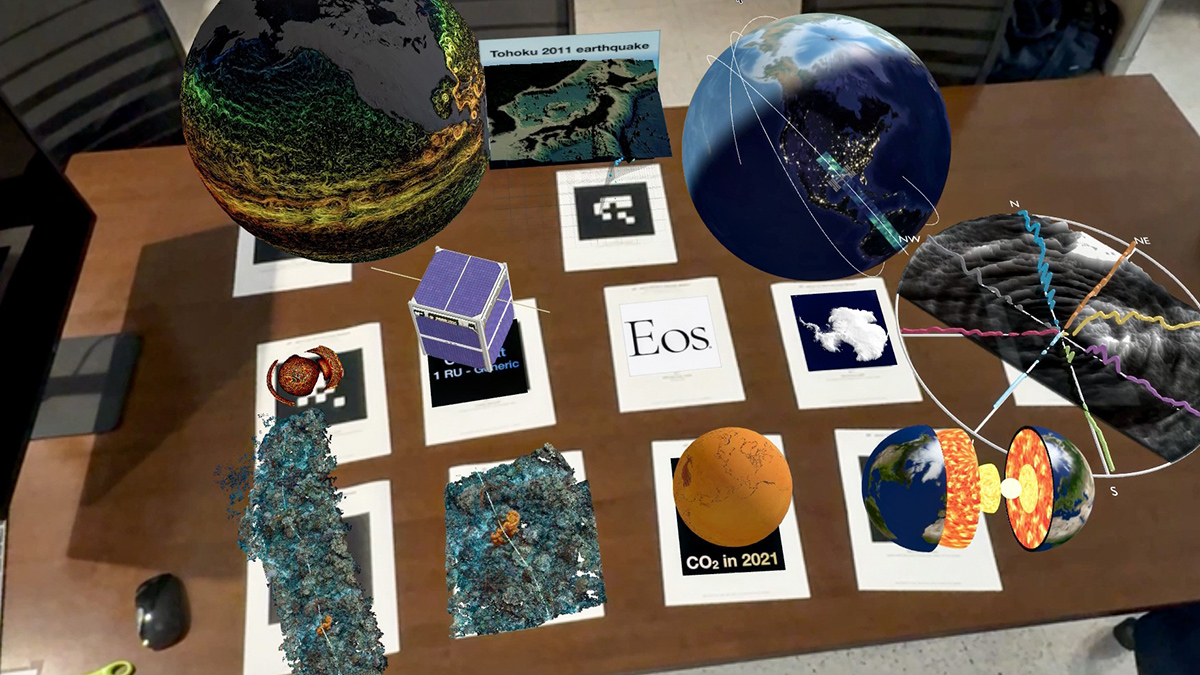
Extended Reality Offers Opportunities for Scientific Show-and-Tell
Advances in virtual and augmented reality, spatial computing, and other technologies offer chances to work with data more intuitively, benefiting Earth and space science research and education.