
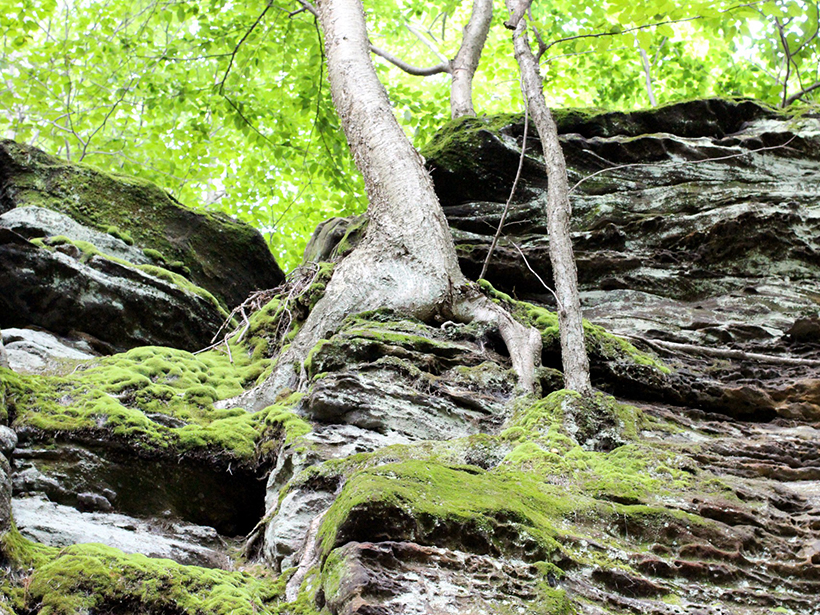

Deep tree roots bring respiring microbes into broken bedrock, generating carbon that’s released into the environment. New research explores this oft-overlooked carbon source.
carbon cycle

Posted inResearch Spotlights
Determining Dissolved Organic Carbon Flows into the Gulf of Alaska
A new model determines freshwater and dissolved organic carbon discharge to the Gulf of Alaska from one of the most geographically diverse but understudied regions on the planet.
Posted inNews
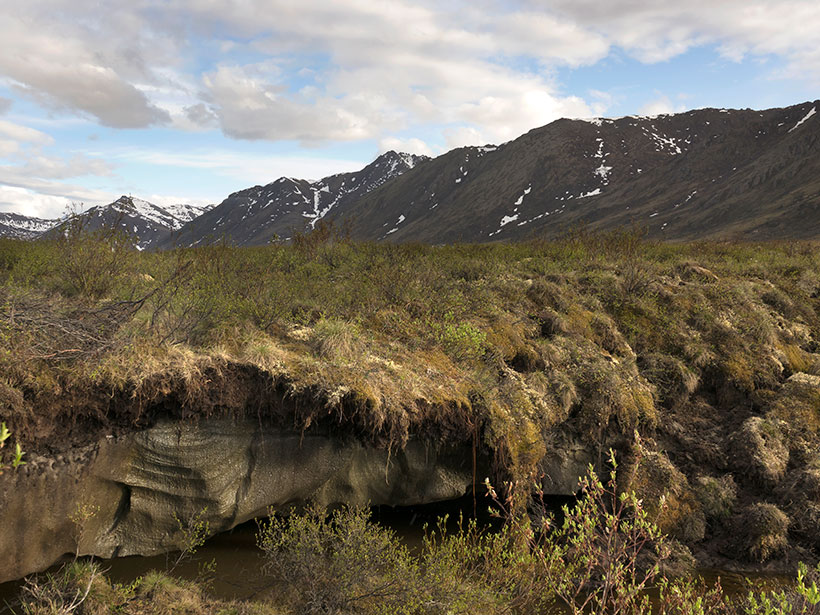
Experimentos Revelan Cómo el Carbono del Permafrost se Convierte en Dióxido de Carbono

Muestras de campo provenientes de Alaska muestran cómo la luz solar y el hierro convierten el carbono del permafrost en dióxido de carbono. Los modelos climáticos ignoran este proceso.

Posted inResearch Spotlights
El Zooplancton Gelatinoso Transfiere Una Cantidad Significativa de Carbono a las Profundidades del Océano

Un nuevo estudio muestra que las medusas y las salpas marinas no reciben el crédito que merecen por su papel en el ciclo del carbono en el océano.

Posted inNews
Dirty Trees Shape Earth’s Hydrologic and Carbon Cycles
Researchers peer into precipitation partitioning—the process by which plants and the organic matter coating them help shape the hydrologic cycle.
Posted inNews
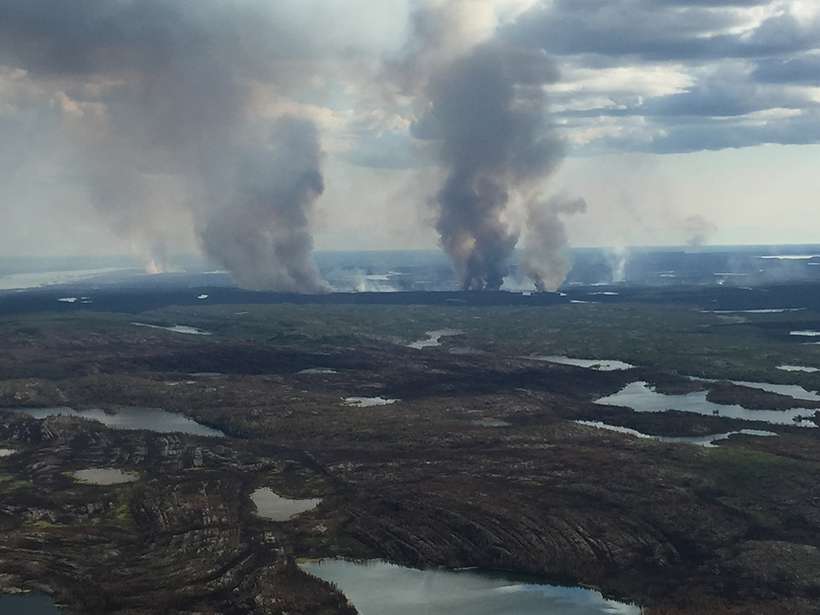
Feedback Loops of Fire Activity and Climate Change in Canada
New research documents how a warming climate contributes to patterns in wildfire severity and frequency and how the fires contribute to climate change.
Posted inEditors' Highlights
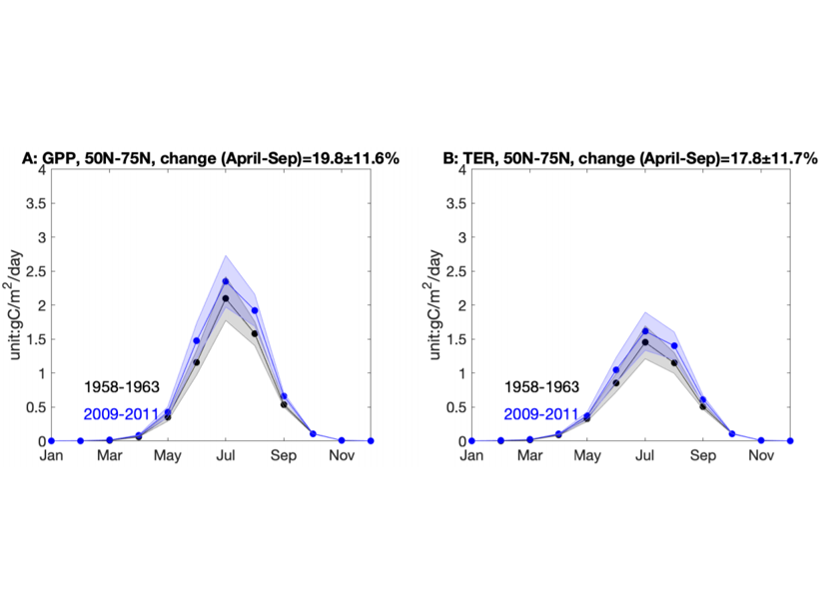
High Climatic Response of High-Latitude Forests

The seasonal amplitude of atmospheric CO2 is increasing, partly due to boreal forest responses to warming. Photosynthesis and expansion of boreal forests are shown here to be temperature-limited.
Posted inResearch Spotlights
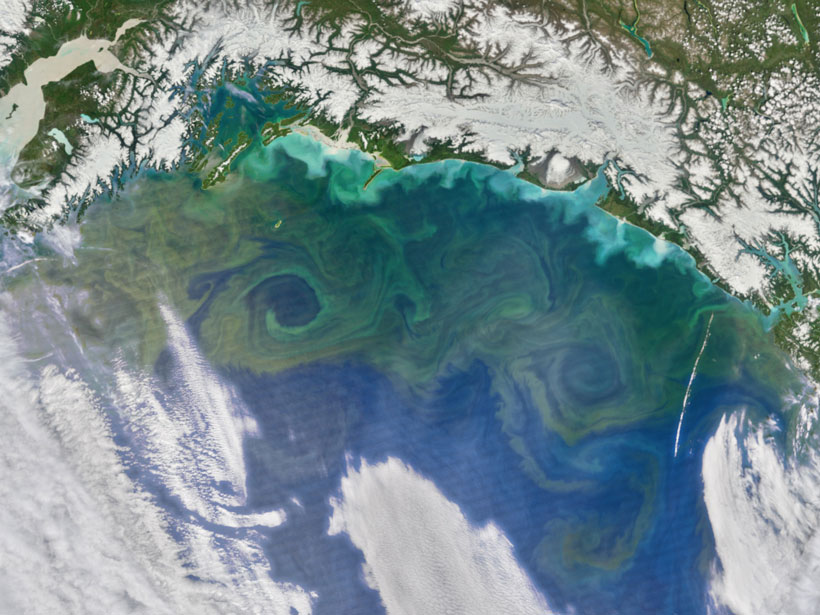
A Promising Development for Detecting Ocean Productivity

A comparison of primary productivity measurements across the North Pacific Ocean demonstrates the potential for using autonomous instruments to discern effects of climate change on the marine food web.
Posted inResearch Spotlights
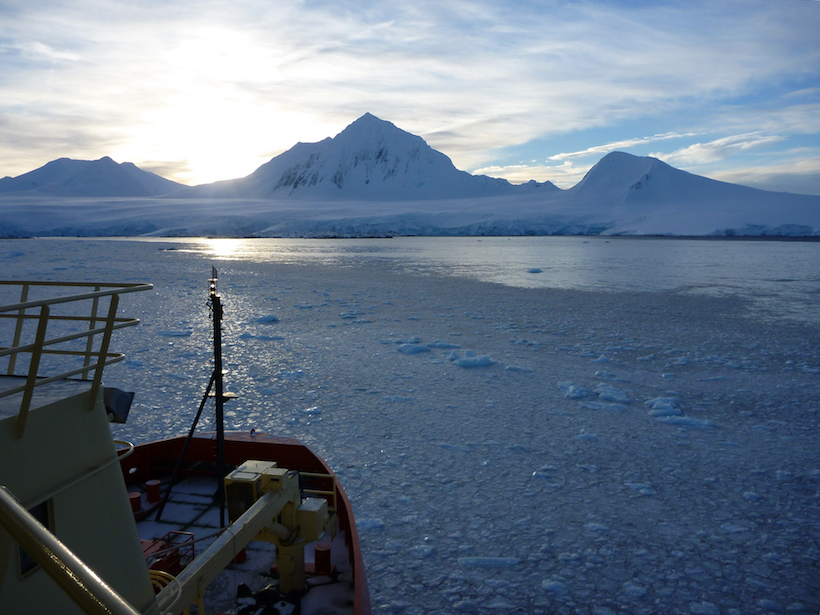
How Long Does Iron Linger in the Ocean’s Upper Layers?
A new study refines our understanding of marine residence times of iron, which supports carbon-sequestering sea life, offering valuable data to inform biogeochemical models.

Posted inResearch Spotlights
Jellies Transfer a Significant Amount of Carbon to the Deep Ocean
Jellyfish and sea salps aren’t getting the credit they deserve for their role in ocean carbon cycling, according to a new study.