


Científicos encuentran nuevos extremos mientras investigan el ciclo del carbono en el agujero azul de Yongle.
carbon cycle

Posted inResearch Spotlights
A First Look at Elusive Deep-Ocean Carbon Molecules

A new analytical technique enables direct analysis of dissolved organic carbon molecules that store carbon in the ocean for thousands of years.
Posted inNews
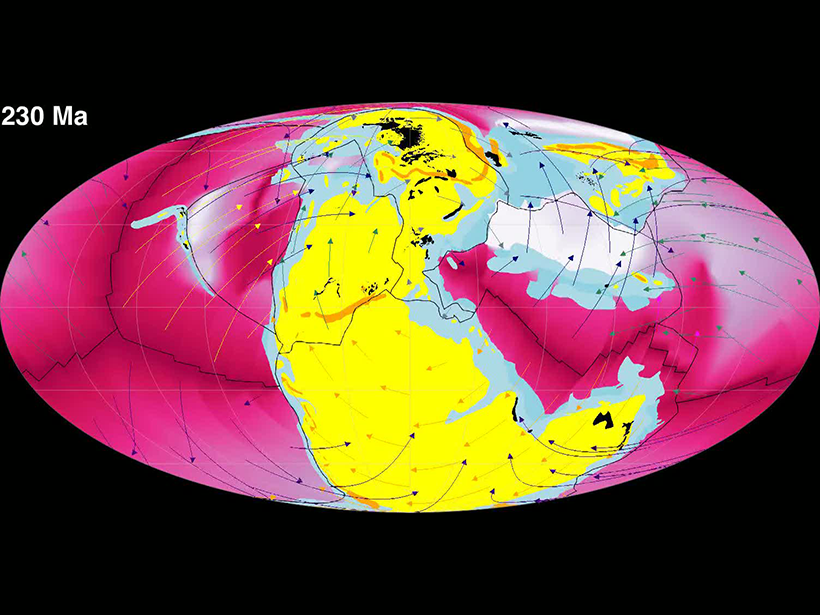
Visualizing the Deep Carbon Cycle
Geoscientists have created animations to help visualize different components of Earth’s carbon cycle.
Posted inNews
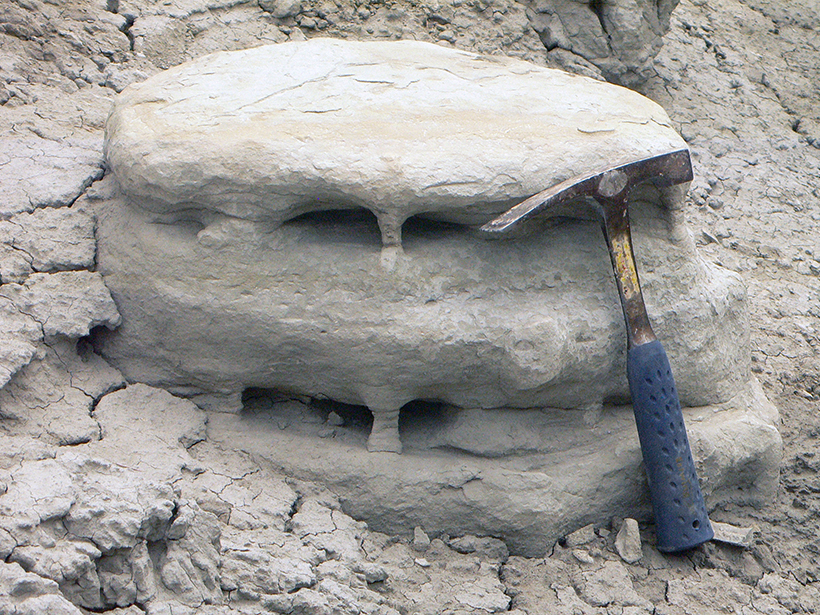
Oceanic Changes Correlate with Methane Seepage

Changes in sea level and organic carbon burial may have affected seafloor methane seepage over the past 150 million years.
Posted inEditors' Highlights
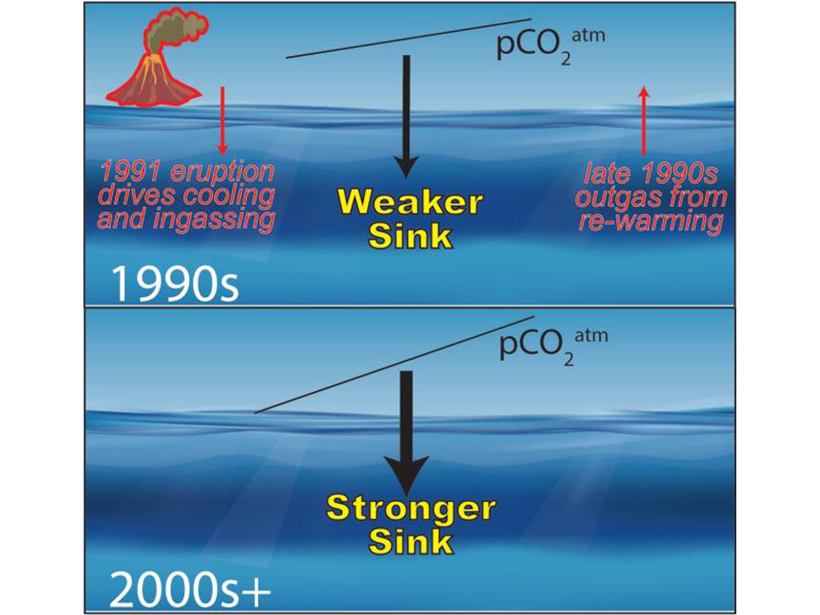
Eruption and Emissions Take Credit for Ocean Carbon Sink Changes
A new model explains why the ocean’s capacity to take up carbon was reduced on a decadal scale, by accounting for reduced pCO2 emissions and ocean state changes due to the eruption of Mt. Pinatubo.

Posted inEditors' Highlights
Extremely High Carbon Return in Certain Volcanic Arcs
By comparing measured volcanic output with subducted carbon fluxes from drill cores, the Lesser Antilles subduction zone shows nearly complete slab carbon release at sub-arc depths.
Posted inAGU News
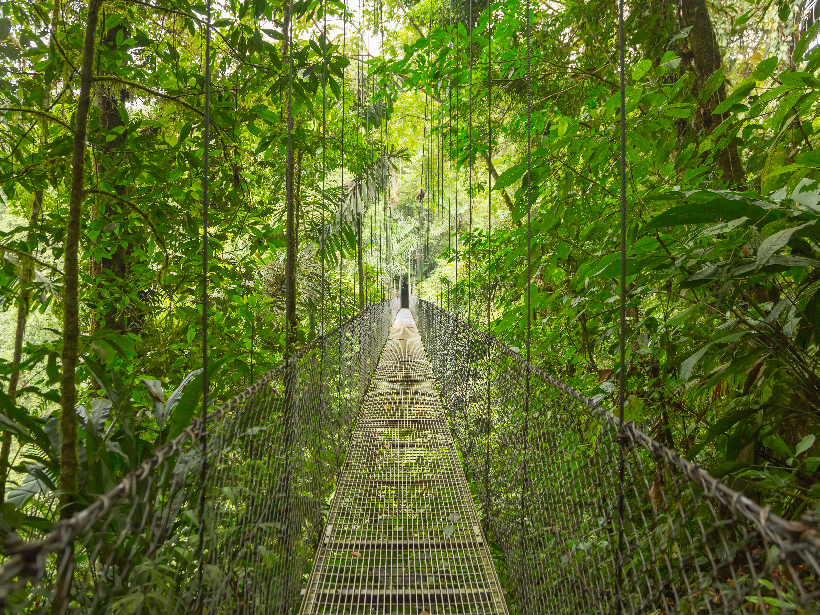
A Whole World View

Scientists are dedicated to understanding the complexities of the Earth’s carbon cycle—and how our actions can throw it off.
Posted inNews
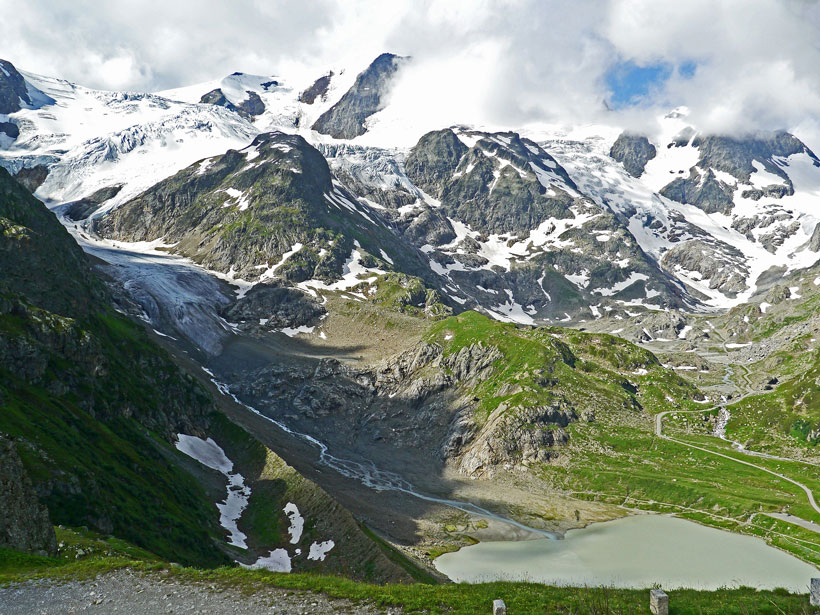
Mountain Streams Exhale More Than Their Share of CO2

Streams that flow down mountainsides are more turbulent than those that run along forest floors, which leads to faster gas exchange between water and air.
Posted inResearch Spotlights
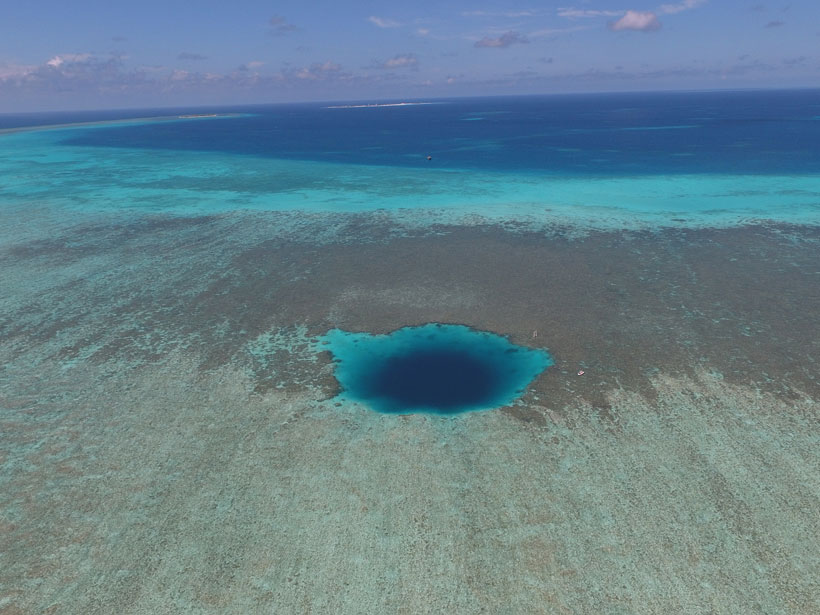
Carbon Cycling in the World’s Deepest Blue Hole
Scientists find new extremes as they research carbon cycling in the Yongle blue hole.

Posted inNews
El Compostaje Humano es el Camino Ecológico a Seguir
Nuestro impacto ambiental no desaparece cuando morimos, pero existe una forma de convertir este impacto en algo positivo.