

Water levels in Africa’s largest lake have risen over a meter since last fall and continue to increase as land use changes and heavy rains enhance the flow.
Climate Change

Posted inScience Updates
Big Questions, Few Answers About What Happens Under Lake Ice
Scientists long eschewed studying lakes in winter, expecting that cold temperatures and ice cover limited activity below the surface. Recent findings to the contrary are changing limnologists’ views.

Posted inEditors' Vox
Mysterious Engine of the Madden‐Julian Oscillation
Understanding the fundamental physics of the Madden‐Julian Oscillation, a phenomenon that occurs over the Indian and Pacific Oceans, remains a challenge in tropical atmospheric research.

Posted inNews
Five Things Spy Satellites Have Taught Us About Earth

Long before we had satellites beaming terabytes of data back to Earth, we had covert spacecraft the size of school buses snapping photos on rolls of film 50 kilometers long.
Posted inNews
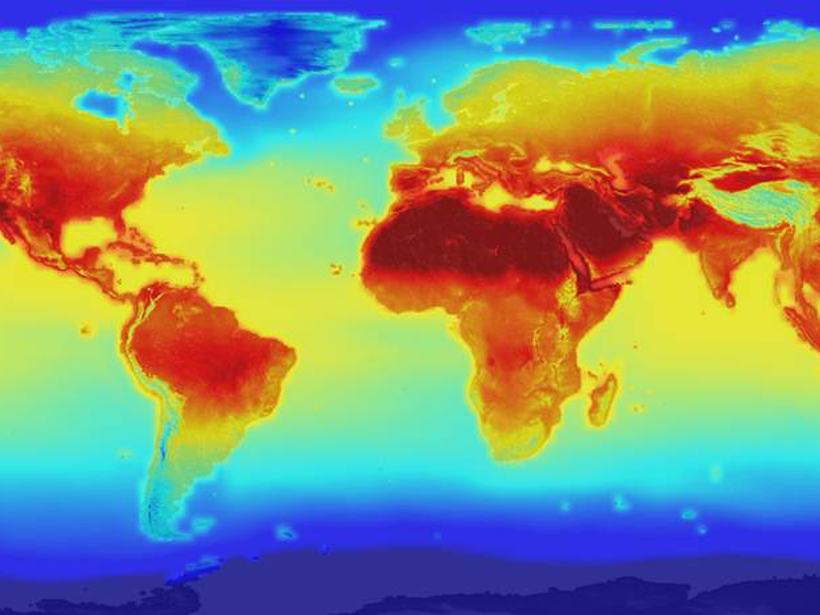
Will COVID’s Cleaner Skies Muddy Climate Models?

Reduced greenhouse gas emissions for a year or two won’t slow down climate change, but they may throw off scientists’ ability to model short-term phenomena.
Posted inNews
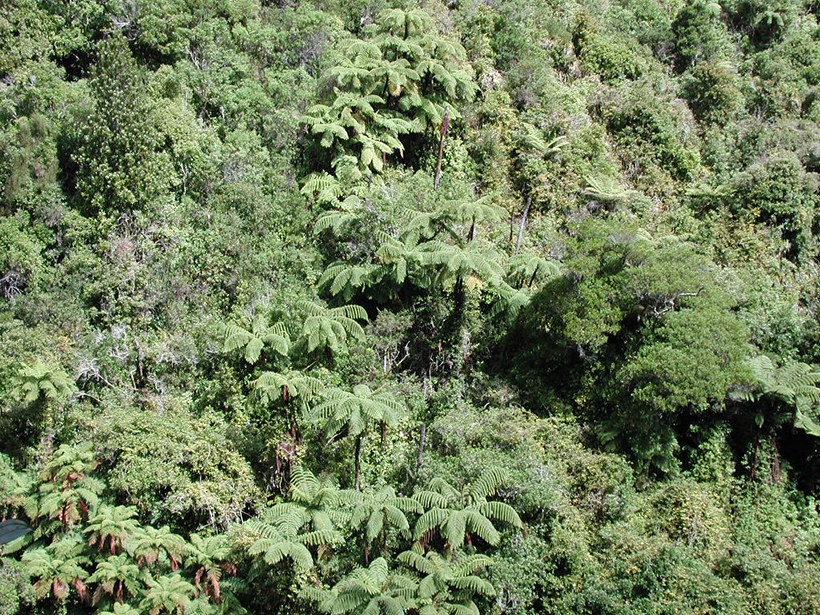
New Evidence of a Giant Lava Lamp Beneath the Ancient Pacific
Seismic surveys find evidence of a superplume in Earth’s mantle that fueled ancient megaeruptions in the Pacific.
Posted inEditors' Highlights
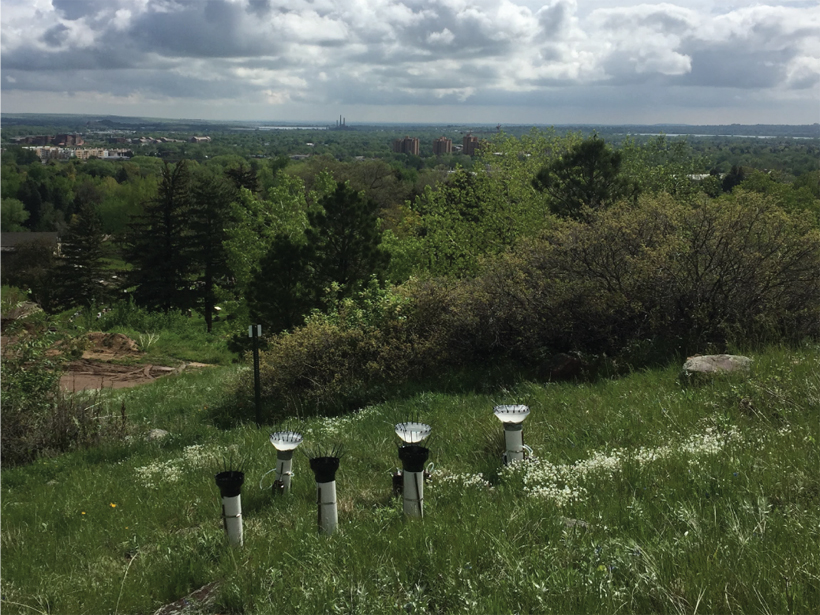
Dust in the Wind: Human Impacts to the Colorado Front Range
A recent increase in airborne dust has been attributed to both climate and land use, with human activity playing a substantial role, especially in summertime at low elevations.

Posted inNews
The Rise of Zombie Fires

Wildfires can smolder underground through Arctic winters, reigniting at the surface when conditions are right.
Posted inResearch Spotlights
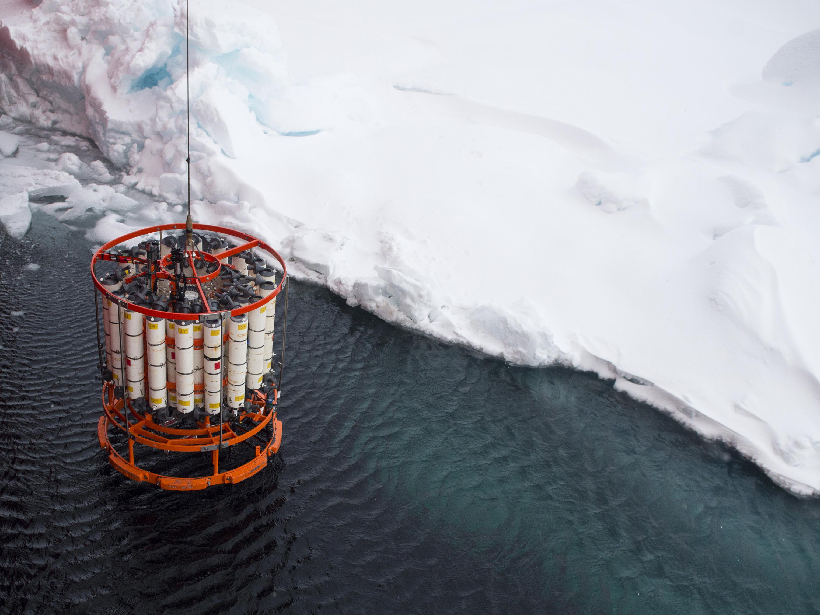
Rastreando Elementos Traza a Través del Océano Ártico
Durante la expedición Pan-ártica, los investigadores obtuvieron y utilizaron datos de carbono y elementos traza para comprender mejor cómo el cambio climático afectará la producción primaria en una de las regiones de calentamiento más rápido del mundo.

Posted inEditors' Highlights
The Perils of Computing Too Much and Thinking Too Little
Big steps forward are synonymous with new ideas – a thought that merits mindfulness if we aspire to train students to do more than merely train machines.