


From hordes rushing into national parks to mourners holding glacier funerals, tourists wanting to take in threatened natural places may be shifting visitation patterns.
culture & policy

Posted inOpinions
Glacier Intervention Research Isn’t Just for Glaciologists
Prospects for mitigating sea level rise by slowing flows of glacial ice into the ocean are worthy of research, but this work must involve all rights holders and stakeholders.
Posted inOpinions
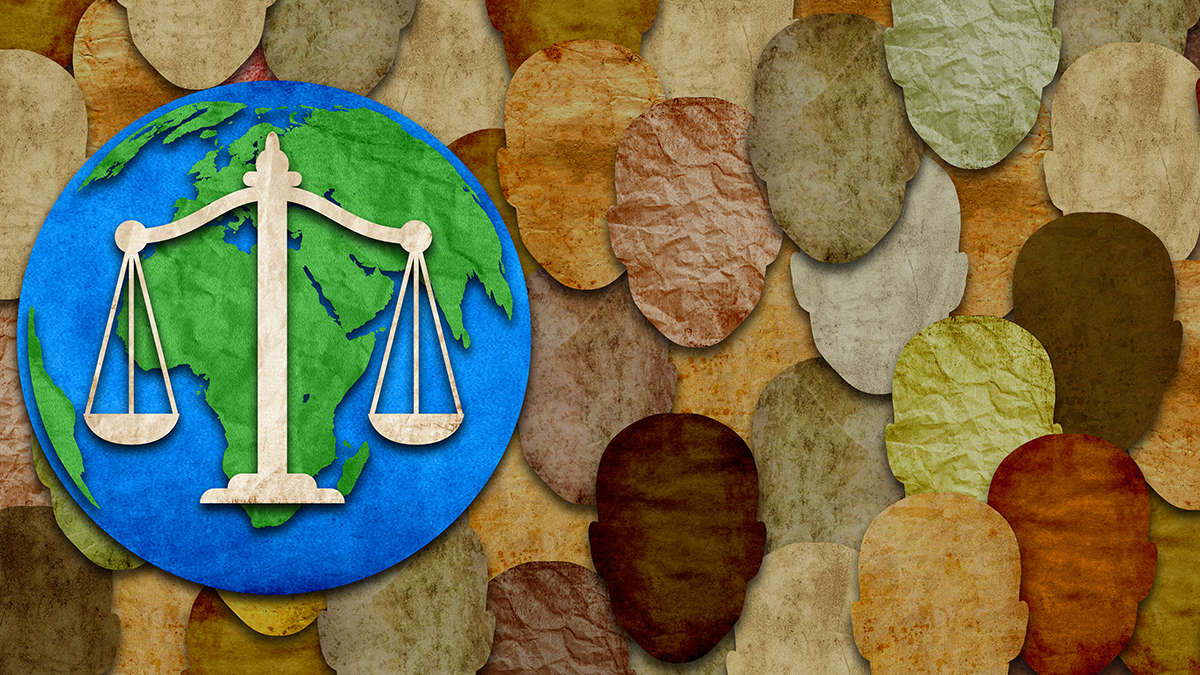
Teaching Justice in the Geosciences Matters
Geoscience educators owe it to their students to incorporate conversations of environmental justice and equity into their classrooms. Case studies are an effective approach to do this.

Posted inNews
Improving Earthquake Early Warning Access for the Deaf Community

Earthquake early warning systems are rarely accessible to people who are deaf or hard of hearing. A group of scientists is working to change that.
Posted inNews
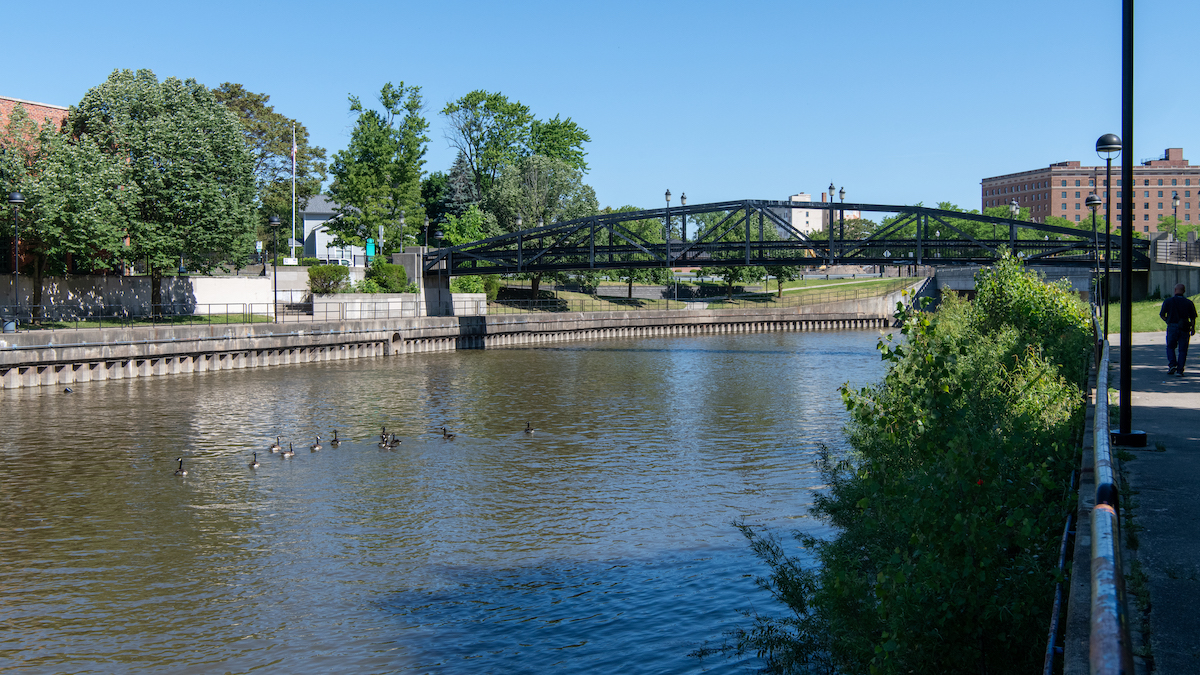
Flint, 10 Years Later
In the decade since the start of the Flint water crisis, policymakers and communities have made improvements to the lives of residents, but opportunities for progress remain.

Posted inENGAGE, Features
A Major Miner Problem
Economic geology, mining, and mineral resources programs are working to meet the needs of an industry that’s struggling to find employees—at a time when some say they’re needed more than ever.
Posted inNews
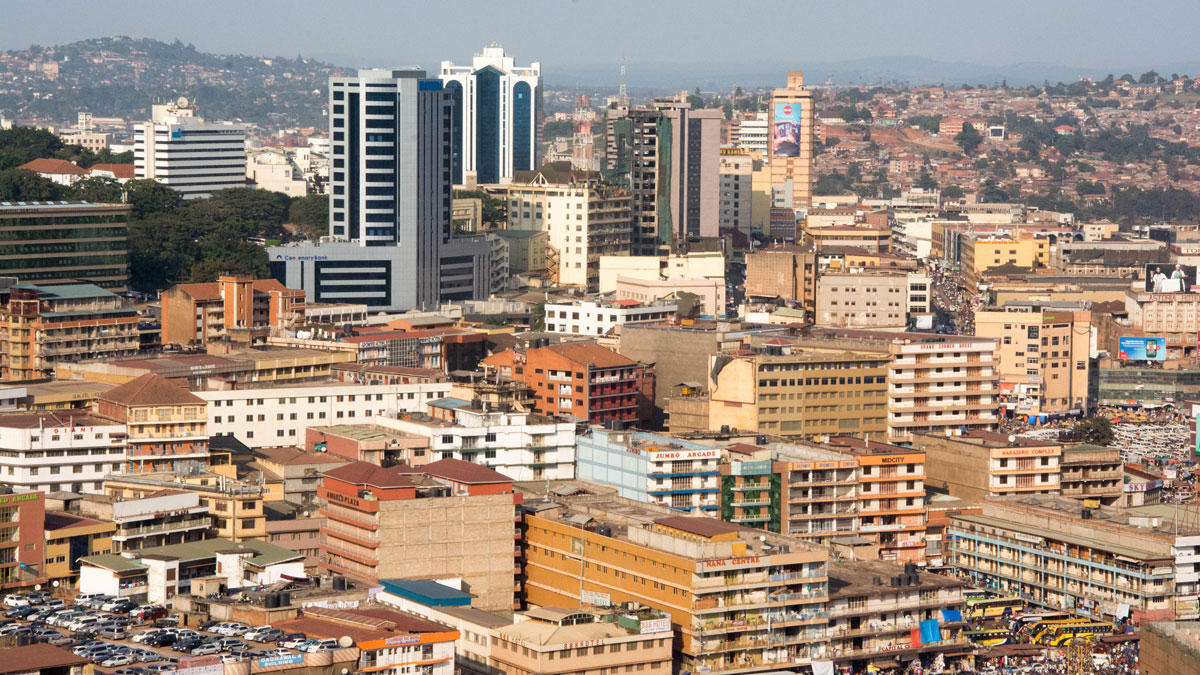
The Breath of Colonialism Continues to Taint the Air in Uganda
Potentially harmful air quality in Kampala, Uganda, follows the borders of segregated settlements from Africa’s colonial era.
Posted inNews
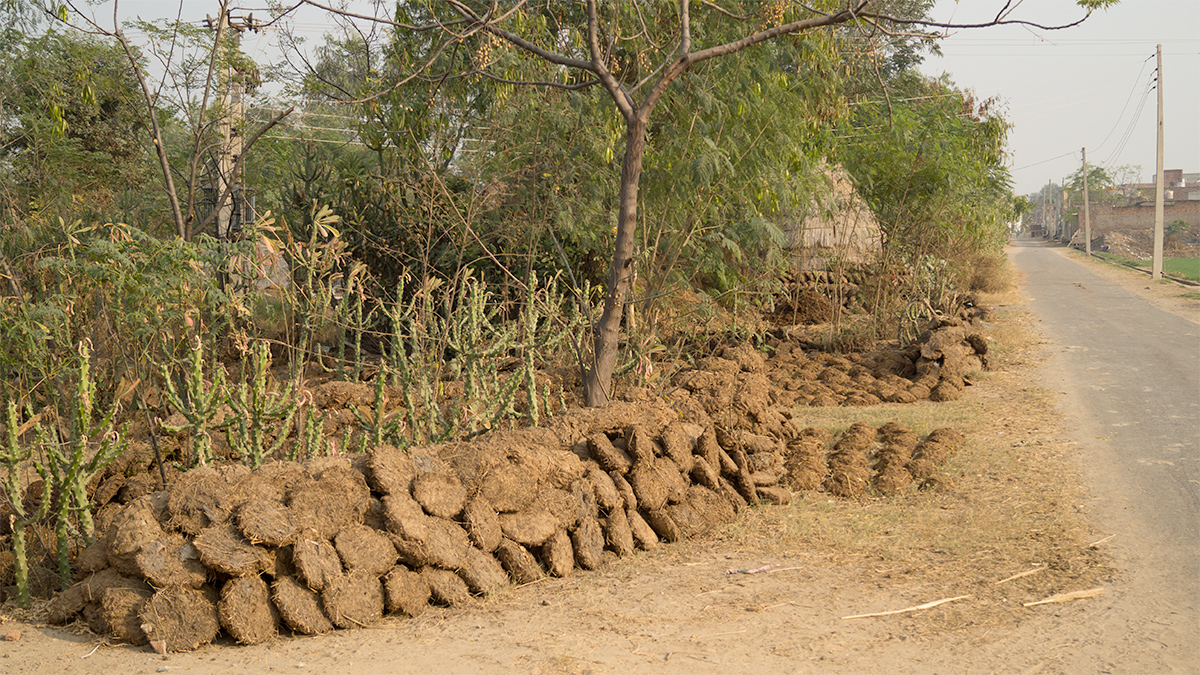
Burning Cow Dung Emits an Inordinate Amount of Air Pollution in India
Dried cow dung, a main source of household cooking fuel for many in rural India, releases more particulate matter across the country than wood and other biofuels.

Posted inNews
Geoscientists Demystify Baseball’s Magic Mud
Taking baseball’s mysterious Rubbing Mud into the lab revealed no magic ingredients—but plenty of useful natural properties from geomaterials.

Posted inFeatures
How Volcanologists Can Improve Urban Climate Resilience
City-level strategies to cope with climate change can benefit from the insights of volcano scientists, who have long customized hazard information and communications for local communities.