


The U.S. Forest Service has moved forward with a rule to withdraw protections from 45 million acres of pristine national forests.
culture & policy

Posted inResearch Spotlights
Extreme Heat May Drive Asthma Risk in Baltimore, Especially at Night
A new study paints a fuller picture of how heat affects respiratory health, especially in Baltimore’s socially vulnerable neighborhoods.
Posted inResearch Spotlights
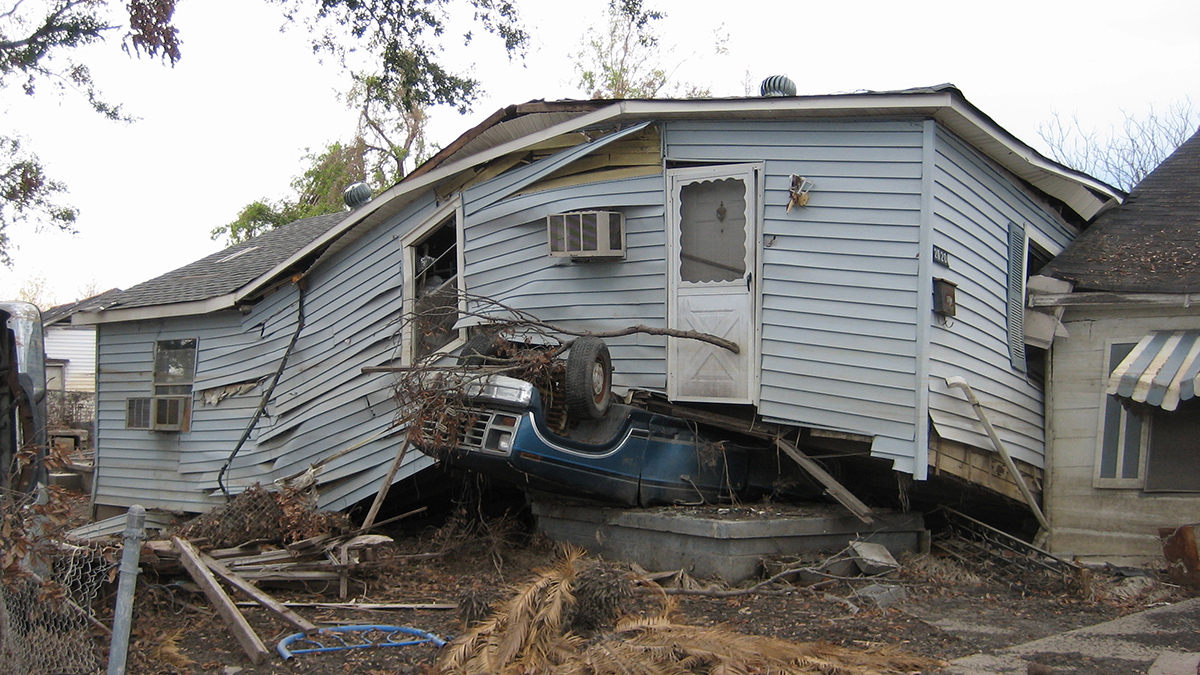
How Does Social Vulnerability Evolve After a Tropical Cyclone?
An initial rise in the social vulnerability index is followed by a decrease, but that decrease comes with a catch.
Posted inResearch & Developments
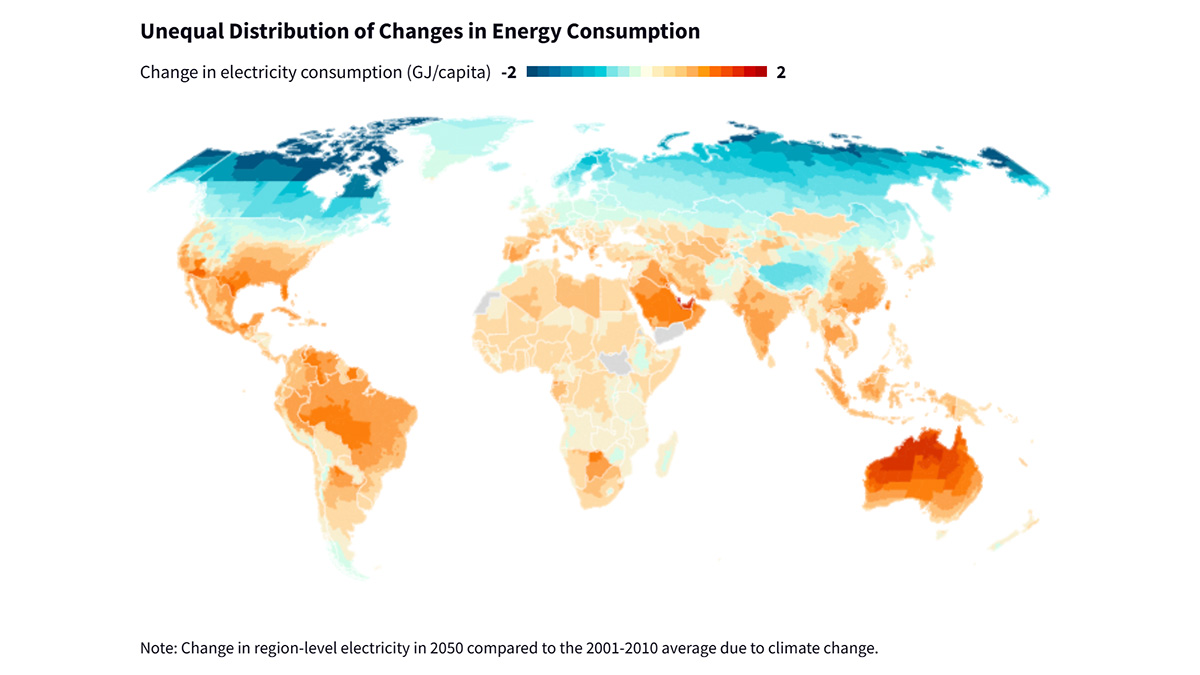
A Changing Climate Will Lead to More AC in Wealthier Countries, and More Deaths in Poor Ones, New Report Suggests

A new report finds that the regions most affected by extreme heat are also the regions least likely to have increased levels of electricity to power the air conditioning that might provide relief.
Posted inNews
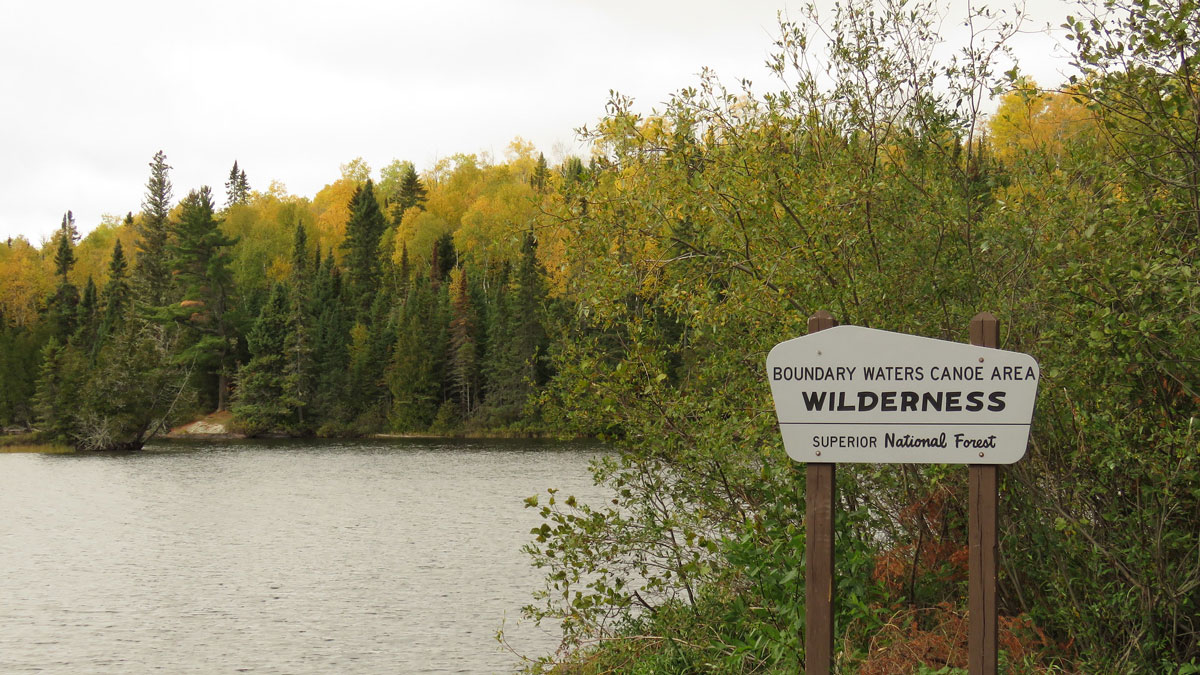
One Billion Years Ago, Northern Minnesota Nearly Split Apart. Now, Two Companies Want to Mine the Aftermath.

A continental rift created valuable mineral deposits beneath a remote wilderness beloved by recreationists.

Posted inResearch & Developments
Trump’s Science Adviser Wants to Overhaul “Increasingly Calcified” U.S. Science Enterprise While Science Funding Lags
A report released this week directs the U.S. government to spark a “new golden age” of science by ushering funds toward artificial intelligence, fostering closer relationships with private industry, and dismantling and rebuilding the federal science funding process.

Posted inEditors' Highlights
Redesigning Farmland Through Community Collaboration in California
A community-led project in California shows how collaboration can reshape farmland to improve water resources, restore native plants, and create recreational space.
Posted inEditors' Highlights
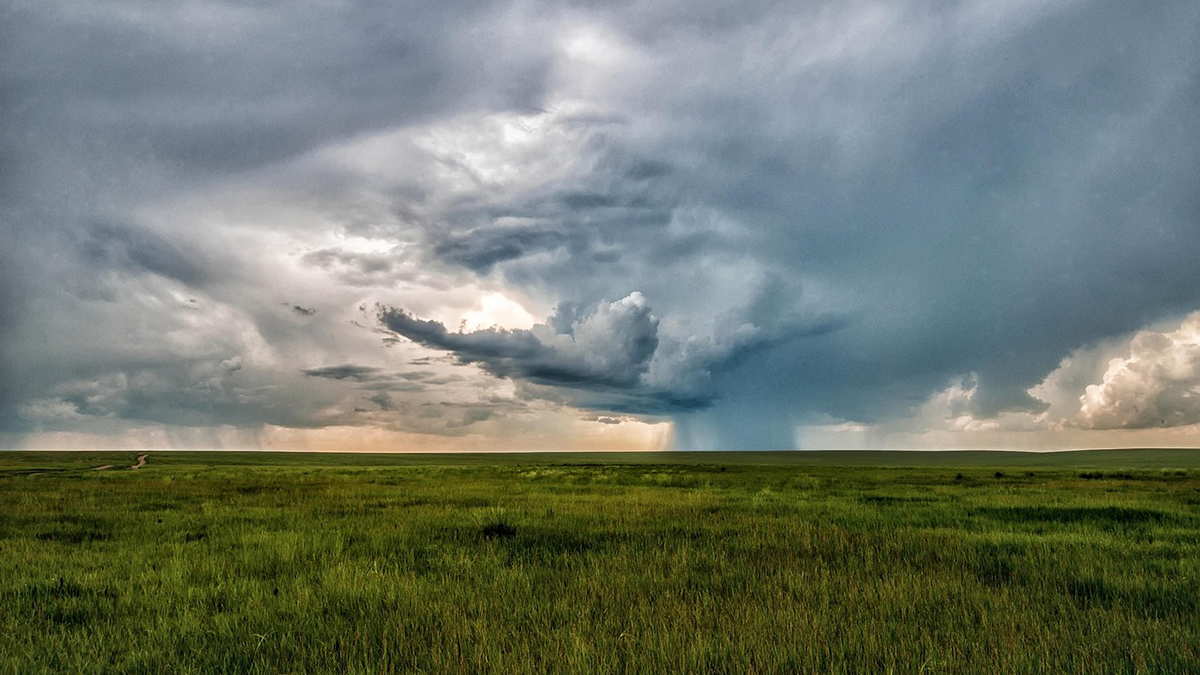
Making Weather and Climate Information Reach the Communities that Need It
Many at-risk communities remain unreached by forecasts due to barriers in language, access, and trust in information systems. A new study looks at how to overcome these.
Posted inResearch & Developments
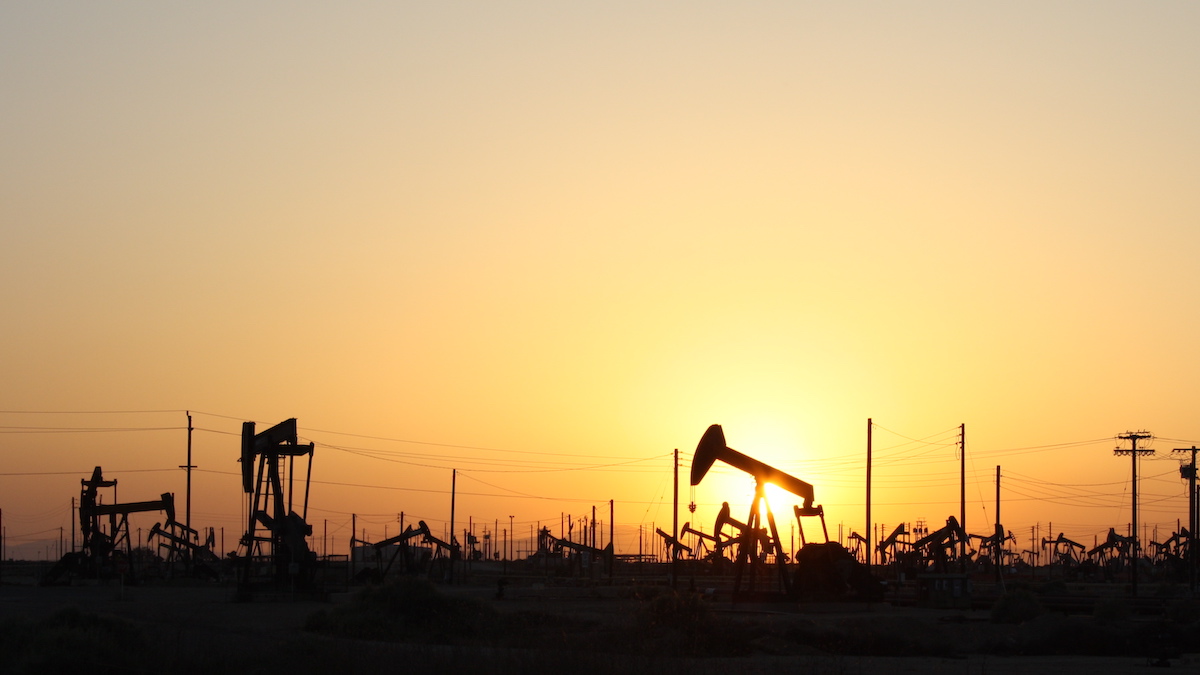
We’re Getting Better at Knowing When Climate Change Is to Blame, National Academies Report Says
Scientists have gotten much better at parsing how severe events are linked to climate change, a long-awaited report from the National Academies of Sciences, Engineering and Medicine has found.
The report was developed by 14 experts (including climatologists, meteorologists, and atmospheric scientists) and updates a 2016 report on the same subject. That report found that climate change was partly responsible for worsening heat waves, cold events, droughts, and heavy precipitation events, but that improvements to attribution science—a branch of climate science that aims to determine the extent to which individual extreme weather events are caused by climate change—were needed.
Posted inNews
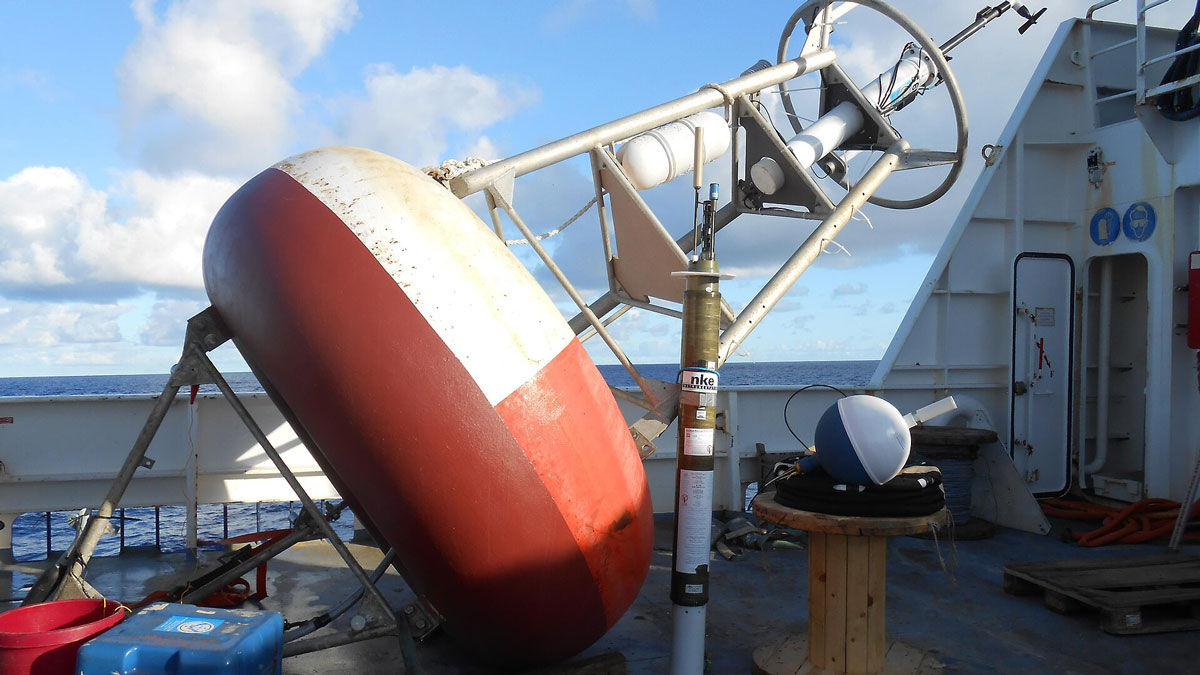
Changes in Funding Could Tank Quality of Ocean Heat Content Data
An uncertain funding landscape threatens the longevity of an ocean observation system critical to projecting tropical storms, sea level rise, and more.