
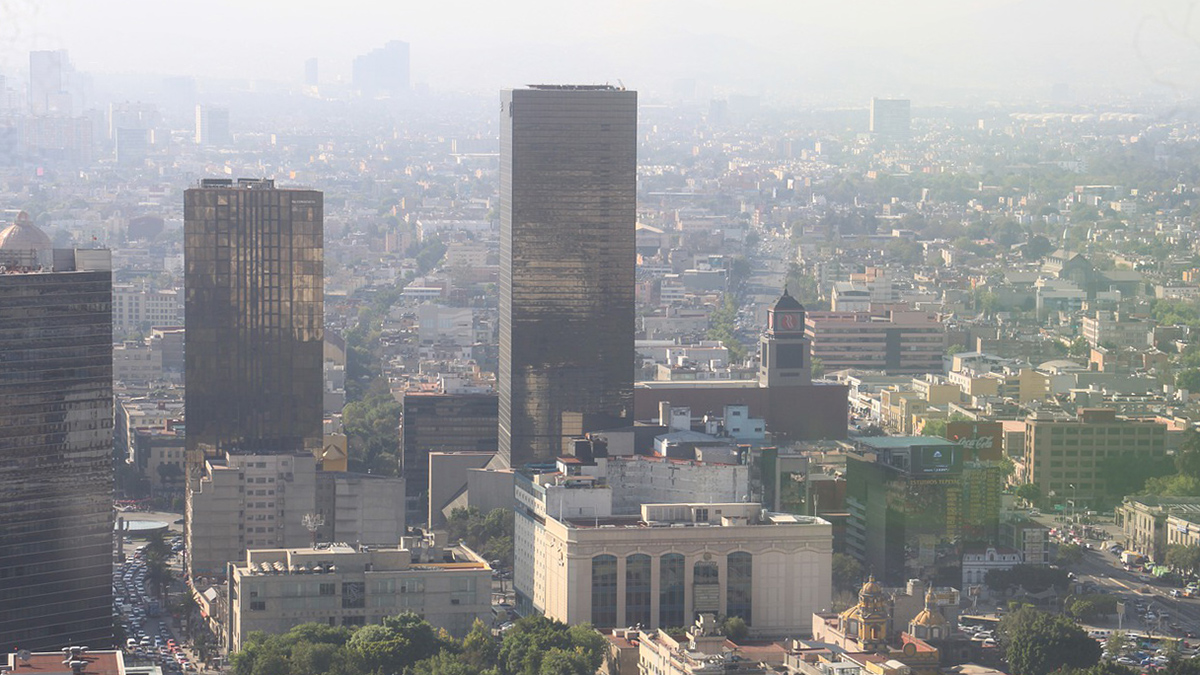
Mexico City’s air is getting cleaner, but ozone levels near the ground aren’t decreasing as fast as expected. Climate change is partly to blame.
culture & policy
Posted inResearch Spotlights
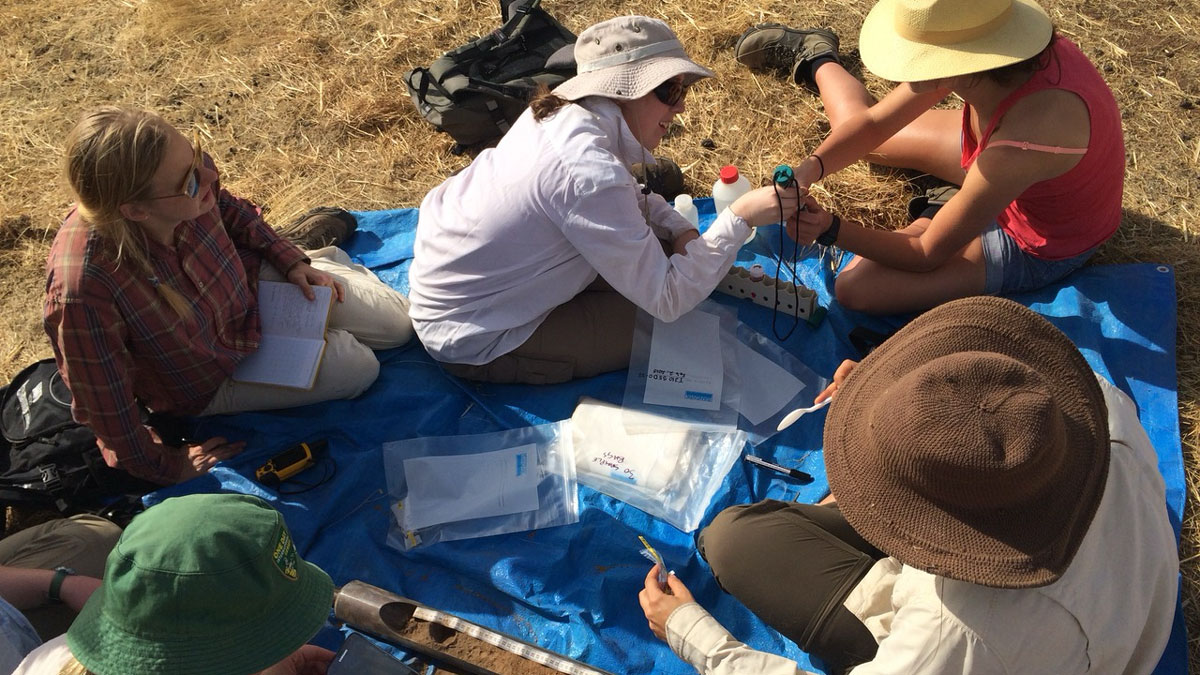
Four in Five Researchers Report Harmful Interactions During Geoscience Fieldwork. A New Survey Suggests a Path Forward.
A new survey documents the prevalence of harmful interactions that occur during fieldwork. Many instances go officially unreported.
Posted inResearch Spotlights
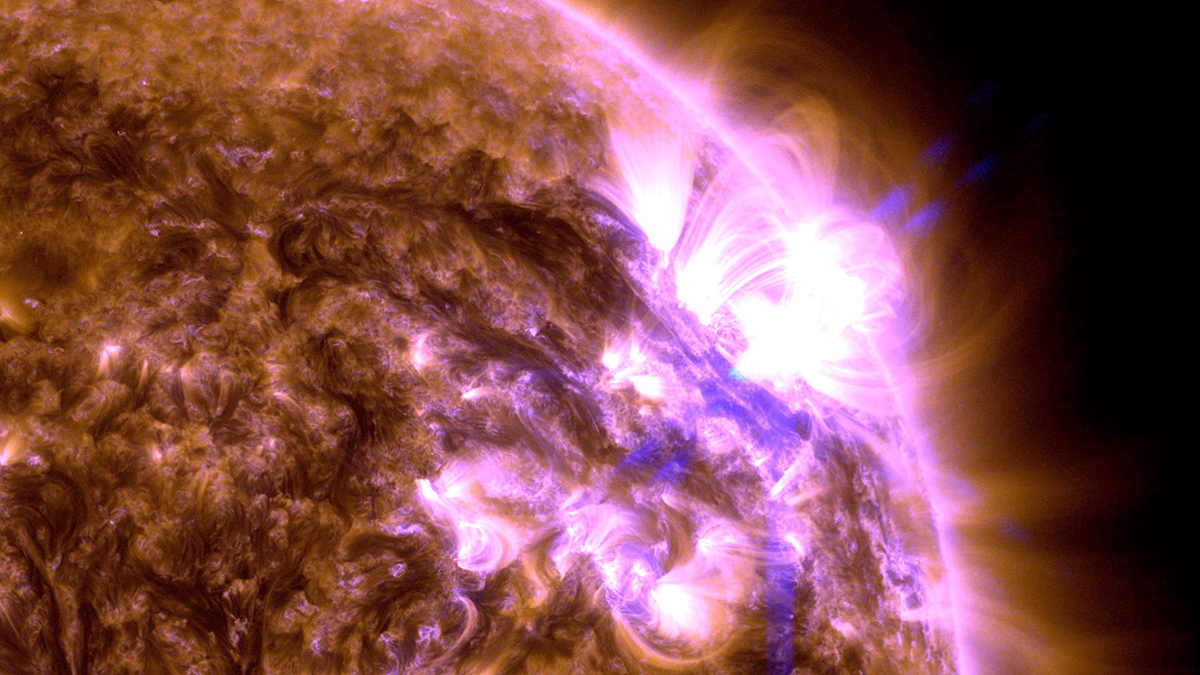
The Economic Costs of Solar Storms

Though less present in the public consciousness than hurricanes and wildfires, space weather represents a real and potentially significant threat to society.

Posted inResearch Spotlights
A High-Resolution Look at Singapore’s Water Budget

Simulations that account for nuanced interplay between hydrological and plant processes could help guide urban water management.

Posted inEditors' Vox
AGU Launches New Special Collection at the Nexus of Science and Policy
Seven AGU journals are encouraging submissions of policy-related commentaries and research articles, boosting scientists’ voices to decision-makers.
Posted inResearch Spotlights
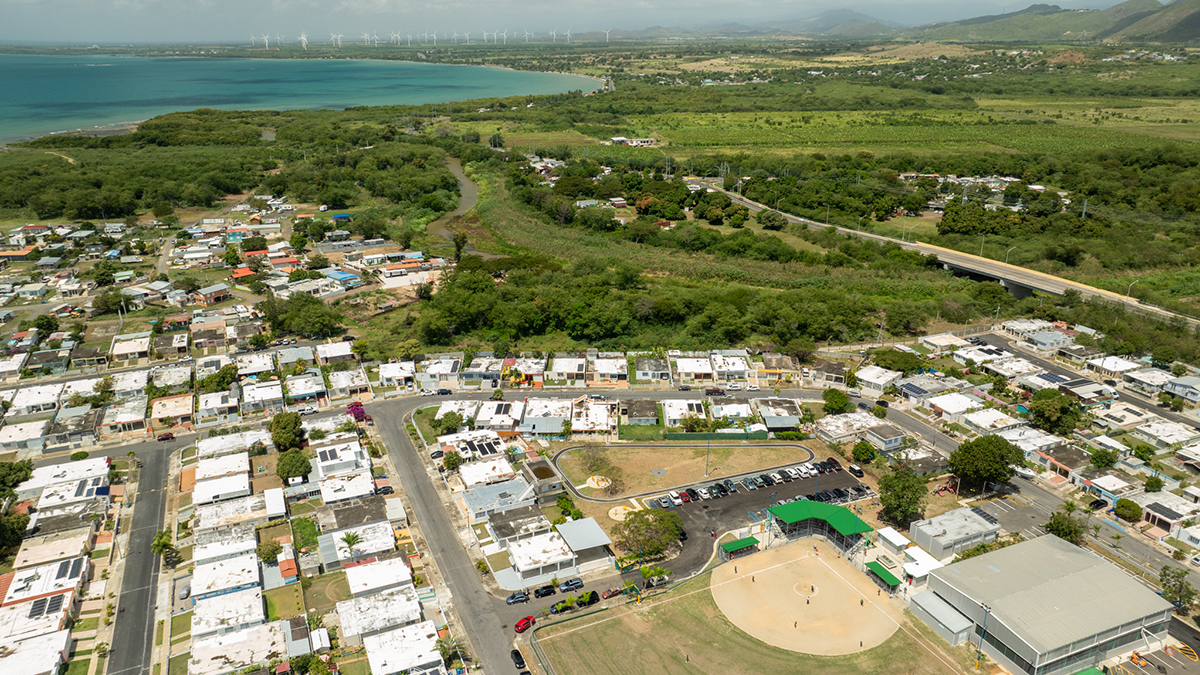
Communities Affected by Climate Change Need More Than Data
Researchers and residents in Puerto Rico collaborated on how NASA Earth Observations data can address environmental justice challenges and strengthen community resilience.
Posted inNews
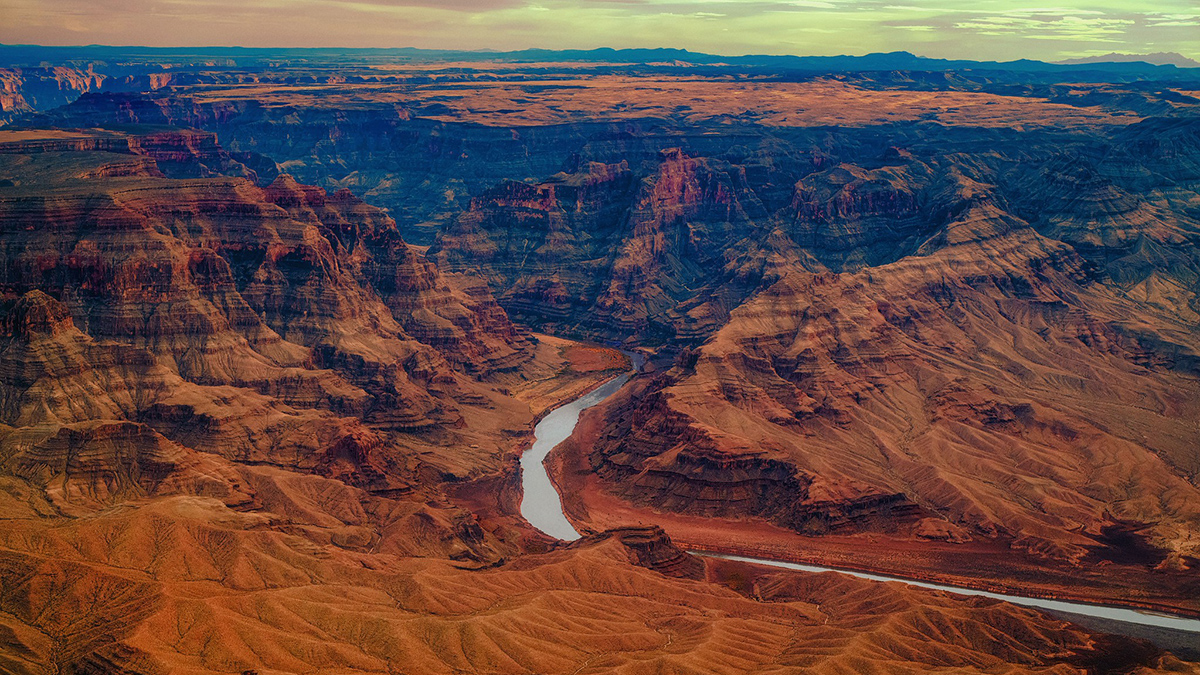
The Colorado River Basin Is Running Out of Water. Not Everyone Is Happy with the Government’s Suggested Solution.

Though overallocation is one reason the river is shrinking, reduced snowpack and increased evaporation caused by climate change are also contributing factors.

Posted inNews
Extreme Heat and Extreme Cold Drive an Increase in Fatal Overdoses

As our planet’s temperatures become more volatile, communities may see an uptick in overdose deaths.

Posted inEditors' Highlights
Measuring What Matters: Farmer-Driven Sustainability Metrics
Working with farmers produces agricultural sustainability indicators that are more comprehensive, easier to use, and better for making decisions.
Posted inResearch & Developments
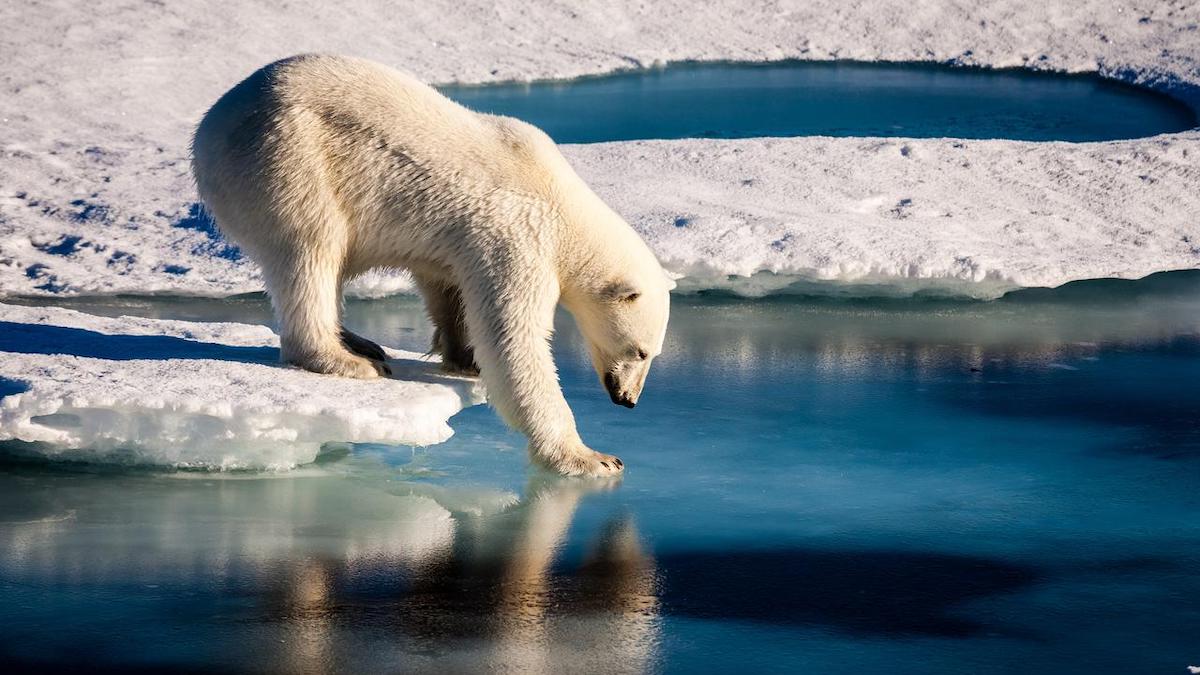
Arctic Report Card Will Move Ahead Without NOAA
The Arctic Report Card, an annual, peer-reviewed evaluation of the state of our warming Arctic, will still be published this year despite a lack of financial or logistical support from NOAA.
On 10 August, editors of the Arctic Report Card were informed that NOAA will no longer support its publication, meaning the agency will not provide the report with coordinating editors, coordinate its external peer review, or fund the report’s web presence, publicity, graphics, or summary video.