• About
  • Special Reports
  • Topics
    • Climate
    • Earth Science
    • Oceans
    • Space & Planets
    • Health & Ecosystems
    • Culture & Policy
    • Education & Careers
    • Opinions
  • Projects
    • Postcards From the Field
    • ENGAGE
    • Editors’ Highlights
    • Editors’ Vox
    • Eos en Español
    • Eos 简体中文版
    • Print Archive: 2015–2025
  • Policy Tracker
  • Blogs
    • Research & Developments
    • The Landslide Blog
  • Newsletter
  • Submit to Eos
  • AGU.org
  • Career Center
  • Join AGU
  • Give to AGU
  • About
  • Special Reports
  • Topics
    • Climate
    • Earth Science
    • Oceans
    • Space & Planets
    • Health & Ecosystems
    • Culture & Policy
    • Education & Careers
    • Opinions
  • Projects
    • Postcards From the Field
    • ENGAGE
    • Editors’ Highlights
    • Editors’ Vox
    • Eos en Español
    • Eos 简体中文版
    • Print Archive: 2015–2025
  • Policy Tracker
  • Blogs
    • Research & Developments
    • The Landslide Blog
  • Newsletter
  • Submit to Eos
Skip to content
  • AGU.org
  • Career Center
  • Join AGU
  • Give to AGU
Eos

Eos

Science News by AGU

Support Eos
Sign Up for Newsletter
  • About
  • Special Reports
  • Topics
    • Climate
    • Earth Science
    • Oceans
    • Space & Planets
    • Health & Ecosystems
    • Culture & Policy
    • Education & Careers
    • Opinions
  • Projects
    • Postcards From the Field
    • ENGAGE
    • Editors’ Highlights
    • Editors’ Vox
    • Eos en Español
    • Eos 简体中文版
    • Print Archive: 2015–2025
  • Policy Tracker
  • Blogs
    • Research & Developments
    • The Landslide Blog
  • Newsletter
  • Submit to Eos

disaster preparedness

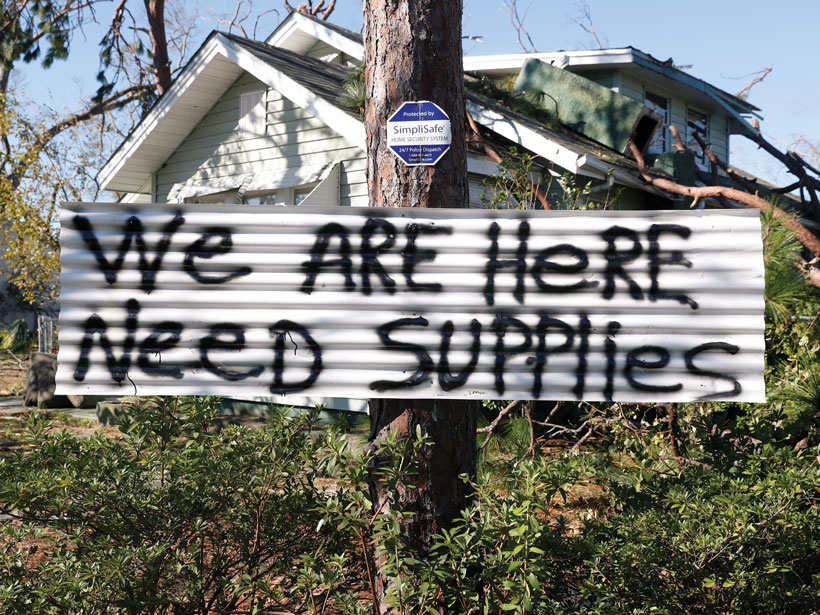
A sign hangs on a tree in front of a house damaged by Hurricane Michael in Panama City, Fla., in 2018.
Posted inFeatures

Natural Hazards Have Unnatural Impacts—What More Can Science Do?

Korena Di Roma Howley, Science Writer by Korena Di Roma Howley 23 February 20217 January 2022

As disadvantaged communities suffer disproportionately from natural hazards, scientists, policymakers, and emergency managers explore why policies are failing—and what can be done about it.

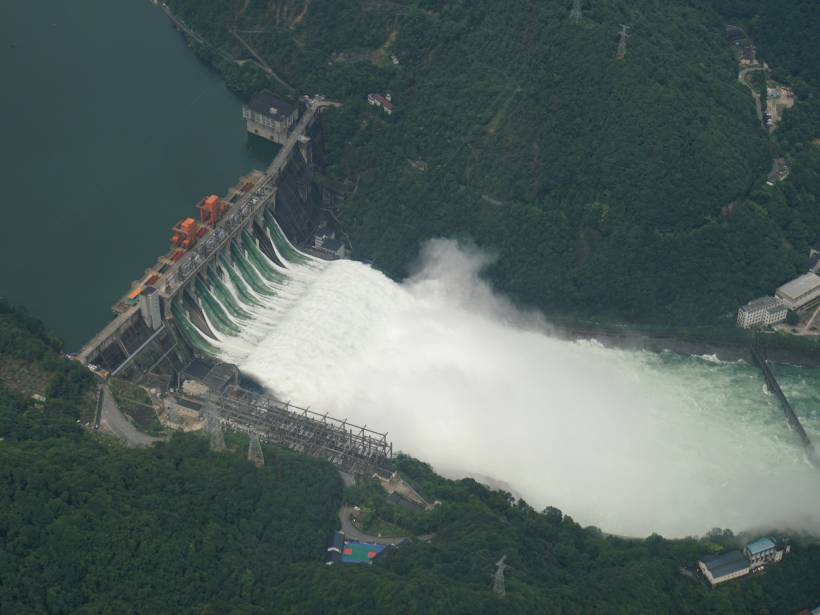
Aerial photograph of the Xin’an River Hydropower Station showing the dam that forms Qiandao Lake releasing flood waters into the river below.
Posted inNews

Finding “Glocal” Solutions to Flooding Problems

by Alka Tripathy-Lang 3 February 202120 May 2022

Scientists call for joint efforts to combine real-time global rainfall data with high-resolution local hydrology to better forecast floods.

Plot showing the distribution of the maximum wind speed attained by post-tropical cyclones and midlatitude cyclones in North Europe in the period June to November for the years 1979 to 2017
Posted inEditors' Highlights

Post-Tropical Cyclones Influence on European Windstorm Risk

by Suzana Camargo 28 October 20208 March 2022

Comparing the importance of midlatitude cyclones and post-tropical cyclones on European windstorms during the Atlantic hurricane season using ERA-5 reanalysis.

Aerial photo showing the extent of the Oso landslide
Posted inResearch Spotlights

Simple Actions Can Help People Survive Landslides

by Jack Lee 27 October 202020 May 2022

New research provides practical advice to minimize landslide risk for individuals before, during, and after an event.

Image of the urban center of Majuro in the Marshall Islands.
Posted inResearch Spotlights

To Save Low-Lying Atolls, Adaptive Measures Need to Start Now

Rachel Fritts, Science Writer by Rachel Fritts 22 October 20206 March 2023

New research uses 5,000 years of geological data to understand how and when sea level rise will affect the livability of low-lying reef islands.
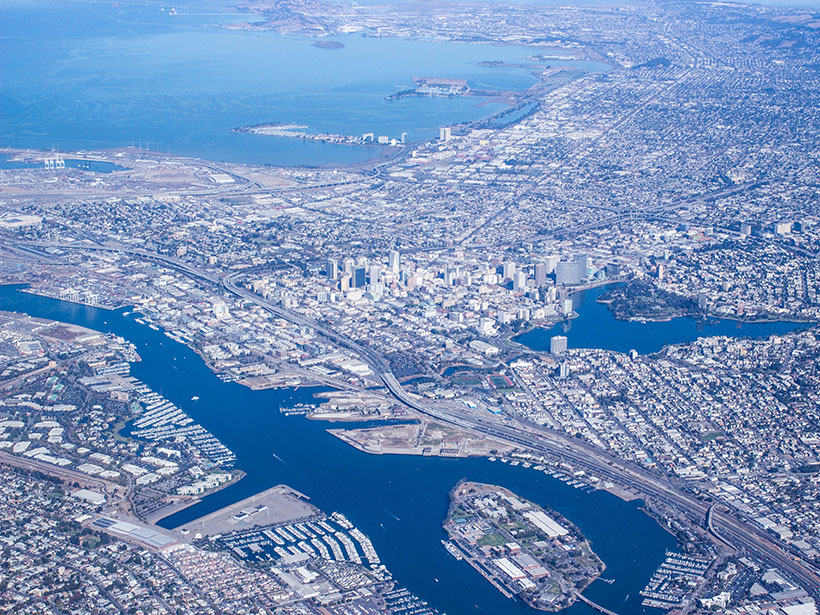
Aerial view of Oakland, Calif.
Posted inResearch Spotlights

Modeling the Cascading Infrastructure Impacts of Climate Change

Kate Wheeling, freelance science writer by Kate Wheeling 19 October 20201 March 2023

New research highlights how interdependences among infrastructure systems like roads can complicate climate adaptation.
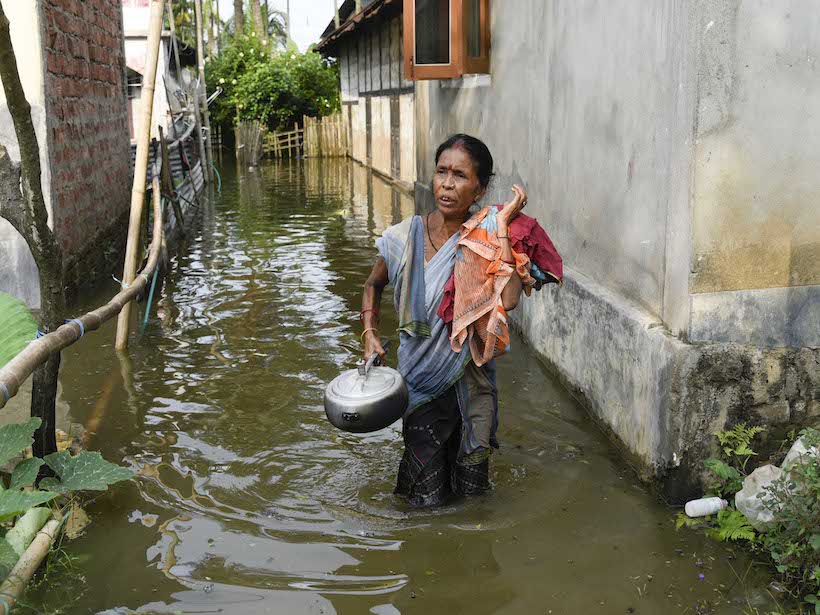
A woman walks through knee-high floodwaters in a narrow street in Assam, India.
Posted inNews

New Recommendations for a Proactive Flood Policy in India

by T. V. Padma 17 September 202026 October 2022

As India grapples with devastating monsoon floods, a new review supports greater investment in nonstructural solutions.
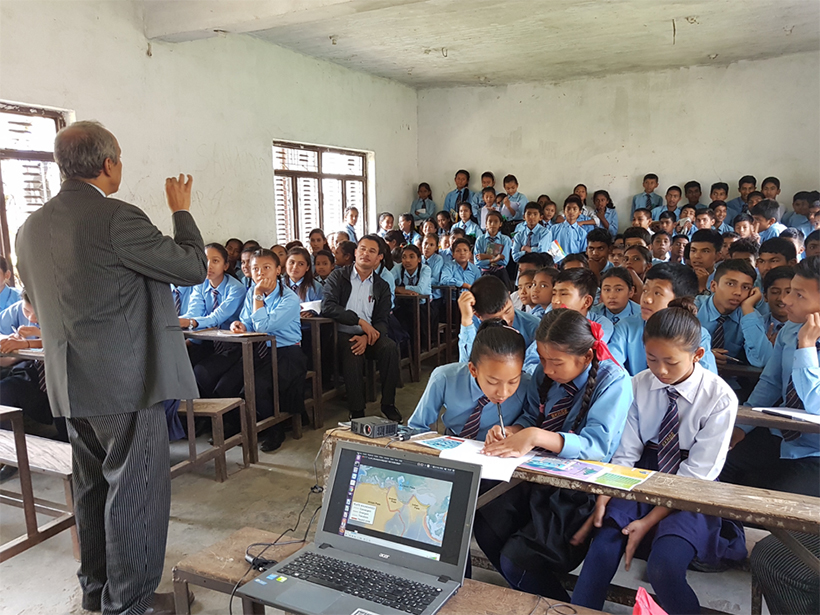
A man lectures to a room of attentive blue-shirted students in Nepal
Posted inNews

Trayendo la Educación Sobre Terremotos a las Escuelas de Nepal

Rachel Fritts, Science Writer by Rachel Fritts 14 September 20205 April 2023

El programa de Sismología en la Escuela en Nepal, tiene como objetivo preparar a las comunidades rurales para el próximo gran terremoto.
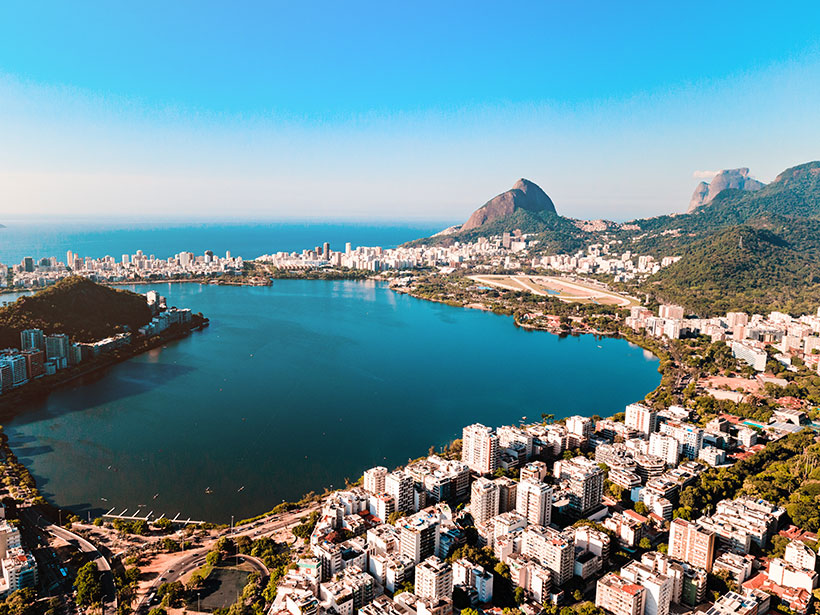
Rodrigo de Freitas Lagoon
Posted inScience Updates

Earth Observations Inform Cities’ Operations and Planning

by M. M. Hurwitz, C. Braneon, D. B. Kirschbaum, F. Mandarino and R. Mansour 16 July 202031 March 2023

Rio de Janeiro, Brazil, and Chicago, Ill., are using NASA Earth observations to map, monitor, and forecast water and air quality, urban heat island effects, landslide risks, and more.

A flooded home in Braithwaite, La., after Hurricane Isaac in 2012
Posted inOpinions

Do You Know Your Home’s Flood Risk?

by E. J. Kearns, M. Amodeo and J. Porter 29 June 20209 March 2023

Search for your address in this new database and get an easy to understand indicator of the potential for flooding now and over the next several decades as climate change alters our environment.

Posts pagination

Newer posts 1 … 10 11 12 13 14 … 20 Older posts
Over a dark blue-green square appear the words Special Report: The State of the Science 1 Year On.

Features from AGU Publications

Research Spotlights

InSight into Seismology on the Red Planet

21 October 202621 October 2026
Editors' Highlights

The Geomagnetic Polarity Time Scale Revisited Once Again

22 October 202622 October 2026
Editors' Vox

Opening Access to Earth Observation Data for Disaster Mitigation

21 October 202620 October 2026
Eos logo at left; AGU logo at right

About Eos
ENGAGE
Awards
Contact

Advertise
Submit
Career Center
Sitemap

© 2026 American Geophysical Union. All rights reserved Powered by Newspack