


By including imprecise historical written records in their calculations, researchers were able to decrease uncertainty in estimations of future flood frequency.
floods
Posted inNews
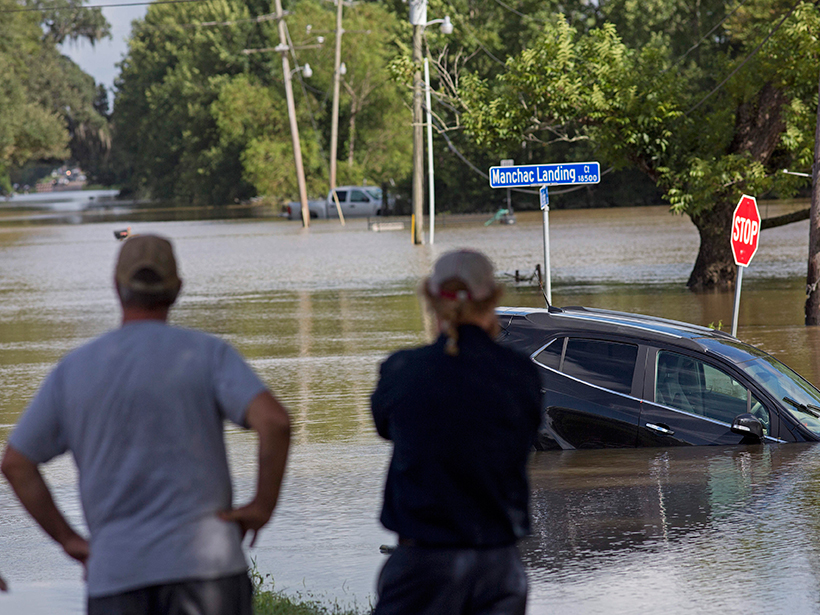
New Flood Model Offers National Streamflow Coverage

The model, released by the National Weather Service, will provide neighborhood-level flood forecasting.
Posted inNews
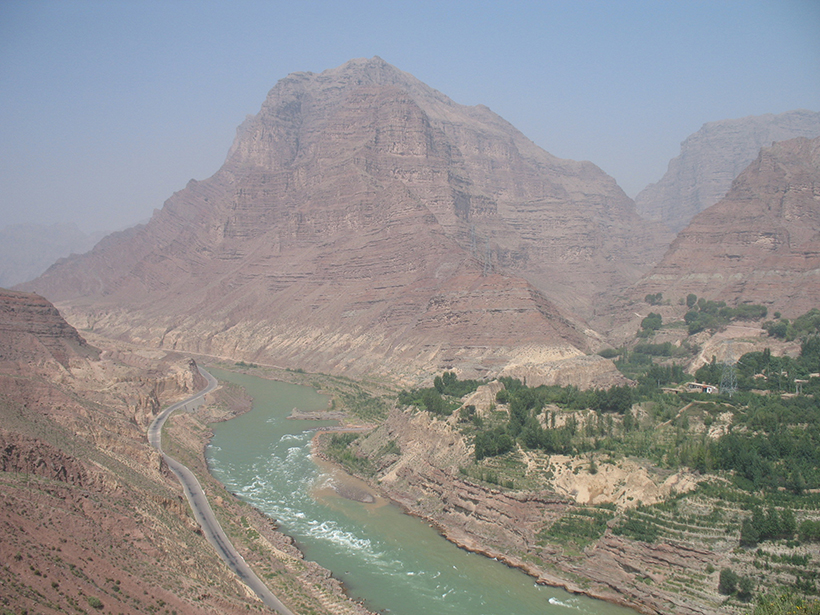
Evidence Found for China's Ancient Origin Story
New geological findings suggest that an ancient flood in a popular legend about the birth of China's civilization might have actually occurred, but some 150 years later than historians thought.
Posted inResearch Spotlights
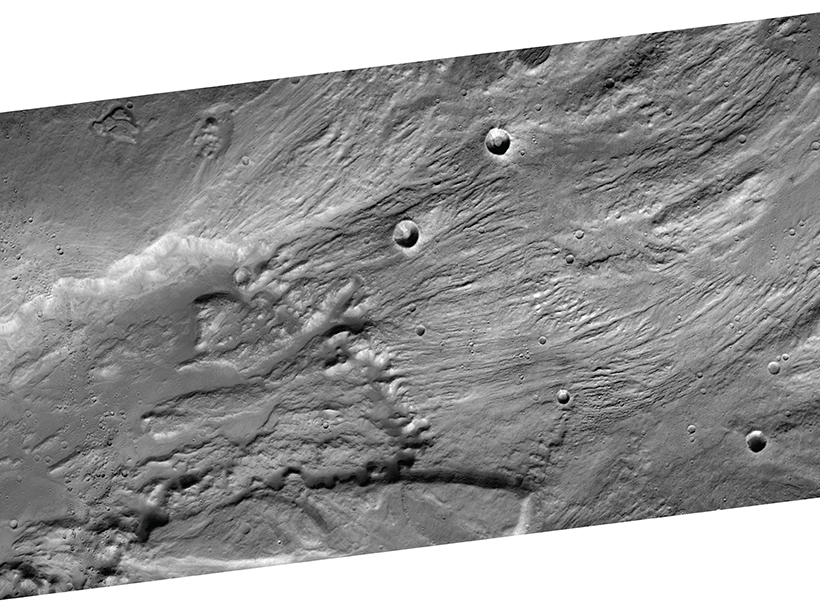
Reconstructing Catastrophic Floods on Earth and Mars

A new theoretical model suggests that ancient floods that carved canyons on Earth and Mars may have been much smaller but lasted longer than previously thought.

Posted inNews
Focusing the Human Lens on Glacial Outburst Floods
To better prepare mountain communities for possible floods, experts say that it is important to understand the communities themselves.

Posted inResearch Spotlights
Reimagining a Fatal Flood

Researchers use high-resolution simulations to reexamine the rainfall events that led to one of the most destructive floods in U.S. history.

Posted inResearch Spotlights
Predicting Changing Human Preferences in Water Basin Management

A model of human-water interactions in Florida's Kissimmee River Basin demonstrates the potential for sociohydrologic models to assist with strategic water management decisions.

Posted inResearch Spotlights
Satellites Reveal a Temporary Carbon Sink over Australia
Satellite measurements of atmospheric carbon dioxide provide insights into how droughts and floods influence the carbon cycle on the semiarid continent of Australia.
Posted inAGU News
Günter Blöschl Receives 2015 Robert E. Horton Medal
Günter Blöschl was awarded the 2015 Robert E. Horton Medal at the American Geophysical Union Fall Meeting Honors Ceremony, held on 16 December 2015 in San Francisco, Calif. The medal is for "outstanding contributions to hydrology."
Posted inResearch Spotlights
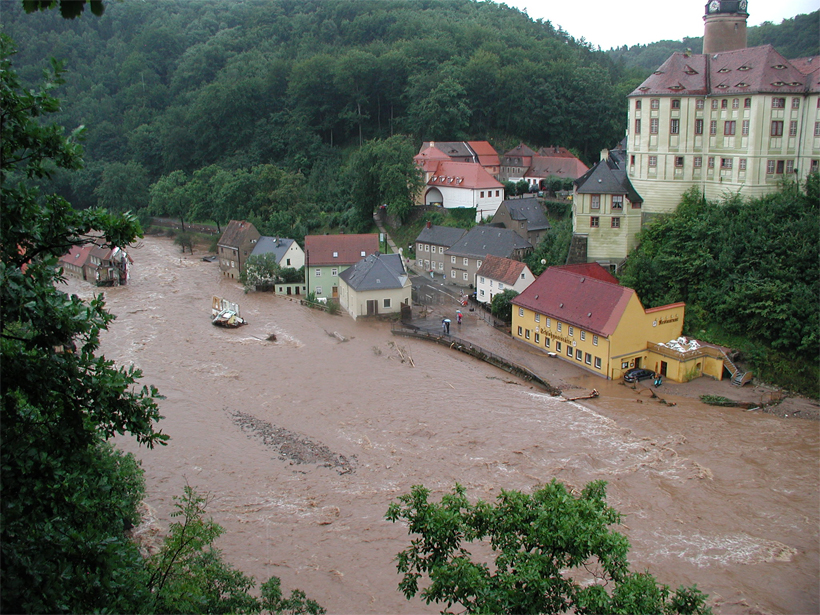
The Element of Surprise in Managing Flood Risk

A social science perspective on unpredictable flood risk systems may help us expect the unexpected and mitigate flood damage.