
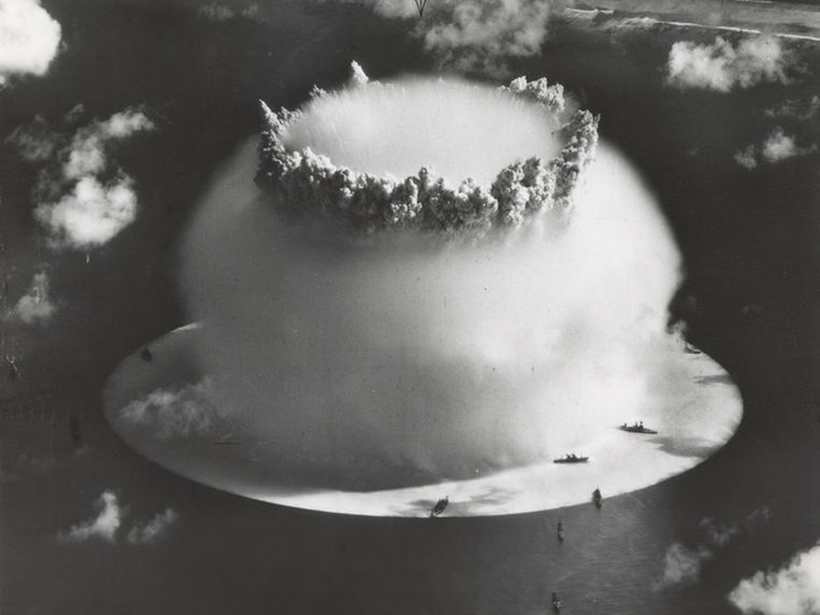

Nuclear bomb tests conducted during the Cold War turned an idyllic tropical isle into a radioactive ship graveyard.
Hazards & Disasters
Posted inEditors' Highlights
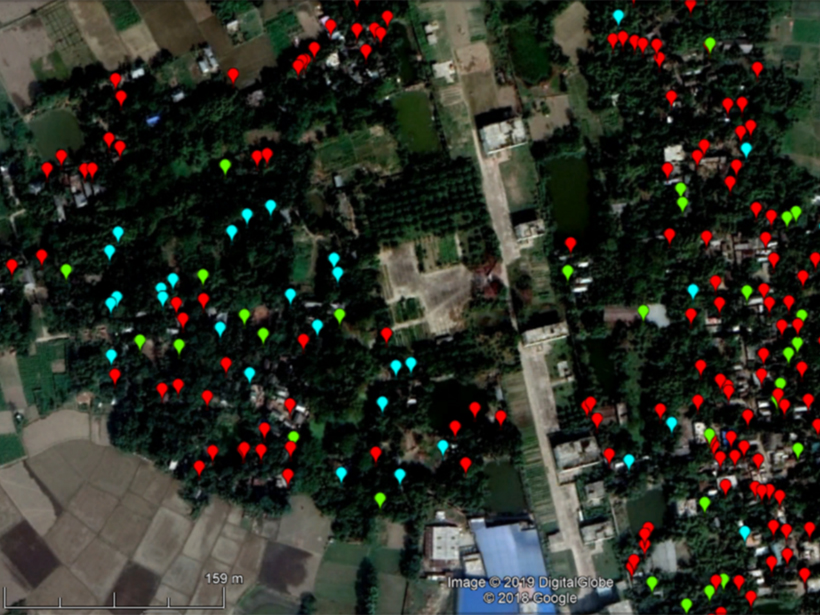
Fresh Approaches to Protecting Human Health from Pollution
New low-cost monitoring and mapping techniques can identify multiple pollution sources and reduce related human disease and death.
Posted inNews
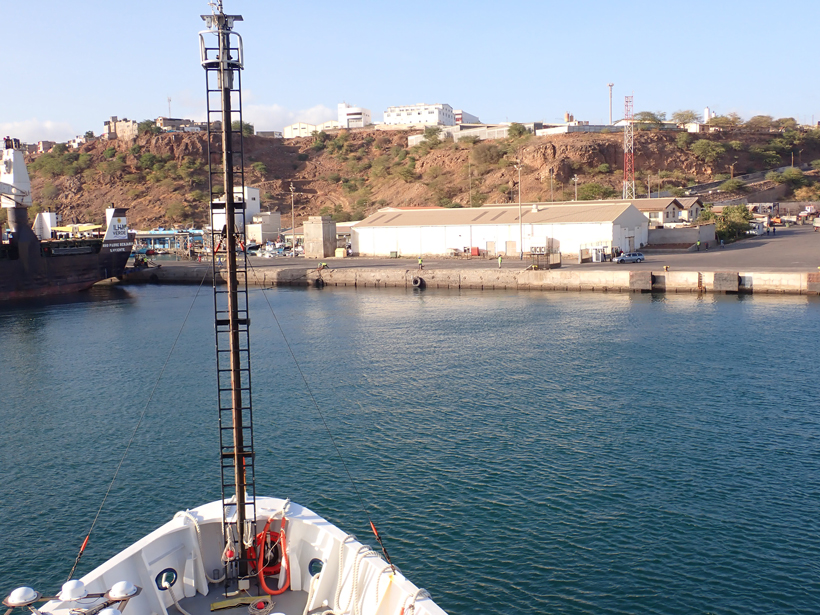
During a Pandemic, Is Oceangoing Research Safe?

With research cruises postponed, scientists are trying to get home safe, and others worry about the fate of their instruments left at sea.
Posted inScience Updates
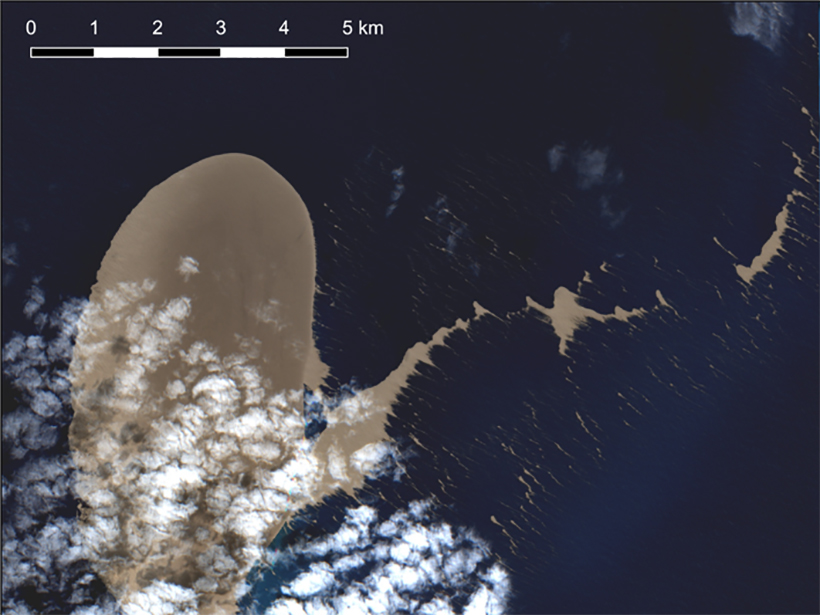
Satellite Sleuthing Detects Underwater Eruptions
Satellite data helped scientists locate the volcanic source of a pumice raft floating in the South Pacific Ocean, illustrating their promise in locating and monitoring undersea eruptions.
Posted inNews
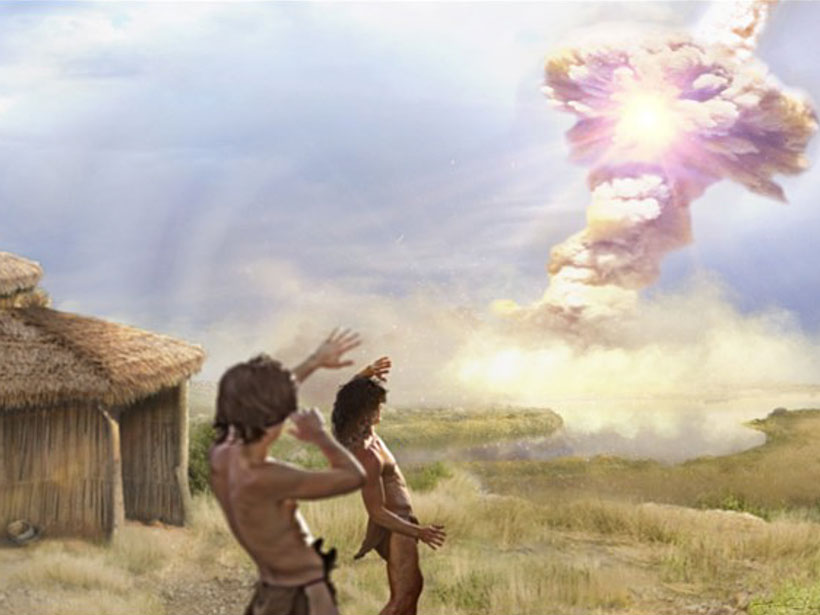
Armageddon at 10,000 BCE

Fragments of a comet likely hit Earth 12,800 years ago, and a little Paleolithic village in Syria might have suffered the impact.
Posted inOpinions
Thirty Years, $500 Million, and a Scientific Mission in the Gulf
Gulf Research Program executive director Lauren Alexander Augustine discusses the impact science can have on communities when given money and time.

Posted inFeatures
Lost in the Everglades

Living in Geologic Time: An unintentional adventure in the River of Grass shows how Florida has changed dramatically over 15,000 years of human habitation.

Posted inNews
Leveraging Satellite Sensors for Oil Spill Detection

By using multiple remote sensors, scientists can quickly estimate the nature and thickness of oil spills—important factors for containment efforts.

Posted inAGU News
Deepwater Horizon’s Legacy of Science

The biggest oil spill in history resulted in billions of dollars in settlements—and a massive scientific movement.

Posted inFeatures
Deepwater Horizon and the Rise of the Omics
Microbial genomics techniques came of age following the Deepwater Horizon spill, offering researchers unparalleled insights into how ecosystems respond to such environmental disasters.