


A novel approach to storm simulations could help prepare for increasingly heavy precipitation events.
Modeling
Posted inNews
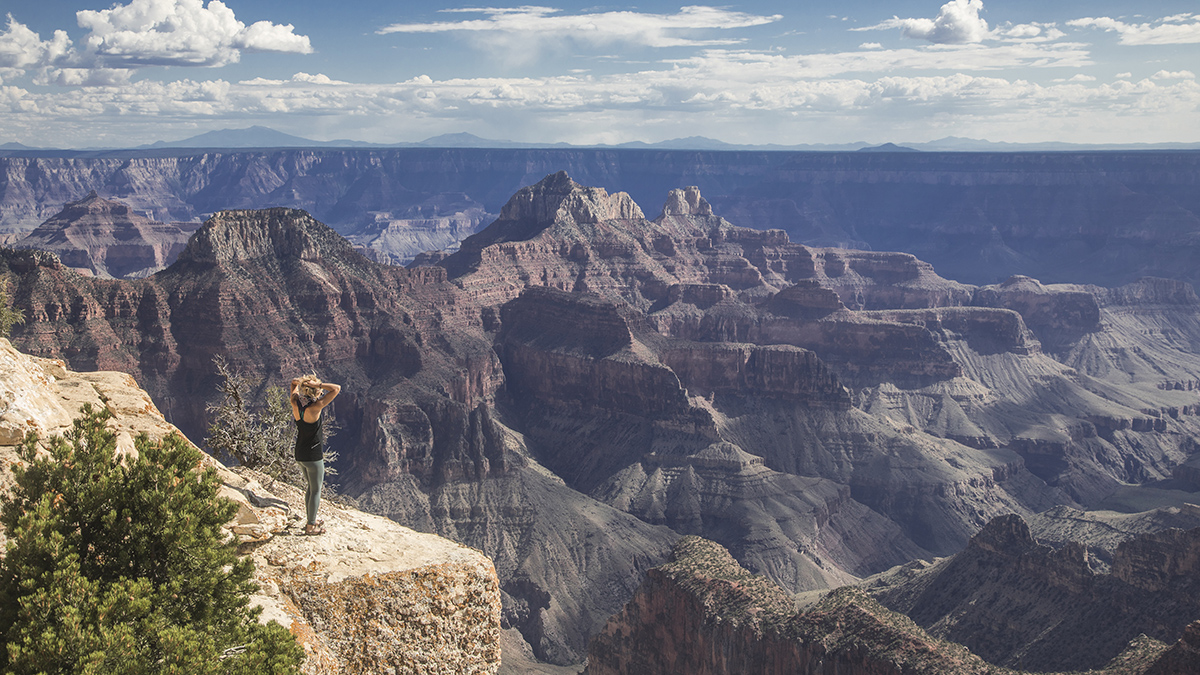
Grand Canyon Heat May Become More Dangerous
Climate change may double the risk of heat-related illness at Grand Canyon National Park by the end of the century.

Posted inResearch Spotlights
Better Bottom-Up Estimates of Wetland Methane Emissions
Limited monitoring of methane emissions from tropical wetlands could be obscuring these environments’ role in climate change.

Posted inENGAGE, News
Underground Heat Could Be a Problem, or a Perk, for Chicago Buildings

Heat released by old and inefficient Chicago buildings could, if harnessed, be an energy solution.

Posted inEditors' Highlights
Barnacles Help Reconstruct Drift Path of Malaysia Airlines Flight MH370
Careful calibration of isotopes in a barnacle shell growing on ocean debris – in this case an airplane part – informs a new forensic method to identify its most probable drift path.
Posted inResearch Spotlights
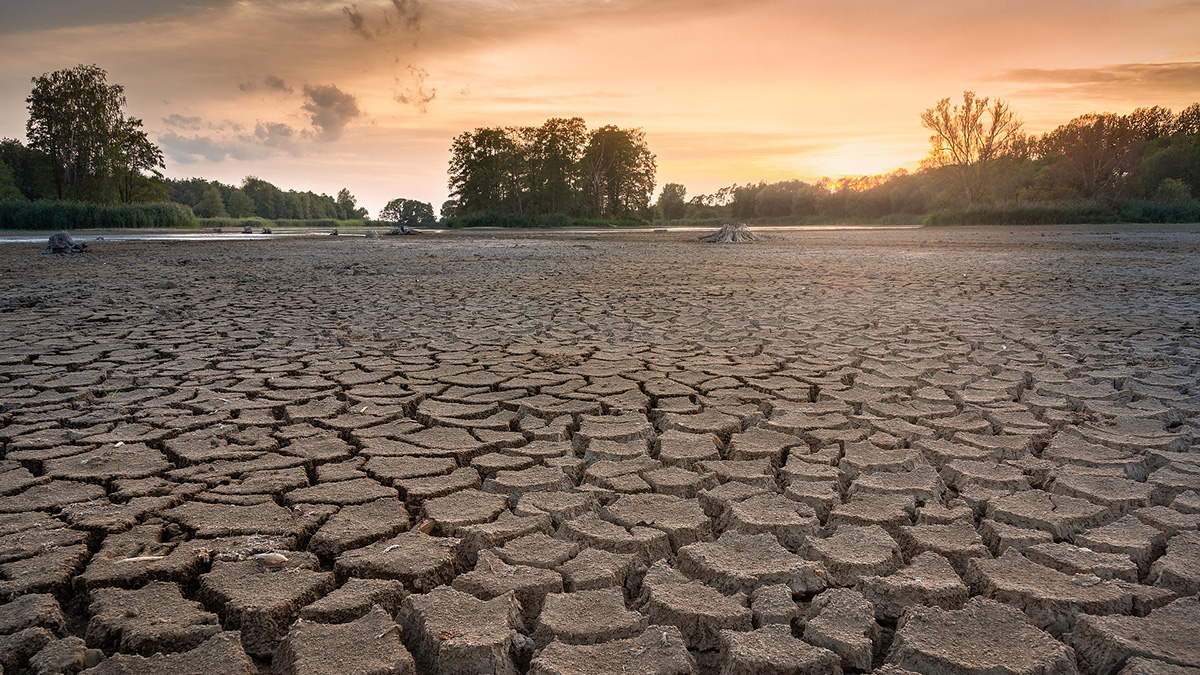
El cambio climático está secando a los suelos

Los suelos terrestres se están secando a medida que el planeta se calienta, pero aún no está claro que tan seco es muy seco.
Posted inEditors' Vox
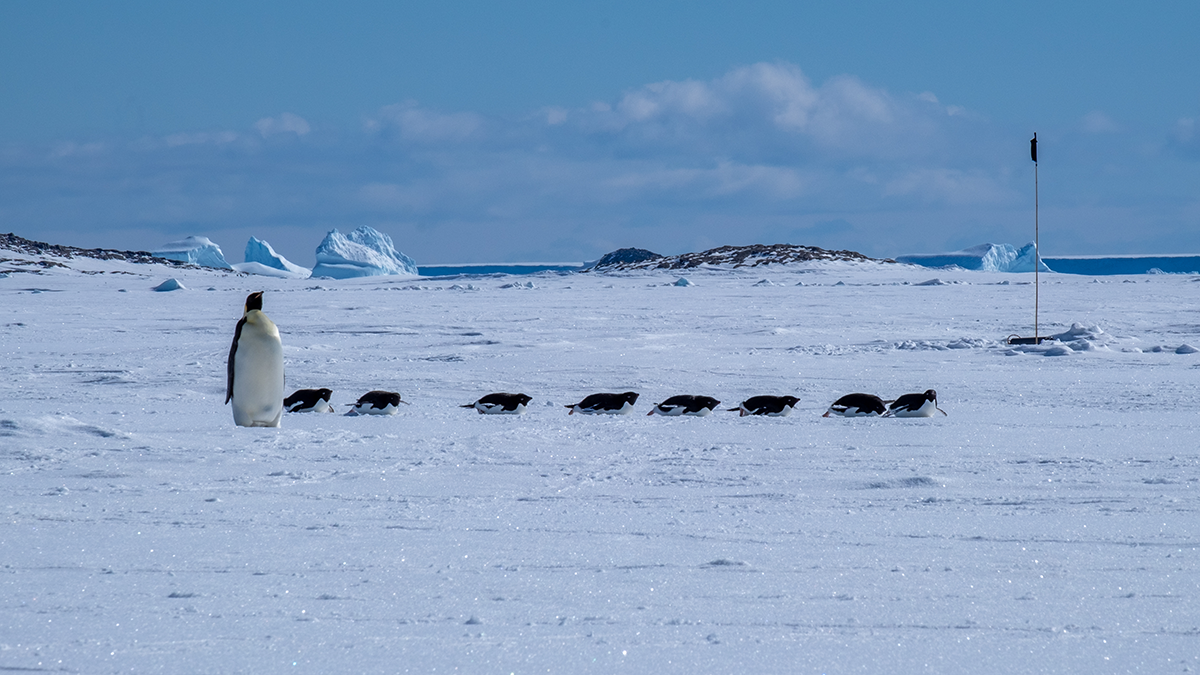
Landfast Sea Ice: The Most Important Ice You’ve Never Heard Of
Landfast sea ice, sea ice that is held stationary against the Antarctic continent, links firmly with many key climate processes, but its importance is only being fully realized as its extent dwindles.

Posted inEditors' Highlights
Frozen Riverbanks May Erode Faster in a Warming Arctic
Frozen flume experiments reveal the sensitivity of permafrost riverbank erosion to water temperature, bank roughness, and pore-ice content.

Posted inNews
Rare Granite Body Discovered on Moon’s Farside
The granite couldn’t have formed the same way that it does on Earth—with liquid water and plate tectonics. So how did it get there?

Posted inEditors' Highlights
Modeling the Outer Winds of Tropical Cyclones
A new analytical solution for Emanuel’s theory on how the winds vary with the distance from the hurricane center outside of the core of the storm.