
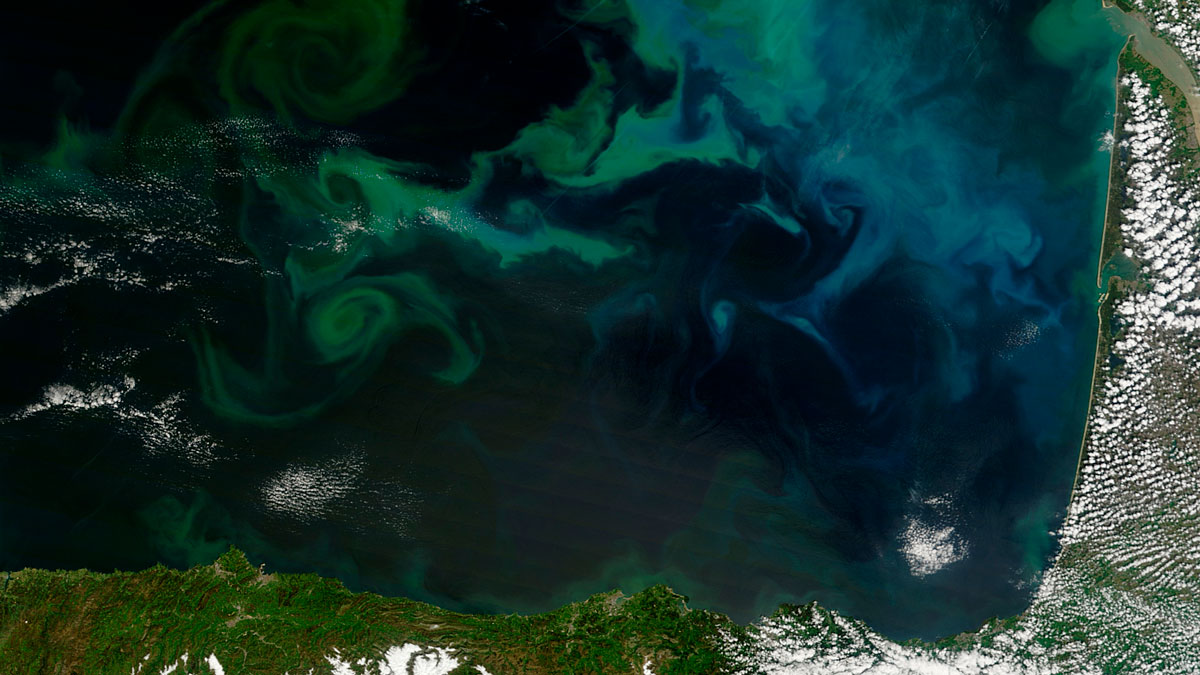

Data reveal that changes in nutrient levels vary depending on depth and distance from shore—and that these changes are happening more quickly than scientists realized.
Oceans
Posted inNews
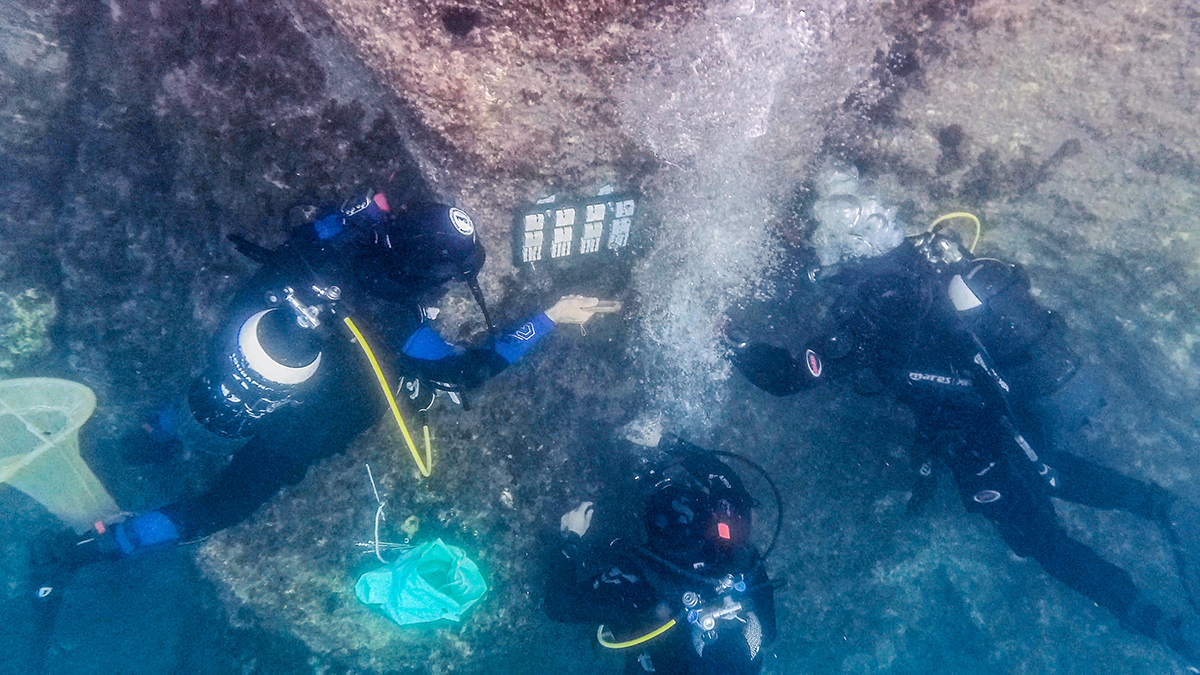
Acidifying Seas Are Wearing Away at Underwater Archaeology
Marble, limestone, and other carbonate rocks used throughout antiquity could start dissolving as oceans soak up more carbon dioxide.
Posted inResearch Spotlights
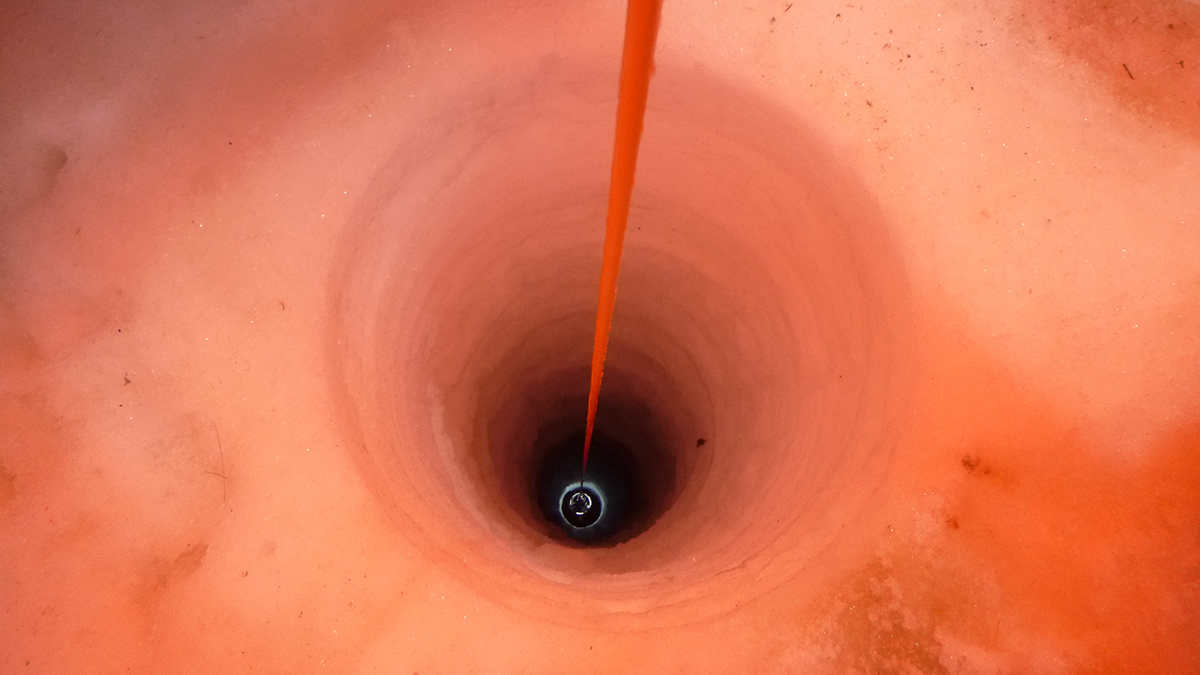
A Long-Term Look Beneath an Antarctic Ice Shelf
More than 4 years of data from a borehole in the Ross Ice Shelf reveal supercooled water and more.
Posted inResearch Spotlights
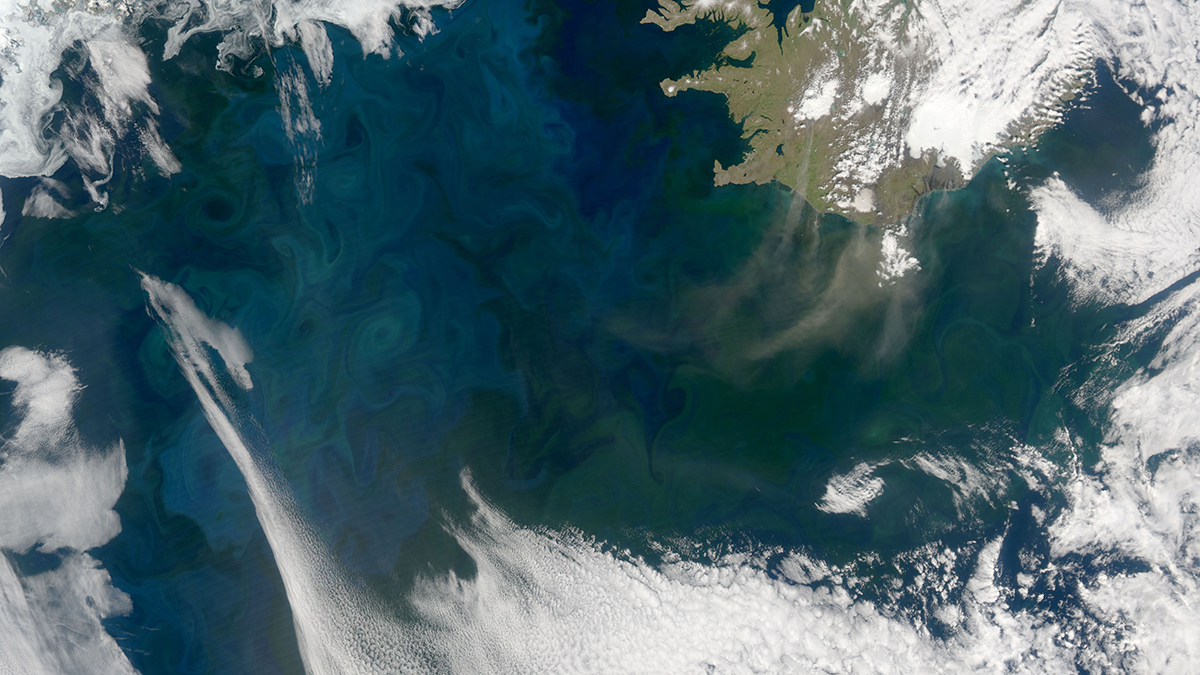
Bacteria Decide the Ocean’s Dissolved Organic Carbon Abundance
Dissolved organic carbon prevalence follows from how many bacteria are around to eat it, modeling suggests.

Posted inNews
Marine Heat Waves Can Increase Coastal Rainfall

Unusually warm ocean waters can amplify extreme rainfall in downwind areas, leaving coastal communities—especially those in developing countries—at risk.
Posted inNews
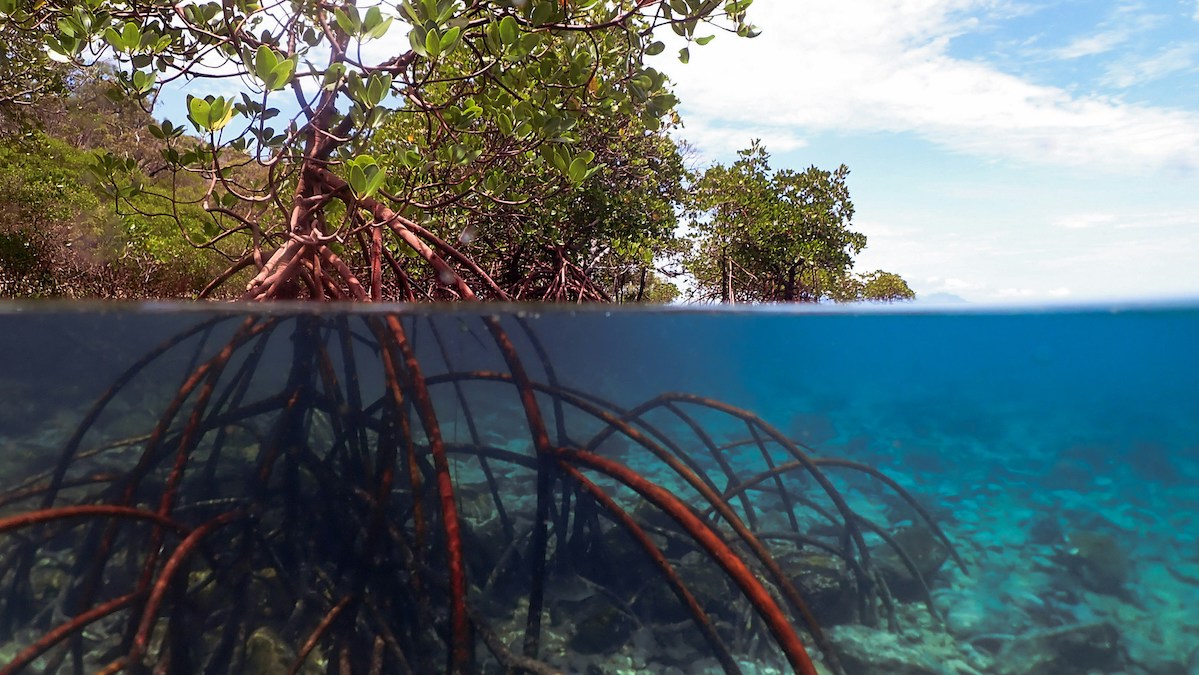
With the Ocean Included, the Social Cost of Carbon Doubles

A new calculation includes ocean ecosystems when assessing the monetary impact of climate change.
Posted inNews
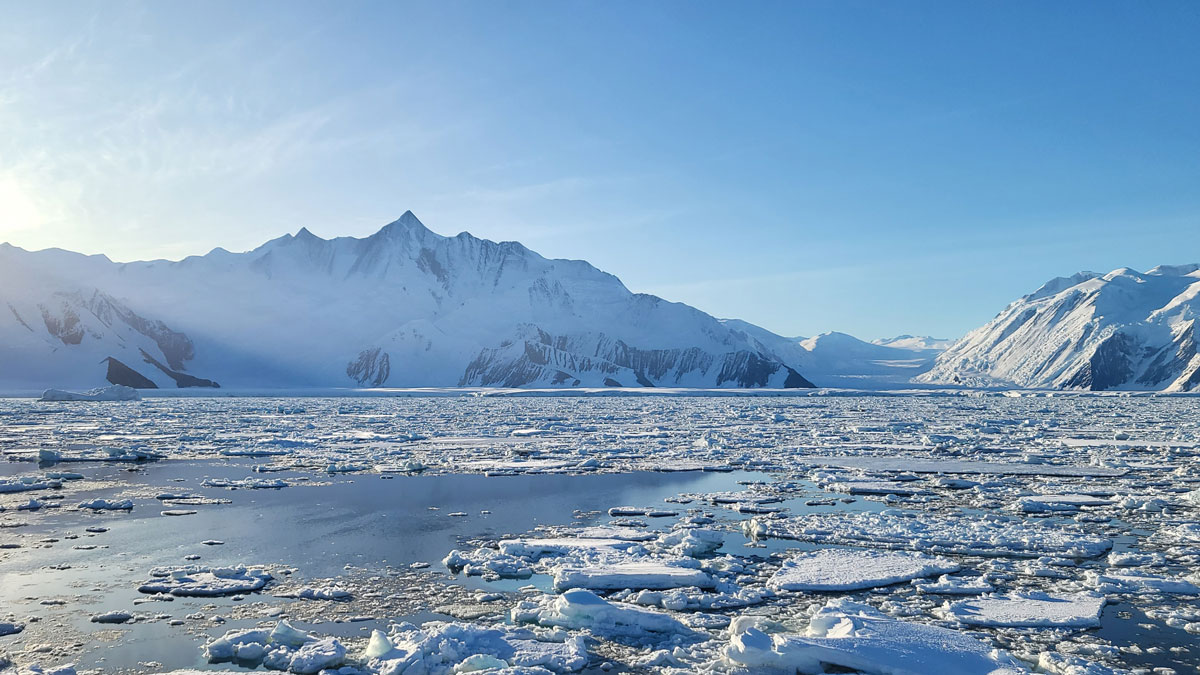
Sediments Offer an Extended History of Fast Ice
Scientists used sediments to create a millennia-long archive of Antarctic fast ice. Along the way, they discovered that the freezing and thawing of this enigmatic ice appear to be linked to solar cycles.
Posted inEditors' Highlights
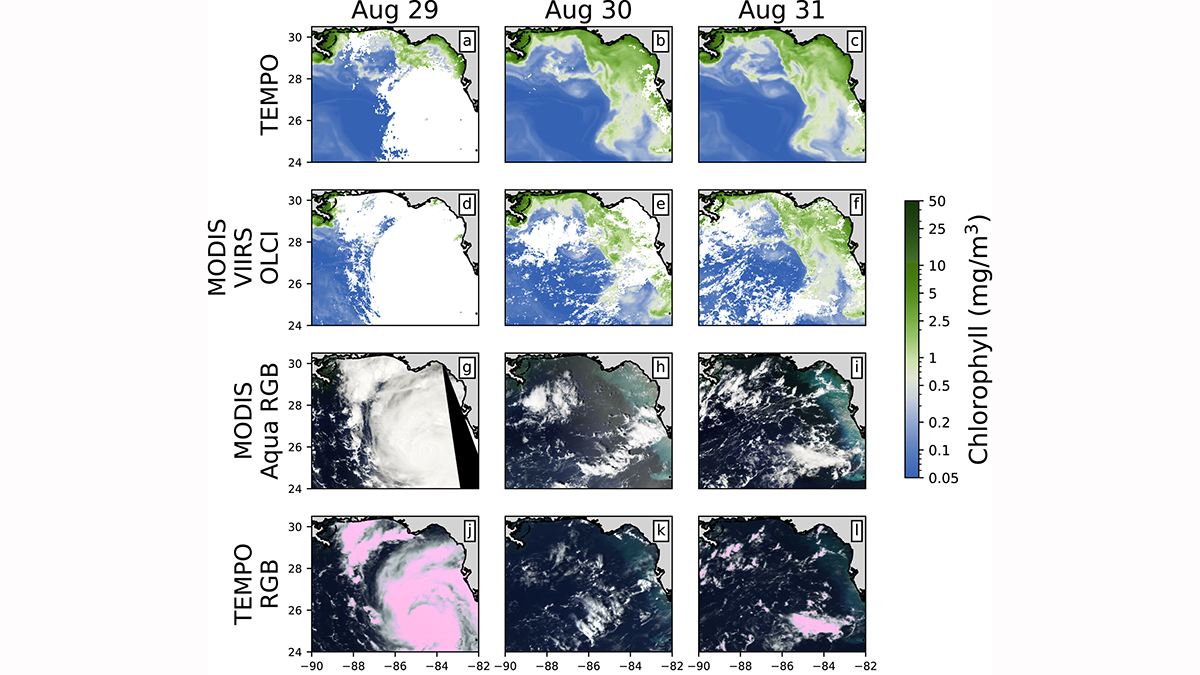
Monitoring Ocean Color From Deep Space: A TEMPO Study
Scientists apply machine learning to demonstrate that geosynchronous satellites can be used to assess the health of oceans from deep space.
Posted inNews
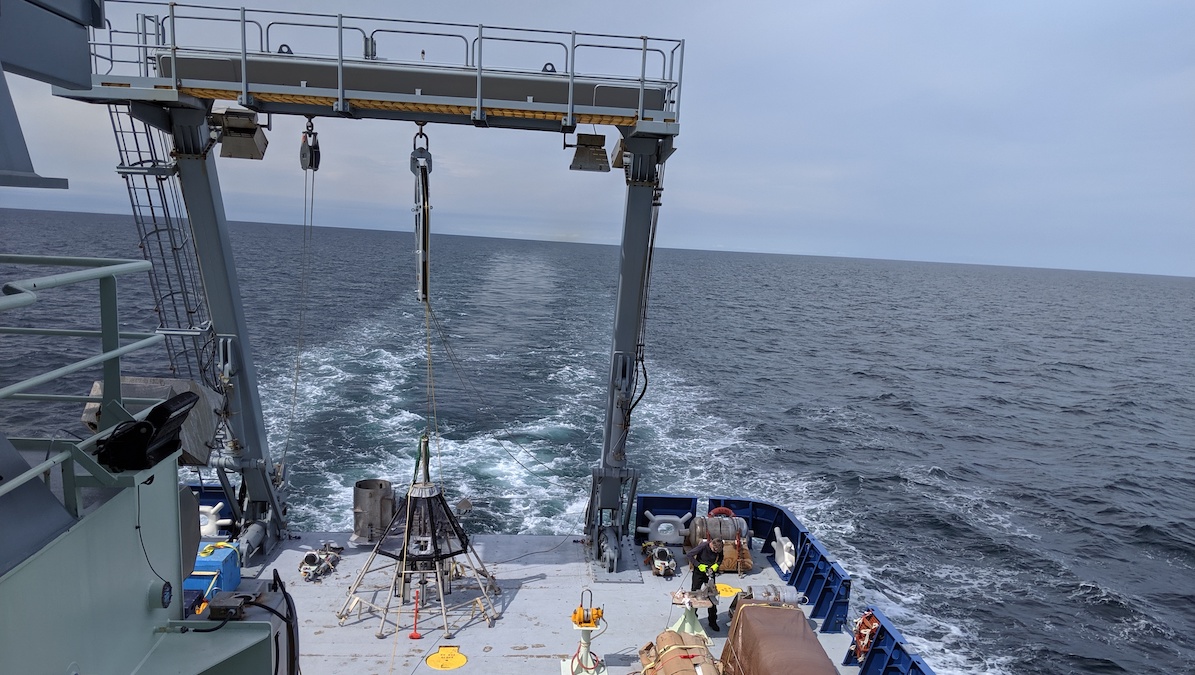
The AMOC of the Ice Age Was Warmer Than Once Thought
An analysis of sediment cores indicates that North Atlantic waters were relatively warm and continued to circulate even under major climate stress during the Last Glacial Maximum.
Posted inNews
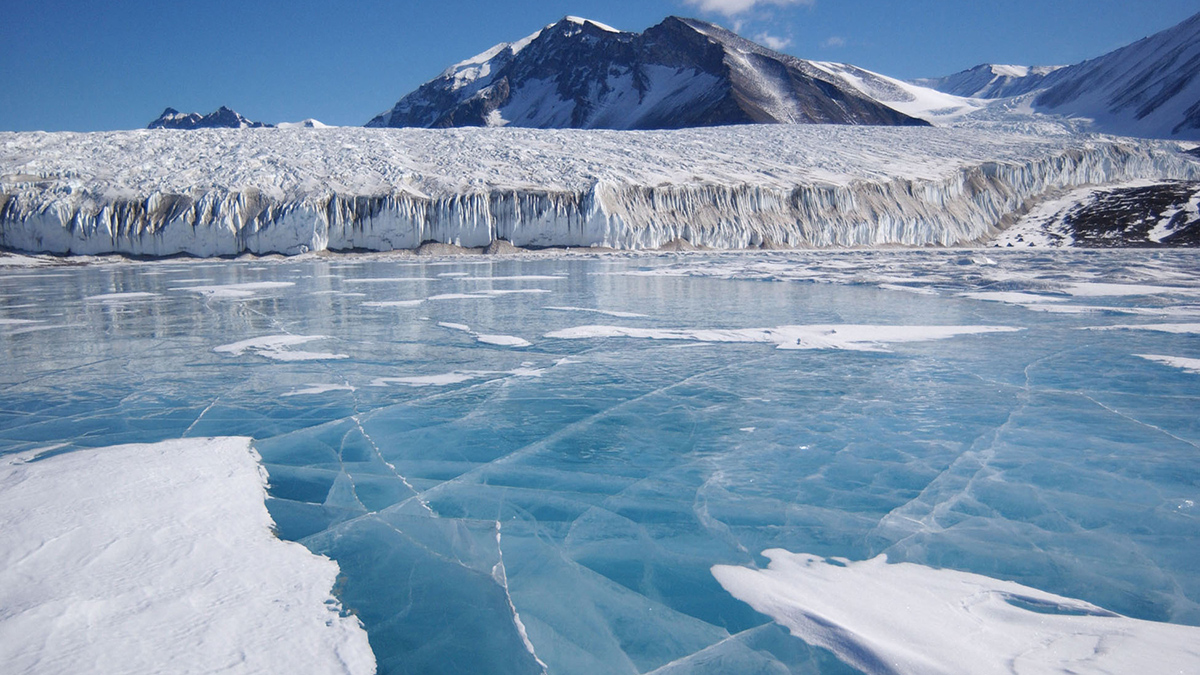
Snowball Earth’s Liquid Seas Dipped Way Below Freezing
Iron isotopes show that salty seawater pockets beneath the ice were as cold as −15°C.