
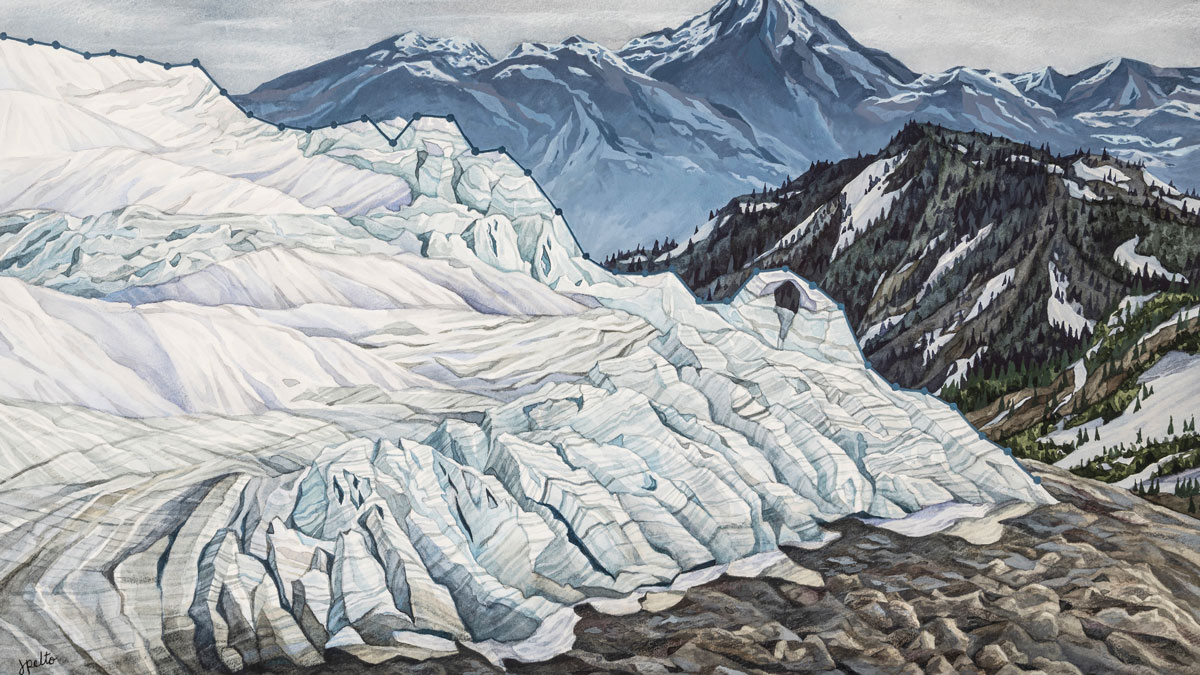

Jill Pelto turned her childhood fascination with glaciers into a busy life creating data-art.
STEM education

Posted inFeatures
Danielle Ignace: Bringing One’s Whole Self to Science and Beyond
As a scientist, mentor, artist, advocate, and more, Ignace wears many hats. The key to balancing it all is to integrate the varied aspects of her life.
Posted inFeatures
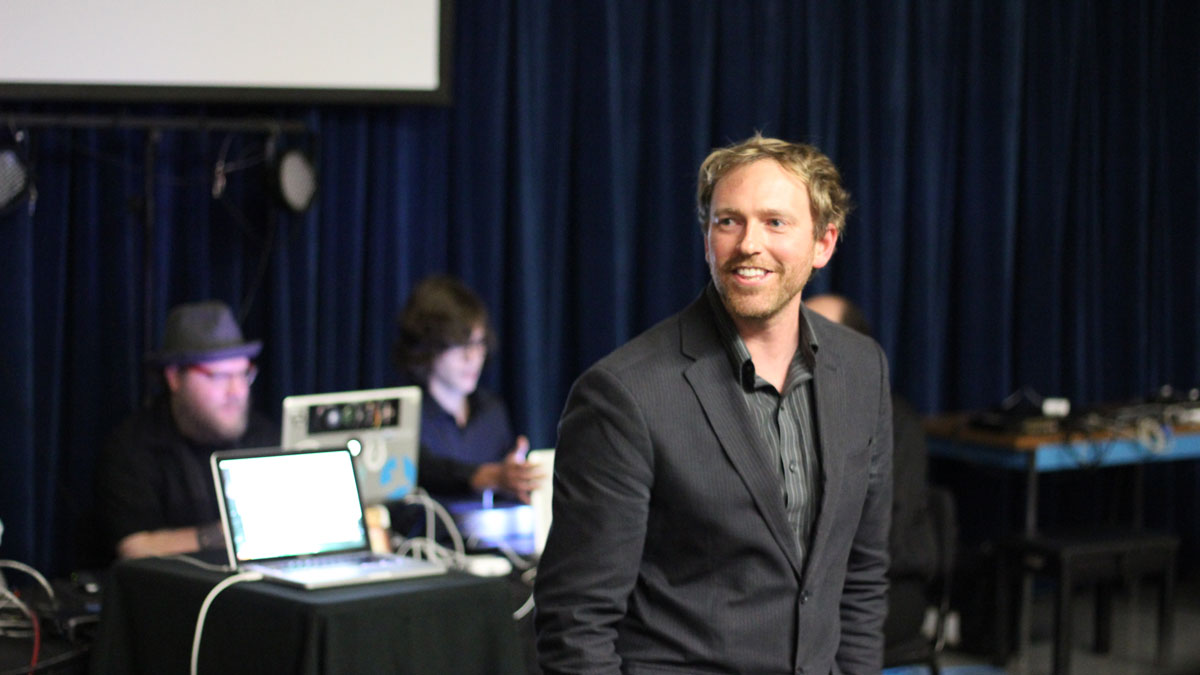
Chet Udell: A Passion for Instrumentation Creates a New Path
A love for experimental music helped Chet Udell forge a unique career developing new musical and scientific instruments.
Posted inFeatures
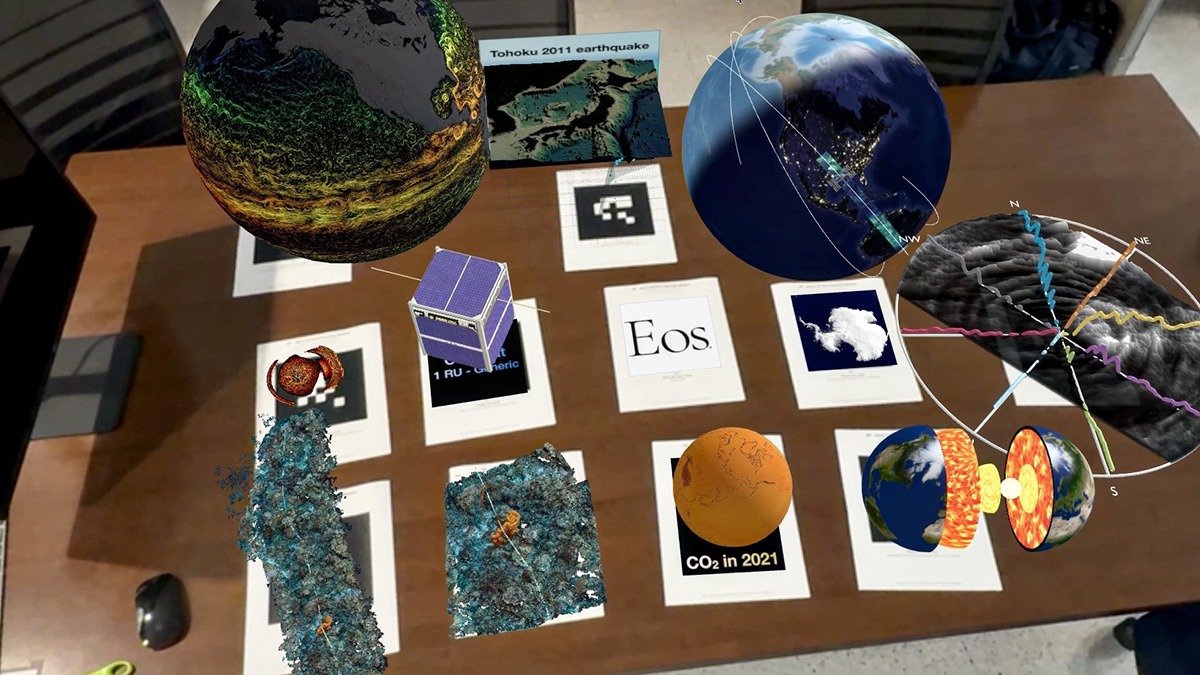
Extended Reality Offers Opportunities for Scientific Show-and-Tell
Advances in virtual and augmented reality, spatial computing, and other technologies offer chances to work with data more intuitively, benefiting Earth and space science research and education.
Posted inNews
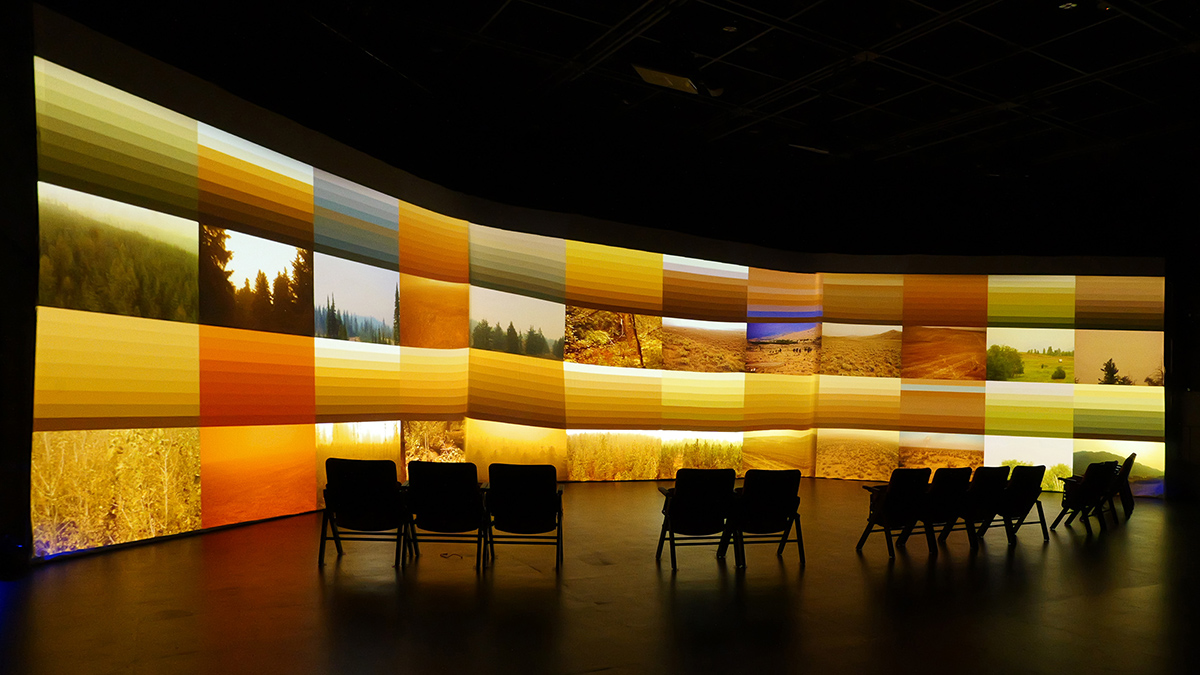
Artists and Scientists Partner to Bring Atmospheric Data to Life

In the fluxART project, scientists using eddy covariance to study atmospheric flux partnered with artists to help communicate the “breath of the biosphere.”
Posted inResearch & Developments
NSF Eliminates Geoscience Postdocs
The National Science Foundation (NSF) has eliminated its postdoctoral fellowship funding for Earth scientists.

Posted inResearch & Developments
Graduate Students’ NSF Fellowship Applications Are Being “Returned Without Review”
Graduate students applying for NSF funding have had their applications returned without review—even though their proposed research appears to fall squarely within the fields of study outlined in the program solicitation.
Posted inNews
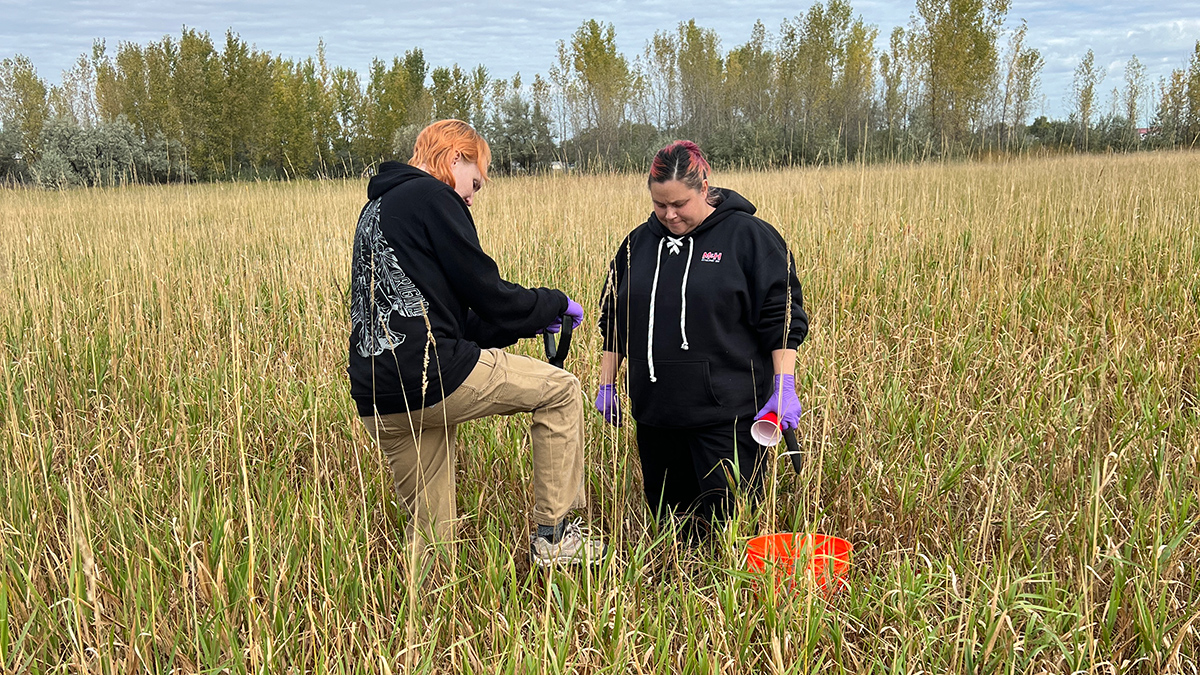
Nationwide Soil Microbiome Mapping Project Connects Students and Scientists
Researchers and students are building a comprehensive picture of the microbial life beneath our feet.
Posted inReport
The State of the Science 1 Year On: Academia and Research
The past year was a shock to the U.S. higher education system. The coming year may see even more jolts.
Posted inNews
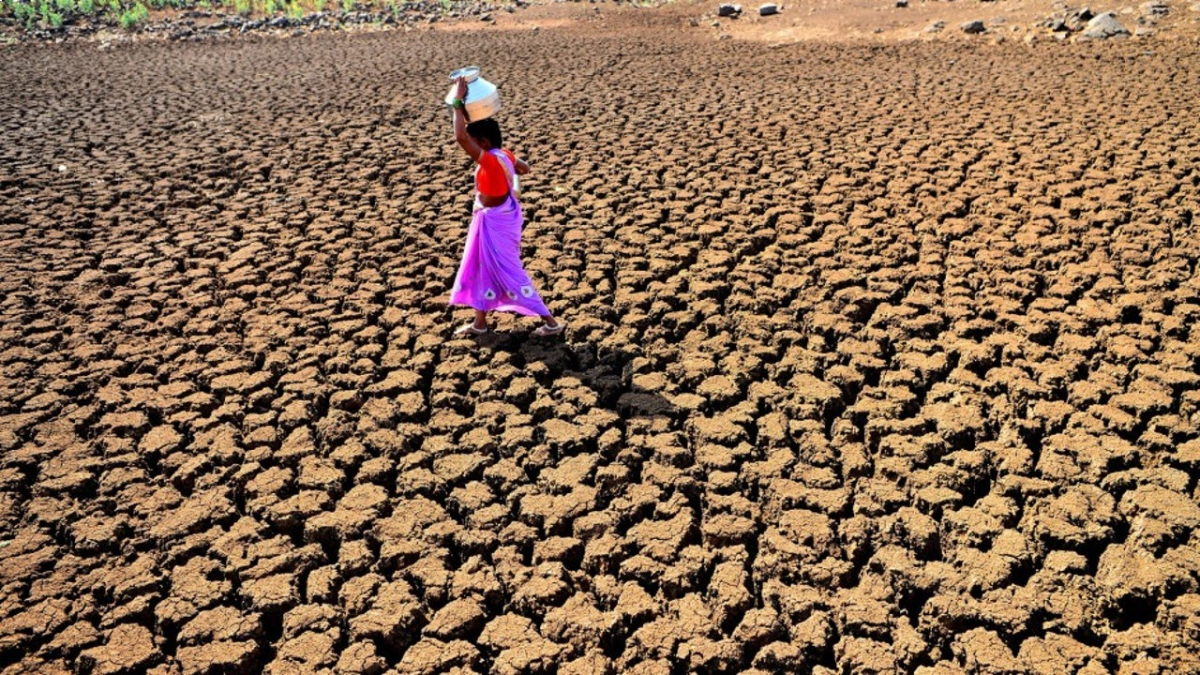
Democracy and Education Increase Women’s Belief in Climate Change

The finding, which focuses on lower-income countries, could help inform plans to shrink the global climate knowledge gender gap.