

Global Paleofire Working Group 2: Paleofire Knowledge for Current and Future Ecosystem Management; Saint-Hippolyte, Quebec, Canada, 10–14 October 2017
wildfires
Posted inResearch Spotlights
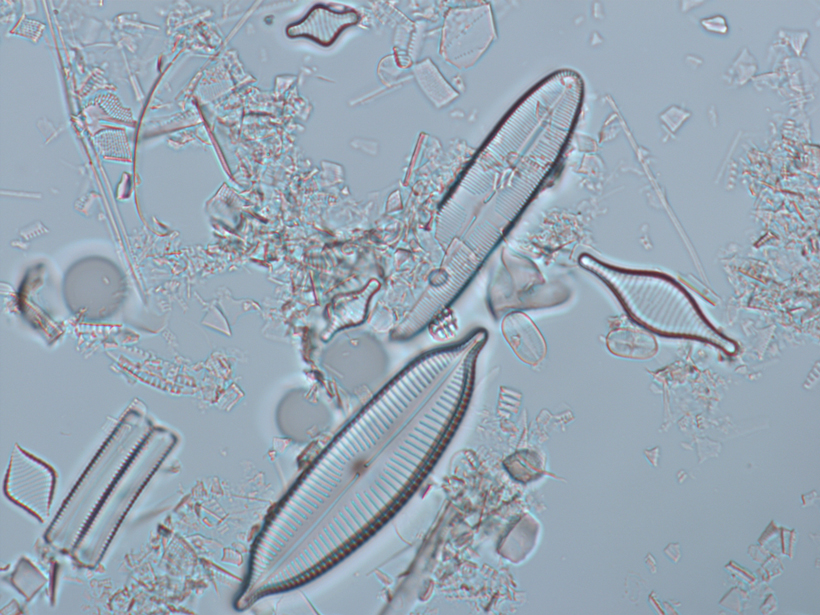
Australian Algae Aid Understanding of Ecosystem Resilience
Wildfires may have driven a critical ecosystem transition in Tasmania’s Lake Vera more than 800 years ago.
Posted inResearch Spotlights
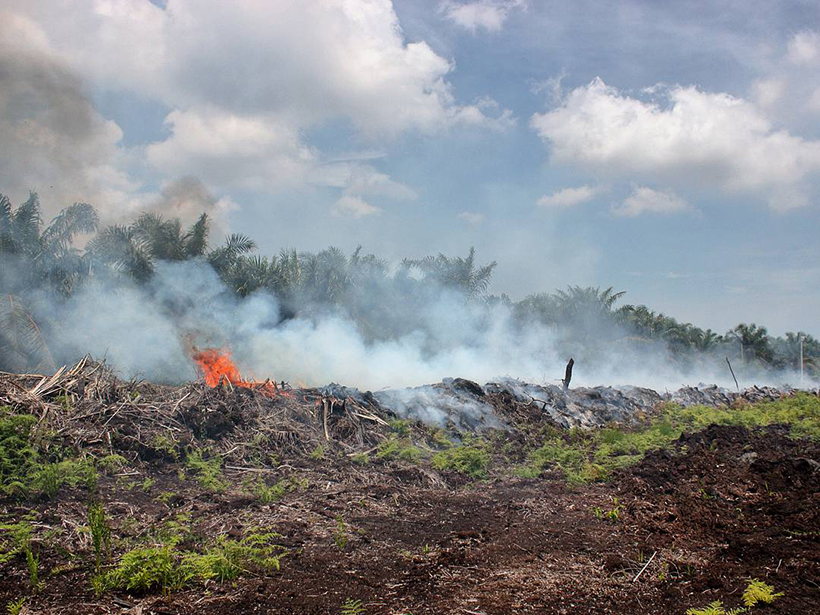
Measuring Emissions from Smoldering Peat Fires

A new study measures emission factors for tropical peatland fires in Malaysia.
Posted inNews
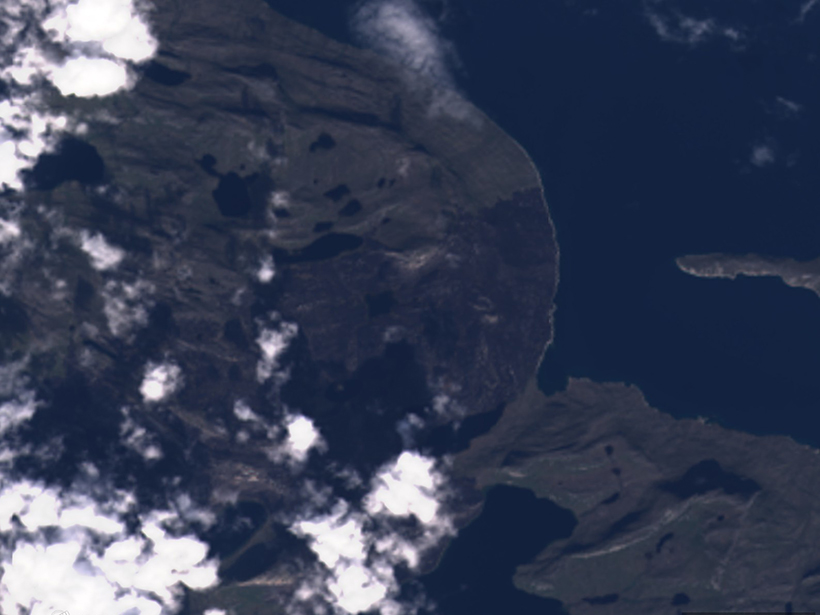
Southern Greenland Wildfire Extinguished

Scientists are still investigating the cause, fuel source, and overall impact of the weeks-long blaze.

Posted inNews
Greenland Fires Ignite Climate Change Fears

The fires are stoking worries about the vast island’s thawing permafrost.

Posted inScience Updates
Meteorologists Track Wildfires Using Satellite Smoke Images
Enhancements to the National Oceanic and Atmospheric Administration's decision support system give forecasters new capabilities for tracking smoke from fires using satellite data.

Posted inResearch Spotlights
Smoke Signals in the Amazon
Forest fires can occur naturally, but in the world's largest rain forest, fire can signal large-scale deforestation.
Posted inResearch Spotlights
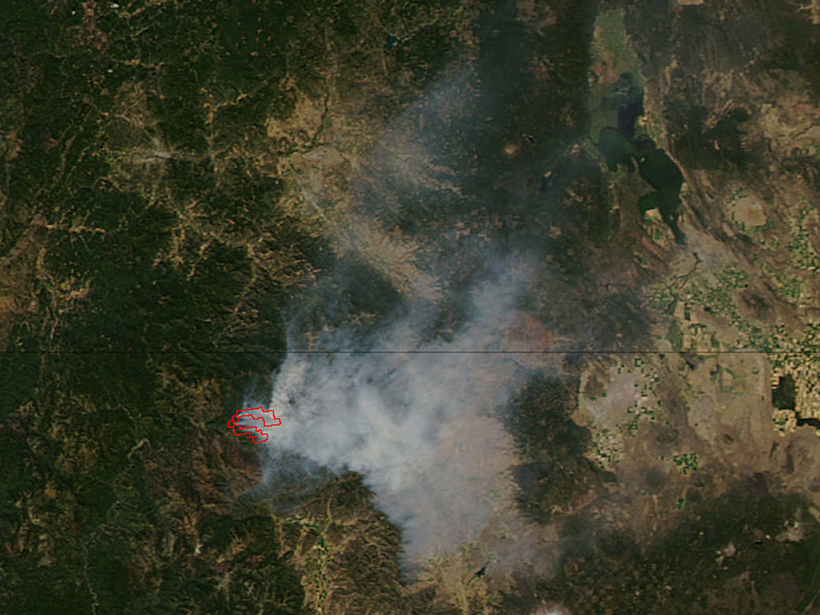
Fighting Fire with Satellite Data
As climate change worsens wildfire impact, scientists use satellites to study climate-fire interactions.
Posted inNews
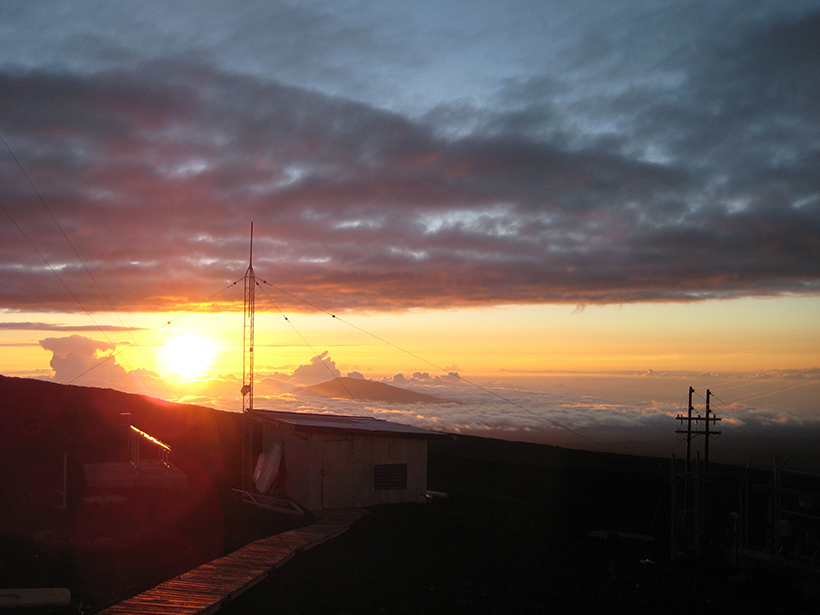
El Niño Will Increase Atmospheric Carbon to Historic Levels

Tropical fires and drought-stricken ecosystems that normally serve as sinks will release carbon, contributing to high atmospheric concentrations through 2016 and beyond.

Posted inNews
The 2015 Indonesian Fires: Less Carbon Release Than Was Thought

Preliminary results from field measurements of smoldering Kalimantan peatlands suggest that the fires emitted 8% less carbon dioxide and 55% less methane than were previously estimated from lab tests.