

RECENTLY PUBLISHED
Samuel E. Muñoz, “Prioritizing Quality Before Synthesis in Paleoenvironmental Hazard Science”
EARTH SCIENCE ARCHIVE
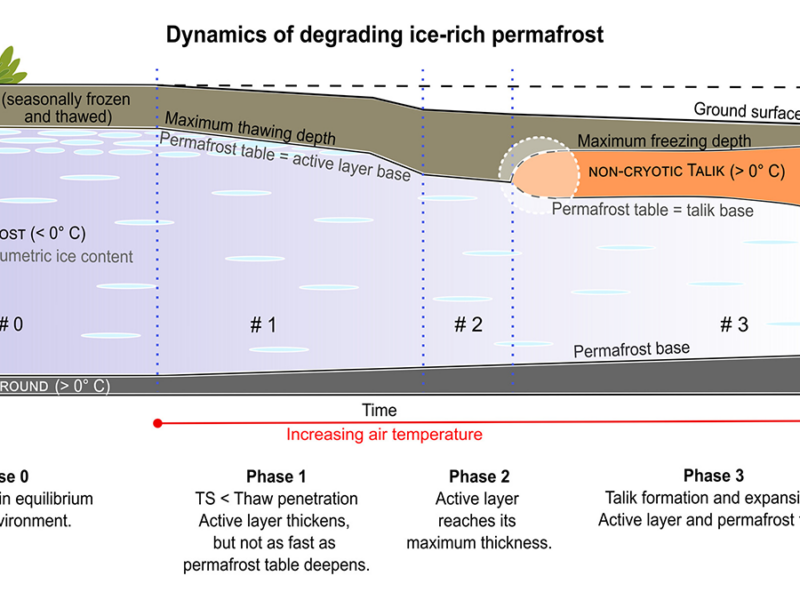
New Insights into Permafrost Degradation and Subsidence
A 20-year monitoring study in the discontinuous permafrost zone of Nunavik, Canada documents changing ground thermal dynamics and associated thaw subsidence.
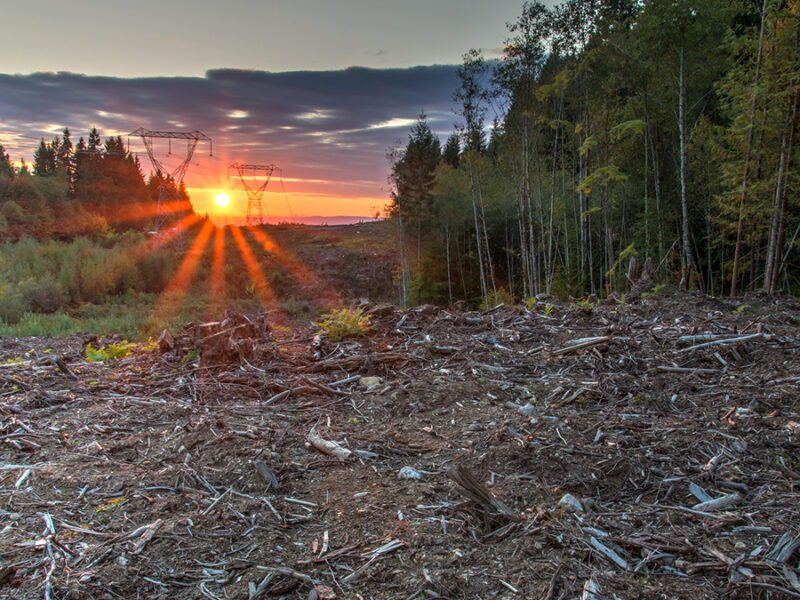
Preserving Soil Carbon by Preserving the Forest Floor
A 20-year study of British Columbia forests examines how soil carbon is affected by logging.
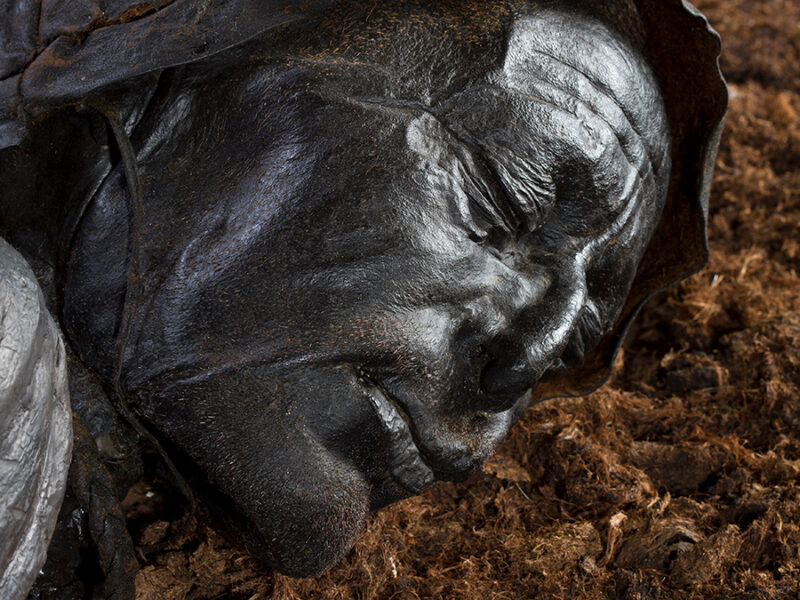
Natural Mummies Hold Memories of Life and Land
All around the world, extreme conditions have kept ancient human remains shockingly well preserved.
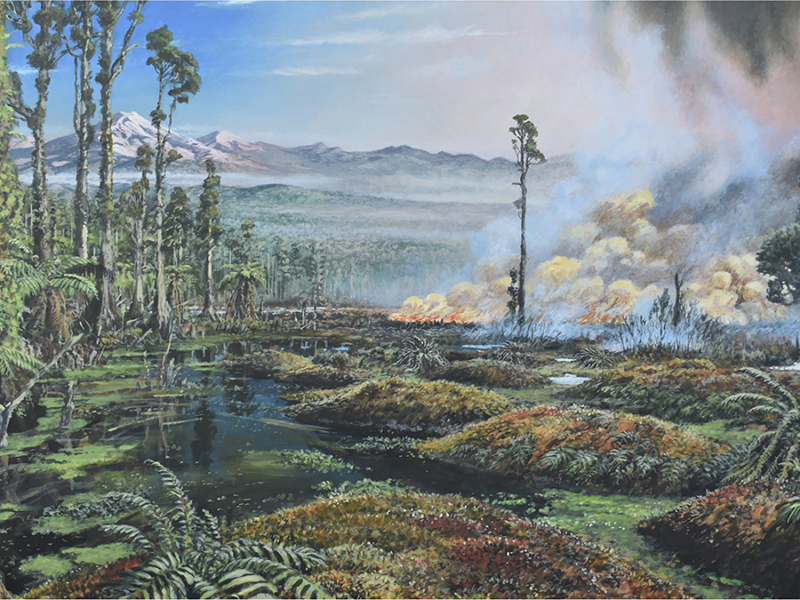
Wildfires Burned in Antarctica 90 Million Years Ago
A new study finds evidence for the southernmost wildfires currently known, which may have facilitated a transition from temperate rainforest to peatland in Antarctica.
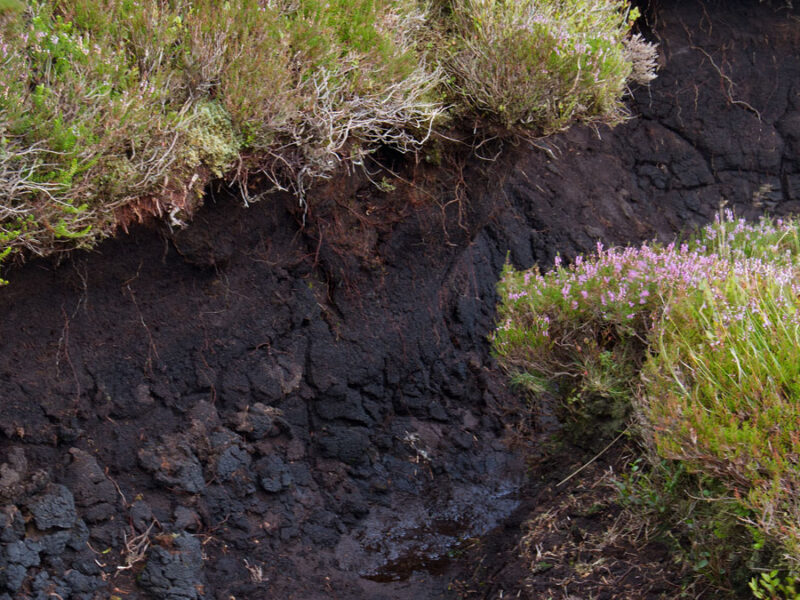
Science on Repeat, Peat, Peat
Scientists and Knowledge Keepers, industries and communities are all seeking answers—and finding even more questions—buried in carbon-rich wetlands.
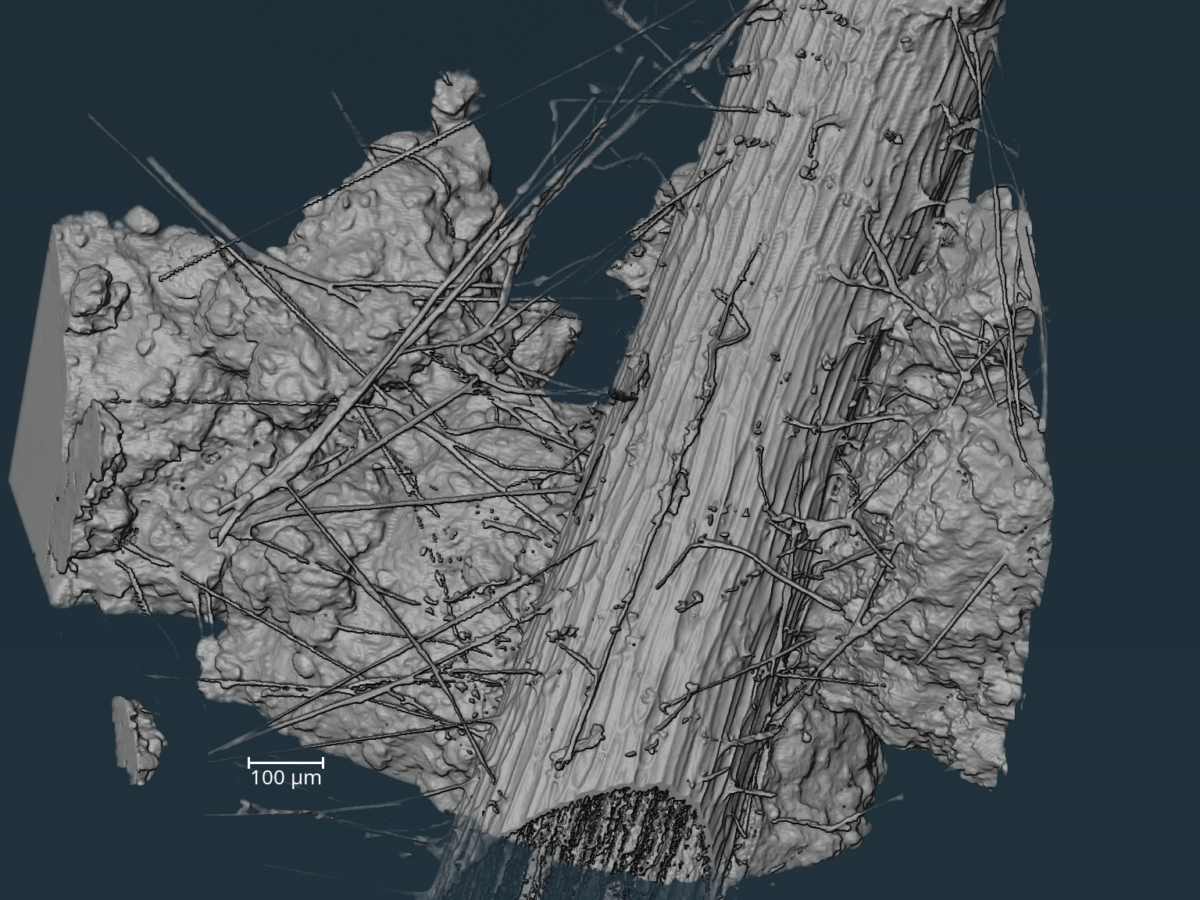
Fungi Are Holding the Food Web Together. New Research Images This Underground Network.
By combining computer tomography—the same technology used for medical scans—with a high-powered particle accelerator, researchers have imaged the network of roots, fungal structures, and soil together in their natural environment.
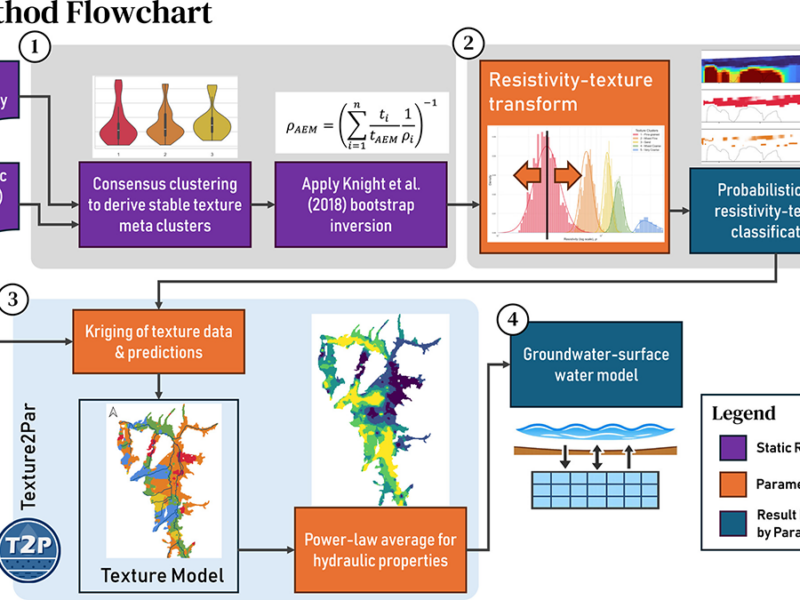
Reducing Uncertainty in Groundwater Models Using Airborne Geophysics
Scientists present a probabilistic framework for exploiting airborne geophysical data for groundwater model parameterization and apply it to the Scott River aquifer system in Northern California.
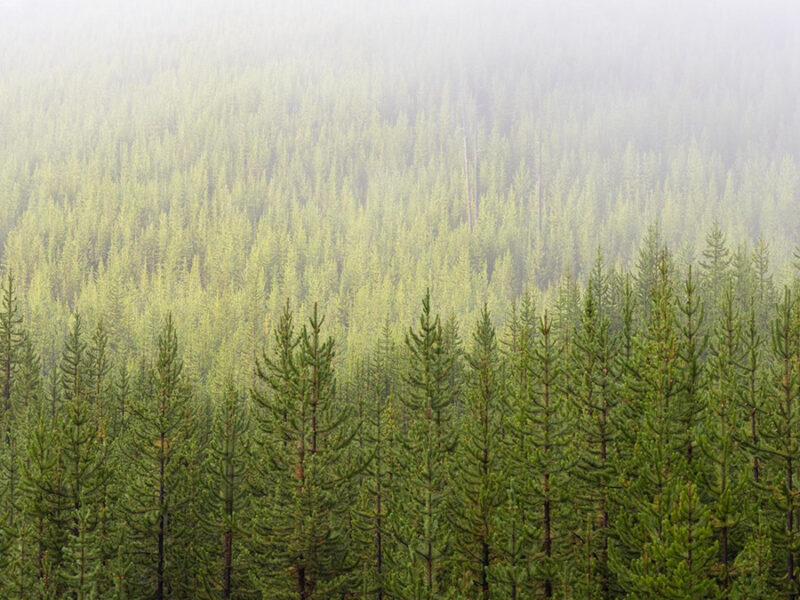
Fast, Severe Wildfires Can Change How Forests Grow Back
These blazes can cause ecological shifts even in fire-adapted forests.
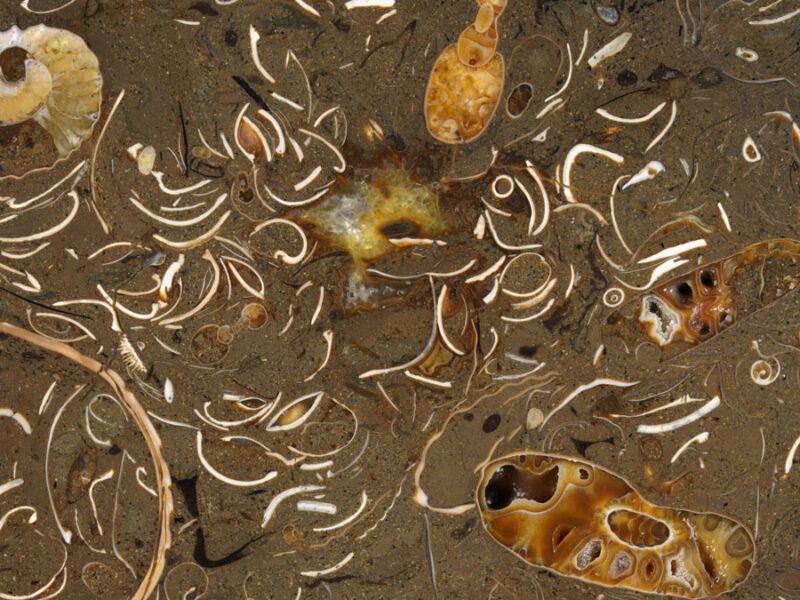
Squid Were on the Move Before the Chicxulub Impact
The cephalopods had already significantly dispersed throughout the world’s oceans 67 million years ago, paving the way for their modern-day ubiquity.
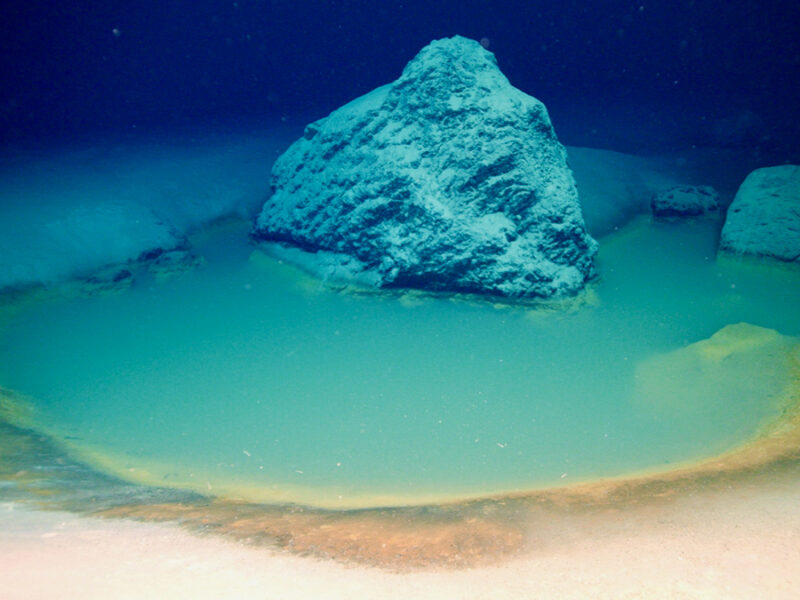
Briny “Death Pools” Hold Clues to Early Life
New evidence from the depths of the Red Sea supports the oxidation of manganese and iron as an engine for life in the earliest oceans.
Something went wrong. Please refresh the page and/or try again.