

Editors’ Highlights are summaries of recent papers by AGU’s journal editors.
Source: AGU Advances
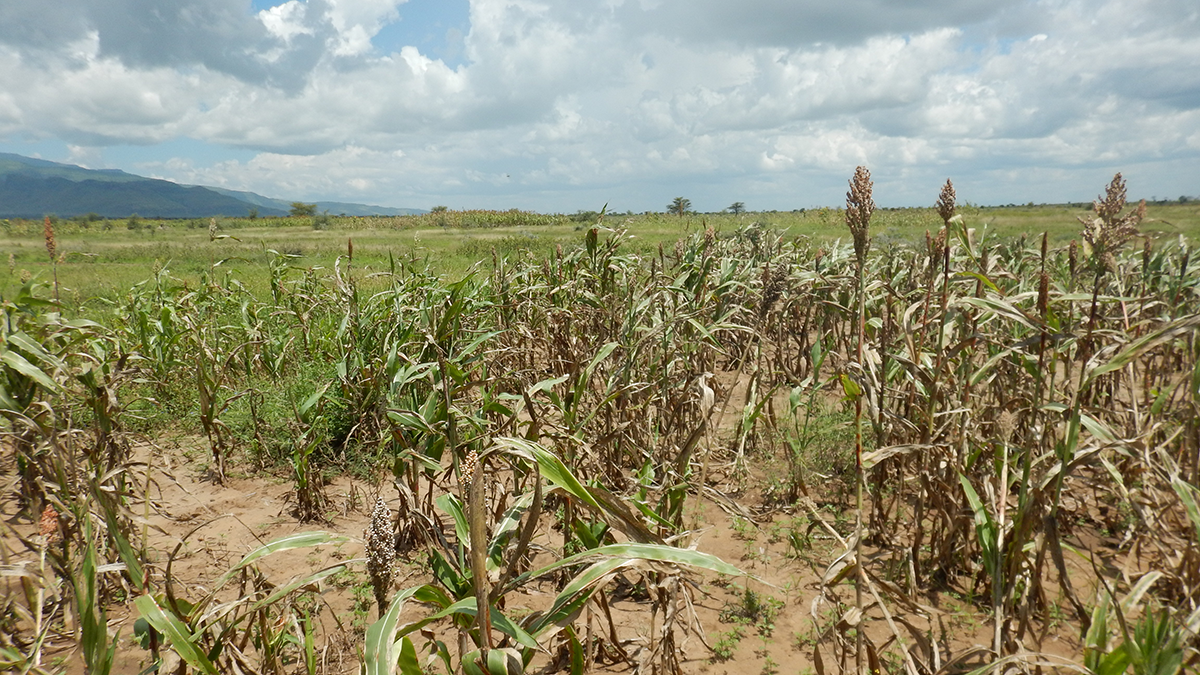
Technologies for Earth observation by satellites have been used to give advance warning of potentially imminent crop failure due to drought conditions. These risks are increasing with climate change and are especially concerning for middle- and low-income countries that are vulnerable to food insecurity.
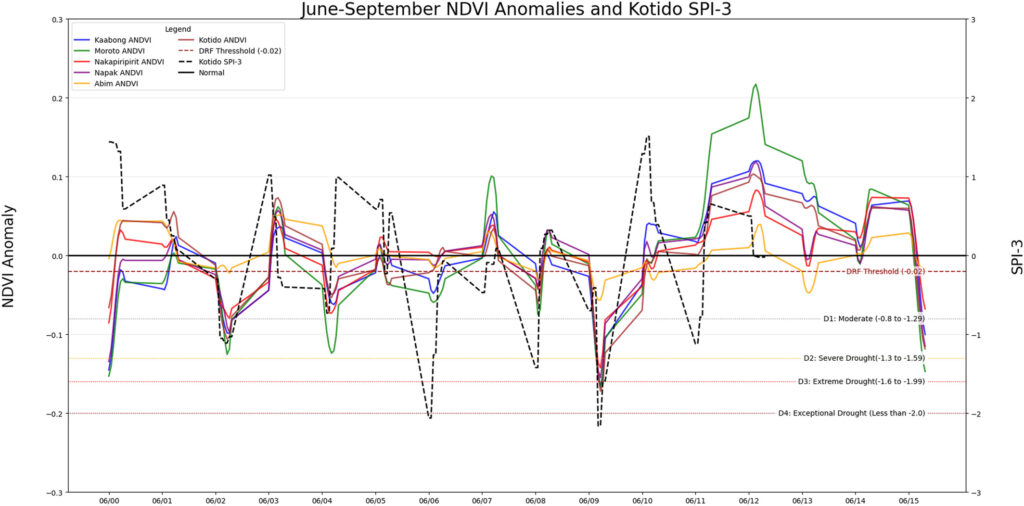
Nakalembe [2026] reports on the effectiveness of Uganda’s Disaster Risk Financing Program, which pioneered satellite-triggered financing for drought disaster relief operating at scale. The $14 million program yielded $40.7 million in total benefits, including $11.1 million in immediate emergency aid cost savings. In addition to offering lessons learned, this commentary concludes that institutional and financial barriers, rather than technical limitations, now constrain the scaling of this satellite-driven climate resilience mechanism. Similar programs may reduce vulnerabilities worldwide, as climate disasters become increasingly frequent and severe.
Citation: Nakalembe, C. (2026). Lessons From Uganda’s Earth Observation-Based Disaster Risk Financing Program. AGU Advances, 7, e2025AV002224. https://doi.org/10.1029/2025AV002224
—Eric Davidson, Editor, AGU Advances
