
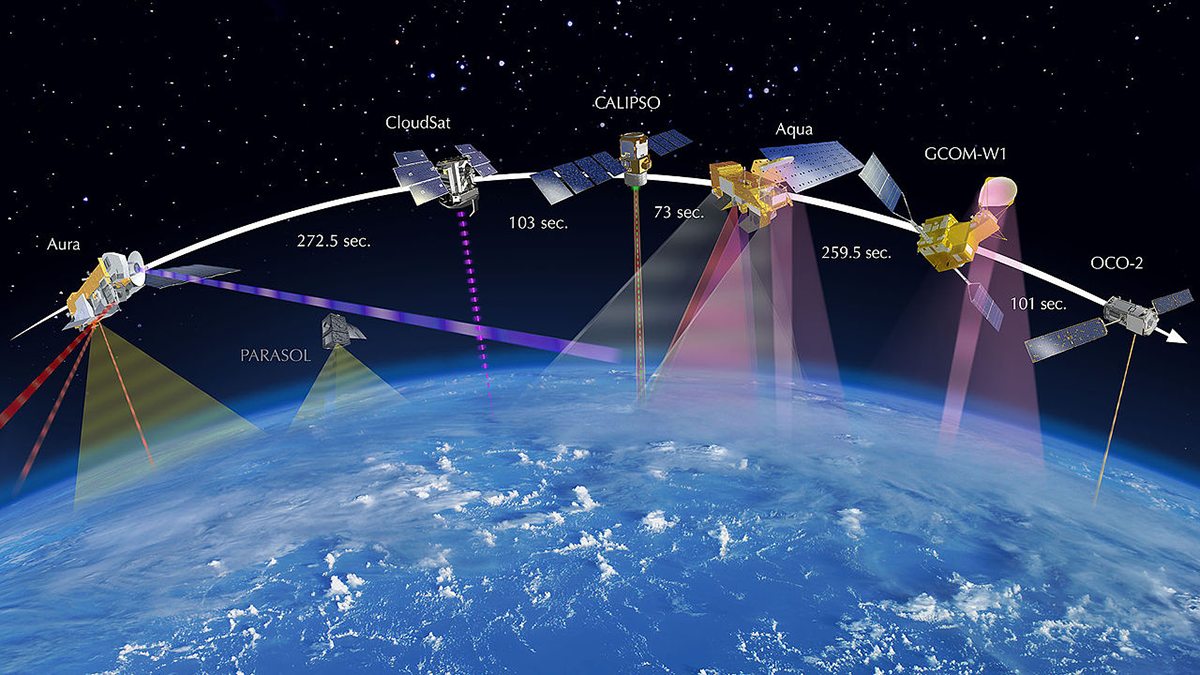
The carbon cycle community calls for an integrated carbon observing system leveraging near-surface partial-column data to better resolve finer spatial scales where key processes and decisions occur.
climate
Posted inResearch Spotlights
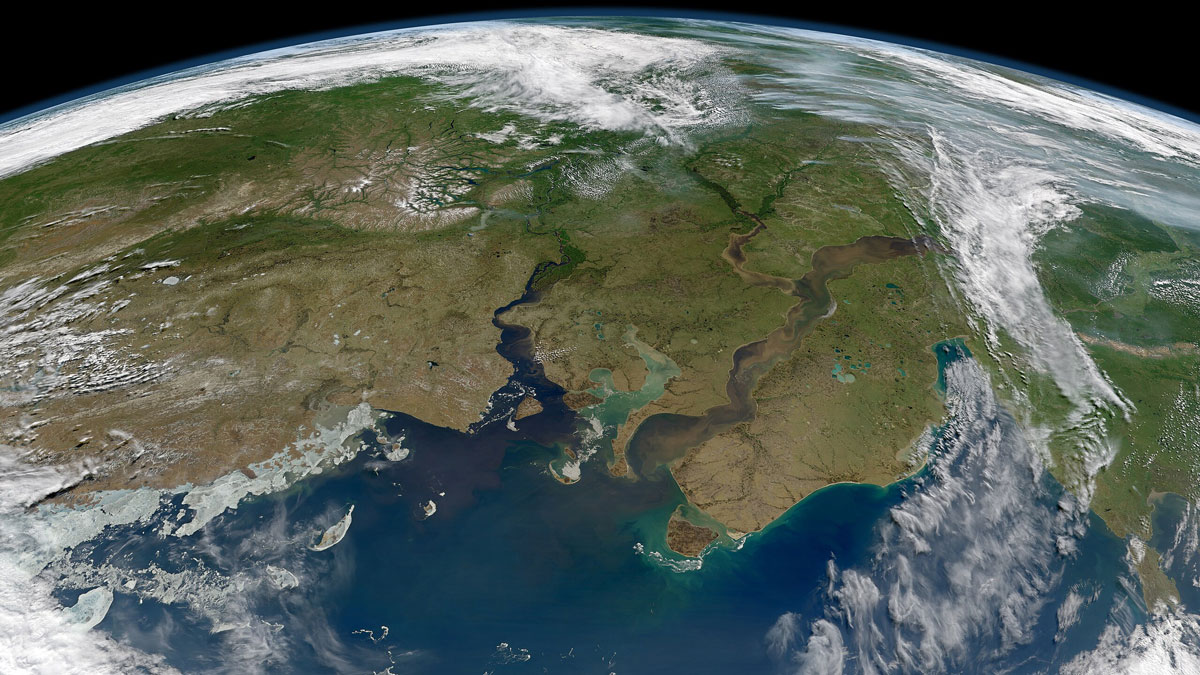
New River Chemistry Insights May Boost Coastal Ocean Modeling

By more realistically accounting for river inputs, researchers reduced overestimation of the amount of carbon dioxide absorbed by coastal waters.
Posted inFeatures
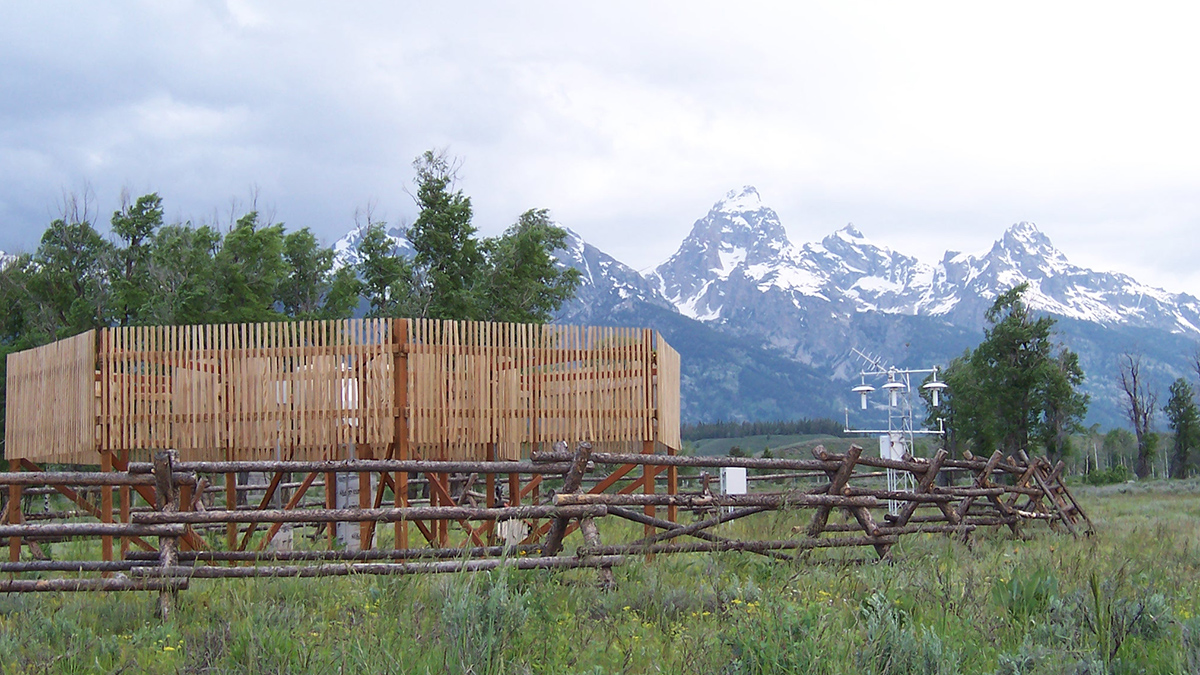
The Looming Data Loss That Threatens Public Safety and Prosperity
Cuts to funding and staff needed to maintain trusted datasets of reference Earth system observations could limit their availability and quality, undermining hazard predictions and risk assessments.
Posted inResearch & Developments
Plan to End NEPA’s “Regulatory Reign of Terror” Is Finalized

The Trump administration has finalized a plan to roll back regulations outlined by one of our nation’s bedrock environmental laws.

Posted inResearch & Developments
Trump Pulls United States Out of International Climate Efforts “Contrary” to National Interests

In an executive order issued on 7 January, the White House ordered the country’s withdrawal from 66 international agreements determined to be “contrary to the interests of the United States,” including two global efforts to combat climate change: the United Nations Framework Convention on Climate Change (UNFCCC) and the Intergovernmental Panel on Climate Change (IPCC).
Posted inNews
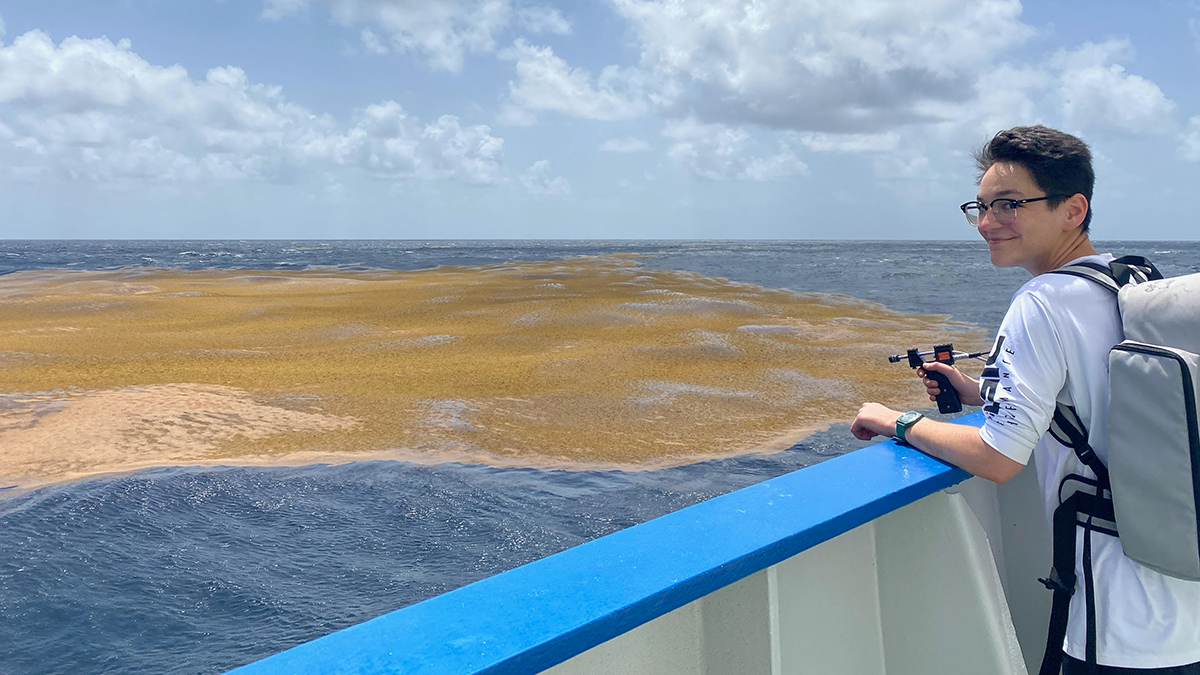
The Northern Sargasso Sea Has Lost Much of Its Namesake Algae

There’s less than a tenth as much Sargassum as there was a few years ago, a shift that may be linked to increasing sea surface temperatures in the Gulf of Mexico.
Posted inResearch Spotlights
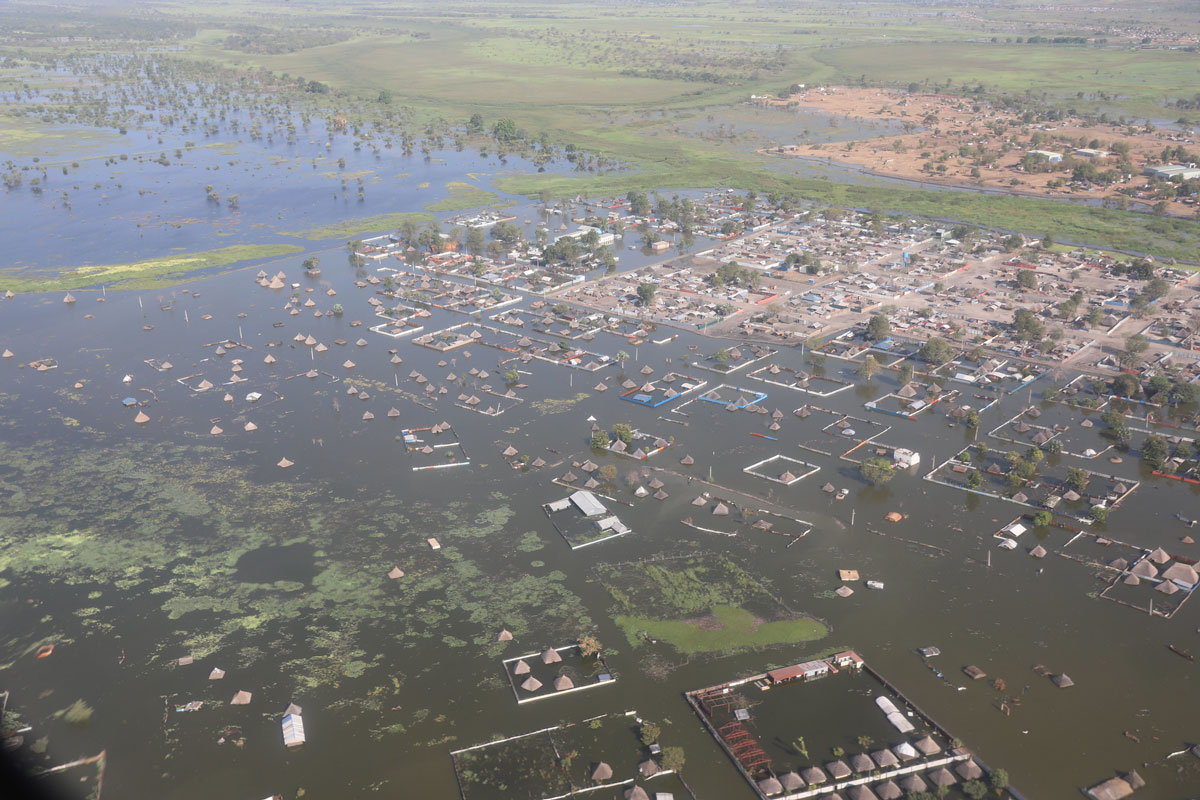
Temperatures Are Rising, but What About Humidity?
Humid heat extremes are less frequently studied, but no less important, than those of dry heat.
Posted inResearch Spotlights
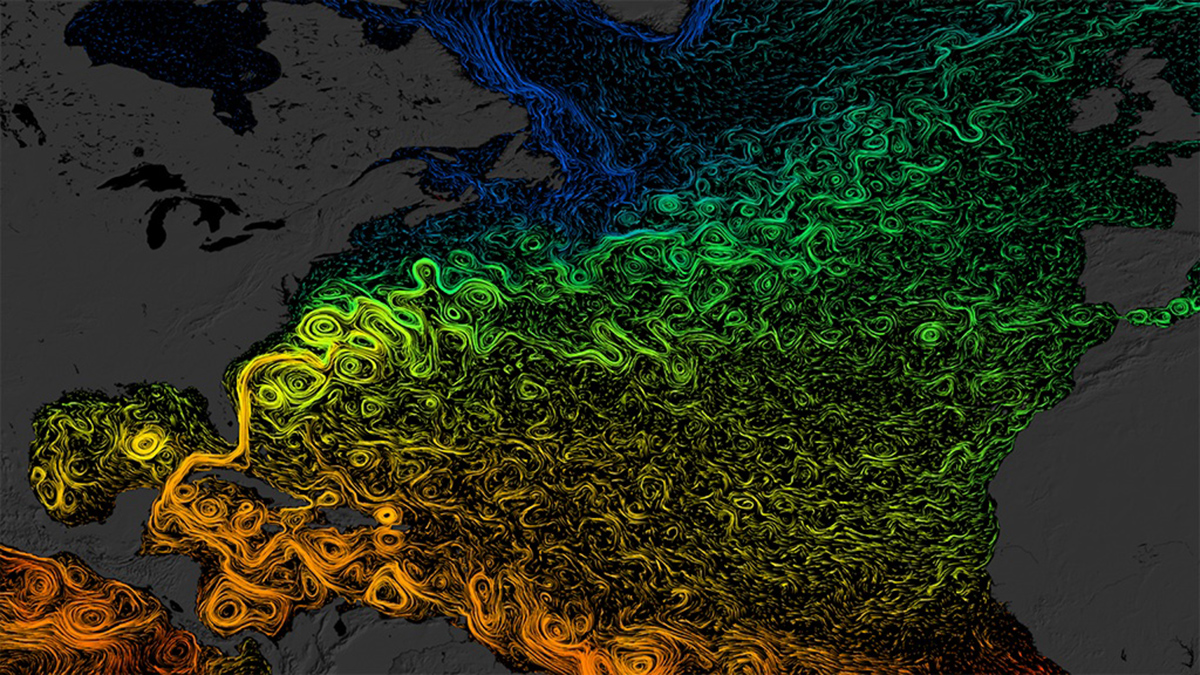
What Could Happen to the Ocean’s Carbon If AMOC Collapses
Mass glacier melting may have led this influential ocean current system to collapse at the end of the last ice age. A pair of modeling studies examines how such a collapse could affect dissolved inorganic carbon and carbon isotopes in Earth’s oceans.

Posted inResearch & Developments
Science Escapes Largest Cuts in Latest Budget Bills

Today, top appropriators in the U.S. Senate and House of Representatives released a three-bill appropriations package for fiscal year 2026 (FY26) that largely rejects drastic cuts to federal science budgets that President Trump proposed last year.

Posted inResearch Spotlights
How a Move to the Shallows 300,000 Years Ago Drove a Phytoplankton Bloom
And what that could mean for today’s ocean.